A diesel generator represents a five-figure capital investment. Its maintenance—or lack thereof—determines whether it delivers 20,000+ hours of reliable service or becomes scrap metal after 5,000 ساعات. The most expensive phrase in generator ownership is “we’ll fix it when it breaks.” Reactive maintenance costs 3–5× more than preventive maintenance, and an unexpected generator failure during a blackout can cost $10,000–$100,000 per hour in lost production, spoiled inventory, or patient safety risk. This comprehensive checklist covers daily, أسبوعي, شهريا, ربع سنوي, semi-annual, annual, and major overhaul maintenance for diesel مولدات 10–3000 KW, following manufacturer recommendations and NFPA 110 المعايير.
الوجبات السريعة الرئيسية
- ✔ Reactive maintenance costs 3–5× more than preventive maintenance—and happens at the worst possible time
- ✔ The #1 cause of generator failure during emergencies: dead starting batteries—test and replace batteries every 2–3 years
- ✔ Diesel fuel degrades in 6–12 months without treatment—implement a fuel polishing and testing program
- ✔ Wet stacking is the silent killer of lightly loaded generators—run at >30% load for 30 minutes monthly
- ✔ Document everything: maintenance logs are legal evidence for warranty claims, insurance, and NFPA 110 امتثال
- ✔ Coolant testing (pH, SCA, نقطة التجميد) كل 500 hours prevents liner pitting—the most expensive preventable failure
Generator Maintenance Schedule Overview
| تكرار | Main Tasks | Who Performs | الوقت المقدر |
|---|---|---|---|
| يوميًا (or per run) | التفتيش البصري, fluid levels, التسريبات, unusual noise/vibration | Operator / Facility Staff | 5–10 minutes |
| أسبوعي | Engine run test (no-load or light load), battery check, مستوى سائل التبريد, fuel water separator drain | Operator / Facility Staff | 15–30 minutes |
| شهريا | Full-load test (30 min minimum), ATS transfer test, فحص الحزام, air filter check | Facility Staff / فني | 1–2 hours |
| ربع سنوية | تغيير الزيت والفلتر (based on hours), fuel filter inspection, coolant test | فني | 2–4 hours |
| Semi-Annual (500ح) | Full fluid analysis, electrical connection torque check, radiator cleaning | Qualified Technician | 4–8 hours |
| سنوي (1000ح) | Full service: all filters, fluids, valve adjustment, injector test, اختبار تحميل البنك | Factory-Certified Technician | 8–16 hours |
| إصلاح شامل | Engine top-end or full overhaul per manufacturer schedule (10,000–30,000 hours) | Factory-Certified Technician | 1–4 weeks |
Daily Maintenance Checklist (Per-Run / Pre-Start)
- ☐ Check engine oil level (مقياس العمق)—within safe range. Top up if low with correct oil grade
- ☐ Check coolant level in expansion tank—between min and max marks (engine cold)
- ☐ Check fuel level in day tank or main tank—adequate for expected run duration
- ☐ Visual inspection for fluid leaks under generator (زيت, المبرد, وقود)
- ☐ Visual inspection of belts and hoses for cracking, fraying, or looseness
- ☐ Check air filter restriction indicator—replace if in red zone
- ☐ Verify control panel displays normal readings—no active alarms or warnings
- ☐ Check battery charger is operating—float voltage 13.2–13.8V (12نظام الخامس) or 26.4–27.6V (24نظام الخامس)
- ☐ Inspect enclosure for damage, debris accumulation, أو الوصول غير المصرح به
- ☐ Listen for unusual noise, اهتزاز, or exhaust smoke color during run
Weekly Maintenance Checklist
- ☐ Run generator under load for minimum 15–30 minutes (or per manufacturer)
- ☐ Record all gauge readings during run: ضغط الزيت, درجة حرارة سائل التبريد, الجهد االكهربى, تكرار, حمولة (كيلوواط)
- ☐ Test battery voltage: 12.6V+ (12نظام الخامس) or 25.2V+ (24نظام الخامس) at rest
- ☐ Check battery terminals for corrosion—clean if white/green deposits present
- ☐ Drain water from fuel water separator (primary fuel filter)
- ☐ Check fuel tank vent for obstruction (spider webs, حطام, ice)
- ☐ Inspect coolant hoses for swelling, soft spots, or cracking
- ☐ Verify تبديل النقل التلقائي (المنشطات الأمفيتامينية) is in AUTO mode with no fault indicators
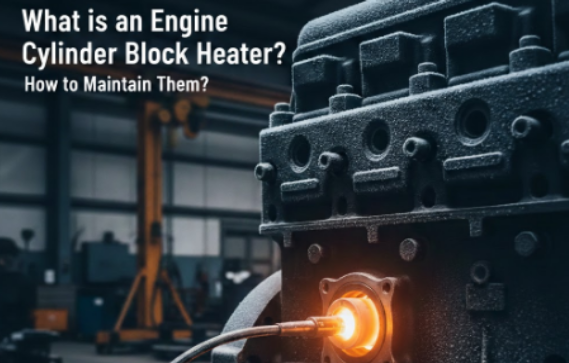
- ☐ Check block heater operation (cold climates)—should maintain 32–38°C (90–100°F)
Monthly Maintenance Checklist (NFPA 110 امتثال)
- ☐ Full-load test: Run generator at minimum 30% rated load for 30 دقائق (NFPA 110 mandatory)
- ☐ Record all operating parameters: ضغط الزيت, درجة حرارة سائل التبريد, فولت, amps, تكرار, درجة حرارة العادم
- ☐ Inspect air filter element—replace if restriction indicator shows red or per schedule
- ☐ Check all drive belts for tension (deflection 10–15mm at center span) والحالة
- ☐ Inspect radiator external fins for debris—clean with compressed air (from engine side outward)
- ☐ Test ATS transfer function: simulate utility failure, verify transfer, run loaded 30 دقيقة, retransfer
- ☐ Check exhaust system for leaks, الصدأ, loose hangers, or insulation damage
- ☐ Inspect fuel lines and connections for leaks or wet spots
- ☐ Test all generator alarms and shutdowns: انخفاض ضغط الزيت, high coolant temp, السرعة الزائدة
- ☐ Visual inspection of alternator: ينظف, جاف, no signs of overheating or rodent activity
- ☐ Check engine room ventilation louvers operate freely (not stuck open or closed)
ربع سنوية / 250-Hour Maintenance
- ☐ Change engine oil and oil filter (or per oil analysis recommendation)
- ☐ Replace fuel filters (الابتدائي والثانوي)
- ☐ Test coolant: pH (8.0–10.5), SCA concentration (1.5–3.0 units), نقطة التجميد (-37درجة مئوية)
- ☐ Clean crankcase breather (إن أمكن)
- ☐ Check and clean battery terminals; apply corrosion inhibitor
- ☐ Torque check on all accessible electrical connections (بطارية, المولد, لوحة التحكم)
- ☐ Inspect engine mounts for cracking, deterioration, or looseness
- ☐ Check fuel tank for water accumulation—drain water from tank bottom if present
Semi-Annual / 500-Hour Maintenance
- ☐ Send oil sample to lab: Test for wear metals, تخفيف الوقود, coolant contamination, تي بي ان, viscosity
- ☐ Send coolant sample to lab: Test for pH, SCA, نقطة التجميد, TDS, chlorides, metals
- ☐ Replace air filter element
- ☐ Clean radiator externally: pressure wash (الضغط المنخفض) or compressed air from engine side
- ☐ Inspect turbocharger: check for shaft play, تسرب النفط, compressor wheel damage
- ☐ Inspect and clean crankcase breather system
- ☐ Test battery bank capacity with load tester—replace if <80% of rated CCA
- ☐ Torque all main electrical connections: generator breaker, ATS terminals, alternator terminals
- ☐ Check and calibrate all gauges and sensors (ضغط الزيت, درجة حرارة سائل التبريد, الفولتميتر, تكرار)
- ☐ Inspect vibration isolators and flexible connectors (وقود, العادم) for deterioration
سنوي / 1000-Hour Maintenance
- ☐ All quarterly and semi-annual tasks
- ☐ Valve lash adjustment (check and adjust per engine manual specification)
- ☐ Test and adjust injectors: remove and test on injector test bench; replace if spray pattern degraded
- ☐ Replace coolant: flush system, refill with fresh 50/50 ethylene glycol + demineralized water
- ☐ Replace thermostat(ق) and radiator pressure cap
- ☐ Inspect and clean engine cooling passages (if accessible)
- ☐ Load bank test: run at 100% rated load for minimum 2 ساعات (NFPA 110 يوصي 4 ساعات)
- ☐ Thermal imaging of all electrical connections, قواطع, and bus bars under full load
- ☐ Megger test alternator windings (insulation resistance to ground)—minimum 1 megohm
- ☐ Inspect and clean slip rings and brushes (if brush-type alternator)
- ☐ Test engine safety shutdowns: انخفاض ضغط الزيت, high coolant temp, السرعة الزائدة, emergency stop
- ☐ Update controller firmware to latest version
- ☐ Fuel quality lab analysis: cetane, water content, النمو الميكروبي, جسيمات, استقرار
- ☐ Full ATS maintenance (see ATS section)
صيانة نظام الوقود
| مهمة | تكرار | تفاصيل |
|---|---|---|
| Drain water from day tank | أسبوعي | Water accumulates from condensation; more frequent in humid climates |
| Drain water from main storage tank bottom | شهريا | Use tank bottom drain valve; collect sample to check for water, الحمأة, microbes |
| استبدل مرشحات الوقود | 250–500 hours | أساسي + secondary as a set; OEM filters only |
| تلميع الوقود (recirculation filtration) | سنويا (or if test indicates) | Circulate fuel through 2-micron polishing filter for 24–48 hours; removes particulates and water |
| Fuel lab analysis | سنويا | Cetane number, water content, particulate count, النمو الميكروبي, oxidation stability |
| Tank internal inspection | Every 2–3 years | Drain tank; inspect for rust, الحمأة, النمو الميكروبي; clean if necessary |
| Biocide treatment | حسب الحاجة (if microbes detected) | Follow biocide manufacturer instructions; re-test fuel after treatment |
Battery Maintenance
Dead batteries are the #1 cause of generator failure to start during emergencies. أ $200 battery can render a $100,000 generator useless.
- ☐ Check battery voltage weekly: 12.6V+ at rest; 13.2–13.8V under charge
- ☐ Clean terminals monthly: remove corrosion with wire brush; apply dielectric grease
- ☐ Check electrolyte level (flooded batteries): top up with distilled water only, never tap water
- ☐ Load test batteries semi-annually: replace if <80% of rated cold cranking amps (CCA)
- ☐ Replace starting batteries every 2–3 years regardless of apparent condition
- ☐ Ensure battery charger is operational: test charger output voltage monthly
- ☐ Maintain battery temperature: extreme heat accelerates degradation; extreme cold reduces capacity
Generator Maintenance Log Template
| تاريخ | ساعات | ضغط الزيت | Coolant Temp | الجهد االكهربى | تكرار | حمولة (كيلوواط) | Actions Taken | Tech Signature |
|---|---|---|---|---|---|---|---|---|
| yyyy-mm-dd | ____ | ____ PSI | ____ °C | ____ V | ____ Hz | ____ | ________ | ________ |
التعليمات
How often should a diesel generator be serviced?
Minimum service schedule: oil and filter change every 250–500 hours (or quarterly for standby generators with low hours). Fuel filters every 250–500 hours. Air filter every 500–1000 hours or when restriction indicator shows red. Coolant every 2–6 years depending on type. Annual full service: all filters, fluids, valve adjustment, injector test, اختبار تحميل البنك. Standby generators with <50 hours>
What happens if I don’t maintain my generator?
Consequences by severity: (1) dead battery → generator won’t start during outage; (2) degraded fuel → filter clogging, injector damage ($1,000–5,000 per cylinder); (3) old oil → accelerated engine wear, الحمأة, eventual bearing failure ($10,000–50,000 engine rebuild); (4) neglected coolant → liner pitting, فشل طوقا الرأس, engine destruction; (5) skipped load bank testing → wet stacking, تراكم الكربون, generator fails to accept load during real emergency.
How long should a generator run during a monthly test?
NFPA 110 requires a minimum of 30 minutes under at least 30% of the generator’s nameplate KW rating. The test must include transfer to the generator source. أ 100 KW generator must run at ≥30 KW for ≥30 minutes. Longer is better—many facilities run 1–2 hour monthly tests. The load must be real building load; simulated or no-load tests do not satisfy NFPA 110 requirements and hide problems that only appear under load.
What is wet stacking and how do I prevent it?
Wet stacking occurs when a diesel engine runs at less than 30% تحميل لفترات طويلة. Combustion temperatures are too low to burn all fuel completely, leaving unburned fuel and carbon deposits in the exhaust manifold, شاحن توربيني, ونظام العادم. أعراض: black oily substance dripping from exhaust joints, انخفاض الطاقة, زيادة استهلاك الوقود. وقاية: run generator at >50% load for 30–60 minutes monthly; or install a load bank for periodic full-load cycling.
Do I need to change generator oil if the generator hasn’t run?
نعم. Engine oil degrades over time even without use due to oxidation, moisture absorption, and acid formation. Most manufacturers recommend annual oil change regardless of hours for standby generators. At minimum, test the oil annually—if Total Base Number (تي بي ان) has fallen below 50% of new oil value, or if moisture exceeds 0.1%, تغيير الزيت.
How long does diesel fuel last in a generator tank?
Properly treated and stored diesel fuel lasts 6–12 months before significant degradation begins. With fuel stabilizers in a clean, cool, full tank: 12–18 months. Without treatment in a half-full tank (condensation): 3–6 months. Regular fuel testing and polishing extends useful life to 2–3 years. Never rely on fuel older than 12 months without laboratory analysis confirming it’s still within specification.
What is the most common reason generators fail to start?
Dead or weak batteries—accounting for 50–60% of emergency generator failures. Other common causes: fuel problems (الوقود القديم, تلوث المياه, empty tank), control system in OFF or Manual instead of AUTO, tripped circuit breakers, and coolant level low enough to trigger shutdown on overheat before reaching operating load. Simple weekly checks prevent 90% of these failures.
Should I use synthetic oil in my diesel generator?
Synthetic oil provides superior protection: better cold-start flow, less oxidation at high temperatures, longer service life, and 1–3% improved fuel efficiency. It’s recommended for: generators in extreme temperatures, critical applications where failure is catastrophic, and units running >500 hours/year. The cost premium ($20–100 per oil change) is negligible compared to the protection benefit. Always use the viscosity grade specified by the engine manufacturer.
How do I know when my generator needs a major overhaul?
Indicators: (1) oil consumption >0.5% of fuel consumption; (2) crankcase blow-by exceeding manufacturer limits; (3) compression 10%+ below spec or >10% variation between cylinders; (4) excessive wear metals in oil analysis (iron >100 ppm, chromium >10 ppm); (5) hard starting, فقدان القوة; (6) reached manufacturer’s overhaul interval (typically 10,000–30,000 hours for diesel generators). Oil analysis trend data is the most reliable predictor—it shows developing problems months before they become failures.
Can I perform generator maintenance myself?
الصيانة الأساسية (daily/weekly checks, fluid top-ups, filter changes for small generators) can be done by trained facility staff. Tasks requiring specialized tools, knowledge, or safety procedures (valve adjustment, injector testing, load bank testing, electrical work, major overhauls) should be performed by factory-certified technicians. Incorrectly performed “صيانة” can be worse than no maintenance—overtightened bolts, incorrect torque sequences, and improper gasket installation cause failures.
What records do I need to keep for generator maintenance?
Maintain a permanent maintenance log with: date, engine hours, all gauge readings during test, actions performed, parts replaced (with part numbers), fluid analysis results, and technician signature. For NFPA 110 مستوى 1 أنظمة, records must be retained for at least 3 years and must include all monthly and annual test results. These records are legal documents—they prove compliance and can be critical evidence in insurance claims or liability cases after a generator failure.
مقالات ذات صلة
- Diesel Generator Cooling System Guide
- Generator Fuel Filter Complete Guide
- دليل استهلاك وقود مولدات الديزل
- Diesel Generator Derating Guide
- How to Calculate Diesel Generator Power
- Generator Automatic Transfer Switch Guide
- Diesel Generator Troubleshooting Guide
- Diesel Generator Engine Parts Guide
- Generator Air Filter Guide
- Generator Oil Filter Selection Guide
- Genset Engine Overhaul Guide
- Generator Load Bank Testing Guide
Recommended Products
Huaquan Power provides comprehensive generator maintenance programs: preventive maintenance contracts, genuine OEM parts and filters, fluid analysis services, load bank testing, and factory-certified field service technicians for all engine brands.
- Preventive Maintenance Contracts — Customized to your generator fleet
- Genuine OEM Parts & Filters — Cummins, بيركنز, شخص, فولفو, ويتشاي, ديوتز
- Fluid Analysis Kits — Oil, المبرد, and fuel sampling with lab reports
- Load Bank Rental & Testing — 50–3000 KW load banks for annual testing
- Battery Replacement & Testing — All generator battery types and sizes