Wat is die verskil tussen Prime Power en Standby Power Ratings?
Die belangrikste verskil tussen prima krag vs bystand krag graderings is dat prima krag deurlopende werking by veranderlike vragte vir onbeperkte ure toelaat, terwyl bystandkrag ontwerp is vir noodgebruik teen konstante las vir beperkte ure. Spesifiek, prima kraggradering tipies toelaat 10% oorlading vermoë vir 1 uur in 12, terwyl standby-kraggradering het geen oorlaaivermoë nie en is beperk tot 200 ure per jaar. Begrip kragopwekkers is noodsaaklik vir die keuse van die regte eenheid vir jou toepassing.
Waarvoor beteken Prime Power Rating Kragopwekkers?
Prime krag vs bystand krag graderings definieer hoe 'n kragopwekker gebruik kan word. Eerstens, prima kraggradering beteken die kragopwekker kan deurlopend krag teen veranderlike vragte verskaf. Verder, dit kan onder normale toestande vir onbeperkte ure per jaar loop. Daarby, prima-gegradeerde kragopwekkers kan a 10% oorlaai vir 1 uur uit elke 12 ure. Daarom, hierdie gradering pas by toepassings waar die kragopwekker die primêre kragbron is of vir lang tydperke werk.
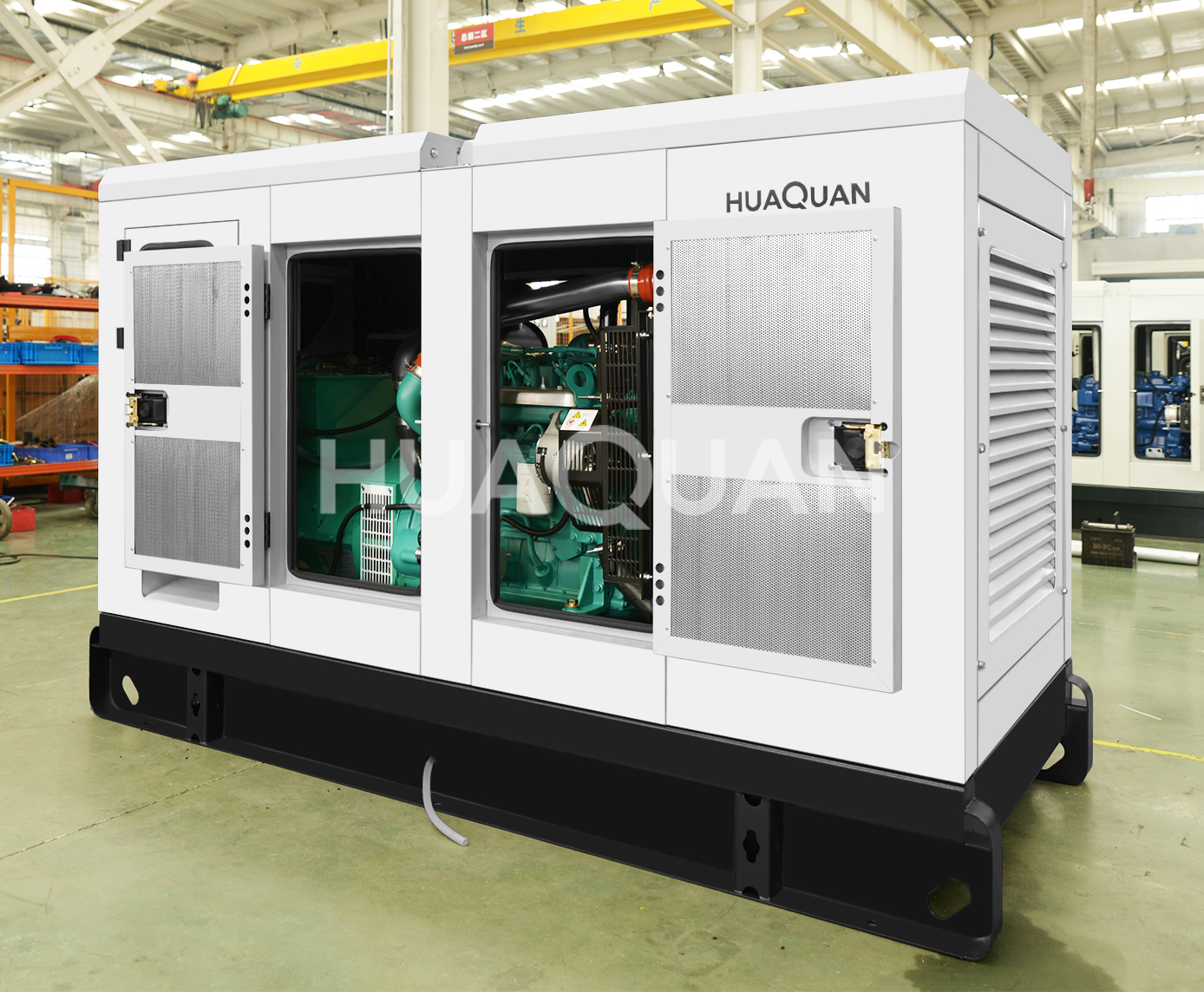
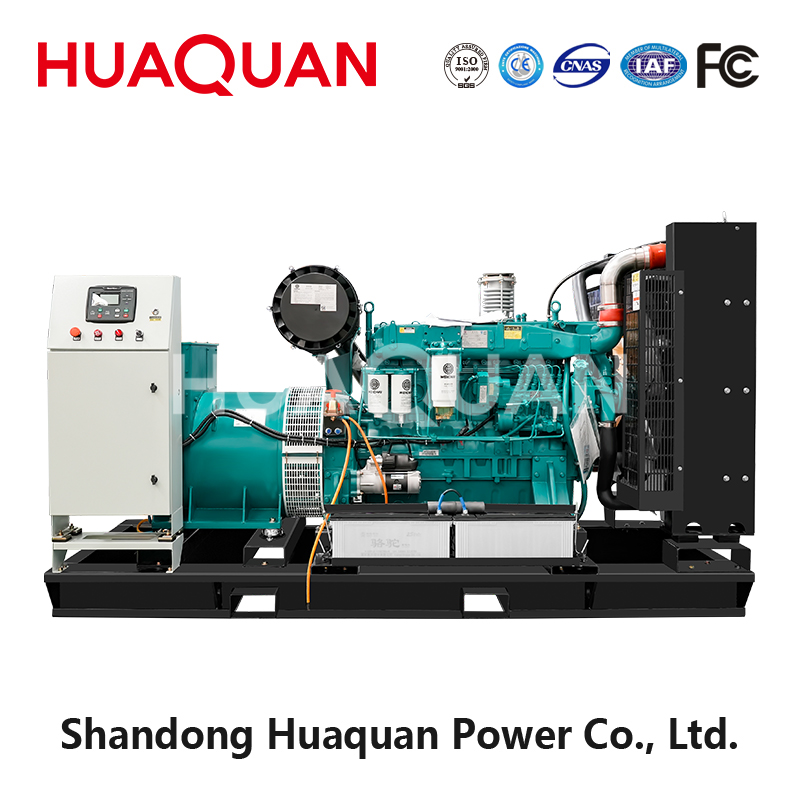
Prime kragopwekkers is gebou met swaarder komponente. Spesifiek, hulle het groter verkoelingstelsels, meer robuuste enjins, en beter brandstofstelsels. As gevolg hiervan, prima krag vs bystand krag verskille verskyn in beide ontwerp en prys. 'n Prima-gegradeerde 100kW kragopwekker kos meer as 'n bystand-gegradeerde 100kW eenheid omdat dit sterker onderdele gebruik.
| Prime Power-funksie | Spesifikasie | Hoekom dit saak maak |
|---|---|---|
| Tipe laai | Veranderlike lading (0-100%) | Hanteer wisselende kragbehoeftes |
| Hardloop-ure | Onbeperk per jaar | Geskik vir deurlopende werking |
| Oorladingskapasiteit | 10% vir 1 uur in 12 | Hanteer tydelike vragpunte |
| Tipiese gebruik | Eerste kragbron | Konstruksie terreine, afgeleë fasiliteite |
| Enjin Ontwerp | Swaarder diens komponente | Langer lewe onder voortdurende lading |
Aansoeke vir Prime Power Generators
Prima-gegradeerde kragopwekkers werk die beste waar nutskrag nie beskikbaar of onbetroubaar is nie. Byvoorbeeld, konstruksieterreine dikwels gebruik prima kraggradering kragopwekkers as hul enigste kragbron. Net so, afgeleë mynboubedrywighede maak staat op prima krag vir deurlopende elektrisiteit. Bowendien, datasentrums in gebiede met swak roosterstabiliteit gebruik prima-gegradeerde eenhede vir uitgebreide rugsteun. Die Wikipedia diesel kragopwekker artikel verskaf meer tegniese besonderhede oor kraggraderings.
Wat beteken Standby-kraggradering?
Wanneer vergelyk word prima krag vs bystand krag, standby-gradering dien 'n ander doel. Spesifiek, standby-kraggradering beteken die kragopwekker verskaf slegs noodkrag tydens kragonderbrekings. Verder, dit loop teen 'n konstante las met geen oorlaaivermoë nie. Daarby, bystand-gegradeerde kragopwekkers moet nie meer as 200 ure per jaar. Daarom, hierdie gradering pas by rugsteuntoepassings waar nutskrag normaalweg beskikbaar is.
Standby kragopwekkers is ligter gebou as prima-gegradeerde eenhede. Byvoorbeeld, hulle het dalk kleiner verkoelingstelsels en ligter enjinblokke. Gevolglik, hulle kos minder, maar kan nie deurlopende werking hanteer nie. Die prima krag vs bystand krag onderskeid maak saak, want die gebruik van 'n bystandgenerator as prima krag sal voortydige onderbreking veroorsaak.
| Standby-kragfunksie | Spesifikasie | Hoekom dit saak maak |
|---|---|---|
| Tipe laai | Slegs konstante lading | Kan nie lasvariasies bo gradering hanteer nie |
| Hardloop-ure | Maksimum 200 ure/jaar | Slegs noodgebruik |
| Oorladingskapasiteit | Geen | Moet nie gegradeerde kapasiteit oorskry nie |
| Tipiese gebruik | Noodrugsteun | Hospitale, kommersiële geboue |
| Enjin Ontwerp | Ligter komponente | Laer koste, korter verwagte looptyd |
Aansoeke vir bystandkragopwekkers
Standby-gegradeerde kragopwekkers is ideaal vir fasiliteite met betroubare nutskrag. Eerstens, hospitale gebruik standby-kraggradering kragopwekkers om kritieke stelsels tydens onderbrekings in stand te hou. Volgende, kantoorgeboue installeer bystandeenhede om ligte en rekenaars aan die gang te hou. Verder, vervaardigingsaanlegte gebruik bystandkragopwekkers om toerusting te beskerm en produksieverliese te voorkom. Besoek Huaquan Power diesel kragopwekkers vir geskikte opsies.
Prime Power vs Standby Power: Sleutelverskille
| Kenmerk | Eerste krag | Standby Krag |
|---|---|---|
| Laai profiel | Veranderlik (0-100%) | Slegs konstant |
| Jaarlikse Loopure | Onbeperk | Maks 200 ure |
| Oorladingskapasiteit | 10% vir 1 uur in 12 | Geen |
| Tipiese gradering | Laer kW vir dieselfde enjin | Hoër kW vir dieselfde enjin |
| Prys | Hoër (10-15% meer) | Laer |
| Waarborg | Dek deurlopende gebruik | Beperkte ure dekking |
| Beste toepassing | Off-grid, deurlopend | Rugsteun, noodgeval |
Hoe om te kies tussen Prime- en Standby-graderings?
Kies prima krag vs bystand krag hang af van jou aansoek. Eerstens, beantwoord hierdie vrae:
| Vraag | Indien Ja, Kies | Rede |
|---|---|---|
| Sal die kragopwekker meer loop as 200 ure/jaar? | Eerste krag | Standby-gradering beperk looptyd |
| Is die kragopwekker die primêre kragbron? | Eerste krag | Ontwerp vir deurlopende gebruik |
| Sal vragte aansienlik verskil? | Eerste krag | Hanteer veranderlike vragte beter |
| Is nutskrag betroubaar? | Standby Krag | Laer koste vir rugsteungebruik |
| Het jy oorladingskapasiteit nodig? | Eerste krag | Standby het geen oorlading nie |
Koste Vergelyking
By die evaluering prima krag vs bystand krag koste, oorweeg beide aanvanklike prys en lewensikluskoste. Eerstens, 'n prima-gegradeerde kragopwekker kos 10-15% meer vooraf. Egter, as jy 'n bystandkragopwekker verder moet laat loop 200 ure, jy loop die risiko om die waarborg te vernietig en voortydige mislukking te veroorsaak. Daarom, die kragopwekkers besluit moet ooreenstem met jou werklike gebruikspatroon.
Byvoorbeeld, 'n 100kW bystand kragopwekker kan kos $25,000 terwyl 'n prima-gegradeerde 100kW eenheid kos $28,000. Maar as jy die bystand-eenheid bestuur 500 ure per jaar, enjinlewe daal verby 50%. Daarteenoor, die eerste eenheid handhaaf volle lewensverwagting. Lees meer oor Huaquan kragopwekker oplossings.
Hoekom Deurlopende krag Gradering verskil van Prime
Sommige vervaardigers bied ook 'n voortdurende krag gradering. Spesifiek, hierdie gradering laat konstante vragwerking vir onbeperkte ure toe. Egter, anders as prima krag, deurlopende krag het geen oorladingskapasiteit nie. Verder, die las moet konstant bly eerder as veranderlik. Daarom, deurlopende krag pakke toepassings soos basis-vrag kragsentrales waar las nooit verander nie.
| Graderingstipe | Tipe laai | Ure/jaar | Oorlading |
|---|---|---|---|
| Eerste krag | Veranderlik | Onbeperk | 10% beskikbaar |
| Deurlopende krag | Slegs konstant | Onbeperk | Geen |
| Standby Krag | Slegs konstant | Maks 200 | Geen |
Gereelde Vrae
V1: Kan ek 'n bystandkragopwekker vir prima kragtoepassings gebruik?
Eerstens, met behulp van 'n bystand kragopwekker vir hoofkrag toepassings sal voortydige enjinonderbreking veroorsaak. Spesifiek, bystand-eenhede het nie die verkoelingskapasiteit en komponentsterkte vir deurlopende werking nie. Verder, verder hardloop 200 ure per jaar maak die meeste waarborge ongeldig. Daarom, altyd ooreenstem kragopwekkers na jou werklike gebruikspatroon.
V2: Hoeveel kos 'n prima kragopwekker in vergelyking met bystand?
Oor die algemeen, prima krag vs bystand krag prys verskil is 10-15%. Spesifiek, prime-rated generators use heavier components and larger cooling systems. Egter, this higher cost provides longer engine life under continuous operation. Daarby, prime units often have better warranty coverage for extended use.
V3: What happens if I overload a standby-rated generator?
Overloading a standby-kraggradering generator can cause immediate shutdown or engine damage. Spesifiek, standby generators have no overload capacity. Verder, die brandstofstelsel, verkoelingstelsel, and engine are not sized for extra load. As gevolg hiervan, even brief overloads can cause overheating, piston damage, or turbo failure.
V4: How do I know if I need prime or standby power rating?
To decide between prima krag vs bystand krag, calculate your expected annual run hours. Eerstens, if you expect more than 200 ure per jaar, choose prime power. Volgende, if loads vary widely, prime power handles this better. Verder, if you need the generator as your main power source, prime rating is required. Andersins, standby rating works for backup applications.
V5: Do prime power generators last longer than standby?
Prime-rated generators are built for longer service life under continuous operation. Spesifiek, they have heavier engine blocks, better cooling, and robust fuel systems. Egter, albei prima kraggradering en standby-kraggradering units can last 20,000-30,000 hours with proper maintenance. The key is matching the rating to your actual use case.
Gevolgtrekking: Kies die regte gradering vir jou behoeftes
Opsommend, begrip prima krag vs bystand krag is essential for selecting the right generator. Eerstens, choose prime power for continuous operation, variable loads, or off-grid applications. Volgende, choose standby power for emergency backup where utility power is reliable. Verder, always match the generator rating to your actual usage pattern. Uiteindelik, kontak Huaquan Power vir deskundige leiding oor kragopwekkers and selection.
⚡ Verken verwante oplossings
- 🏭 500kW diesel kragopwekker
- 🏭 1000kW diesel kragopwekker
- 🏭 500kW YC Diesel Generator
- 🔧 KMS (Cummins/Doosan) Reeks
- 🔧 SC (SDEC) Reeks
- 📋 Diesel kragopwekker stelle
- 📋 Bestelproses - Hoe om te koop
- 📋 Kontak ons
💡 Benodig 'n pasgemaakte oplossing? Kontak ons ingenieurspan vir projekspesifieke aanbevelings.