What Is the Difference Between Prime Power and Standby Power Ratings?
The main difference between prime power vs standby power ratings is that prime power allows continuous operation at variable loads for unlimited hours, while standby power is designed for emergency use at constant load for limited hours. Específicamente, prime power rating typically allows 10% overload capability for 1 hour in 12, mientras standby power rating has no overload capacity and is limited to 200 hours per year. Understanding Energía del generador calificaciones is essential for selecting the right unit for your application.
What Does Prime Power Rating Mean for Generadores?
Prime power vs standby power ratings define how a generator can be used. En primer lugar, prime power rating means the generator can supply power continuously at variable loads. Además, it can run for unlimited hours per year under normal conditions. Además, prime-rated generators can handle a 10% overload for 1 hour out of every 12 horas. Por lo tanto, this rating suits applications where the generator is the primary power source or runs for extended periods.
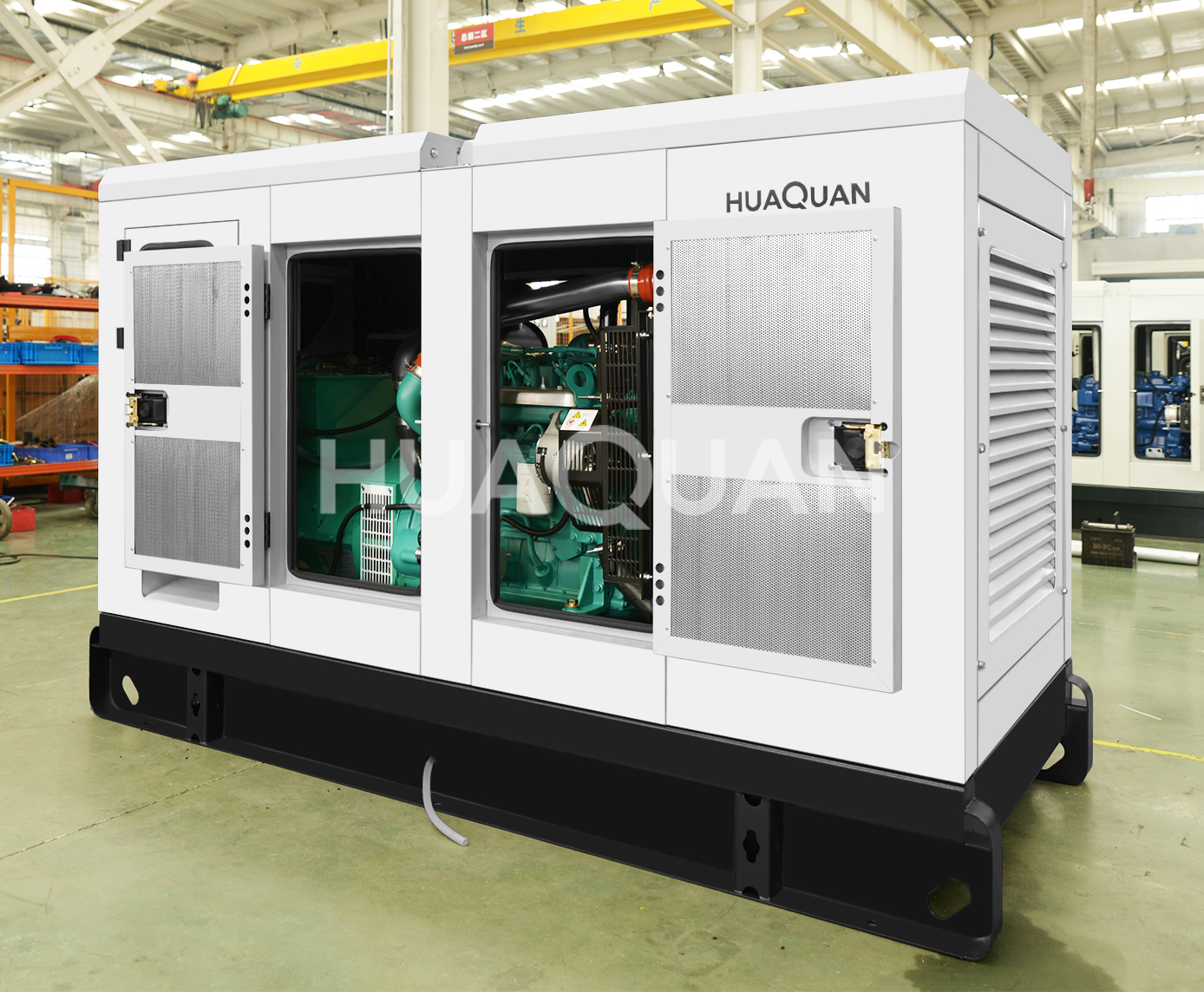
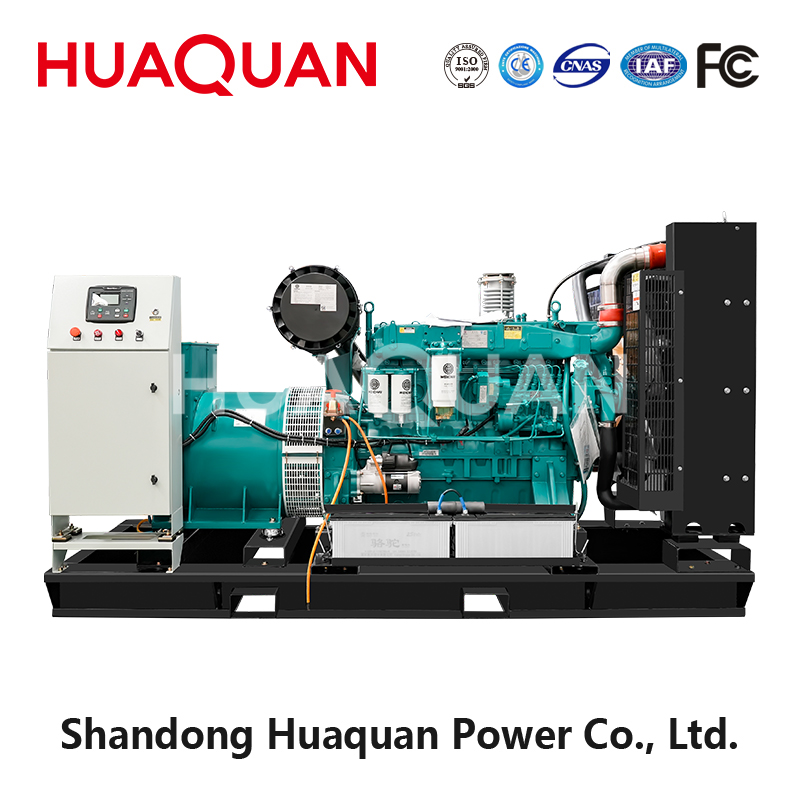
Prime power generators are built with heavier components. Específicamente, they have larger cooling systems, more robust engines, and better fuel systems. Como resultado, prime power vs standby power differences show up in both design and price. A prime-rated 100kW generator costs more than a standby-rated 100kW unit because it uses stronger parts.
| Prime Power Feature | Especificación | Por qué es importante |
|---|---|---|
| Tipo de carga | Variable load (0-100%) | Handles fluctuating power demands |
| Run Hours | Unlimited per year | Suitable for continuous operation |
| Overload Capacity | 10% para 1 hour in 12 | Handles temporary load spikes |
| Typical Use | Prime power source | Sitios de construcción, remote facilities |
| Diseño de motor | Heavier duty components | Longer life under continuous load |
Applications for Prime Power Generators
Prime-rated generators work best where utility power is unavailable or unreliable. Por ejemplo, construction sites often use prime power rating generators as their only power source. Similarmente, remote mining operations rely on prime power for continuous electricity. Además, data centers in areas with poor grid stability use prime-rated units for extended backup. El Wikipedia diesel generator article provides more technical details on power ratings.
What Does Standby Power Rating Mean?
When comparing prime power vs standby power, standby rating serves a different purpose. Específicamente, standby power rating means the generator supplies emergency power during utility outages only. Además, it runs at a constant load with no overload capacity. Además, standby-rated generators should operate no more than 200 hours per year. Por lo tanto, this rating suits backup applications where utility power is normally available.
Standby generators are built lighter than prime-rated units. Por ejemplo, they may have smaller cooling systems and lighter engine blocks. Como consecuencia, they cost less but cannot handle continuous operation. El prime power vs standby power distinction matters because using a standby generator as prime power will cause premature failure.
| Standby Power Feature | Especificación | Por qué es importante |
|---|---|---|
| Tipo de carga | Constant load only | Cannot handle load variations above rating |
| Run Hours | Maximum 200 hours/year | Emergency use only |
| Overload Capacity | None | Must not exceed rated capacity |
| Typical Use | Emergency backup | hospitales, edificios comerciales |
| Diseño de motor | Lighter components | Lower cost, shorter expected run time |
Applications for Standby Power Generators
Standby-rated generators are ideal for facilities with reliable utility power. Primero, hospitals use standby power rating generators to maintain critical systems during outages. Próximo, office buildings install standby units to keep lights and computers running. Además, manufacturing plants use standby generators to protect equipment and prevent production losses. Visita Huaquan Power diesel generators for suitable options.
Prime Power vs Standby Power: Key Differences
| Característica | poder principal | Energía en espera |
|---|---|---|
| Perfil de carga | Variable (0-100%) | Constant only |
| Annual Run Hours | Unlimited | Max 200 horas |
| Overload Capacity | 10% for 1hr in 12 | None |
| Typical Rating | Lower kW for same engine | Higher kW for same engine |
| Price | Más alto (10-15% más) | Más bajo |
| Garantía | Covers continuous use | Limited hours coverage |
| Mejor aplicación | Fuera de la red, continuo | Respaldo, emergencia |
How to Choose Between Prime and Standby Ratings?
Choosing prime power vs standby power depends on your application. Primero, answer these questions:
| Pregunta | If Yes, Elegir | Razón |
|---|---|---|
| Will the generator run more than 200 hours/year? | poder principal | Standby rating limits run time |
| Is the generator the primary power source? | poder principal | Designed for continuous use |
| Will loads vary significantly? | poder principal | Handles variable loads better |
| Is utility power reliable? | Energía en espera | Lower cost for backup use |
| Do you need overload capacity? | poder principal | Standby has no overload |
Comparación de costos
When evaluating prime power vs standby power costs, consider both initial price and lifecycle costs. Primero, a prime-rated generator costs 10-15% more upfront. Sin embargo, if you need to run a standby generator beyond 200 horas, you risk voiding the warranty and causing premature failure. Por lo tanto, el generator power ratings decision should match your actual usage pattern.
Por ejemplo, a 100kW standby generator might cost $25,000 while a prime-rated 100kW unit costs $28,000. But if you run the standby unit 500 hours per year, engine life drops by 50%. En contraste, the prime unit maintains full life expectancy. Read more about Huaquan Power generator solutions.
Por qué Energía continua Rating Differs from Prime
Some manufacturers also offer a continuous power rating. Específicamente, this rating allows constant load operation for unlimited hours. Sin embargo, unlike prime power, continuous power has no overload capacity. Además, the load must remain constant rather than variable. Por lo tanto, continuous power suits applications like base-load power plants where load never changes.
| Rating Type | Tipo de carga | Hours/Year | Sobrecarga |
|---|---|---|---|
| poder principal | Variable | Unlimited | 10% available |
| Energía continua | Constant only | Unlimited | None |
| Energía en espera | Constant only | Max 200 | None |
Preguntas frecuentes
Q1: Can I use a standby generator for prime power applications?
Primero, using a standby generator for prime power applications will cause premature engine failure. Específicamente, standby units lack the cooling capacity and component strength for continuous operation. Además, running beyond 200 hours per year voids most warranties. Por lo tanto, always match generator power ratings to your actual usage pattern.
Q2: How much does a prime power generator cost compared to standby?
Generalmente, prime power vs standby power price difference is 10-15%. Específicamente, prime-rated generators use heavier components and larger cooling systems. Sin embargo, this higher cost provides longer engine life under continuous operation. Además, prime units often have better warranty coverage for extended use.
Q3: What happens if I overload a standby-rated generator?
Overloading a standby power rating generator can cause immediate shutdown or engine damage. Específicamente, standby generators have no overload capacity. Además, el sistema de combustible, sistema de enfriamiento, and engine are not sized for extra load. Como resultado, even brief overloads can cause overheating, piston damage, or turbo failure.
Q4: How do I know if I need prime or standby power rating?
To decide between prime power vs standby power, calculate your expected annual run hours. Primero, if you expect more than 200 hours per year, choose prime power. Próximo, if loads vary widely, prime power handles this better. Además, if you need the generator as your main power source, prime rating is required. De lo contrario, standby rating works for backup applications.
Q5: Do prime power generators last longer than standby?
Prime-rated generators are built for longer service life under continuous operation. Específicamente, they have heavier engine blocks, better cooling, and robust fuel systems. Sin embargo, both prime power rating y standby power rating units can last 20,000-30,000 hours with proper maintenance. The key is matching the rating to your actual use case.
Conclusión: Choose the Right Rating for Your Needs
En resumen, comprensión prime power vs standby power is essential for selecting the right generator. Primero, choose prime power for continuous operation, variable loads, or off-grid applications. Próximo, choose standby power for emergency backup where utility power is reliable. Además, always match the generator rating to your actual usage pattern. Finalmente, contacto Poder Huaquan for expert guidance on generator power ratings and selection.