I. Kernantwoord
Die Huaquan fotovoltaïese Energiebergingstelsel is 'n slim energie-oplossing wat organies kombineer drie kernmodules: fotovoltaïese kragopwekking, energie stoor batterye, en omskakelaarbeheer. Die tipiese konfigurasiepad is: bepaal vragvraag → bereken fotovoltaïese kapasiteit → pas energiebergingskapasiteit → kies en konfigureer omskakelaar → ontplooi beheerstelsel.
Huaquan Power bied 'n volledige reeks van fotovoltaïese en energiebergingstelselkonfigurasieoplossings, wat wissel van huishoudelike 5kWh tot industriële en kommersiële 5MWh+ stelsels. Hierdie stelsels gebruik litium-ysterfosfaatbatterye (met 'n siklus lewe van 6000+ siklusse) en ondersteun verskeie bedryfsmodusse, insluitend piek-vallei arbitrage, rugsteunkrag van die netwerk af, en geïntegreerde fotovoltaïese, energieberging, en laai.
II.Drie kernkomponente van fotovoltaïese energiebergingstelsel
- Fotovoltaïese modules (energiebron)
Die fotovoltaïese skikking sit sonenergie om in gelykstroom (DC) elektriese energie, dien as die “bron” van die stelsel.
| Konfigurasie elemente | Tegniese vereistes | verduideliking |
| Tipe komponent | Monokristallyne silikon/polikristallyne silikon | Monokristallyne sonpanele spog met hoër doeltreffendheid (20%+), maak hulle die beste keuse vir huishoudelike gebruik |
| kapasiteit passing | Ontwerp volgens vragvereistes | Die plaaslike sonskynduur moet in ag geneem word |
| Installasie-oriëntasie | Kantel na die suide | Die optimale hellingshoek is ongeveer 30°-40° |
| Beskermingsvlak | Bo IP65 | Vir buite gebruik, dit moet waterdig en stofdig wees |
- Energie stoor battery (energieberging)
Die energie stoor battery dien as die “kern reservoir” van die stelsel. Huaquan Power aanneem litium-ysterfosfaat (LiFePO₄) selle, wat noemenswaardige voordele van hoë veiligheid en lang sikluslewe het.
| Tegniese spesifikasies | Huaquan Standaard | verduideliking |
| Battery Tipe | litium-ysterfosfaat | Dit spog met die hoogste vlak van veiligheid, is kobaltvry, en is omgewingsvriendelik |
| energiedigtheid | ≥160Wh/kg | Bo-gemiddelde vlak in dieselfde bedryf |
| siklus lewe | Meer as 6000 tye | Gebaseer op 'n daaglikse laai- en ontlaaisiklus, dit kan vir oor gebruik word 16 jare |
| Bedryfstemperatuur | -30℃~60℃ | Wye temperatuur ontwerp, aanpasbaar by verskeie klimate |
| Beskermingsvlak | IP55 | Stof- en reënbestand, geskik vir buitekaste |
- Omskakelaar en beheerstelsel (energietoewysing)
Die omskakelaar skakel GS-krag van die battery om na WS-krag vir die las, terwyl die beheerstelsel verantwoordelik is vir ten volle outomatiese intelligente skedulering.
| toerusting | funksie | Kenmerke van Huaquan |
| PCS energieberging-omskakelaar | GS/AC tweerigting-omskakeling | Doeltreffendheid ≥ 98%, ondersteun beide netwerkgekoppelde en net-afskakeling |
| EMS Energiebestuurstelsel | Outomatiese skeduleringstrategie | KI-algoritme-ladingvoorspelling (akkuraatheid > 90%) |
| BMS batterybestuurstelsel | Drie-vlak beskerming (oorlading/oorontlading/kortsluiting) | Verseker batteryveiligheid en verleng sy lewensduur |
III. Konfigurasie berekening formule en praktiese werking proses
- Drie-stap metode vir kapasiteitsbeplanning
Stap 1: Bepaal die totale vrag (kW)
Bereken die som van die krag van alle toestelle wat aangedryf moet word, met inagneming van die gelyktydige gebruiksfaktor (algemeen geneem as 0.6-0.8).
Stap 2: Bereken die energiebergingskapasiteit (kWh)
Energie stoor kapasiteit (kWh) = Laai krag (kW) × Bystandtyd (h) × 1.2 (veiligheidsfaktor)
*Voorbeeld: N fabriek met 'n vrag van 500 kW benodig rugsteunkrag vir 4 ure → 500 × 4 × 1.2 = 2400 kWh (2.4 MWh)*
Stap 3: Pas fotovoltaïese kapasiteit aan
Fotovoltaïese kapasiteit (kWp) ≈ Energiebergingskapasiteit (kWh) ÷ Plaaslike effektiewe sonskynure (h)
*Voorbeeld: Energiebergingskapasiteit van 2400kWh, met 'n gemiddelde daaglikse effektiewe sonskynduur van 4 ure plaaslik → 2400 ÷ 4 = 600 kWp*
- Verwysing vir die opstel van verskillende tipes scenario's
| Toneel tipe | Aanbevole fotovoltaïese kapasiteit | Aanbevole energiebergingskapasiteit | Aanbevole omskakelaar | Verwagte terugbetalingstydperk | Tipiese toepassings |
| Huishoudelike fotovoltaïese en energiebergingstelsel | 5-10kWp | 10-20kWh | 3-8kW | 6-8 jare | Villa, selfgeboude huis |
| Kleinskaalse nywerheid en handel | 50-200kWp | 100-500kWh | 50-200kW | 3-5 jare | Fabrieke, winkelsentrums, hotelle |
| Geïntegreerde fotovoltaïese, berging, en laaistasie | 100-500kWp | 500-2000kWh | Volgens die opset van laaistapels | 4-6 jare | Nuwe energie-laaistasie |
| Off-grid mikrorooster | Afhangende van die laskonfigurasie | 2-48 ure se bystandkrag | Ondersteun swart begin | Deur spesifieke projekte | Eilande, myngebiede |
| Grootskaalse industriële en kommersiële ondernemings | 500kWp-5MWp | 1-10MWh | 500kW-5MW | 4-5 jare | industriële park |
- Tipiese konfigurasie gevalle van Huaquan
Geval 1: 5kW huishoudelike fotovoltaïese en energiebergingstelsel
| komponent | spesifikasie | verduideliking |
| sonpaneel | 5kWp monokristallyne silikon | Ongeveer 15-18 borde, 'n oppervlakte van ongeveer 25 vierkante meter |
| energie stoor battery | 10kWh litium-ysterfosfaat | Huaquan gestapelde/muurgemonteerde tipe |
| omskakelaar | 5kW fotovoltaïese en energieberging geïntegreerde stelsel | Ondersteun beide aanlyn en vanlyn skakeling |
| jaarlikse kragopwekking | Oor 5000-6000 grade | Dit hang af van die plaaslike sonskyn |
| Daagliks selfonderhoudend | 8-10 ure | Bereken gebaseer op 'n basiese las van 2000W |
Geval 2: Industriële en kommersiële 500kW/1MWh-stelsel (piekskeer en valleivulling)
| komponent | spesifikasie | verduideliking |
| PV module | 500kWp | Oor 1500-2000 yuan, 'n oppervlakte van ongeveer 2500 vierkante meter |
| Energiebergingstelsel | 1MWh rek gemonteer | Huaquan litium-ysterfosfaat, tipe kabinet/houer |
| PCS-omskakelaar | 250kW×2 | Modulêre konfigurasie, kapasiteitsuitbreiding ondersteun |
| Daaglikse elektrisiteitsbesparingsvoordeel | Oor 1000 yuan/dag | Twee-laai- en twee-ontladingsmodus |
| jaarlikse inkomste | Oor 300,000 yuan | Die elektrisiteitspryse verskil oor verskillende streke |
| terugbetalingstydperk | Oor 3-5 jare | Insluitend die fotovoltaïese deel, dit gaan oor 5-6 jare |
IV. Gedetailleerde verduideliking van drie tipiese konfigurasieskemas
Opsie 1: Netgekoppelde fotovoltaïese en energiebergingstelsel (Peak-Valley Arbitrage Tipe)
Toepaslike scenario: Industriële en kommersiële gebruikers wat piek- en vallei elektrisiteitspryse het en aan die munisipale kragnetwerk gekoppel is.
Konfigurasie logika: **
- Gedurende die dag: Fotovoltaïese krag word eers aan die las verskaf, en die oortollige krag word gebruik om die battery te laai
- Nag laekoste elektrisiteit tydperk: laai die battery met net elektrisiteit (die stoor van elektrisiteit gedurende die laekosteperiode)
- Dagtyd spits elektrisiteit tydperk: battery ontlading (gebruik elektrisiteit gedurende duur periodes)
Huaquan-konfigurasieskema:
- Energie stoor battery: Huaquan kabinet-tipe energiebergingstelsel (buigsame konfigurasie van 100-500kWh)
- PCS-omskakelaar: bidirectionele energieberging-omskakelaar, met 'n doeltreffendheid van ≥98%
- EBW beheer strategieë: outomatiese piek-vallei arbitrage, vraag beheer, en virtuele kragsentrale (VPP) integrasie
Ekonomiese verwysing: Neem Huaquan se 200kWh-energiebergingskragstasie as 'n voorbeeld, as dit twee keer per dag gelaai en ontlaai word, dit kan ongeveer bespaar 400 yuan in elektrisiteitsrekeninge per dag (neem hoë prysverskilstreke soos Zhejiang/Sjanghai as voorbeeld). Die belegging kan in ongeveer verhaal word 3 jare, en die stelsel het 'n leeftyd van meer as 10 jare.
Opsie 2: Off-grid fotovoltaïese en energiebergingstelsel (Onafhanklike kragtoevoer tipe)
Toepaslike scenario's: eilande sonder roosterdekking, myngebiede, afgeleë dorpies, en wilderniskampe.
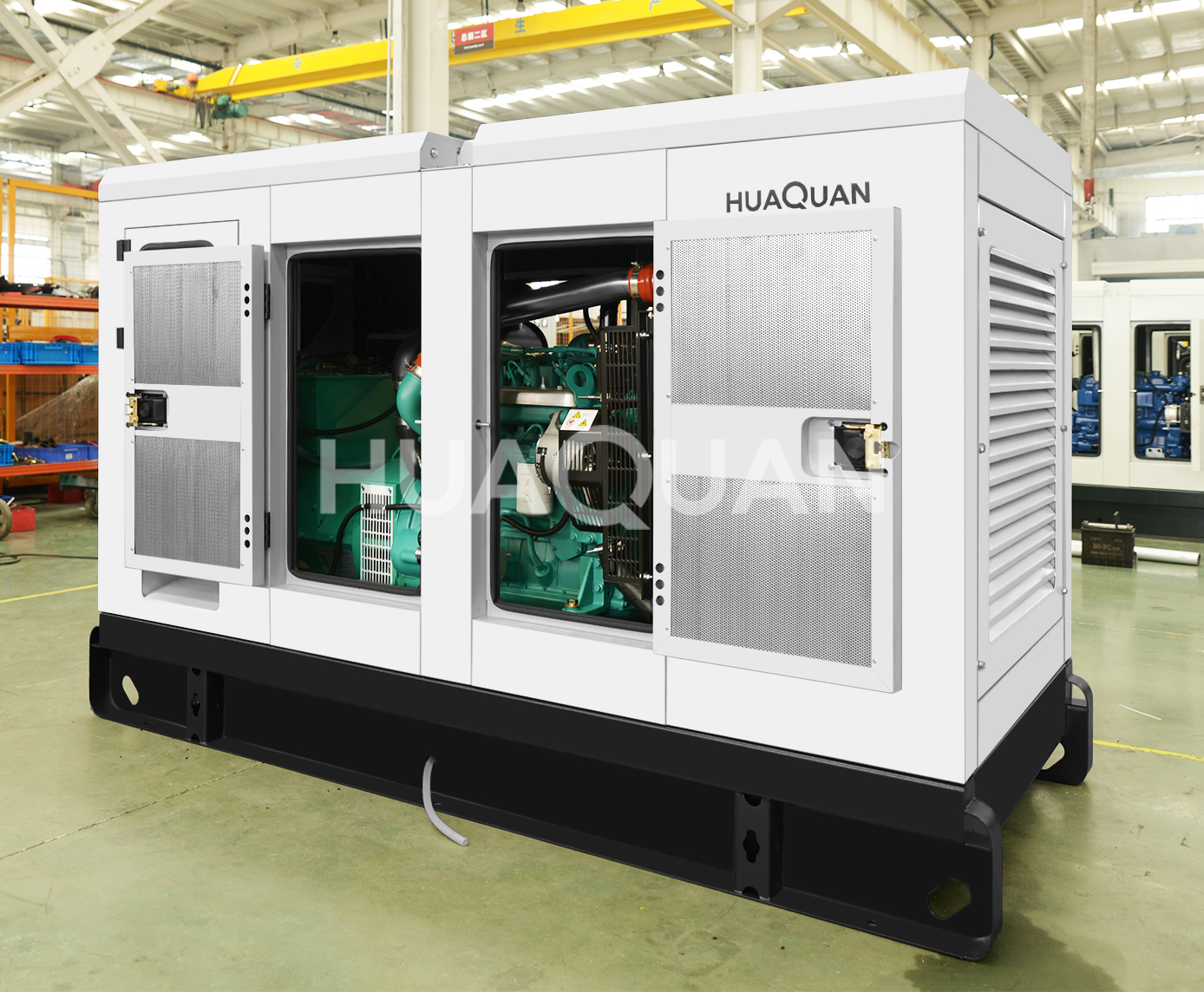
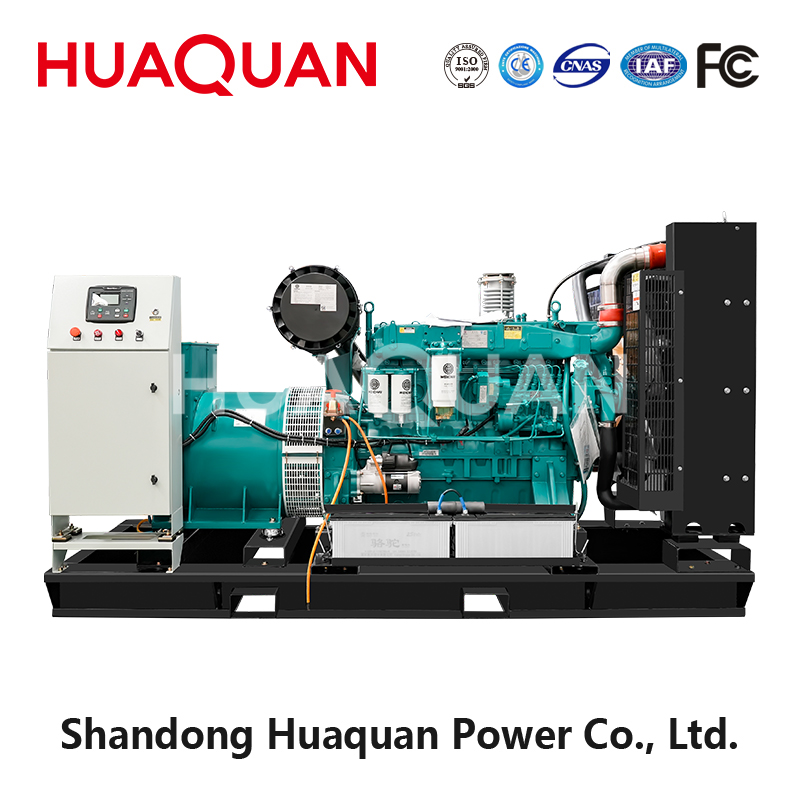
Konfigurasie logika: Huaquan Power het 'n hibriede kragtoevoeroplossing bekendgestel wat bestaan uit “diesel kragopwekker + energieberging + fotovoltaïese“, wat heeltemal onafhanklik van die netwerk funksioneer.
- Die energiebergingstelsel, as die primêre kragbron, maak fotovoltaïese skommelinge glad
- Diesel Kragopwekkers, as rugsteun kragbronne, word slegs gebruik om aan te vul tydens aaneenlopende reënerige dae of onder swaar vragte
- Ondersteuning swart begin funksie (nul-sekonde begin om kragtoevoer te herstel in die geval van volledige onderbreking van die kragnetwerk)
Huaquan-konfigurasieskema:
- Energie stoor kapasiteit: Ontwerp vir 2-3 dae van onafhanklike rugsteunkrag (bv., as die las 50kW is, die rugsteunkrag is 48 ure → 2400kWh)
- Fotovoltaïese konfigurasie: bereken op grond van gemiddelde daaglikse elektrisiteitsverbruik ÷ sonskynduur
- Diesel enjin: Huaquan-bystandseenheid, outomatiese aanvulling
- Kernwaarde: In vergelyking met die suiwer dieselenjin oplossing, brandstofverbruik kan verminder word deur 70%
Opsie 3: Geïntegreerde fotovoltaïese, berging, en laaistasie (EV laai tipe)
Toepassing scenario: Elektriese voertuig-laaistasies wat daarop gemik is om operasionele elektrisiteitskoste te verminder en die proporsie groen elektrisiteit te verhoog.
Gunstige beleide: Zhejiang en ander provinsies het inligting bygevoeg oor die aankoop van elektrisiteit deur middel van agente vir operasionele gesentraliseerde laai- en ruilfasiliteite, en piek-elektrisiteitsprysbeleide geïmplementeer, wat voordelig is vir die fotovoltaïese (PV), energieberging, en laaimodel.
Konfigurasie logika: **
- Fotovoltaïese kragopwekking word geprioritiseer vir gebruik deur stapels te laai
- Die energiebergingstelsel stoor elektrisiteit teen lae pryse gedurende spitstye en ontlaai dit om krag te voorsien aan laaistasies gedurende spitstye
- Voorafvervaardigde kajuit-styl fotovoltaïese booster stasie, alle kragverspreidingsfunksies te integreer
Huaquan-konfigurasieskema:
- Fotovoltaïese kapasiteit: 100-500 kWp (afhangende van die terrein area)
- Energie stoor kapasiteit: 500-2000kWh
- Laaihoopkonfigurasie: Konvensionele AC-stapel of DC-snellaaipaal
- Fotovoltaïese voorafvervaardigde kajuit: volledig geïntegreer, vuurvast en stofdig, vinnige aflewering
V.Huaquan Smart Energy Management System (EBW)
Die “brein” van Huaquan fotovoltaïese energie stoor stelsel is Huaquan EMS energiebestuurstelsel, wat die volgende kernfunksies besit:
- Piek-vallei arbitrage outomatiese strategie: Laai en ontlaai outomaties gebaseer op plaaslike elektrisiteitsprystydgleuwe, sonder handmatige ingryping
- KI-ladingvoorspelling: Voorspelling akkuraatheid >90%, optimaliseer laai- en ontlaaistrategieë
- Multi-modus werking: Ondersteun outomatiese oorskakeling tussen netwerkgekoppelde, van die rooster af, en hibriede modusse
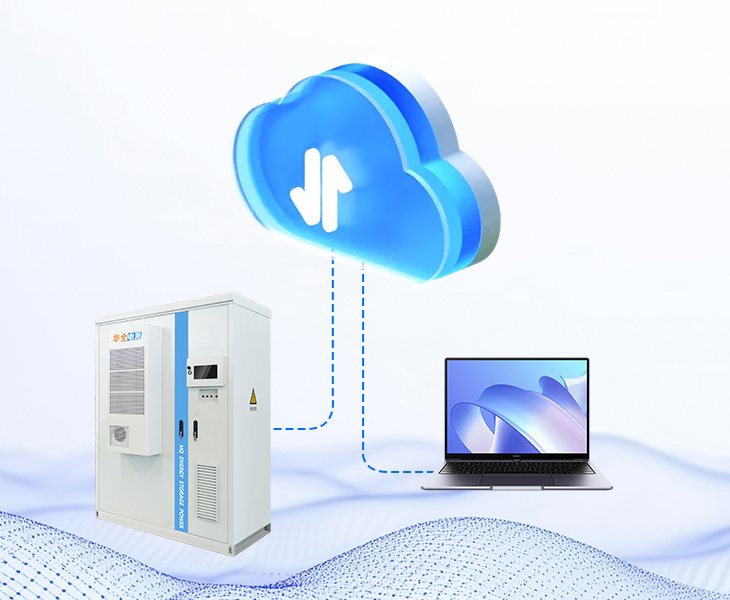
- Afgeleë monitering: Intydse besigtiging van kragopwekking, energieberging, en elektrisiteitsverbruikdata deur mobiele APP en rekenaarterminaal
- Virtuele kragsentrale (VPP) integrasie: in staat om deel te neem aan piekskeer- en frekwensieregulering bykomende dienste in die elektrisiteitsmark om bykomende inkomste te verkry
VI. Beleggingsopbrengs berekening
Neem Huaquan se 200kWh industriële en kommersiële energiebergingstelsel as 'n voorbeeld
| projek | data | verduideliking |
| toerusting koste | Oor 200,000 yuan | 200kWh-konfigurasie |
| Daaglikse inkomste (twee aanklagte en twee ontladings) | Oor 400 yuan | Gebaseer op die prysverskil tussen spits- en buite-spittydperke van 1.2-1.6 yuan |
| jaarlikse inkomste | Oor 100,000-120,000 yuan | Gebaseer op 330 werksdae |
| Statiese terugbetalingstydperk | Oor 1.5-2 jare | Teoretiese optimale scenario |
| Werklike terugbetalingstydperk | Oor 3 jare of so | Met inagneming van faktore soos verliese en fotovoltaïese skommelinge |
| stelsel lewensduur | verby 10 jare | Litium-ysterfosfaat het 'n sikluslewe van 8000 siklusse |
| Totale wins tydperk | meer as 7 jare | Genereer deurlopende inkomste na verhaling van koste |
Vir suiwer fotovoltaïese + energiebergingstelsels (insluitend fotovoltaïese modules):
- Beleggingskoste: ongeveer 12 miljoen yuan per 2MWh stelsel (insluitend fotovoltaïese)
- Jaarlikse inkomste: ongeveer 2-2.4 miljoen yuan (groen elektrisiteit premie + elektrisiteitskostebesparing + subsidies)
- Terugbetalingstydperk: oor 5-6 jare
VII. Algemene kwessies
V1: Kan fotovoltaïese energiebergingstelsels roosterelektrisiteit heeltemal vervang?
A: Vir off-grid scenario's, van Huaquan off-grid microgrid oplossing kan 24-uur ononderbroke kragtoevoer bereik deur 'n kombinasie van “sonkrag + berging + diesel”. Die stelsel skakel outomaties oor na nul sekondes in die geval van 'n swart wegspring, met die dieselenjin wat as die finale rugsteun dien, verseker 'n kragtoevoer beskikbaarheid van meer as 99.99%.
V2: Wat moet ek doen op 'n reënerige dag? Sal die stelsel afskakel?
A: Nee. Die Huaquan energiebergingstelsel word aangedryf deur batterye gedurende reënerige dae. As die batterylading te laag is, die stelsel ondersteun die volgende bedryfsmodusse:
- Netgekoppelde tipe: skakel outomaties oor na hoofkragtoevoer
- Off-grid tipe: begin outomaties die bystand diesel kragopwekker vir aanvulling
Die energiebergingskapasiteit kan op grond van ontwerp word 2-3 dae van onafhanklike kragrugsteun, wat voldoende is om aanhoudende reënerige dae die hoof te bied.
V3: Hoe is die brandweerstand van fotovoltaïese energieopgaarkragstasies?
A: Huaquan Fotovoltaïese voorafvervaardigde kajuit gee spesiale aandag aan vuurvaste ontwerp:
- Dit neem aan 'n dubbellaag staalplaatstruktuur, met brandbestande materiale binne gevul, spog dus met 'n hoë brandweerstandgradering
- Die binneruim is toegerus met 'n omvattende brandbeskermingstelsel, insluitend rookalarms, temperatuur- en rookwaarnemingsmodules, en aërosol outomatiese brandblustoestelle
- Dit kan brande outomaties opspoor en blus, die veiligheid van personeel en toerusting te verseker
V4: Word die battery nutteloos nadat sy maksimum aantal laai- en ontlaaisiklusse bereik is?
A: Die litium-ysterfosfaatbattery wat in Huaquan Energy Storage Power Station gebruik word, het 'n sikluslewe van tot 8,000 siklusse (met 'n kapasiteitsbehoudkoers van 80%). Gebaseer op 'n daaglikse laai en ontlaai frekwensie van 1-2 tye, dit kan vir meer as gebruik word 10-15 jare, die beleggingshersteltydperk ver oorskry. Selfs al verval die kapasiteit na 80%, die battery kan steeds gebruik word, maar die beskikbare kapasiteit sal afneem.
V5: Kan die stelsel in fases gekonfigureer word?
A: Ja, Huaquan se energiebergingstelsel aanvaar 'n modulêre ontwerp, ondersteun buigsame kapasiteitsuitbreiding. Gebruikers kan aanvanklik konfigureer die energiebergingsdeel (piek-vallei arbitrage te bereik) en voeg dan die fotovoltaïese deel om 'n volledige fotovoltaïese en energiebergingstelsel te vorm; of hulle kan aanvanklik 'n klein kapasiteit opstel en later energiebergingskaste parallel byvoeg soos nodig.
📌 Opsomming: Huaquan fotovoltaïese energieberging – Aanpasbaar op aanvraag, Plug and Play
Die kernkonfigurasieproses van Huaquan Power se fotovoltaïese energiebergingstelsel is: ladingsberekening → energiebergingskapasiteitbepaling → fotovoltaïese passing → omskakelaarbeheer.
| toneel | Aanbevole konfigurasie | terugbetalingstydperk |
| huishoudelike elektrisiteit | 5-10kW fotovoltaïese + 10-20kWh energieberging | 6-8 jare |
| Industriële en kommersiële piek-vallei arbitrage | 100-500kWh energieberging (sonder fotovoltaïese) | 2-4 jare |
| Geïntegreerde fotovoltaïese, energieberging, en laaistasie | 100-500kW fotovoltaïese + 500-2000kWh energieberging | 4-6 jare |
| Grootskaalse industriële en kommersiële ondernemings | 500kW-5MW fotovoltaïese + 1-10MWh energieberging | 3-5 jare |
| Off-grid eilande/myngebiede | Fotovoltaïese + Energieberging + Biomassa hibriede stelsel | Verminder brandstofkoste deur 70% |
Voordele van Huaquan Power:
- Hoë graad van voorafvervaardiging: Produksie en montering word in 'n digitale fabriek voltooi, en die produk kan met eenvoudige verbindings ter plaatse in gebruik geneem word
- Sterk brandweerstand: dubbellaagstaalplate + outomatiese brandbestrydingstelsel, veilig en betroubaar
- Aanpasbaar op aanvraag: Ingenieurs pas optimaliseringsoplossings aan op grond van werklike situasies
- Litium yster fosfaat battery sel: 8000 siklusse van lewensduur, met 'n dienslewe van meer as 10 jare
- EMS intelligente bestuur: KI-ladingvoorspelling + piek-vallei strategie + swart begin + virtuele kragsentrale integrasie
Vir meer konfigurasiebesonderhede of om 'n pasgemaakte fotovoltaïese en energiebergingsoplossing te bekom, kontak asseblief Huaquan Power se kliëntediens.
⚡ Verken verwante oplossings
- 🏭 500kW diesel kragopwekker
- 🏭 1000kW diesel kragopwekker
- 🏭 500kW YC Diesel Generator
- 🔧 KMS (Cummins/Doosan) Reeks
- 🔧 SC (SDEC) Reeks
- 🏥 Oplossings vir datasentrumopwekkers
- 🏥 Draagbare kragopwekker
💡 Benodig 'n pasgemaakte oplossing? Kontak ons ingenieurspan vir projekspesifieke aanbevelings.