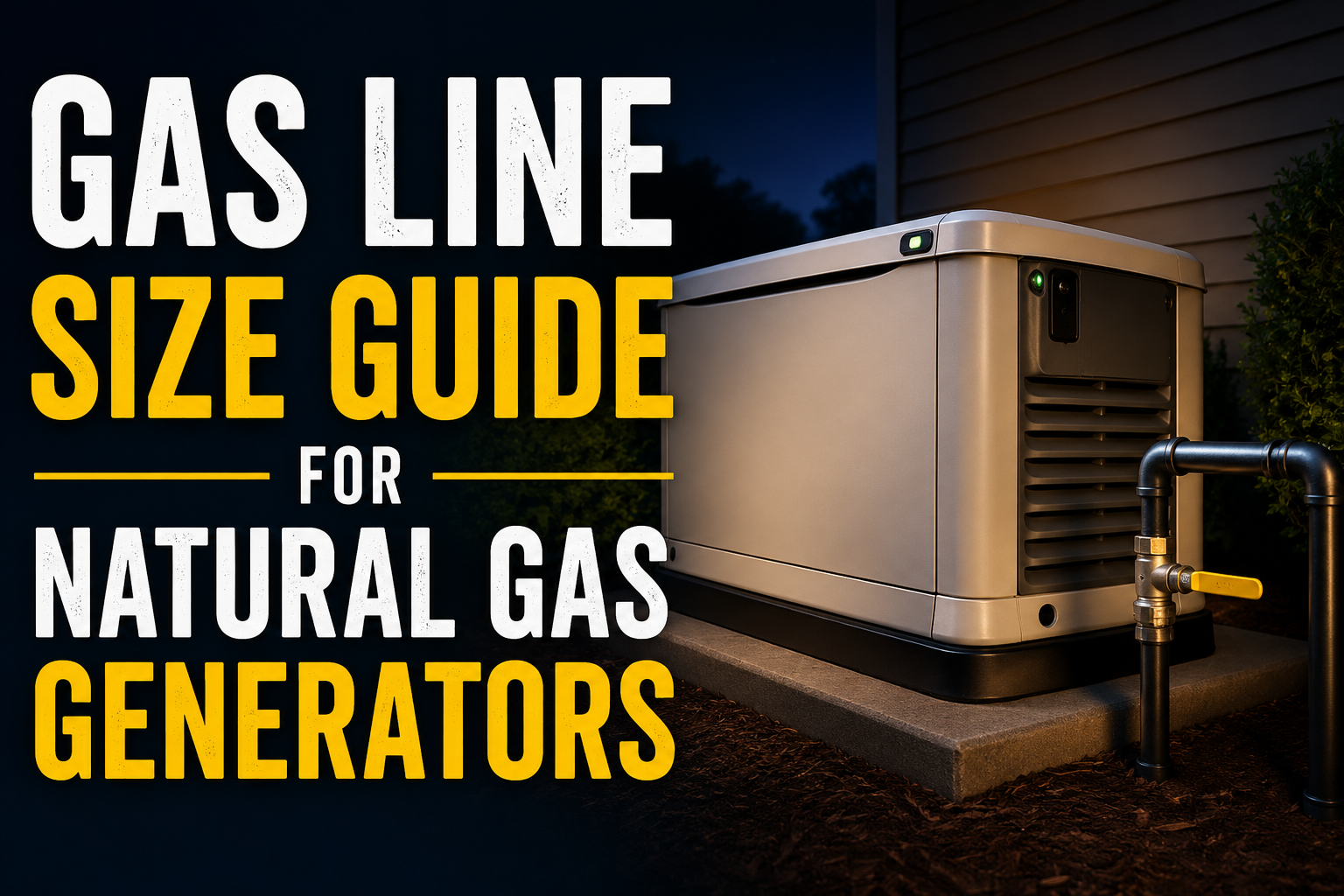
Gas Line Size plays a critical role in any natural Gas kragopwekker installasie. If the pipe supplying fuel is too small, the engine simply cannot receive the volume of gas it needs to operate properly. This outcome causes fuel starvation, difficult starts, major power loss, unexpected shutdowns when loads increase, and poor overall performance.
Natural gas systems operate under very specific pressure ranges and ensuring the correct sizing of piping involves adherence to approved codes, manufacturer requirements, and careful calculations. Really, even the strongest generator is not dependable if the fuel system can’t keep up during a power failure.
In hierdie gids deur Huaquan, learn the importance of proper Gas Line Size for natural gas Kragopwekkers. Avoid fuel starvation, pressure loss, shutdowns, performance issues, en duur herstelwerk.
What Is Gas Line Size?
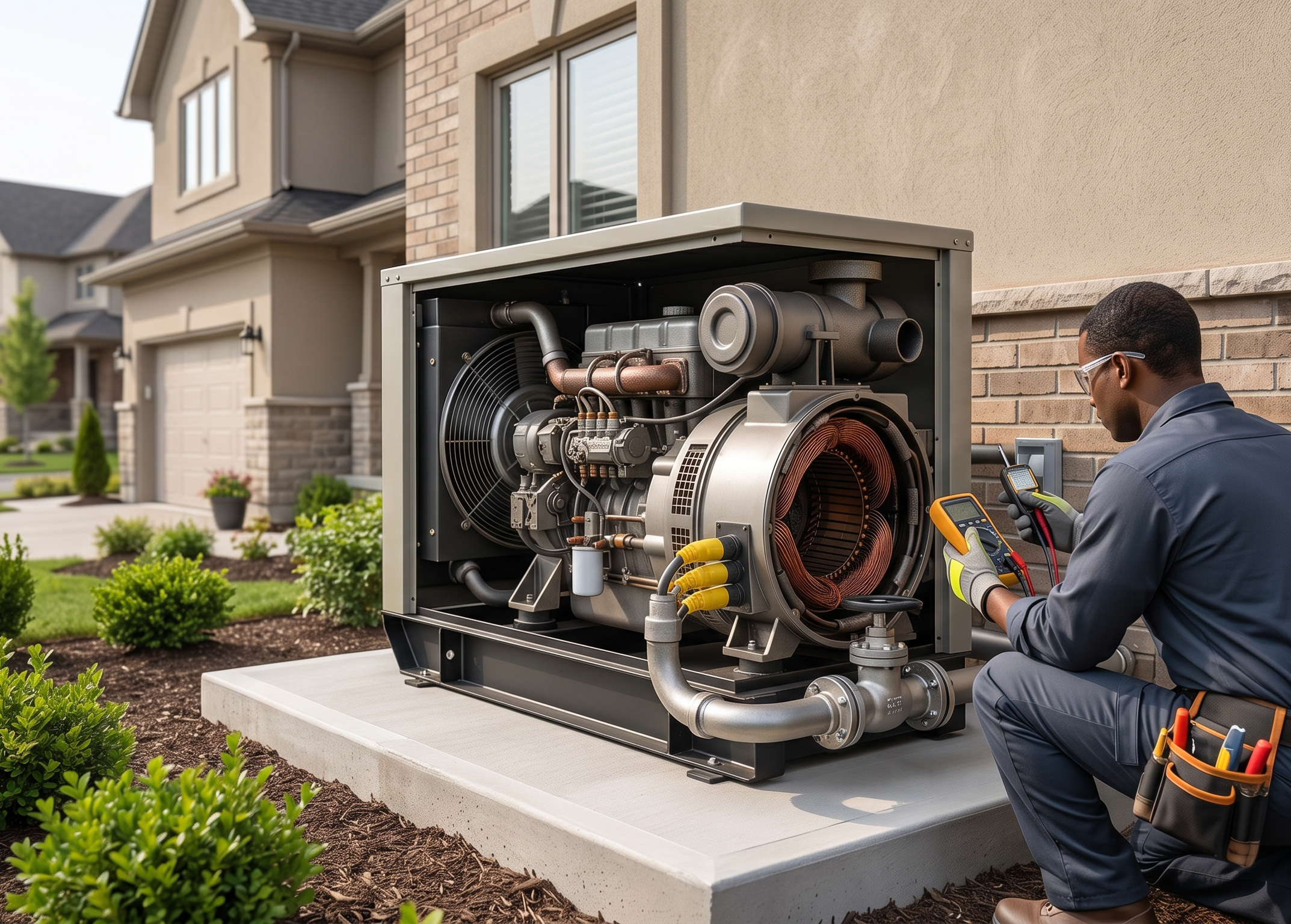
Gas line size defines the inside diameter of the pipe and the volume of natural gas that the pipe is able to safely transport from the gas meter to the generator engine. Aardgas, unlike water, compresses and expands, and its behavior will vary with the size of the pipe and operating conditions.
A fuel line of adequate size will provide the engine with the correct amount of gas and not create any appreciable pressure loss even when the generator is far from the main gas meter.
Why Gas Line Size Matters for Natural Gas Generators
It Affects Fuel Flow
All combustion engines require an optimum air-to-fuel ratio to run efficiently. A generator is always burning natural gas to generate electricity and requires a continuous and unrestricted supply of natural gas.
If the pipe is too narrow, it physically restricts the amount of gas that flows to the carburetor or fuel mixer. That limitation alone is enough to leave the engine struggling for fuel and unable to function as intended, believe it or not.
It Helps Maintain Correct Gas Pressure
Utility companies deliver natural gas into homes and businesses at fairly low pressures, which they usually measure in inches of water column. When piping is undersized, there is a loss of pressure inside the piping before the gas reaches the generator.
When the inlet pressure is not high enough, it causes various issues. Starting becomes difficult, the operation becomes unstable, and many generators will shut off automatically if the pressure is lower than what the manufacturer requires.
It Supports Full Load Performance
A generator uses significantly more fuel when it is operating heavy electrical loads than when it is sitting at idle. Equipment such as industrial pumps, central air conditioners, and other heavy machinery places substantial demands on the engine.
A properly sized gas line will enable the generator to continue to run smoothly and consistently rather than struggling to maintain output during the highest electrical demand periods.
It Improves Safety
Fuel piping that’s too small causes more than just performance problems. It can also be a serious safety hazard. Engines that are always struggling for fuel tend to run hotter and less predictably than they should.
Ook, local inspections can fail and code requirements not be met if the gas system is not properly designed. That puts property owners at risk of legal challenges and possible operational issues in emergencies where reliable backup power is crucial.
What Happens If the Gas Line Size Is Too Small?
It is a bad idea to run a big generator on a small fuel line. When the pipe restricts fuel delivery, there are often a number of performance-related problems that start to occur:
- Generator hard starting: The engine will crank repeatedly but have difficulty starting and maintaining a stable idle.
- Engine misfire: Rof hardloop, vibrasie, and noticeable hesitation caused by inconsistent combustion.
- Backfiring: Lean fuel conditions allow unburned gas to ignite inside the intake or exhaust system.
- Low power output: The generator is unable to reach the electrical capacity it is rated for.
- Kragopwekker afskakel: Insufficient fuel pressure is detected by a protective system, which shuts the engine down to prevent damage.
- Poor voltage stability: The engine is prone to speed fluctuations, which can result in unstable electrical output, causing damage to connected equipment.
- Fuel starvation under heavy load: The generator functions normally until a large appliance turns on, at which point the engine stalls.
Main Factors That Affect Gas Line Size
Sizing fuel piping is not a matter that can be taken lightly. It involves careful calculations, as you must account for several physical conditions to determine the amount of gas the system can efficiently supply to the generator.
Generator kW Rating
The size of the generator directly determines fuel usage. Standby and commercial generators have larger engines than smaller residential units. A 24kW standby generator requires a much higher fuel volume than a compact 10kW unit, and larger equipment generally requires larger fuel piping.
BTU Demand
Natural gas appliances are typically specified based on the number of BTU's per hour. Each generator manufacturer will have a maximum BTU/hr requirement for each model. That’s the amount of demand the fuel piping system needs to safely deliver without causing pressure loss that would affect engine operation.
Distance From Gas Meter to Generator
Pressure will decrease as gas flows through piping. The greater the distance between the generator and the utility meter, the higher the friction loss. In die meeste gevalle, the longer the pipe run, the larger the pipe diameter needed because increased capacity helps reduce pressure loss and ensure adequate fuel delivery.
Gas Pressure
The entire system is determined by the utility-supplied gas pressure. Gewoonlik, lower-pressure service is used for residential properties, while many commercial properties have systems that run at higher pressures. For a given volume of fuel, a higher pressure can use a smaller pipe, while a lower-pressure system will typically require a larger pipe diameter to deliver the required flow rate.
Number of Appliances on the Same Gas Line
A generator is not typically the sole gas-fired equipment on a property. Furnaces, waterverwarmers, fireplaces, and kitchen appliances often draw fuel from the same system.
When the generator shares the same gas line, you must size the pipe for the maximum combined BTU demand of all appliances operating at once. Andersins, the generator may not receive enough fuel during critical situations.
Pipe Material
Different piping materials affect gas flow differently. Black iron pipe, Corrugated Stainless Steel Tubing (CSST), underground polyethene (PE), and copper piping all have unique flow characteristics and sizing requirements. Building codes vary locally, and specifications for the size and type of materials may be specified. Even when fuel demand stays the same, changing the pipe material can alter the required pipe diameter.
Number of Elbows and Fittings
Gas flows best through straight piping. Every 90-degree elbow, tee fitting, and shutoff valve creates resistance inside the system. This resistance lowers pressure and impedes fuel flow. As more fittings are added, pressure loss increases. To compensate, installers may need to increase the pipe size to maintain proper gas delivery to the generator.
How Professionals Calculate Gas Line Size
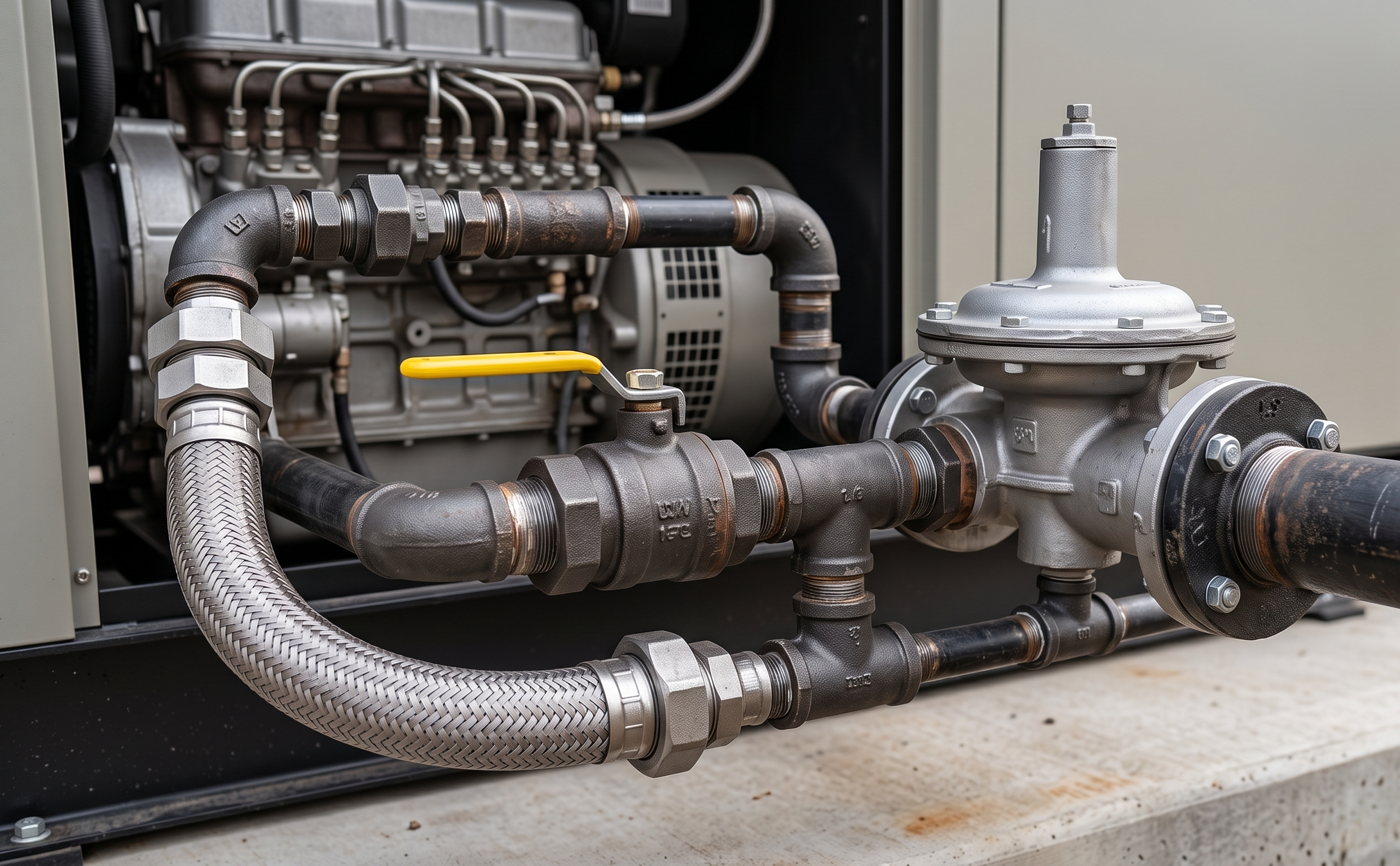
Licensed professionals do not rely on estimates when sizing gas piping. They use approved calculations and code requirements to ensure accurate fuel delivery. During the design process, they consider:
- Total BTU demand for the entire property
- The longest-run method for estimating friction loss
- Available utility gas pressure and allowable pressure drop
- The type of piping material being installed
- Generator manufacturer installation requirements
- Local fuel gas and plumbing code regulations
(Important note: Avoid using generic gas pipe sizing charts found online. Every installation has different conditions. Always verify final sizing with a licensed gas fitter or qualified installer.)
Common Gas Line Size Examples
Every property is different, but these examples show how various generator installations are commonly approached.
Klein Tuis Standby Generator
A small standby generator, usually between 10kW and 14kW, installed close to the gas meter, may only require a 3/4-inch to 1-inch black iron pipe. Short distances and lower fuel demand help keep pressure loss under control.
Large Whole-House Generator
A larger generator in the 22kW to 26kW range often needs a bigger fuel line, especially when installed farther from the utility meter. A run of around 50 feet may require a 1-1/4-inch or 1-1/2-inch pipe. Many times, installers use a separate gas line that leads straight from the gas meter.
Commercial Natural Gas Generator
Much more fuel is used by commercial generators than by residential generators. These systems typically necessitate engineering review, upgrading to utility services, and the installation of 2” or 3” steel pipe to ensure uninterrupted service and to handle heavy loads.
Gas Line Size Mistakes to Avoid
Using Existing Pipe Without Checking Capacity
Plugging a generator into the grill or pool heater circuit can cause significant fuel limitations. This line may be used by other appliances already and may be inadequate to accommodate the generator.
Ignoring Distance
Many installation problems occur because distance is overlooked. The pipe size, which may be adequate for a short run, can be inadequate when the generator is located much further away from the gas meter. To overcome the pressure loss, the pipe diameter for longer runs needs to be larger.
Forgetting Full-Load Fuel Demand
Generators use a lot more fuel when they are operating under heavy electrical load than when they are in an idle condition. Sizing a pipe based only on light-load operation often results in poor performance during an actual outage.
Not Checking Local Code
Fuel gas systems are well regulated for safety. Failure to comply with local code requirements can result in failed inspections, compliance problems and insurance problems.
Gevolgtrekking
If you are evaluating backup power options, explore information on generator installation costs, natural gas generator maintenance, and generator solutions for residential or business use.
Not sure what Gas Line Size your generator requires? Our team can help you select the right generator and plan its installation, and can create a safe, code compliant backup power system. Kontak ons nou!