A diesel generator uses a quick, explosive compression to ignite the fuel. Striking that hot spot becomes challenging in cold conditions. That is why a generator block heater is a necessity for heavy-duty diesel Generators to warm up the engine block. Warm coolant ensures reliable cold starts, reduces component wear and enables the machine to handle a substantial electrical load within seconds of a power failure.
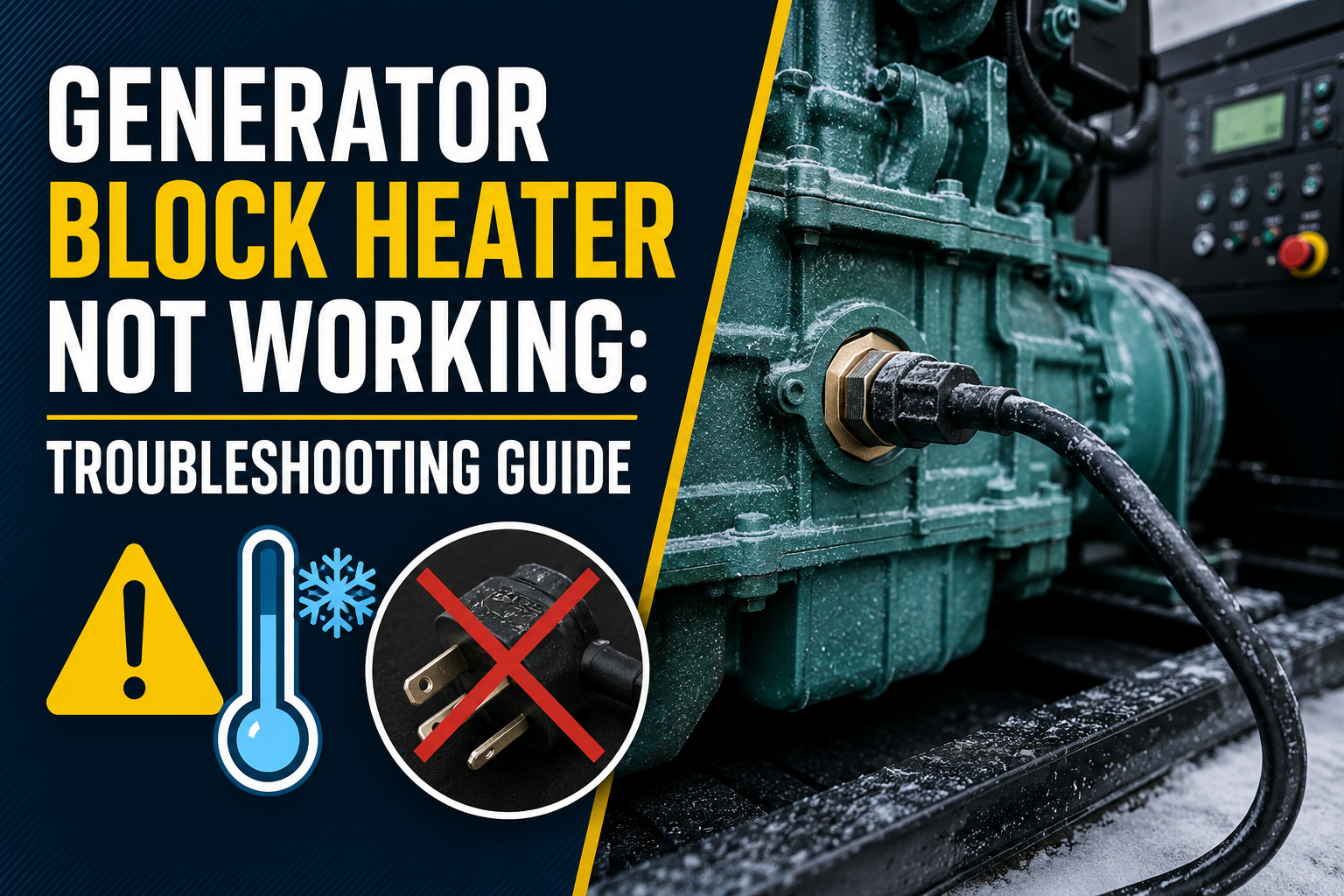
When your block heater goes out, your facility’s emergency preparedness takes a serious hit. If the engine is cold during the wintertime and a storm hits, you’re one grid failure away from a total blackout. Always disconnect the main power before using the multimeter, and observe strict precautions to avoid electrocution hazards.
In this article by Huaquan, you will learn how to systematically troubleshoot a failed block heater, safely test high-voltage electrical components, and ensure your generator is ready for dependable cold starts.
What Is a Generator Block Heater?
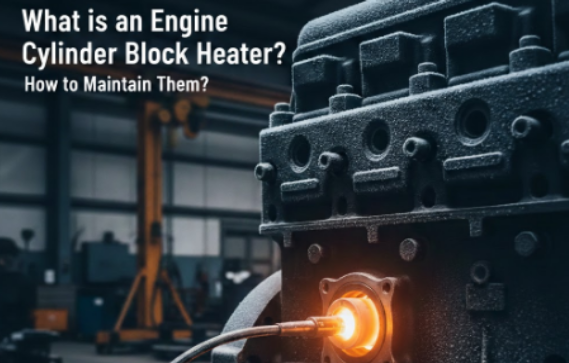
A block heater is basically a device that helps maintain the cylinder block and the lubricating oil’s temperature when the generator is not in use.
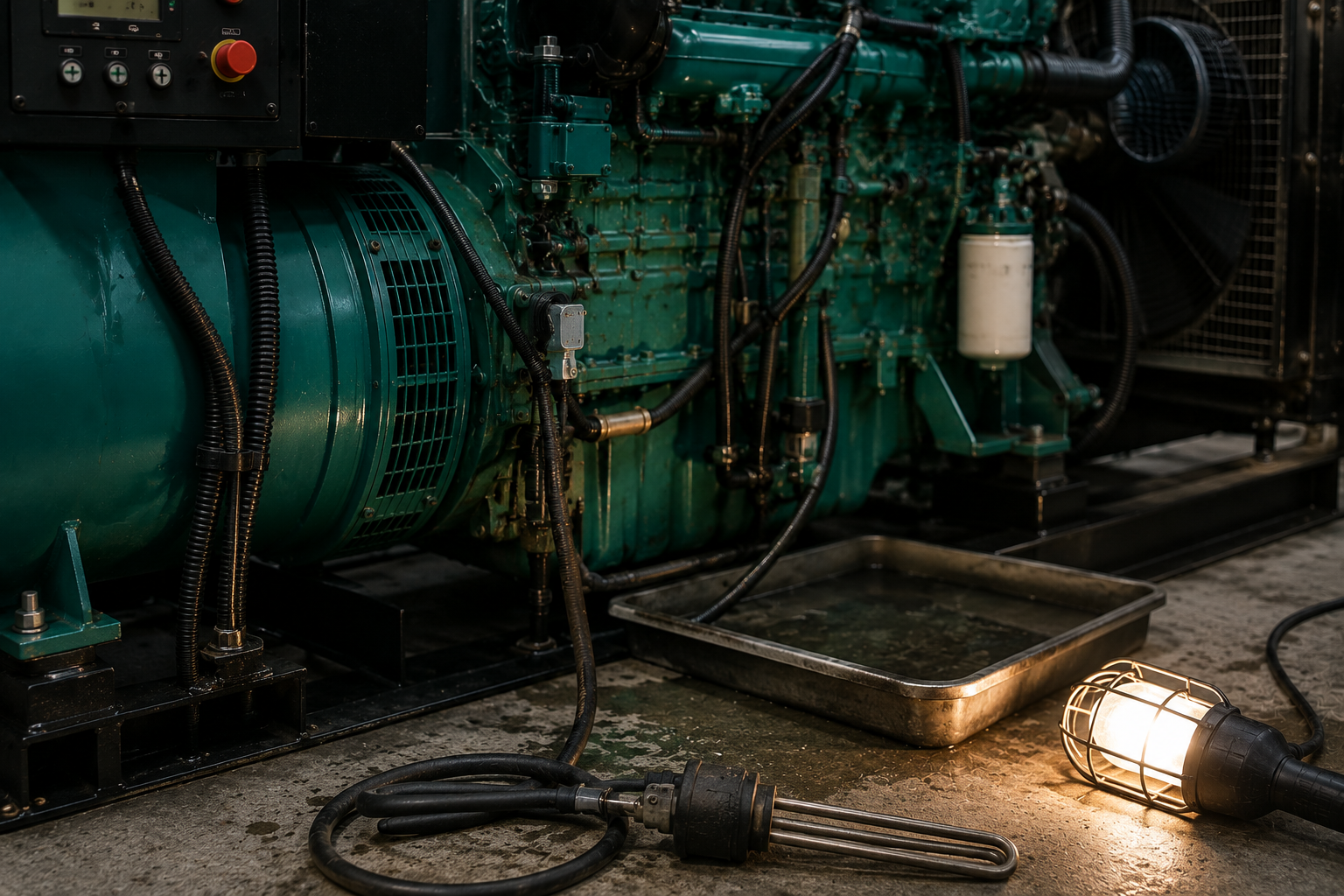
It does so by heating the engine coolant. The coolant becomes hotter and naturally rises up (thermosiphon effect), or the system pumps it into the water jacket of the engine, radiating heat into the cast-iron block. Typical designs include immersion heaters that screw into the freeze plug holes of the block, or external tank heaters that mount on the generator frame and have hoses running between the block and the heater.
There’s a distinction between these devices and it is crucial to know. Block and coolant heaters warm the water jacket and aid combustion, and oil-pan heaters warm the engine oil to keep it viscous. Large, standby diesel generators most commonly use tank-type coolant heaters.
Why Generator Block Heaters Are Important
Running an engine around 100°F to 120°F (38°C to 49°C) definitely benefits you:
- Improves cold starting: Warms cylinders up quicker.
- Reduces white smoke: Better initial combustion reduces unburned fuel vapors.
- Reduces battery and starter strain: A warm engine has less friction, requiring less cranking power.
- Helps oil circulate faster: Oil flows to the turbocharger and bearings in a timely fashion.
- Reduces engine wear: As much as 80% of engine wear occurs during cold starts.
- Supports faster load acceptance: A warm engine takes on a heavy load instantly without stalling.
- Prevents cold-start failures: Ensures the system meets NFPA 10-second start requirements.
Signs a Generator Block Heater Is Not Working
You’ll typically find a block heater problem during a routine inspection. Watch out for these indicators:
- The engine feels completely cold to the touch.
- The digital control panel coolant temperature remains cool.
- The generator is hard to start or cranks for a long time.
- White smoke exudes from the exhaust upon startup.
- The heater’s indicator light stays off.
- The wall breaker or fuse keeps tripping.
- Even after you confirm electrical power is on, the heater housing remains cold.
- You notice heavy coolant leaks around the heater hoses or elements.
- The heater makes odd crackling or hissing sounds, possibly due to trapped air.
Common Reasons a Generator Block Heater Stops Working
When the block goes cold, the cause usually falls into one of these categories:
- No electrical supply: The wall outlet or dedicated circuit is not functioning.
- Tripped circuit breaker: A short circuit has cut off the power.
- Blown fuse: Internal protection in the generator panel has failed.
- Damaged plug or power cord: Frayed wires or melted prongs.
- Loose wiring: Vibration of the engine caused a wiring connection to come undone.
- Faulty thermostat: The switch inside the thermostat is stuck open.
- Burned-out heating element: The copper element has melted or broken.
- Low coolant level: The heater is operating without any coolant.
- Air trapped in the heater: Stops the liquid from flowing and shortens the life of the element.
- Failed circulation pump: The pump within the tank has failed on models that have one.
- Scale buildup: Hard water minerals have insulated the heating element.
- Incorrect voltage: Using a 120V heater on a 240V circuit.
- Failed relay or contactor: The automatic switch feeding power to the unit has failed.
Tools Needed for Troubleshooting
When trying to diagnose a cold engine block, you need the following:
- A True-RMS multimeter.
- A clamp meter (to measure amperage draw).
- An infrared thermometer gun.
- Simple hand tools (wrenches and screwdrivers).
- Insulated electrical safety gloves.
- The specific generator wiring diagram.
- The manufacturer’s servicing manual.
- Coolant testing equipment (refractometer).
- A fuse replacement (if applicable).
Safety Precautions
Be aware that block heaters connect to mains voltage (120V, 240V or 480V).
- Disable automatic starting: Put the controller on Off to avoid the engine starting when hands are in the engine bay.
- Disconnect power to the heater: Unplug it or switch off the individual breaker.
- Verify voltage is absent before opening components: Use the multimeter to make sure the circuit is off.
- Allow coolant and engine parts to cool: A recently run engine has pressurized, scalding coolant.
- Avoid testing wet connections: Make sure both hands and the area are dry.
- Use qualified personnel for mains-voltage repairs: If you are not qualified to work with high voltage, hire an electrician.
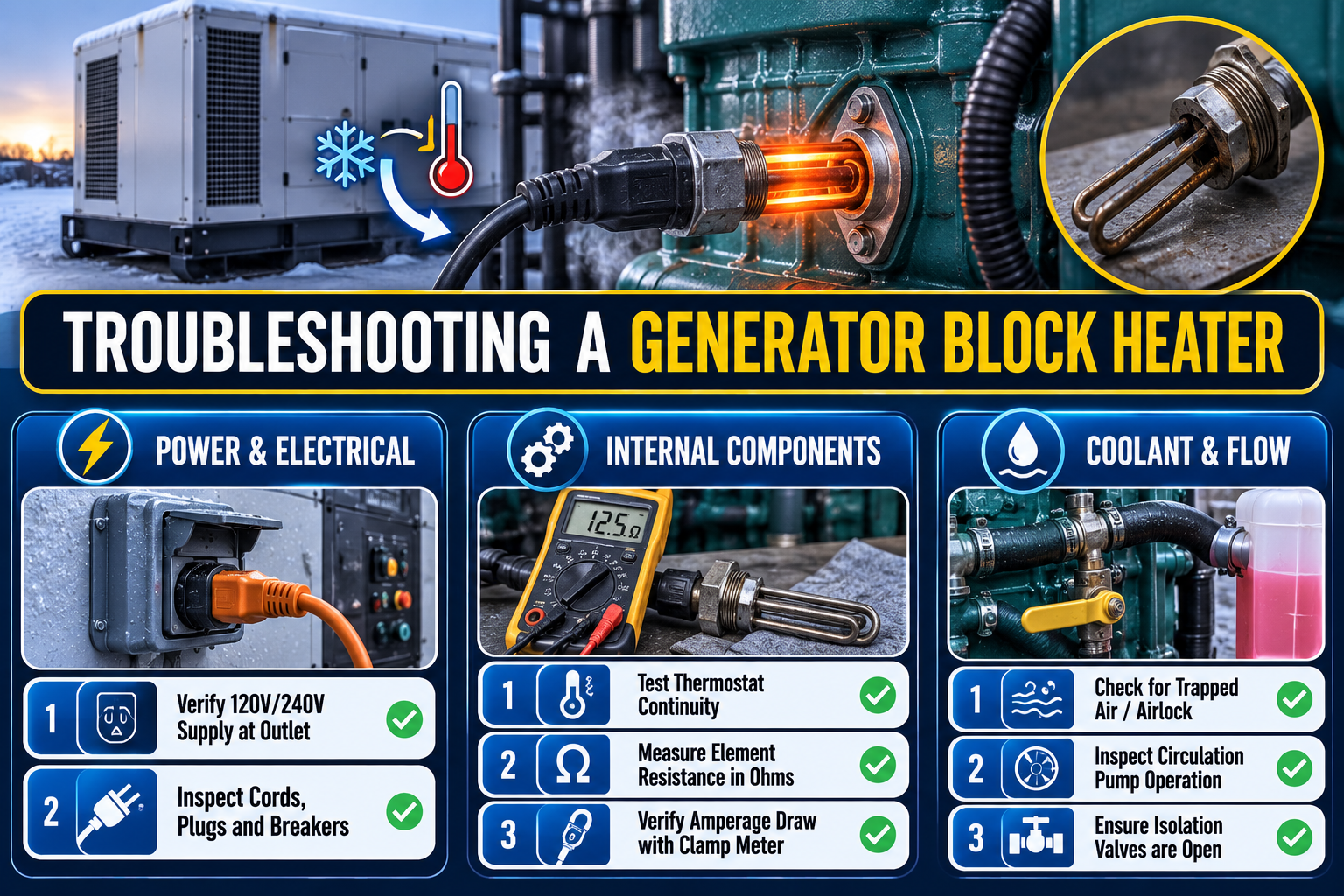
How to Troubleshoot a Generator Block Heater
Step 1: Confirm the Heater Should Be Operating
Always check the ambient temperature and coolant temperature before cutting into any wires. Block heaters are not continuous; they switch off and on. If coolant is already hot (120°F) after a run cycle or a hot summer day, the heater should be off. Check the controller readings and recheck the programmed settings.
Step 2: Check the Power Source
Check the electrical outlet or hardwired wall supply. Inspect the main circuit breaker. Use a multimeter to check the voltage supply from the outlet to make sure it is 120V or 240V. Verify that you’re not using extension cords that are too small. Inspect the connections for any loose, blackened or overheated connections within the junction box.
Step 3: Inspect the Plug and Power Cord
Check the cord for cuts, burns, melted insulation and corrosion. Be careful not to damage the strain relief. Check for loose terminals or overheating on the plug pins.
Step 4: Check Fuses, Relays and Contactors
Find the generator circuit protection (subpanel or panel). Check the continuity of the fuses. Determine the cause of a fuse or circuit breaker failure and don’t reset the circuit without repairing the short.
Step 5: Test the Thermostat
Locate the thermostat, which usually sits on the block or inside the heater tank. With power disconnected, check continuity across the terminals. The continuity (closed) should be in the cold temperatures, none (open) in the hot. Make out the difference between a broken thermostat and a thermostat that is just cycling.
Step 6: Test the Heating Element
Unplug the element from the power safely. Take the reading of the electrical resistance (ohms) between the two pins. Inspect for an open circuit; infinite resistance means the element has snapped. Use a short-to-ground test between a pin and the metal casing. Compare the readings with the manufacturer’s specifications, typically 5 to 20 ohms, depending on the wattage.
Step 7: Verify Current Draw
Use a clamp meter on one supply wire while the heater is operating. Check the amperage against the heater’s nameplate. When no current flows through the circuit, the circuit is open. When there is too much current, it is a partial short. If it is a draw that matches the math (amps equal watts divided by volts), then it’s a good element.
Step 8: Check Coolant Level and Flow
Check to see if the cooling system is full. Check for air pockets in the hoses. Ensure all manual isolation valves on hoses are not closed and look for kinks or restrictions on hoses. For external coolant heaters, inspect the circulation pump to see if it vibrates or hums, which means that it is rotating.
Step 9: Inspect for Scale and Sediment
Poor antifreeze quality or very hard tap water causes heavy scale deposits. This calcification insulates the heating element, causing it to overheat and burn out from the inside. If there’s only a slight film of scaling, you can clean the element with flushing, but if there’s a thick coating, you must replace it.
Step 10: Monitor Coolant Temperature
Take temperature readings of the heater casing using the controller and an infrared thermometer. Take the temperature of the inlet (cold) and outlet (hot) hoses. Wait until it’s hot to heat a big block; it may take several hours. Make sure that the heat is passing into the engine, and not just boiling inside the heater tank.
Why Does the Block Heater Keep Tripping the Breaker?
If the breaker clamps down the second that you switch it on, then you have a hard short. Common causes are a shorted heating element, moisture in the connectors, damaged wiring that comes in contact with the frame or a hard electrical fault to ground. It could also be a mis-sized breaker, wrong voltage supply, too many connected appliances on a power circuit, or a circulating pump that is “locked” on the power circuit (locked rotor).
Why Is the Heater Hot but the Engine Still Cold?
If you singe your hand on the heater tank and the engine block is extremely cold, then the fluid isn’t flowing. This indicates either an airlock, a closed coolant maintenance valve, a blocked or kinked hose or the circulation pump is broken. It can also be a case of insufficient wattage heater for the engine size, installing the heater in the wrong flow direction (fighting the thermosiphon effect), or low engine coolant.
Can You Start a Generator With a Failed Block Heater?
In mild climates, a diesel engine can start up without a block heater. Nevertheless, it will put a higher strain on the battery and the starter motor. During extremely cold weather, the diesel fuel can gel and/or the compression heat may not be adequate to burn the fuel in the engine. Emergency generators should never be cold started repeatedly, and you should avoid using ether as a temporary fix, since it can badly damage modern diesel engines, and should instead pursue a permanent repair.
Conclusion
A cold engine is an unwanted item in a power outage. It’s a systematic process to troubleshoot a generator block heater: make sure the electricity is on, test the thermostat, test the resistance of the element and ensure the coolant is completely full and flowing.
We highly recommend that facility managers test their block heaters in the fall, before the winter season. You can safely check breakers and inspect cords, but only let a professional generator technician inspect the system and replace parts to keep your system safe and ready.
Contact the Huaquan team today for OEM replacement block heaters, professional electrical diagnostics, and complete winterization services for your backup power system.