Selecting a diesel generator for construction site applications requires balancing power requirements against portability, durability, noise regulations, and fuel logistics. Construction Generators face tougher conditions than standby units—rough terrain, dust, extreme temperatures, and high cycle counts.
This guide covers everything from calculating site power requirements to choosing the right rental or purchase option.
Power Requirements by Construction Equipment Type
| Equipment | Running Watts | Starting Watts |
|---|---|---|
| Tower crane (20 ton, electric) | 15,000 | 30,000 |
| Concrete mixer (1 bag) | 2,500 | 6,000 |
| Welder (200A, DC) | 5,000 | 5,000 |
| Air compressor (5 HP) | 3,700 | 11,000 |
| Elevator hoist | 3,000 | 9,000 |
| Concrete vibrator | 800 | 2,400 |
| Table saw (3 HP) | 2,200 | 6,600 |
| Site lighting (20 LED floodlights) | 1,000 | 1,000 |
| Water pump (2 HP) | 1,500 | 4,500 |
| Re-bar bender | 1,500 | 3,000 |
Sizing by Construction Site Type
| Site Type | Applicable Tools | Recommended Generator Size |
|---|---|---|
| Residential renovation | Saw, mixer, lights, small compressor | 10-20 KW |
| Small construction (house) | Mixer, elevator hoist, welder, lights, hand tools | 20-50 KW |
| Medium construction (apartment block) | Tower crane, hoist, multi-welder, compressors, site lighting | 100-200 KW |
| Large construction (commercial high-rise) | Multiple cranes, hoists, batch plant, welding stations | 250-600+ KW |
Generator Type Comparison for Construction
| Factor | Open Skid-Mounted | Sound-Attenuated Canopy | Trailer-Mounted |
|---|---|---|---|
| Noise level | 85-95 dBA @ 7m | 65-75 dBA @ 7m | 68-78 dBA @ 7m |
| Best for | Remote sites with no noise restrictions | Urban construction sites | Multi-site operations needing mobility |
| Weather protection | Limited (requires shelter) | Full weatherproof enclosure | Full weatherproof + road legal |
| Fuel capacity | External tank required | Integrated day tank 8-12 hours | Integrated tank 12-24 hours |
| Transport | Skid with forklift pockets | Skid or trailer | Road trailer (speeds up to 80 km/h) |
Key Selection Criteria for Construction Diesel Generators
Ruggedness and Enclosure
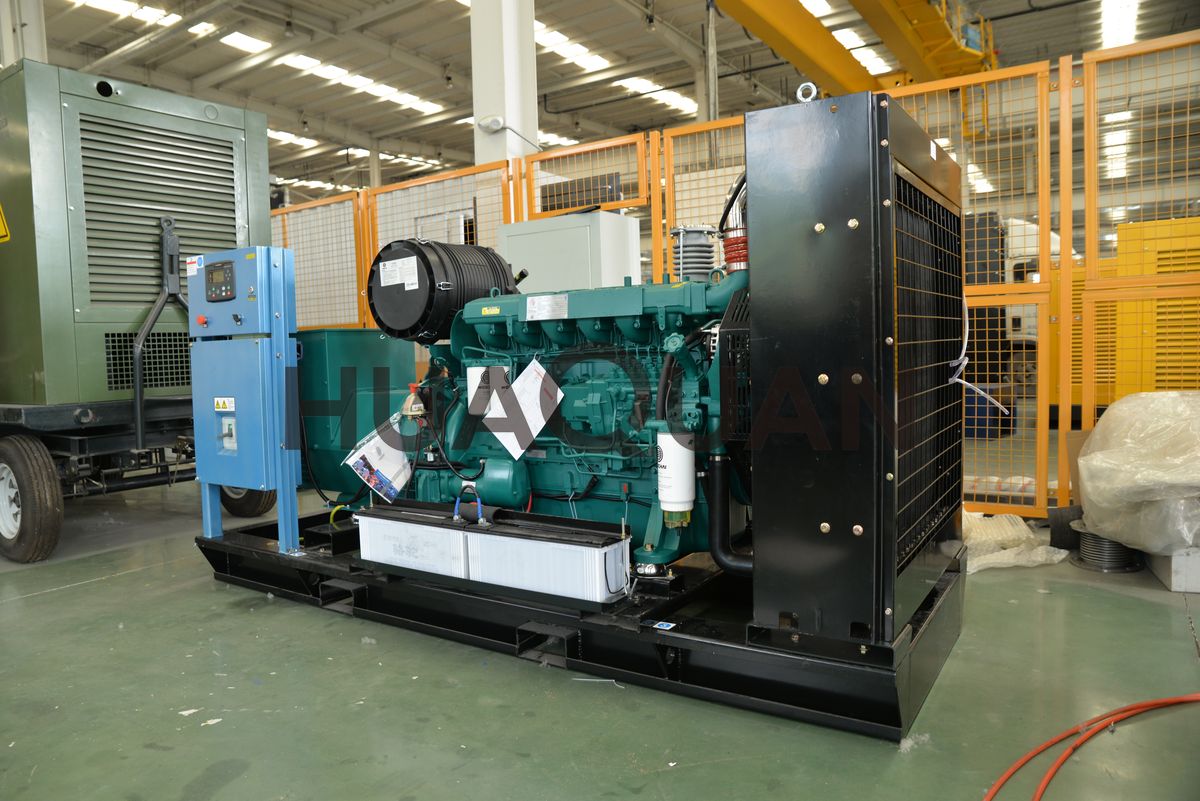
Construction generators must withstand rain, dust, and physical impacts. A lockable weatherproof canopy with accessible service panels is essential. Look for generators with IP23 minimum enclosure rating (protection against falling water and 12mm objects). The alternator should be sealed to prevent dust ingress into windings.
Rental Fleet Compatibility
If renting, specify that the generator is built for rental use: heavy-duty frame, fork pockets, lifting eyes, locking fuel cap, hour meter, anti-theft kit, and CSA/UL certification. Standardization across similar-sized units simplifies logistics.
Cold Climate Starting
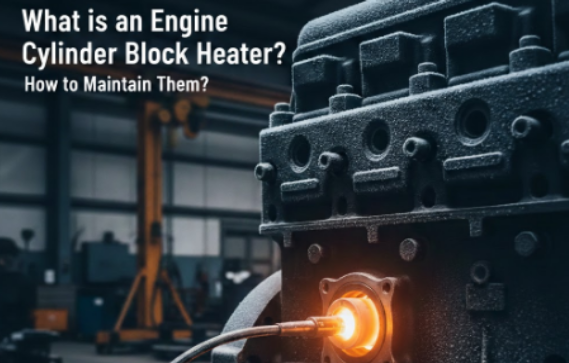
For sites in cold climates, ensure the generator includes: glow plug pre-heat for the diesel engine, battery heater pad (if temperatures regularly drop below -10°C), coolant block heater, and cold-weather diesel fuel (winter blend with anti-gel additive).
FAQ
Q: Should I rent or buy a construction diesel generator?
A: For projects under 3 months, renting is more economical and includes maintenance. For longer projects or if you operate across multiple sites, buying amortizes better. Renting also avoids the problem of transporting heavy equipment between sites.
Q: What noise level is allowed on construction sites?
A: Varies by jurisdiction. Common limits: 70 dBA during daytime at the property line (urban), 85 dBA (industrial zones), 55 dBA at night. Sound-attenuated canopy generators rated at 65-72 dBA @ 7m are compliant in most urban daytime scenarios.
Q: How often should a construction generator be serviced?
A: Every 250 hours or monthly (whichever comes first) for construction-duty generators—half the interval of standby generators. The dusty, high-cycle construction environment accelerates oil degradation and air filter loading. Increase to every 100 hours in high-dust conditions.
Q: Can I parallel smaller generators instead of buying one large one?
A: Yes, with paralleling controllers. This provides redundancy—if one generator fails, the other still supplies partial power. Running two units at 60% load each instead of one at 120% load improves reliability. Ensure the generators are designed for parallel operation.
Related Articles
- Diesel Generator Size for Home
- Diesel Generator Fuel Consumption
- Diesel Generator Lifespan Guide
- Noise Reduction for Generators
- Low Cost Diesel Generators
Recommended Construction Generators
- SC Series Diesel Generator Set — Compact, ideal for small-medium construction
- WC Series Diesel Generator Set — Rugged, for medium-large construction sites