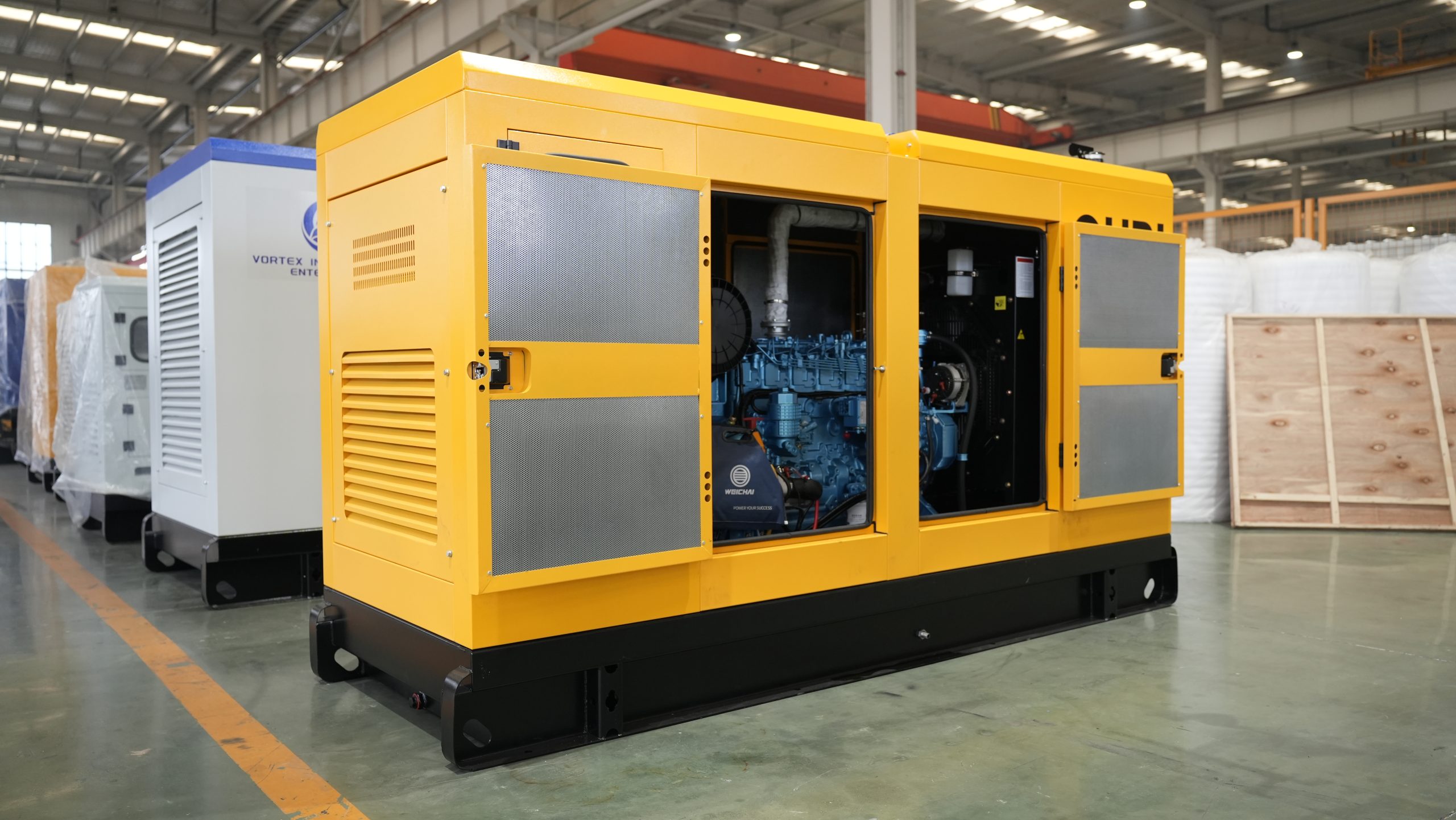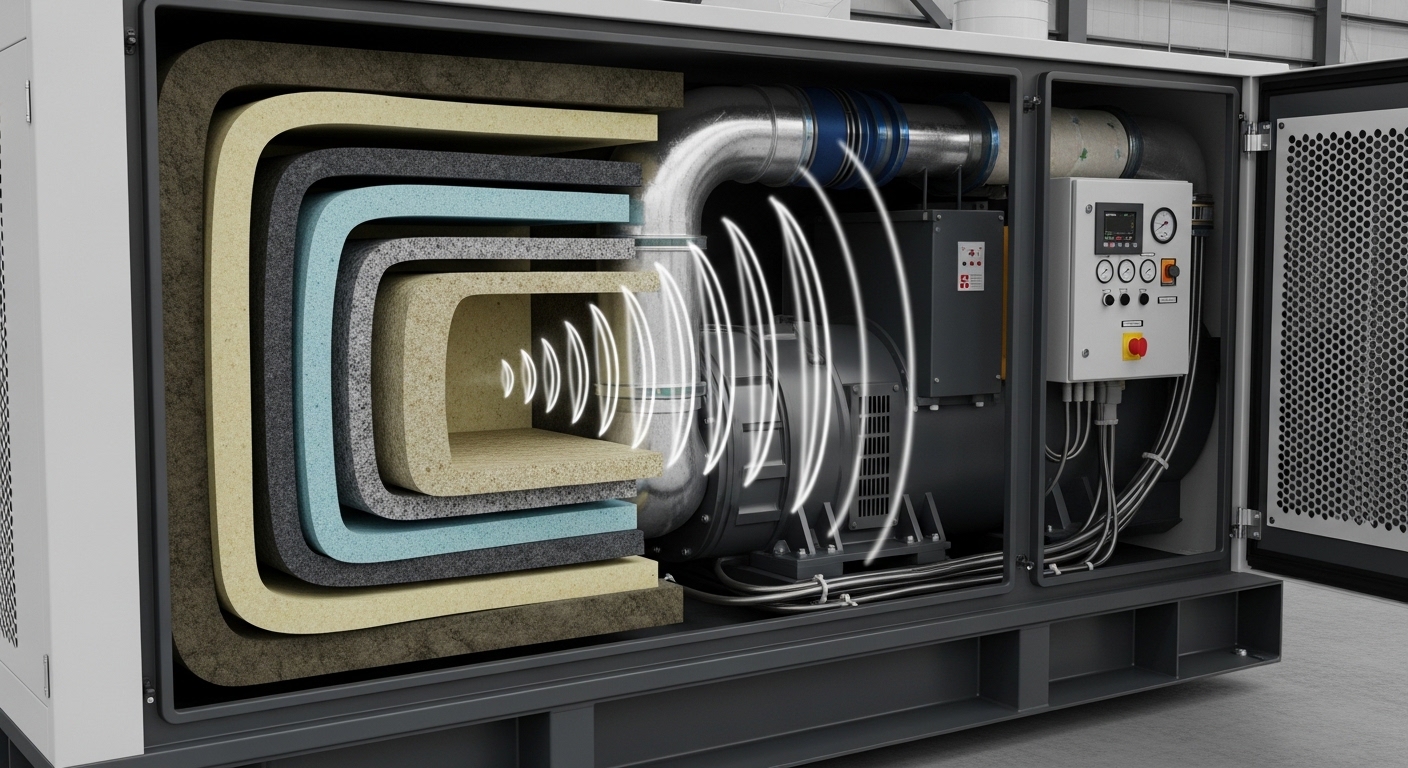
Introduction
You should make appropriate preparations before turning down the diesel generator in fall. Weather conditions can damage generator components, especially when the equipment remains unused during different seasons.
This guide explains the important preparation steps required for safe shutdown and reliable future operation. Furthermore, the right generator size is also very important. Operating a generator at the correct power (kW) is important for getting the generator to perform efficiently, to prevent the generator from being overloaded and to minimise operating costs.
Realize and own the importance of Autumn Shutdown Good Preparation
You need to understand why it’s important to prepare the generator before shutting it down for the season or for reduced use. Poor shutdown procedures can cause fuel contamination, component damage, and corrosion.
Fall weather also tends to be chilly and humid. Moreover, moisture can damage electrical components and fuel systems. Proper shutdown preparation can help reduce maintenance issues in the future when starting and running the generator, while also protecting the generator during periods of inactivity. The size of the generator also contributes to its reliability in the long run, since too large or too small generators can be inefficient and cause damage.
Understand Generator Power Calculation Basics. Understand the basics of calculating generator Power.
You need to have an understanding of the calculation of generator power before choosing a generator. The generator size is expressed in kilowatts (kW), which indicates the amount of electrical power required.
What you must work out:
- Total connected load
- Starting load requirements
- Power factor
- Safety margin
Therefore, accurate calculation helps you select a generator that can handle running and starting loads efficiently.
Determine the condition of the generator – I.G
The shutdown preparation should begin with a thorough examination of the generator. This helps to ascertain whether there are any problems prior to storage.
Check the generator cover, engine compartment and other exposed areas. Inspect for any worn or corroded parts, or loose components. Fix any issues observed prior to the generator going out of service. Early inspection prevents long-term damage. Such inspection also provides the assurance that the generator that has been chosen is operating within its rated capacity.
Calculate Total Electrical load requirement
The first step in determining the size of a generator is to identify all electrical equipment to be powered.
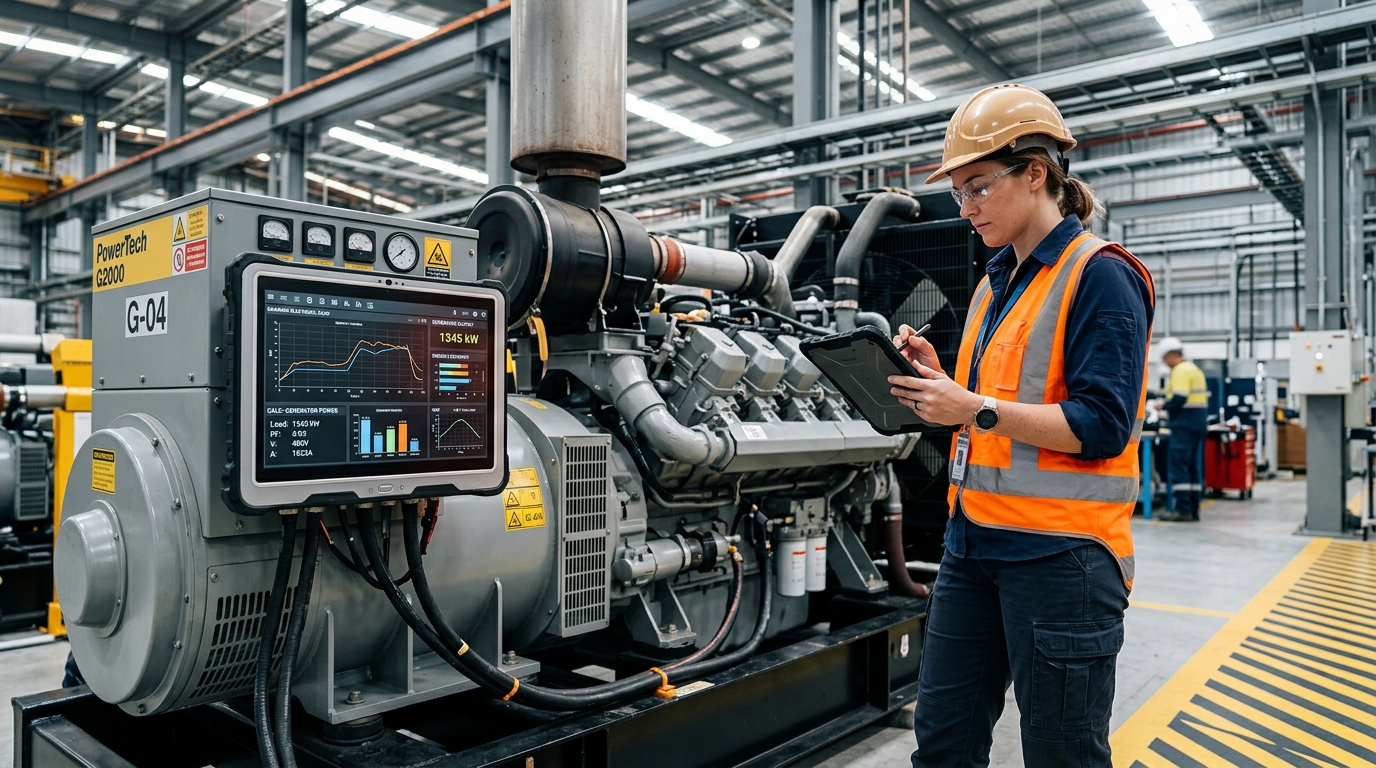
This includes:
- Lighting systems
- Motors
- Air conditioning units
- Pumps
- Sensitive equipment and computer equipment
All devices have power ratings in watts or kilowatts. Sum all these to get total load demand.
Do not place The Generator Indoors.
It’s important to prepare the generator by cleaning the outside. Dust, oil stains, and debris can cause corrosion or damage during storage. Clean surfaces of Generators with a clean cloth or mild cleaning solution. Be aware of ventilation openings and control panels. It is easier to monitor and maintain clean equipment.
Calculate Running Load
Running load is the sustained power needed to run equipment.
All equipment ratings are to be changed to kilowatts:
- 1 kW = 1000 watts
Total continuous demand is the sum of all the running loads. It is one of the key values to consider in determining the minimum size of the generator needed to operate.
Wash The Surrounding Area of The Generator
The generator area needs to be cleaned prior to shutdown. Fall is a time when leaves, dust and debris build up often. Clean up dried leaves and other debris near the generator. Make sure that ventilation areas do not get blocked. A clean environment will eliminate fire hazards and safeguard equipment parts.
Consider Starting Load Requirements
Some equipment, especially motors, requires additional power during startup.
The initial load can be:
- There is a 2-3 times over load requirement for motors.
- To earn higher for heavy machinery.To earn higher for heavy machinery.
When choosing generator size, this increase in power needs should be taken into consideration. Failure to use a starting load can cause a generator to overheat or burn out.
Check Engine Oil Level And Condition
Before shutting down seasonally, it’s best to inspect the condition of the engine oil. Any used or contaminated oil might lead to internal corrosion in storage tanks.
Use the oil dipstick to check the oil level. Check the colour and viscosity of the oil. If the oil is dirty or shows signs of deterioration, change the oil. When the engine is not running, fresh oil will help to protect the engine parts.
Apply Power Factor In Calculation
The ratio of real power (kW) to apparent power (kVA) is called power factor.
The power factor of most generators is 0.8.
Formula:
Power Factor=kW / kVA
Therefore, you should include power factor when sizing a generator.
Change Engine Oil as necessary
In many situations replacement of engine oil prior to long shutdowns is recommended. New engine oil creates an oil film on the internal parts of engines. This will help to avoid rusting and corrosion while storing. Always use engine oil that is recommended by the manufacturer.
Include Safety Factor For Generator Capacity
After calculating the total load, you should include a safety margin.
Recommended margin:
- 10% to 25% additional capacity
This guarantees that the generator has the capacity to deal with sudden surges in load and perform efficiently without stress.
Examine Fuel System Condition
Pre-generator shutdown fuel system inspection is important. If stored incorrectly for an extended period of time, diesel fuel may become contaminated. Inspect fuel tank, fuel lines and fuel filters. Find indications of leakage or contamination. Make sure that the fuel system is sealed and clean.
Analyze a generator’s type based on its load.
The selection of the generator also comes down to the type of application:
- Standby generators
- Prime power generators
- Continuous power generators
The capacity ratings differ for each type. Therefore, you should match the generator type with operational requirements.
Take a look at the quality of fuels before they are stored
Before shutting down the generator for the fall, You should test fuel quality carefully. Visually examine diesel fuel for water or sediment. Damaged injectors and fuel pumps can be caused by contaminated fuel. Replace poor quality fuel if contamination is detected.
Consider Load Diversity
Some equipment is not operating at the same time. There is reduction of required capacity available due to load diversity.
But the critical systems like hospitals or data centers do not allow any assumption on diversity as it requires a full load calculation instead.
Fill up the fuel tank to prevent condensation in the tank and fuel!
You should fill the fuel tank before extended shutdown periods. Fuel tanks that are full have less room for condensation. Water can get into the fuel system due to condensation. Proper fuel level is used to prevent fuel contamination.
Inspect Cooling System
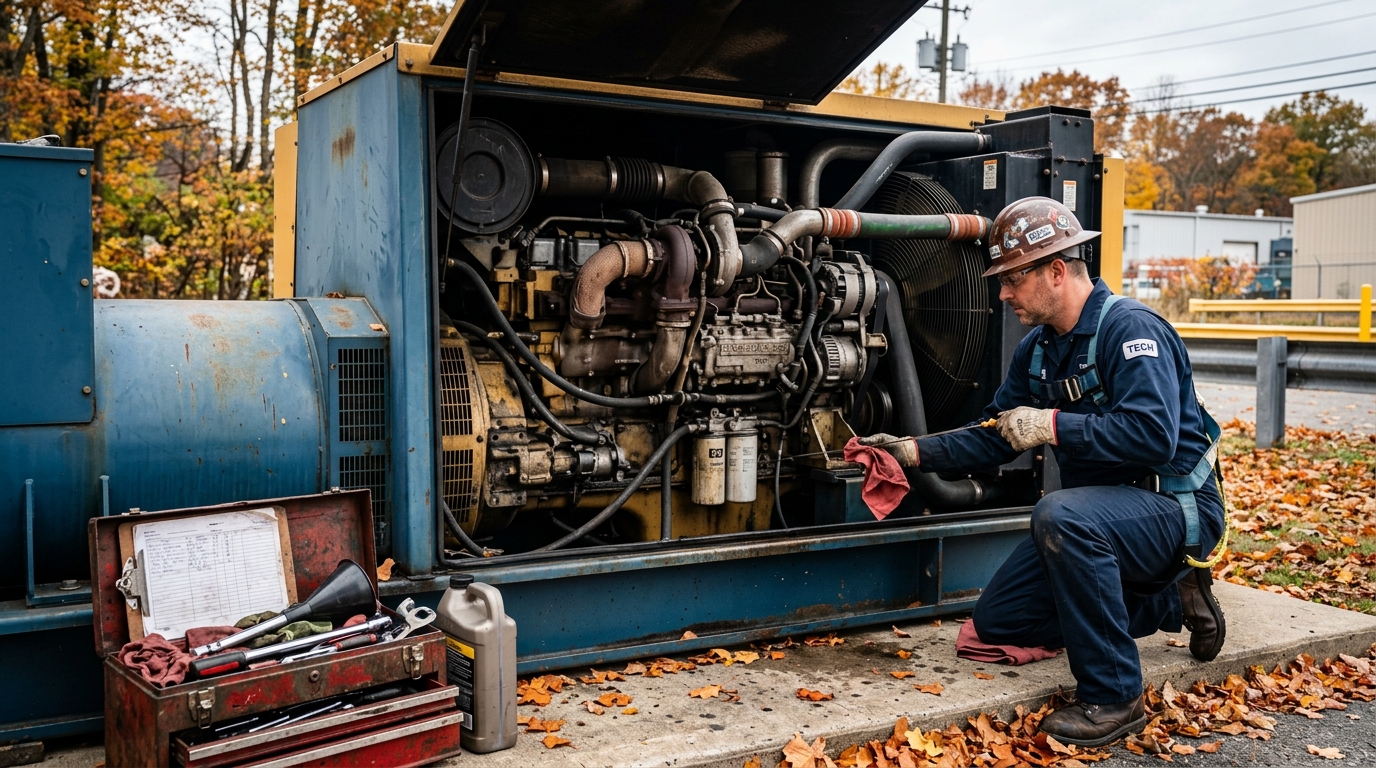
Preparing for the fall shutdown should include cooling system inspection. Inspect and test for coolant level and quality. Check radiator hoses and connections for leaks or cracks. Keep the cooling system sealed and in good working condition. It is also crucial to have the right cooling capacity in generators running at higher loads.
Change Coolant as needed.
Before a seasonal shutdown, coolant replacement might be needed. Corrosion inhibitors are added to fresh coolant to keep engine cooling passages corrosion free. Coolant conditions will be maintained to preserve the cooling system during storage.
Inspect Battery Condition
Before turning off the generator, the condition of the batteries should be checked. Test battery voltage and check battery terminals. If needed, clean battery terminals to remove corrosion. Make sure that battery connections remain tight.
Every electrical wiring and connections check.All electrical wiring and connections inspection.
Before the generator is turned off, a check of the electrical system is required. Inspect alternator terminals and wiring to the control panel. Ensure good, corrosion-free connections. Fix any damaged wires right away.
Examine Air Intake System
You should inspect the air intake system before shutdown. Clear away air filters housing dust and dirt. Replace air filters if necessary. Use of clean intake systems to avoid contamination during storage.
Run a generator test in preparation for shutdown.
A final test run confirms generator condition before storage. Turn on the generator and operate for a brief time. Check operating parameters, temperature, oil pressure. Normal operation is indicated by stable readings.
Monitor Generator Running Parameters
You have to pay attention to some parameters of the key generator during the test run.
Important parameters are:
- Engine temperature
- Oil pressure
- Output voltage
- Frequency stability
- Fuel consumption
Abnormal readings may indicate maintenance issues that should be resolved before shutdown.
Shut off Electrical Loads Gradually
It is important to gradually take the generator out of service while removing the loading gradually. Unplug large appliances one by one. Let the generator run intermittently for a short period of time. A gradual unloading process reduces mechanical stress.
Don’t shut down the engine until it has cooled down.
After removing the load, allow the engine to run without load for a few minutes. This enables the engine cooling and regulates temperature. Slow cooling helps keep other parts of the engine cool.
Shut Down Generator Following Procedure
Use correct shut down procedures to stop the generator. Turn off the control system and press the stop button. Wait until the engine is stopped to operate. Proper shutdown procedures protect generator components effectively.
Document Generator Shutdown Information
You should record generator shutdown details in maintenance records.
Important records include:
- Shutdown date
- Operating hours
- Maintenance performed
- Inspection results
Good records assist in the planning for future maintenance and restarting.
Protect Generator From Environmental Exposure
Autumn-stored generators need to be protected against the environment. Provide protective cover if the generator is outdoors. Keep the storage areas dry and well ventilated.
Conclusion
There is a need to plan the shutdown of diesel generators in the fall. During the off-season, maintenance helps to preserve the engine and electrical systems. Proper inspection and shutdown procedures help ensure reliable generator operation after restart.
Meanwhile, knowing how to determine generator size by calculating the electricity consumption requirements is a key factor in sizing generator equipment. Correct sizing increases efficiency, lowers operating costs and guarantees a dependable power supply.
FAQs
What is the correct generator size (kW)?
Include total running load, starting load requirements, add a power factor and add a safety margin.
What is the significance of the ‘Starting load’ when choosing a generator?
The starting load is more than the running load and it should be taken into account to prevent overloading the generator.
Consider the Safety Margin to be added.
A safety margin of 10-25% is advised for safe functioning.
May I use one generator for all applications?
No. Selection of the generator is dependent on load, application and operating conditions.
What happens if generator is undersized?
If the generator is not large enough it can overheat and overload and cause damage to equipment.
About Huaquan Power
The industrial and commercial users will get the professional diesel generator solution from Huaquan Power. You can have a choice of reliable generator sets, customized power systems and complete technical support.
Visit: huaquanpower.net
Details of the types of products and services offered depending on your power system needs is available.
⚡ Explore Related Solutions
- 🏭 500kW Diesel Generator
- 🏭 1000kW Diesel Generator
- 🏭 500kW YC Diesel Generator
- 🔧 KMS (Cummins/Doosan) Series
- 📋 Diesel Generator Sets
- 📋 Order Process — How to Buy
- 📋 Contact Us
💡 Need a customized solution? Contact our engineering team for project-specific recommendations.