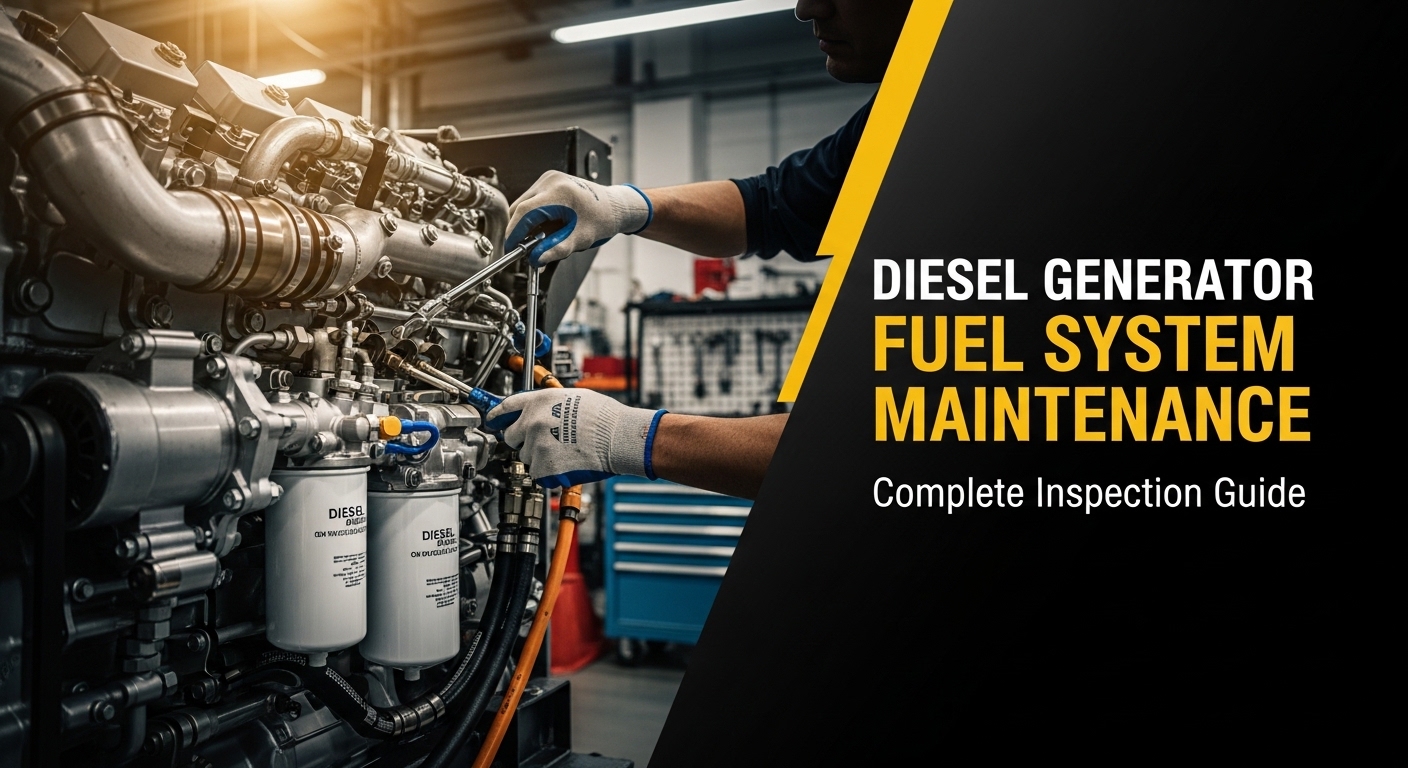
 Diesel Generator fuel system maintenance inspection including fuel filters fuel pump and fuel lines" width="1408" height="768" />
Introduction
You need to maintain the diesel generator fuel system on a regular basis to ensure stable operation of the engine. Fuel contamination or poor maintenance can lead to engine performance problems. This guide includes everything from the diesel generator fuel system maintenance process.
Understand The Role Of Diesel Generator Fuel System
Before you do maintenance, you need to be familiar with the importance of the fuel system. The fuel system is responsible for getting the diesel fuel from the tank to the engine for combustion. It ensures proper supply and pressure of fuel for the functioning of the generator.
The system normally consists of the fuel tank, fuel lines, fuel pump, fuel filters and injectors. For efficient engine performance, a clean and stable fuel flow is required. A proper understanding of the system to do the maintenance right.
Identify Typical Fuel System Problems
You need to be able to find common fuel system problems during the early stages. Early detection helps to avoid engine failure and unexpected generator shutdown.
Common problems include:
- Fuel contamination
- Clogged fuel filters
- Air in fuel lines
- Fuel leakage
- Injector blockage
Contaminated fuel could destroy injectors and pumps. Clogged filters restrict the flow of fuel. Air in the fuel lines may produce difficulty in starting the engine. Early troubleshooting helps to ensure reliable generator operation.
Inspect Fuel Tank Condition
You should check the fuel tank regularly when performing maintenance. The fuel tank is used for storing diesel fuel, and it must remain clean and sealed. Inspect the tank for sediment, rust or water contamination. Inspect the tank cap and sealing system. Make sure that the ventilation system of the tank is working. Safe fuel storage for the entire fuel system is assisted by clean fuel storage.
Check The Fuel Level And Fuel Quality
You have to check the fuel level and fuel condition before generator operation. Low levels of fuel can cause air to enter the fuel system. Check fuel visually for any contamination or discolouration. Clean diesel fuel should appear clear and should not have visible particles. Poor fuel quality can mean less efficient engine operation and greater wear.
Drain Water From Fuel Tank
Water may accumulate in the fuel tank because of condensation. Water contamination can lead to damage to the fuel injector and can reduce the efficiency of combustion. Many fuel tanks have a drain valve at the bottom. Open the drain valve to flush water and sediment periodically. Regular drainage helps prevent fuel contamination issues.
Check Fuel Lines And Connections
You need to inspect fuel lines carefully when performing maintenance. Fuel lines are used for transferring the diesel fuel from the tank to the engine. Check hoses and metal pipes for cracks, leakage or loose connections. Fuel lines that are damaged may lead to fuel leakage or air entry. Fuel line condition will provide stable fuel delivery when the line is in proper condition.
Change Fuel Filters Regularly
Fuel filters are very important in order to protect the fuel system. They clean contaminants before fuel enters the engine.
Some typical maintenance procedures include:
- Replace primary fuel filter at specified intervals
- Change secondary fuel filter as recommended
- Remove contamination from filter housing
- Ensure filters are well sealed
Blocked filters reduce fuel pressure and engine performance. Regular replacement helps maintain efficient fuel flow.
Remove Air From Fuel System
Air entering the fuel system may cause starting problems or unstable operation of the engine.
If there is air in the fuel lines, then you need to perform fuel system bleeding. Use the manual priming pump to remove trapped air. Keep pumping until there are no more air bubbles in the fuel flow. Proper bleeding restores normal engine function.
Inspect Fuel Pump Operation
The fuel pump is responsible for providing diesel fuel to the engine at the right amount of pressure. You have to check pump performance regularly. Look for signs of leakage around the pump housing. Listen for abnormal operation noise. Poor pump performance may result in engine speed instability. Regular inspection helps detect pump problems at an early stage.
Check Condition Of Fuel Injectors
Fuel injectors are used to inject fuel into the engine’s combustion chamber. Proper operation of injectors ensures efficient fuel combustion. Check injectors for leakage or clogging. Dirty injectors could cause poor engine performance and black smoke. If the injectors are contaminated, professional cleaning or replacement may be required.
Clean Fuel System Components
Fuel system parts must always be clean for proper operation. Dirt or sediment may restrict fuel flow.
Cleaning during maintenance may include:
- Cleaning fuel tank sediment
- Flushing fuel lines in case of contamination
- Cleaning fuel filter housing
- Removing debris from fuel connections
Clean components help ensure better reliability of the fuel system and improved engine efficiency.
Use High Quality Diesel Fuel
You should always use high quality diesel fuel in Generators. Poor quality fuel increases the risk of clogging and injector damage. Obtain fuel from reliable suppliers. Store diesel fuel in clean containers. Proper fuel quality helps protect engine components and improve combustion efficiency.
Store Diesel Fuel Properly
Fuel storage conditions affect fuel system reliability. Contaminated fuel storage may cause operational problems. Keep fuel tanks covered and protected from moisture. Avoid storing diesel fuel for long periods without inspection. Regular checking of stored fuel helps prevent contamination.
Monitor Fuel Consumption During Operation
You have to monitor fuel consumption when the generator is operating. Abnormal fuel consumption may indicate fuel system problems. A sudden increase in fuel consumption may indicate an injector malfunction or fuel leakage. Monitoring consumption helps identify maintenance needs at early stages.
Adjust Maintenance Frequency Based On Operating Environment
You should vary fuel system maintenance frequency according to operating conditions. Dusty environments or poor fuel quality require more frequent inspection. Generators that operate continuously may require shorter maintenance intervals. Proper scheduling ensures reliable fuel system operation.
Maintain Fuel System Maintenance Records
All fuel system inspection and maintenance activities must be documented. Maintenance records help track the performance of the system over time.
Important records include:
- Fuel filter replacement dates
- Fuel tank cleaning records
- Injector service history
- Fuel consumption data
Accurate records help improve maintenance planning and troubleshooting.
Train Maintenance Personnel
You need to ensure that maintenance personnel understand fuel system service procedures. Incorrect maintenance can damage fuel system components. Technicians should know how to inspect fuel filters, fuel lines and injectors. Skilled personnel help maintain generator reliability and safety.
Follow Safety Precautions During Fuel System Maintenance
You must follow safety precautions when working with diesel fuel. Diesel fuel is flammable and must be handled carefully. Keep open flames away from fuel systems. Use proper protective equipment during servicing. Follow workplace safety regulations at all times.
Conclusion
You need to perform regular maintenance of the diesel generator fuel system to maintain reliable engine performance. Clean fuel and proper inspection help prevent many operational problems. A well-maintained fuel system ensures stable generator operation and longer equipment life.
Frequently Asked Questions
1. How Often To Change Diesel Generator Fuel Filter?
Fuel filters normally should be changed every 250 to 500 hours of operation, depending on generator type and fuel quality.
2. Why Water In Fuel Tank Is Dangerous?
Water contamination can damage injectors and reduce combustion efficiency. It may also cause corrosion inside the fuel system.
3. What Causes Air In Diesel Generator Fuel System?
Air may enter through loose fuel connections or low fuel levels. Air in the fuel lines can cause engine starting problems.
4. Why Should A Fuel System Be Maintained?
Proper maintenance ensures a clean fuel supply and stable engine operation. It helps prevent injector and engine damage.
5. Can Poor Quality Diesel Fuel Damage Generator Engines?
Yes. Contaminated or poor quality diesel fuel can damage fuel pumps, injectors and other engine components.
About Huaquan Power
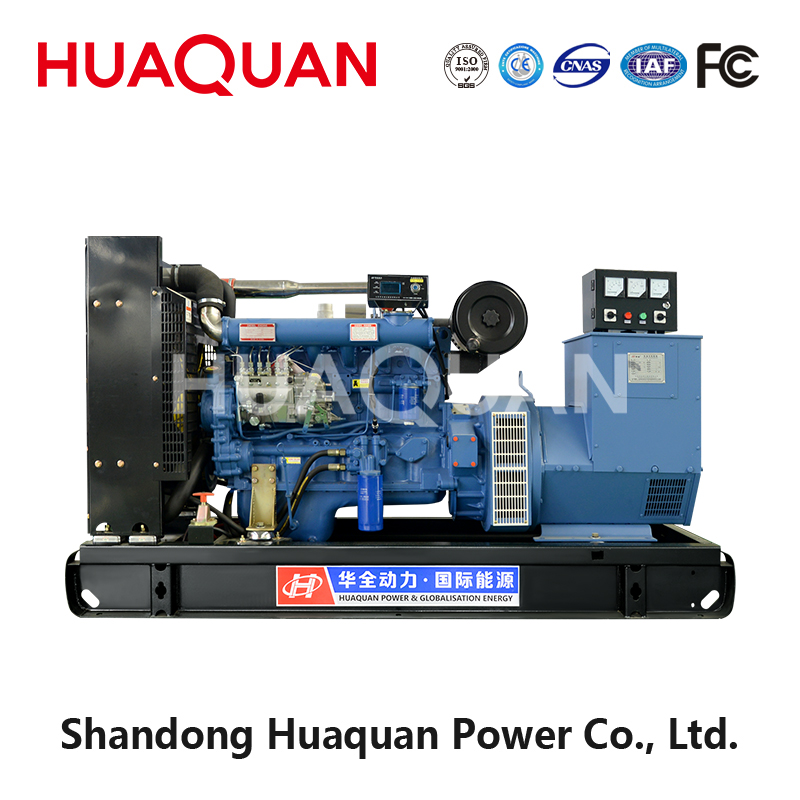
Huaquan Power is providing professional diesel generator solutions for industrial and commercial users. You can choose reliable generator sets, customized power systems and comprehensive technical support.
Visit: http://huaquanpower.net/
You can browse product information and service options according to your power system requirements.