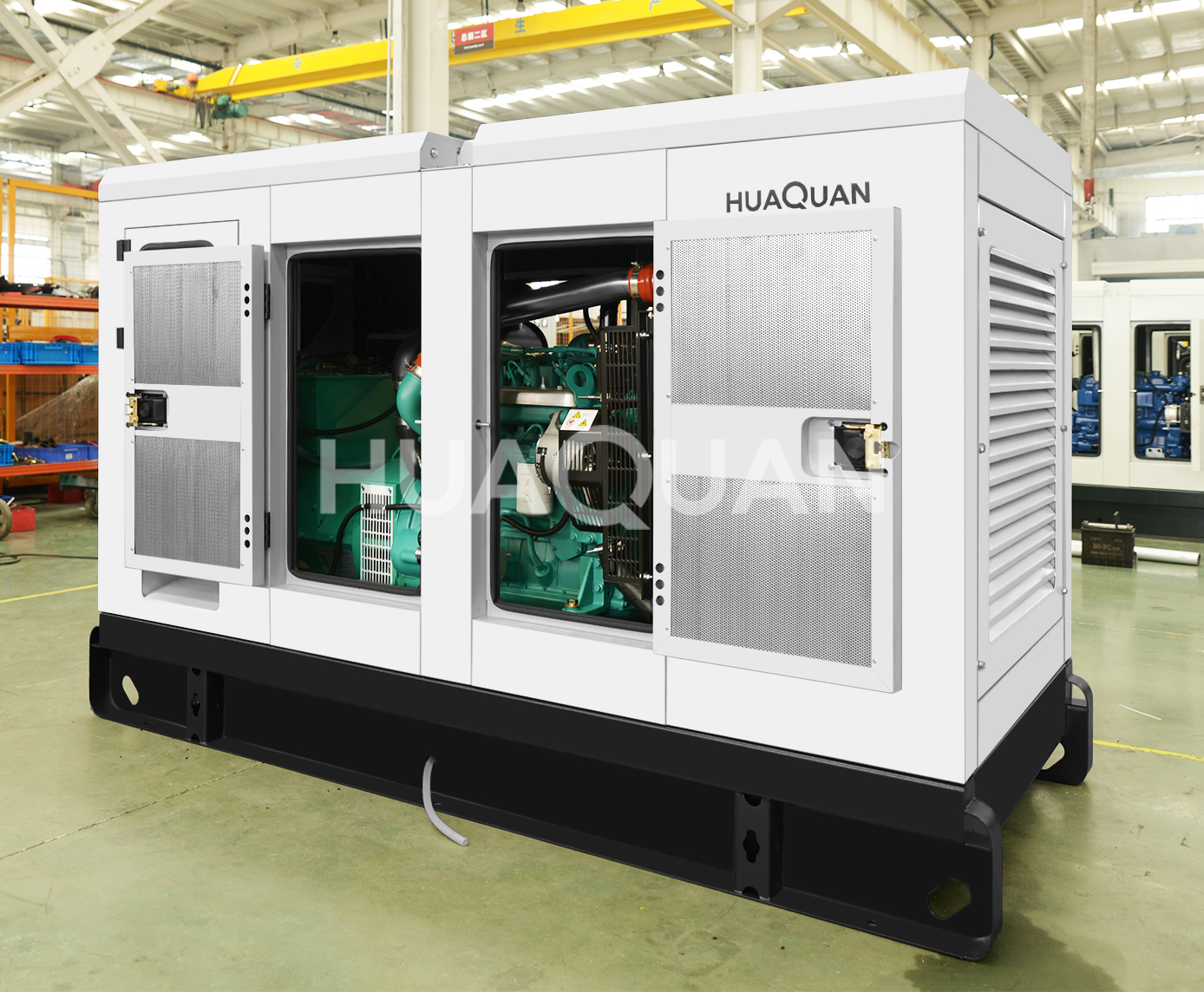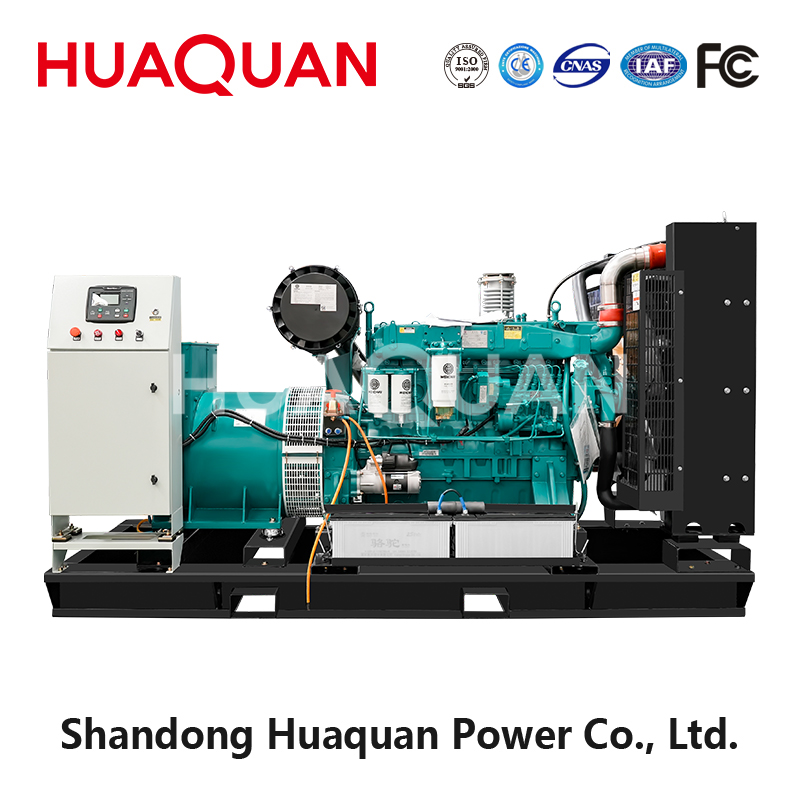
理想 柴油发电机组 储存湿度 长期储存的单位的水平是相对湿度 (相对湿度) 以下 50%, 建议的相对湿度范围为 30–50%,以防止电气连接腐蚀, 发动机内部氧化, 和水分进入绝缘系统. 过多的 柴油发电机 储存期间的湿度会加速电池放电, 促进裸露金属表面生锈, 并且长时间内可能会损害绕组绝缘的完整性.
为什么湿度控制对于柴油发电机存储很重要?
柴油机 发电机 存储中的设备与操作设备一样容易受到环境破坏, 但没有定期运行循环的保护作用,可以燃烧掉水分并保持绕组的热量. 空气中的水分在冷金属表面凝结, 渗透到电气外壳, 并稳定在燃油系统的低点. 这使得 柴油发电机组存放湿度 管理是待命部队最重要的保存因素之一,必须随时准备进行紧急部署.
高湿度对发电机组件的影响
| 成分 | 高湿度的影响 (>60% 相对湿度) | 长期后果 |
|---|---|---|
| 电池端子 | 加速腐蚀, 自放电率增加 | 电池故障, 无启动条件 |
| 交流发电机绕组 | 绝缘层吸湿, 介电强度降低 | 下次启动时短路或绕组故障 |
| 控制面板电子设备 | PCB 走线上的凝露, 焊点腐蚀 | 控制器故障, 错误的故障信号 |
| 发动机缸体和气缸壁 | 表面生锈, 油底壳中的水分 | 减少压缩, 重启时磨损增加 |
| 燃油系统管路 | 燃油中的水凝结, 柴油中的微生物生长 | 喷油器损坏, 过滤器堵塞 |
| 电气连接器 | 触点电偶腐蚀, 抵抗力增加 | 间歇性连接, 过热 |
水分和柴油发电机存储的科学
相对湿度测量空气中水蒸气的含量相对于该温度下所能容纳的最大值. 温暖的空气比较冷的空气可以容纳更多的水分, 这就是为什么即使环境相对湿度似乎可以接受,冷金属表面也会出现湿气凝结. 这就是所谓的露点现象, 当部件的表面温度降至周围空气所能达到的温度以下时,就会发生这种情况 100% 相对湿度. 为了 柴油发电机 储存在未加热的仓库中, 夜间气温下降,即使室内相对湿度低至 40%.
不同存储类型的建议湿度范围是多少?
适当的 柴油发电机组存放湿度 目标取决于设备是否存放在室内, 在加热设施中, 在部分封闭的结构中, 或在户外避难所下. 每种存储配置都有不同的湿度风险,需要不同的缓解策略来维持足够的保护.
室内加热储藏室 (最佳的)
室内加热存储为您提供最佳保护 柴油发电机 单位. 保持15-25°C的恒温 (59–77°F) 和下面的 RH 50%. 气候控制处于活动状态, 相对湿度可保持在 30-40% 低,能源成本最低. 对于预计闲置时间超过的发电机,建议进行加热存储 6 数月或对于高价值单位,其中环境控制成本因降低湿气损坏风险而合理.
室内不加热储存
在未加热的室内储藏室中, 柴油发电机组存放湿度 控制更具挑战性,因为温度波动会产生冷凝风险. 使用放置在发电机外壳内的干燥剂除湿器或紧凑型干燥剂包, 靠近配电盘, 和发动机舱. 使用数字湿度计进行监控并针对上述 RH 设置警报 55%. 即使没有主动加热, 维持相对湿度低于 50% 在大多数温带气候下,可以使用适合存储空间体积的中等容量除湿机来实现.
室外或临时存放
| 储存条件 | 目标相对湿度 | 缓解策略 | 检查频率 |
|---|---|---|---|
| 室内气候控制 | 30–50% | 建筑暖通空调系统 | 季刊 |
| 加热的室内储藏室 | 40–55% | 电暖器 + 除湿机 | 每月 |
| 不加热的室内储藏室 | 45–60% | 干燥剂除湿机, 干燥剂包 | 每月 |
| Outdoor covered storage | 不适用 (monitor only) | VCI bags, rust preventive, covers | Bi-weekly |
如何控制柴油发电机存储区域的湿度?
Several practical methods are available for controlling 柴油发电机组存放湿度, ranging from passive desiccant solutions for small spaces to active refrigeration dehumidifiers for large facilities. Choosing the right method depends on storage volume, 预算, and how long the generator is expected to remain idle.
干燥剂除湿机和干燥剂包
Desiccant dehumidifiers work by pulling air across a rotating desiccant wheel (typically silica gel or lithium chloride) that absorbs moisture from the air. The moisture is then driven off by a heated regeneration cycle, and the dry air is returned to the storage space. These units are effective at temperatures below 10°C where refrigeration dehumidifiers become ineffective. For small enclosed generator enclosures, descant packs (silica gel or molecular sieve) placed inside provide passive humidity buffering, though they require periodic replacement or regeneration.
发动机防锈和腐蚀抑制剂
Before placing the 柴油发电机 into storage, apply rust preventive compounds to all exposed bare metal surfaces — particularly the engine block, 气缸盖, 排气歧管, and any uncoated structural steel. Vapor Corrosion Inhibitor (VCI) paper or film placed inside the generator enclosure releases corrosion-inhibiting molecules that deposit on metal surfaces and form a protective molecular layer. This approach is particularly effective for electrical connectors and alternator internals, where it can reach surfaces that are difficult to coat directly. VCI products are available as papers, polyethylene films, and emitter tablets designed for enclosed spaces.
燃油系统保护
Diesel fuel in storage can absorb water from the air through vented tanks, leading to microbial growth and fuel degradation. Add a biocide and water-dispersing fuel additive to the fuel tank before storage to prevent microbial contamination. Diesel-compatible fuel stabilizers also help prevent oxidation and varnish formation during extended storage. The fuel tank should be kept as full as possible to minimize the air volume above the fuel, reducing the surface area available for condensation and moisture absorption.
柴油发电机组储存湿度需要哪些监测设备?
有效的 柴油发电机组存放湿度 management requires accurate measurement and recording of conditions over time. Spot measurements with a handheld hygrometer are useful but insufficient for detecting humidity excursions during unmonitored periods, particularly overnight when temperatures drop and condensation risk increases.
推荐监控设备
| 设备 | 目的 | Features to Look For | Budget Range |
|---|---|---|---|
| Digital hygrometer | Spot-check humidity readings | Temperature-compensated RH, min/max memory | $20–$80 |
| Data logger | Continuous humidity and temperature recording | USB download, programmable alarm, ±2% RH accuracy | $50–$200 |
| Wireless sensor + hub | Remote monitoring with alert notifications | WiFi/cellular, SMS alerts, cloud history | $100–$500 |
| Psychrometer (sling/wet/dry) | High-accuracy manual reference measurement | Used to calibrate digital instruments | $30–$100 |
设置警报阈值
Configure humidity monitoring alerts at 55% 相对湿度 (warning threshold) 和 65% 相对湿度 (critical threshold). At the warning threshold, inspect the dehumidification equipment and verify it is operating correctly. At the critical threshold, initiate emergency dehumidification response — adding additional desiccant packs, activating backup dehumidification units, or moving the generator to a climate-controlled environment. Data loggers should record humidity and temperature at 15-minute intervals, with a minimum 90-day data retention window to enable analysis of trends and overnight excursions.
柴油发电机可以存放多长时间才会发生变质?
The maximum safe storage duration for a 柴油发电机 without deterioration depends heavily on how well 柴油发电机组存放湿度 is controlled and whether preventive maintenance procedures are followed during the storage period. Without proper precautions, deterioration can begin within weeks.
储存时间指南
| 储存条件 | RH Control Method | Maximum Safe Storage | Pre-Deployment Checks Required |
|---|---|---|---|
| 室内气候控制 | Full HVAC control | 2–5 years with periodic exercise | Standard full pre-start checklist |
| 加热的室内储藏室 | Heater + 除湿机 | 1–3 years | Battery test, fuel analysis, oil check |
| 不加热的室内储藏室 | 干燥剂除湿机 | 6–18 months | 全检, battery replacement likely |
| Outdoor covered storage | 没有任何 (monitor only) | 3–12 months maximum | Full overhaul before deployment recommended |
经常问的问题
如果使用盖子,我可以将柴油发电机存放在室外吗?
Storing a 柴油发电机 outdoors with a cover is possible as a last resort but comes with significant risks. A cover prevents direct precipitation from reaching the unit, but it does not prevent ground moisture, wind-driven humidity, or temperature-driven condensation from reaching the generator. In outdoor storage, use a breathable, waterproof cover that allows some air circulation while blocking rain, place the generator on a raised concrete platform rather than bare ground, and implement aggressive moisture control measures such as VCI film, rust preventive coatings, and regular inspection. Expect reduced storage life compared to indoor options, and plan for more extensive pre-deployment servicing before the generator is put back into operation.
我应该多久检查一次柴油发电机存放处的湿度水平?
For climate-controlled and heated indoor storage facilities, manual humidity spot checks should be performed at least weekly, with continuous data logging providing 24-hour trend information. For unheated or outdoor storage locations, inspections should be conducted at minimum bi-weekly during the humid summer months when 柴油发电机组存放湿度 excursions are most likely to occur. If a data logger with alert capability is installed, configure it to send notifications whenever RH exceeds the 55% warning threshold, reducing the need for physical inspection while ensuring timely response to humidity events.
定期运行柴油发电机是否有助于减少存储湿度损害?
是的, regular exercise runs are one of the most effective preventive maintenance actions for stored 柴油发电机 单位. When the engine runs, the heat generated warms all internal components above ambient temperature, driving out absorbed moisture through the crankcase breather and exhaust system. The alternator heating during operation also helps dry out winding insulation. 美国消防协会 110 recommends monthly exercise runs of at least 30 minutes at minimum 30% of rated load — this exercise period is as beneficial for the unit’s preservation as it is for verifying operational readiness. Always perform a thorough pre-start inspection and verify 柴油发电机组存放湿度 conditions before and after each exercise run.
VCI 和基于干燥剂的防潮保护有什么区别?
VCI (Vapor Corrosion Inhibitor) and desiccant-based protection address different aspects of 柴油发电机组存放湿度 management. Desiccants (silica gel, molecular sieve, calcium chloride) physically absorb water vapor from the air, reducing the ambient RH and preventing moisture from condensing on surfaces. VCI compounds, 另一方面, release molecules that adsorb onto metal surfaces and form a thin protective film that inhibits the electrochemical reactions that cause corrosion even in the presence of moisture. For complete protection, use both methods together: desiccants to control RH and VCI to protect metal surfaces in case humidity control fails. These two approaches are complementary rather than interchangeable.
我应该从长期存放的柴油发电机中取出电池吗?
For storage periods exceeding 3 months in high-humidity environments, removing the 柴油发电机 battery and placing it on a battery maintainer/tender in a climate-controlled location is strongly recommended. High humidity accelerates the self-discharge of lead-acid batteries and promotes terminal corrosion, which is the primary cause of no-start conditions after storage. If the battery cannot be removed, disconnect the negative terminal cable and apply a coating of terminal protector spray or petroleum jelly to the battery terminals. 无论哪种情况, measure battery voltage monthly and recharge if it drops below 12.4V to prevent sulfation damage that permanently reduces cranking capacity.
⚡ 探索相关解决方案
- 🏭 500千瓦柴油发电机
- 🏭 1000千瓦柴油发电机
- 🏭 500千瓦YC柴油发电机组
- 🔧 知识管理系统 (康明斯/斗山) 系列
- 🔧 SC (SDEC) 系列
- 📋 柴油发电机组
- 📋 订购流程——如何购买
- 📋 联系我们
💡 需要定制解决方案? 联系我们的工程团队 针对特定项目的建议.
Maintaining 柴油发电机组存放湿度 以下 50% RH is one of the most cost-effective preservation strategies available for standby and reserve generator units. The investment in dehumidification equipment, monitoring instruments, and inspection labor pays dividends in reduced failure rates, extended component life, and reliable generator readiness when power is needed.
For further guidance on diesel generator storage and maintenance best practices, explore our comprehensive Technical Guides covering generator preservation, 电池保养, and fuel system management.