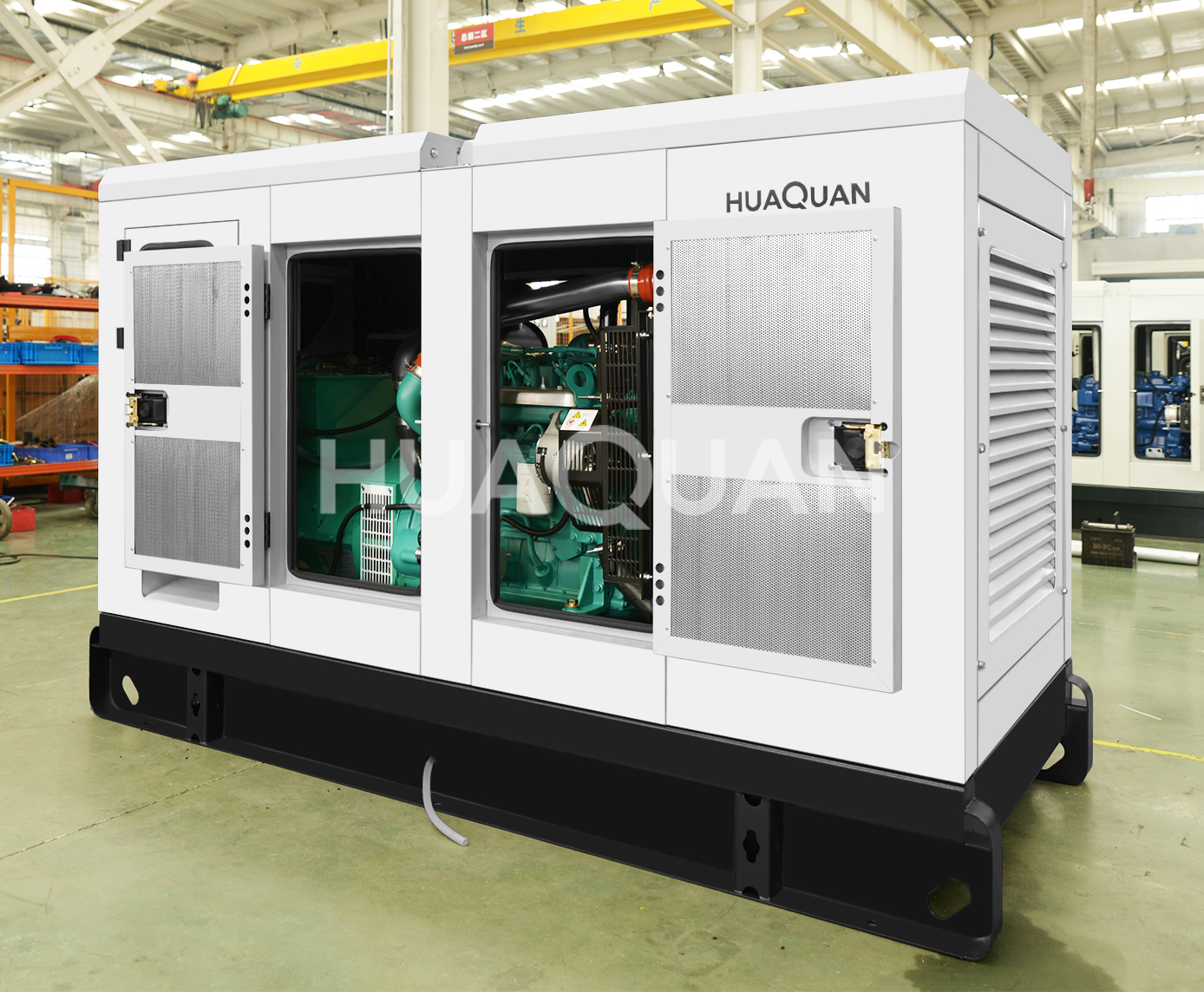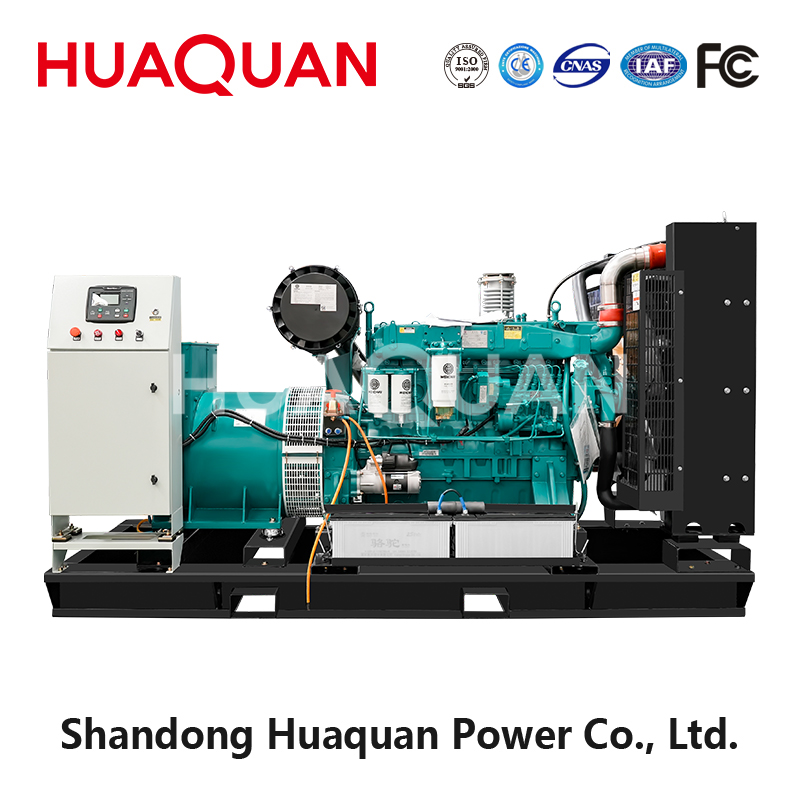
Cooling airflow is the single most underestimated factor in 柴油发电机组 表现. A generator that can’t breathe can’t produce rated power — and in extreme cases, inadequate cooling destroys the engine within minutes. Here’s exactly how cooling airflow affects every aspect of 发电机性能, and how to ensure your installation gets it right.
How Diesel 发电机 Reject Heat
A diesel engine converts only 35-45% of fuel energy into mechanical power. The remaining 55-65% becomes waste heat that must be removed by the cooling system. For a 500 kW generator at full load, that means approximately 650-900 kW of heat energy must be dissipated continuously. The cooling system handles this through two pathways:
- Jacket water cooling (60-70% of waste heat): Circulates coolant through the engine block and cylinder heads, then rejects heat through the radiator. Airflow across the radiator fins transfers this heat to the atmosphere.
- Charge air cooling (15-25% of waste heat): The turbocharger compresses intake air, heating it to 300-450°F. The aftercooler/intercooler must cool this charge air back to 100-130°F for optimal combustion. This also requires airflow across the aftercooler core.
- Radiation and convection (5-15% of waste heat): Heat radiates directly from the engine block, exhaust manifold, and turbocharger housing into the surrounding air.
What Happens When Airflow Is Insufficient
1. Derating — Loss of Rated Power Output
When the cooling system can’t reject heat fast enough, coolant temperature rises above the design setpoint (typically 195-210°F for jacket water). The engine control module responds by reducing fuel injection to limit heat generation, which directly reduces power output. 一个 500 kW generator with restricted airflow may produce only 400-450 kW — or less.
| Coolant Temperature Rise | Typical Power Derating | 长期影响 |
|---|---|---|
| 5°F above rated | 0-5% 功率损耗 | 磨损增加, 效率降低 |
| 10°F above rated | 5-15% 功率损耗 | Accelerated oil degradation |
| 20°F above rated | 15-30% 功率损耗 | Potential head gasket failure |
| 30°F+ above rated | Automatic shutdown | Thermal damage risk |
2. Combustion Degradation
When the aftercooler can’t cool the intake charge adequately, the hot, less-dense intake air reduces the mass of oxygen entering each cylinder. Less oxygen means less fuel can be burned, reducing power output. Hot intake air also increases the risk of detonation (knock), which can destroy pistons and connecting rods in minutes.
| Intake Air Temperature | Air Density Change | Power Impact |
|---|---|---|
| 100°F (设计) | 基线 | 100% 额定功率 |
| 130°F | -7% density | -5 到 -8% 力量 |
| 160°F | -13% density | -10 到 -15% 力量 |
| 200°F | -20% density | -18 到 -25% 力量 + knock risk |
3. Oil Breakdown and Engine Wear
Engine oil operating 20°F above its design temperature oxidizes 2-3× faster. Oxidized oil forms sludge, loses viscosity, and fails to protect bearing surfaces. In turbocharged engines, the turbo bearing is particularly vulnerable — turbo oil temperatures can exceed 250°F when cooling is marginal, causing coked oil deposits that eventually seize the turbocharger.
Common Airflow Problems in Generator Installations
| 问题 | 原因 | 症状 | 使固定 |
|---|---|---|---|
| Recirculation | Hot discharge air drawn back into intake | High intake air temp; rising coolant temp | Install discharge louvers directing air away; increase separation |
| Restricted intake | Too-small room openings; clogged filters | Low static pressure; reduced airflow volume | Enlarge openings; clean/replace filters |
| Inadequate room volume | Generator room too small | Room temperature rises continuously during operation | Add forced ventilation; install exhaust fans |
| 高度 | Thin air at elevation reduces cooling capacity | Derating at altitudes above 3,300 脚 | Oversize radiator; add altitude derating calculation |
| Dirty radiator fins | 灰尘, 碎片, insects blocking airflow | Gradual temperature increase over weeks | Clean radiator with low-pressure water/air |
Airflow Requirements by Generator Size
| 发电机额定值 | Cooling Airflow Required | Minimum Room Opening Area | Discharge Air Temperature Rise |
|---|---|---|---|
| 50-100 千瓦 | 3,000-6,000 CFM | 8-15 平方英尺 | 20-30°F above ambient |
| 100-250 千瓦 | 6,000-15,000 CFM | 15-30 平方英尺 | 20-30°F |
| 250-500 千瓦 | 15,000-30,000 CFM | 30-50 平方英尺 | 20-30°F |
| 500-1,000 千瓦 | 30,000-60,000 CFM | 50-100 平方英尺 | 20-30°F |
| 1,000+ 千瓦 | 60,000+ CFM | 100+ 平方英尺 | 20-30°F |
Best Practices for Generator Room Ventilation
- Separate intake and discharge by at least 10 脚 — more is better. The discharge opening should be larger than the intake to prevent pressurization.
- Intake at low elevation, discharge at high elevation — hot air rises; use natural convection to assist mechanical airflow.
- Install weather louvers with bird screens — prevent rain and pests while maintaining airflow.
- Size for the hottest day — design your ventilation for 110°F ambient, not the average 85°F day. When you need your generator most (during a summer outage), ambient temperatures are at their highest.
- Consider remote radiators for confined spaces — a remote radiator mounted outside the generator room eliminates the largest heat source from the room, dramatically reducing ventilation requirements.
Huaquan Tip: Proper cooling installation is as important as the generator itself. All 华全柴油发电机组 ship with detailed installation guides specifying airflow requirements. Our engineering team provides free ventilation design assistance for generator room installations.