Propane burns cleaner than diesel — it produces approximately 30–40% less CO, 90% less particulate matter, and virtually no sulfur oxides. 然而, diesel has nearly 50% higher energy density (138,000 BTU/gal vs. 91,500 BTU/gal), meaning you burn fewer gallons for the same output and your generator runs longer on the same volume of fuel. The environmental comparison is nuanced and depends on whether you prioritize local air quality, greenhouse gas impact, or fuel transport efficiency.
Emissions Comparison: Propane vs. 柴油发电机组
| Pollutant | 丙烷 (克/千瓦时) | 柴油机 (克/千瓦时) | % 不同之处 | Health/Environmental Impact |
|---|---|---|---|---|
| Carbon Monoxide (CO) | 1.8 | 2.8 | −36% (propane better) | Acute poisoning risk; CO displaces oxygen in blood |
| Nitrogen Oxides (氮氧化物) | 2.5 | 6.8 | −63% (propane better) | Smog precursor, respiratory irritant |
| Particulate Matter (下午) | 0.02 | 0.35 | −94% (propane better) | Lung cancer, asthma, cardiovascular disease |
| Sulfur Oxides (SOx) | ~0.00 | 0.05 | −100% (propane better) | Acid rain, respiratory damage |
| CO₂ (二氧化碳) | 560 | 690 | −19% (propane better) | Primary greenhouse gas |
| Methane (CH₄) — unburned | 0.8 | 0.01 | +7,900% (propane worse) | Methane is 25× more potent GHG than CO₂ (100-yr GWP) |
Data based on EPA AP-42 emission factors for small spark-ignited (丙烷) and compression-ignition (柴油机) 发动机, 100–500 hp range. Actual emissions depend on engine tuning, 负载系数, 和维护.
Why Diesel Still Has an Environmental Argument
Despite higher per-kWh emissions, diesel’s higher energy density means:
- Less fuel to transport: To deliver the same 500 kWh of energy output at 35% 发电机效率, 你需要 138 gallons of propane vs. 91 gallons of diesel. Transporting fuel has its own carbon footprint (truck fuel, tank production, ETC。).
- Fewer stops to refuel: In an extended outage scenario, diesel refueling trips are 30–40% less frequent than propane refueling trips for the same runtime.
- Longer engine life: 一个 1,800 RPM diesel generator lasts 10,000–30,000 hours before overhaul — 3–10× longer than a 3,600 RPM gasoline/propane generator. Fewer generator replacements means less manufacturing and disposal waste over 20 年.
Well-to-Wheels Emissions: The Full Picture
Looking at total lifecycle emissions (extraction, 加工, transport, 燃烧) changes the comparison:
| 阶段 | 丙烷 | 柴油机 (ultra-low sulfur) |
|---|---|---|
| Extraction & 加工 | Propane is a byproduct of natural gas processing and oil refining — if not captured, it’s flared. Marginal emissions are low. | Diesel requires dedicated refining from crude oil at ~6–8 kWh/gal embedded energy. |
| Methane leakage | Natural gas extraction leaks methane — a potent GHG. 丙烷, as an NGL, inherits some of this upstream impact. | Methane leakage from oil extraction is lower than natural gas, but still significant. |
| Transport | Trucked as liquid under moderate pressure — requires energy for pressurization. | Trucked as liquid at ambient pressure — lower transport energy per unit of energy delivered. |
| 燃烧 | 干净的, complete combustion with well-tuned engine. Low particulate emissions. | Higher PM and NOx, but modern engines with DOC and DPF meet EPA Tier 4 标准. |
Practical Environmental Recommendation
- For residential backup (<100 hrs/yr): Propane is cleaner for local air quality, produces less CO (safer in partial outdoor operation), and has lower per-hour emissions. The higher 油耗 is irrelevant because total runtime is low.
- For industrial/continuous duty (500+ hrs/yr): Modern Tier 4 柴油机 发电机 with diesel oxidation catalysts (文档), diesel particulate filters (柴油颗粒过滤器), and selective catalytic reduction (可控硅) achieve near-propane-level emissions while maintaining diesel’s energy density and reliability advantage.
- For off-grid renewable hybrid systems: A diesel generator paired with solar + 电池 — running only 100–400 hours/year to supplement the 电池 — provides the best balance of low emissions and reliable power.
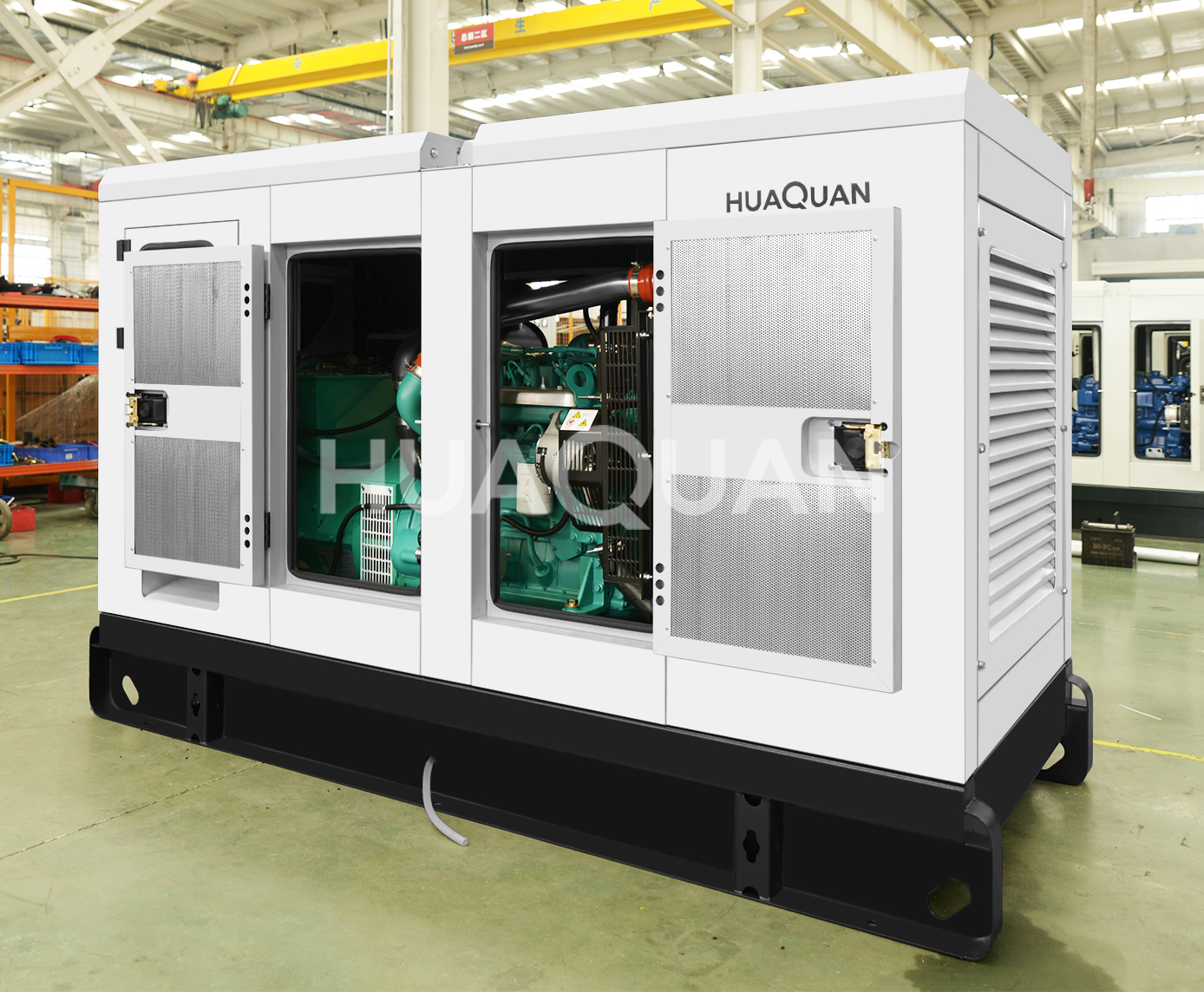
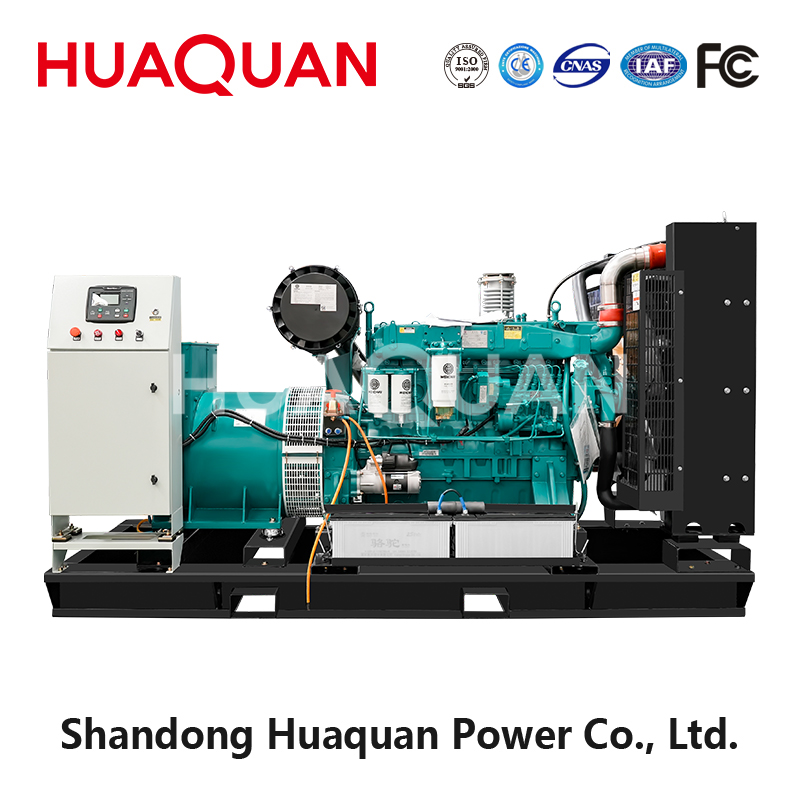
For large-scale projects requiring EPA Tier 4-compliant diesel generators with integrated emission control systems, 华泉动力柴油发电机组 offer DOC/DPF/SCR options to meet the strictest environmental regulations.