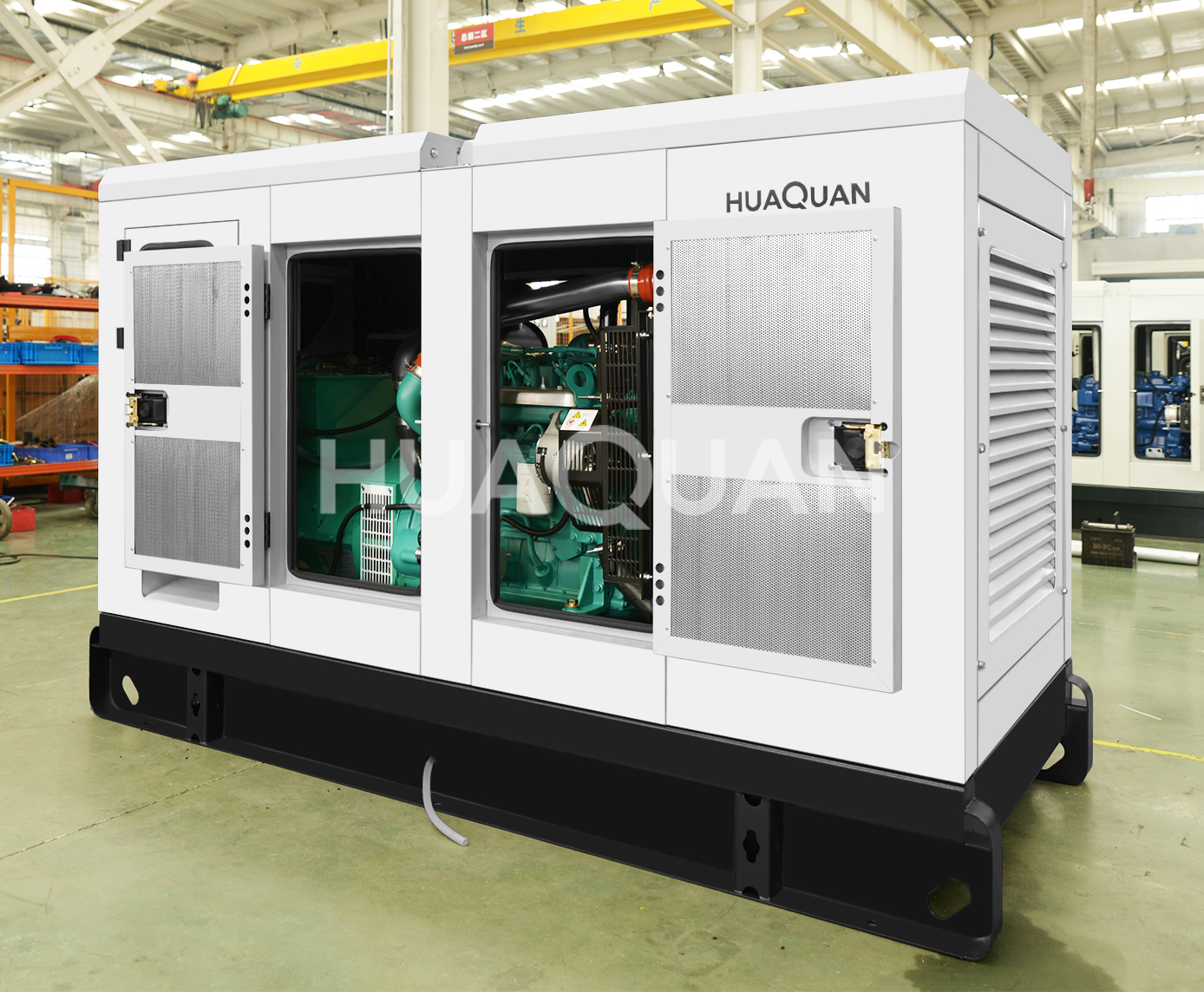
是的, you can connect a natural 气体发生器 to your 家’s gas pipe. This is how whole-house standby 发电机 receive their fuel supply — a dedicated gas line runs from your existing gas meter to the generator’s fuel inlet. 然而, the connection must be performed by a licensed plumber or gas fitter, and your existing gas meter may need an upgrade if the generator’s gas demand exceeds the meter’s rated capacity.
Gas Line Requirements
The gas line connecting the generator to the meter must be sized based on three factors: the generator’s 油耗 满载时, the length of the pipe run, and the acceptable pressure drop. Natural gas is delivered to residential meters at ¼–7 inches of water column (0.09–0.25 psi), and the generator’s fuel system typically requires a minimum of 7–11 inches WC at the inlet.
| 发电机功率 (千瓦) | Full-Load Gas Consumption (cu ft/hr) | Minimum Pipe Size (50 ft run, 1″ WC drop) | Minimum Pipe Size (100 ft run) | Minimum Pipe Size (200 ft run) |
|---|---|---|---|---|
| 12 千瓦 | 180 cu ft/hr | 1” | 1¼″ | 1½″ |
| 14 千瓦 | 210 cu ft/hr | 1” | 1¼″ | 1½″ |
| 17 千瓦 | 260 cu ft/hr | 1” | 1¼″ | 2” |
| 20 千瓦 | 320 cu ft/hr | 1¼″ | 1½″ | 2” |
| 24 千瓦 | 385 cu ft/hr | 1¼″ | 1½″ | 2” |
| 30 千瓦 | 450 cu ft/hr | 1½″ | 2” | 2½″ |
Pipe sizing based on Schedule 40 black iron pipe, natural gas at 0.60 specific gravity, 1″ WC allowable pressure drop. Copper tubing (type K or L) may be used if the gas composition does not corrode copper — check with your gas utility.
Meter Capacity Assessment
Your existing gas meter has a maximum flow rating stamped on its nameplate — typically 250, 400, 或者 625 cubic feet per hour (CFH) for residential meters. You must add the generator’s gas consumption to your home’s existing peak gas usage (furnace, water heater, stove, fireplace) to determine if the meter is adequate.
计算示例:
- 家: 2,200 sq ft with gas furnace (120 CFH), gas water heater (60 CFH), gas range (40 CFH), gas fireplace (50 CFH)
- Existing peak usage: 120 + 60 + 40 + 50 = 270 CFH
- Planned 20 千瓦发电机: 320 CFH at full load
- Total peak demand: 270 + 320 = 590 CFH
- Existing meter: 400 CFH meter → must upgrade to 625 CFH meter
The gas utility typically performs the meter upgrade at their cost — they want to ensure safe delivery. 然而, they may require the homeowner to install a larger service line from the main to the meter if the existing line is undersized. That cost ($2,000–$10,000 depending on trenching distance) is the homeowner’s responsibility.
Installation Procedure
- Gas load calculation — Licensed plumber calculates total demand and pipe sizing per NFPA 54 (National Fuel Gas Code) 桌子 402.4
- Meter assessment — Contact gas utility to verify meter capacity — they may upgrade for free
- Pipe run — Install dedicated gas line from meter outlet to generator location, with a gas shutoff valve within 6 feet of the generator and accessible without tools
- 压力测试 — Test the new gas line at 10 磅/平方英寸 (通常) 为了 30 minutes with zero pressure drop — mandatory per NFPA 54
- Regulator installation — Install a secondary regulator near the generator if gas pressure exceeds the generator’s maximum inlet rating (usually 14″ WC max for standby generators)
- Purging — Purge air from the new gas line before first startup — air in the line prevents ignition and can cause fuel starvation during the generator’s automatic startup sequence
- Generator setup — Program the generator controller for the correct fuel type — some Generac models default to propane and require a NG orifice change on the fuel regulator
Cost of Gas Line Installation
| 成分 | 成本范围 |
|---|---|
| Pipe and fittings (black iron, 50 ft run) | $200–$400 |
| Plumber/labor (4–8 hours, $100–$200/hr) | $500–$1,600 |
| Secondary regulator kit | $100–$250 |
| 压力测试 + permit fees | $100–$300 |
| Meter upgrade (如果需要的话, utility may cover) | $0–$2,000 |
| Total estimated | $900–$3,550 |
Gas line installation typically costs less than propane tank installation ($1,500–$4,000 for a 500-gallon buried tank). For commercial facilities requiring larger gas volumes, 华泉动力柴油发电机组 avoid gas infrastructure entirely — diesel tanks are standalone, requiring only fuel delivery and no utility coordination.