柴油机 发电机 consume 0.25–0.35 liters of fuel per kilowatt-hour (KWh) 在 75% 加载. At $0.80–$1.20 per liter, every percentage point of excess fuel consumption translates directly to operating cost. 更重要的是, a sudden increase in fuel consumption is often the first warning sign of a developing mechanical problem—injector wear, turbocharger degradation, compression loss, or cooling system inefficiency. This guide explains normal fuel consumption curves for diesel generators 10–3000 KW, diagnostic methods for abnormal consumption, root causes with troubleshooting procedures, and fuel-saving strategies that can reduce operating costs by 10–25%.
要点
- ✔ Diesel generators burn 0.25–0.35 L/KWh at 75% 加载; 在 50% 加载, efficiency drops to 0.35–0.45 L/KWh
- ✔ A 10% 燃油消耗增加超过 500 hours signals a problem—investigate immediately
- ✔ The #1 cause of increased consumption: dirty air filter (restricts intake → incomplete combustion → fuel waste)
- ✔ Oversized generators running at <30% load burn 40–60% more fuel per KWh than at 75% load
- ✔ Injector problems account for ~30% of fuel consumption complaints—test injectors at first sign
- ✔ Fuel quality matters: poor-quality diesel reduces energy density and combustion efficiency
- ✔ A fuel consumption log is the single most valuable diagnostic tool for engine health monitoring
Normal Diesel Generator Fuel Consumption Reference
| 发电机尺寸 (千瓦) | 在 25% 加载 (升/小时) | 在 50% 加载 (升/小时) | 在 75% 加载 (升/小时) | 在 100% 加载 (升/小时) | Avg L/KWh at 75% |
|---|---|---|---|---|---|
| 10 千瓦 | 1.2–1.8 | 1.8–2.5 | 2.5–3.5 | 3.5–4.5 | 0.33–0.47 |
| 20 千瓦 | 2.0–2.8 | 3.2–4.2 | 5.0–6.5 | 7.0–8.5 | 0.33–0.43 |
| 50 千瓦 | 4.5–6.0 | 7.5–9.5 | 12–15 | 16–20 | 0.32–0.40 |
| 100 千瓦 | 8–11 | 14–18 | 22–28 | 30–37 | 0.29–0.37 |
| 200 千瓦 | 15–20 | 27–34 | 43–53 | 58–70 | 0.29–0.35 |
| 500 千瓦 | 35–48 | 65–80 | 100–125 | 135–160 | 0.27–0.33 |
| 1000 千瓦 | 70–95 | 125–155 | 195–240 | 260–310 | 0.26–0.32 |
| 2000 千瓦 | 135–180 | 245–300 | 380–470 | 510–600 | 0.25–0.31 |
Values assume turbocharged diesel engines at ISO conditions (25℃, 海平面). Actual consumption varies by engine brand, 年龄, 燃油质量, 及保养状况.
How to Calculate Generator Fuel Consumption
Standard Formula
燃油消耗 (升/小时) = Generator Load (千瓦) × Specific Fuel Consumption (L/KWh)
Specific fuel consumption varies by load:
- 在 100% 加载: 0.27–0.33 L/KWh (optimum efficiency)
- 在 75% 加载: 0.25–0.35 L/KWh (best L/KWh ratio)
- 在 50% 加载: 0.30–0.45 L/KWh
- 在 25% 加载: 0.35–0.55 L/KWh (worst efficiency)
Fuel Cost Calculation
Hourly Fuel Cost = Fuel Consumption (升/小时) × Diesel Price ($/L)
例子: 500 KW generator at 75% load = 375 KW output. 消费在 0.28 L/KWh = 105 升/小时. At $1.00/L: $105/小时, $2,520/day, $75,600/month of continuous operation.
8 Root Causes of Abnormal Fuel Consumption
| 原因 | How It Increases Consumption | Expected Increase | Diagnosis Method | 使固定 |
|---|---|---|---|---|
| 1. 空气过滤器脏了 | Restriction → less air → engine runs rich → poor combustion | +5–15% | Check air filter restriction indicator; vacuum gauge reading | Replace air filter element |
| 2. Worn/Clogged Injectors | Poor atomization → incomplete combustion → fuel wasted as smoke | +10–25% | 冒黑烟; fuel dilution in oil; injector test bench | Clean or replace injectors |
| 3. Turbocharger Degradation | Reduced boost → less air → combustion efficiency drops | +8–20% | Low boost pressure reading; 黑烟; turbo lag | Inspect turbo; clean or rebuild |
| 4. 低压缩 | Worn rings/cylinders → compression leak → incomplete burn | +10–30% | 压缩测试; blow-by measurement; hard starting | 发动机大修 (戒指, liners) |
| 5. 注射正时不正确 | Fuel injected too early/late → energy not converted efficiently | +5–12% | 定时灯; ECU scan tool (electronic engines) | Adjust timing per OEM spec |
| 6. Engine Overcooling | Thermostat stuck open → engine runs cold → inefficient combustion | +5–10% | Low coolant temp despite load; thermostat test | 更换恒温器 |
| 7. 燃油质量差 | Low cetane, 水污染, old fuel → reduced energy/L | +3–8% | Fuel lab analysis; visual inspection for cloudiness | Drain and refill; polish fuel |
| 8. Generator Oversized for Load | Engine runs at <30% load → wet stacking, carbon buildup | +40–60% per KWh | Compare actual load vs generator rating | Right-size generator or add load bank cycling |
Fuel Consumption Diagnostic Flowchart
- Establish baseline: What was normal consumption at this load level last month / last service?
- Confirm measurement: Is fuel being stolen or leaking? Check tank level physically vs hour meter + rated consumption.
- Check air system: Inspect air filter restriction indicator. Clean or replace if restricted.
- Visual exhaust check: Black smoke = rich mixture (注射器, 空气限制, turbo). White smoke = unburned fuel (low compression, 定时). Blue smoke = oil burning.
- Measure boost pressure: Compare turbocharger boost to OEM spec at full load. Low boost = turbo or intake leak.
- Check coolant temperature: Should reach 80–95°C within 10–15 minutes under load. Cold running = thermostat.
- Perform compression test: All cylinders within 10% of each other and within OEM spec. Low compression = internal wear.
- 测试喷油器: Remove and test on pop tester or injector test bench. Check spray pattern, opening pressure, 泄漏.
- Fuel analysis: Send fuel sample to lab for cetane number, 含水量, particulate count, 微生物生长.
- If all above pass: Consider external factors—temporary load increase, different fuel supplier, seasonal temperature change.
Fuel-Saving Strategies for Diesel Generators
| 战略 | Fuel Saving Potential | 实施成本 | 投资回收期 |
|---|---|---|---|
| Right-size generator to 60–80% average load | 15–40% | Replacement cost (offset by resale) | 6–18 months (high-usage) |
| Install load bank for periodic full-load cycling | 5–10% | $2,000–20,000 (load bank) | 3–12 months |
| Regular air filter replacement (every 500h) | 3–8% | $20–100 per filter | 即时 (天) |
| 燃油抛光 / tank cleaning | 2–5% | $500–2,000 per tank | 3–6 个月 |
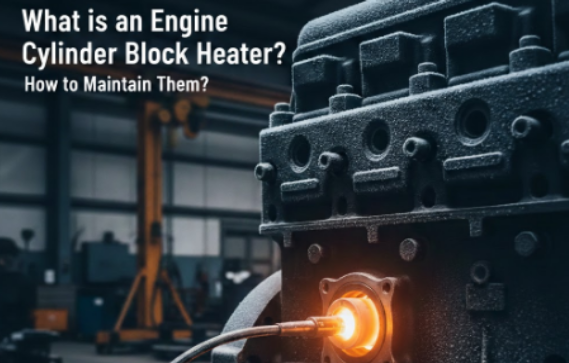
| Engine block heater (cold climates) | 5–15% (cold starts) | $500–2,000 | 2–6 个月 (cold climate) |
| VFD cooling fan (replace belt-driven) | 3–5% | $2,000–10,000 | 12–24 个月 |
| Parallel multiple small generators | 10–25% | Additional generators + 控制 | 1–3 years |
| Synthetic engine oil (reduced friction) | 1–3% | +$5–15 per oil change | 即时 |
Fuel Consumption Monitoring Checklist
- ☐ Record fuel consumption daily: tank level (量油尺), hour meter, 平均负载
- ☐ Calculate L/KWh weekly and plot trend line—look for upward drift
- ☐ Install fuel flow meter for real-time consumption monitoring (recommended above 200 千瓦)
- ☐ Compare actual consumption to engine manufacturer’s fuel curve at each load point
- ☐ Investigate any increase >5% from baseline that persists for >2 weeks
- ☐ Calibrate fuel level sensors annually to ensure accuracy of tank level readings
- ☐ Track fuel supplier changes—fuel quality varies significantly between sources
- ☐ Monitor exhaust opacity (smoke meter) at each service—trend data is more valuable than single readings
- ☐ Include fuel consumption trend in quarterly maintenance review meetings
常问问题
柴油发电机每小时消耗多少燃油?
A diesel generator burns approximately 0.25–0.35 liters per KWh at 75% 加载. 一个 100 KW generator at 75 KW output consumes roughly 22–28 L/h. 在 50% 加载 (50 千瓦), consumption is 14–18 L/h, but the efficiency is worse—0.30–0.45 L/KWh versus 0.29–0.37 at 75%. 运行于 25% load burns 0.35–0.55 L/KWh—nearly double the per-unit consumption of optimal loading.
Why did my generator’s fuel consumption suddenly increase?
Sudden increases (10%+ in days/weeks) typically indicate: (1) dirty air filter—most common, check immediately; (2) fuel quality change—different supplier or contaminated fuel; (3) injector problem—one or more injectors dribbling or with poor spray pattern; (4) turbocharger issue—boost leak or turbo degradation; (5) cold weather—engine running below operating temperature (thermostat failure). Start diagnosis with the air filter—it’s the cheapest, fastest check and the most likely culprit.
What is normal fuel consumption for a 500 KW diesel generator?
在 75% 加载 (375 千瓦), 一个 500 KW diesel generator consumes 100–125 L/h. 在 100% 加载 (500 千瓦): 135–160 L/h. 在 50% 加载 (250 千瓦): 65–80 L/h. Annual fuel consumption at 75% 加载, 24/7 手术: ~920,000 liters. At $1.00/L, that’s $920,000/year—underscoring why even a 5% fuel saving ($46,000/年) justifies significant investment in efficiency.
Does generator load affect fuel efficiency?
是的, dramatically. Diesel generators achieve peak fuel efficiency (lowest L/KWh) between 70–80% load. 以下 40% 加载, efficiency drops sharply due to incomplete combustion and wet stacking. A generator running continuously at 25% load will burn 40–60% more fuel per KWh than at 75% load—and suffer accelerated engine wear from carbon buildup. Right-sizing your generator is the single most effective fuel-saving measure.
Can poor diesel quality cause high fuel consumption?
是的. Low cetane diesel (<45 cetane) ignites slowly, causing incomplete combustion, power loss, and increased fuel consumption by 3–8%. Water-contaminated reduces energy density damages injectors. Old oxidized (stored>6–12 months without stabilizer) forms gums and varnishes that reduce combustion efficiency. Always test fuel quality if consumption increases without an obvious mechanical cause.
How do I track generator fuel consumption accurately?
Install a fuel flow meter on the fuel supply line and return line; calculate net consumption = supply – 返回. Record daily: 燃油位 (physical dipstick, not just gauge), hour meter reading, and average load (千瓦). Calculate L/KWh = (Liters consumed) / (Average KW × Hours). Track this number weekly on a spreadsheet or maintenance software. A rising trend line is the earliest warning of developing mechanical problems.
Does a dirty air filter really increase fuel consumption?
Yes—a restricted air filter is the #1 cause of increased fuel consumption in diesel generators. The engine’s governor compensates for reduced air by injecting more fuel to maintain RPM and power, resulting in a rich fuel-air mixture, 黑烟, and 5–15% higher fuel consumption. 一个 $50 air filter ignored for 500 extra hours can waste $2,000–5,000 in excess fuel. Replace air filters on schedule.
What causes black smoke and high fuel consumption?
Black smoke = incomplete combustion (excess fuel, 空气不足). Causes in order of likelihood: (1) dirty air filter, (2) turbocharger not producing rated boost, (3) worn injectors with poor atomization, (4) overloaded generator (exceeding rated KW), (5) incorrect injection timing, (6) low compression in one or more cylinders. Black smoke is visible fuel being wasted—address it immediately.
How does cold weather affect generator fuel consumption?
Cold weather increases fuel consumption in three ways: (1) cold engine burns fuel less efficiently until it reaches operating temperature (80–95°C)—the first 10–15 minutes can consume 15–30% more fuel; (2) cold intake air is denser, requiring more fuel to maintain the correct air-fuel ratio; (3) cold lubricating oil is thicker, increasing internal friction. An engine block heater eliminates most of the cold-start penalty.
What is the most fuel-efficient generator size for my load?
Size the generator so your normal operating load falls between 60–80% of the generator’s prime rating. 例子: if your facility’s average load is 200 千瓦, select a 275–350 KW generator. This provides headroom for load fluctuations while maintaining fuel-efficient operation. If load varies widely (100–400 KW daily), consider two 200 KW generators running in parallel—run one during low load, both during peak.
Can I mix old and new diesel fuel?
Generally yes, but old fuel (>6 months) contains oxidized compounds that accelerate degradation of fresh fuel when mixed. 最佳实践: use the oldest fuel first (FIFO inventory), add fuel stabilizer to long-term stored fuel, and test fuel quality annually. If fuel shows signs of microbial growth or water contamination, do not mix—drain and clean the tank first.
How much can I save by switching to natural gas?
Natural gas generators typically have 15–25% lower fuel cost per KWh than diesel (depending on local gas/electricity pricing), but natural gas engines are 5–10% less efficient (lower compression ratio), and gas generators derate more at altitude. Total lifecycle cost comparison must include: fuel price, generator purchase price (gas engines are 20–30% more expensive), 维护 (gas engines have different maintenance profiles), and fuel storage (diesel requires tanks; gas requires pipeline or CNG/LNG storage).
相关文章
- Generator Fuel Filter Complete Guide
- 柴油发电机燃油系统维护
- Diesel Generator Fuel Tank Cleaning Guide
- How to Calculate Diesel Generator Power
- Diesel Generator Derating Guide
- Diesel Generator Cooling System Guide
- 柴油发电机维护清单
- Generator Air Filter Guide
- Diesel Generator Troubleshooting Guide
- Natural Gas vs Diesel Generator Comparison
- 发电机选型: Right Capacity
- Diesel Generator Engine Parts Guide
Recommended Products
Huaquan Power provides diesel generators 10–3000 KW from Cummins, 帕金斯, 人, 沃尔沃, 潍柴, and Deutz with verified fuel consumption curves and factory test reports. Every generator includes baseline fuel consumption data at 25%, 50%, 75%, 和 100% 加载.
- Perkins Fuel-Efficient Generators — 10–2500 KW
- Cummins High-Efficiency Generators — 50–3000 KW
- Volvo Penta Low-Consumption Generators — 100–700 KW
- 天然气 / 沼气发生器 Sets — 20–2000 KW
- Fuel Flow Meters and Monitoring Systems — Retrofit kits available