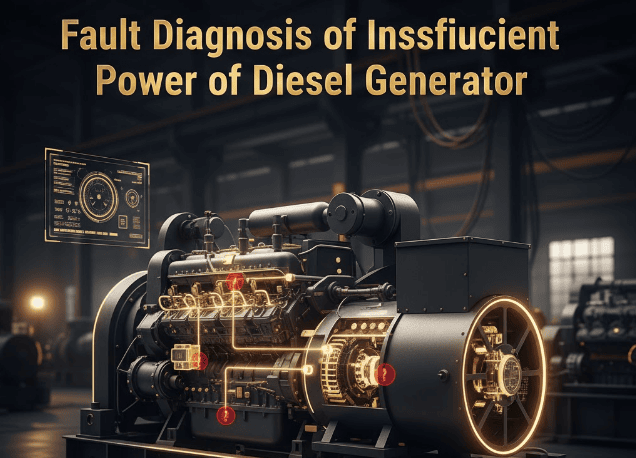
柴油机 发电机 that are designed to be used for longer periods of time, such as prime and continuous power generators, require maintenance every 500 小时. Due to their heavy load-carrying capacity and continuous on-site operation, extensive maintenance saves from sudden breakdowns and improves engine efficiency.
Here is a complete guide to maintenance items for diesel generators.
What to check: 柴油发电机组 Maintenance Items List Every 500 小时
The following items must be checked while performing 柴油发电机维护.
- Fuel Tank Inspection
The diesel fuel tank must be inspected carefully. The grease that is formed during continuous operations sticks to the tank walls, which in turn reduces fuel efficiency. Over time, water contamination in stored diesel leads to the growth of diesel bugs. In such cases, scrubbing and drying the diesel tank is necessary before being refilled with diesel.
Caution: Diesel causes burns on the skin, and its dangerous fumes also cause breathing problems. Before performing any maintenance activity with the diesel generator, wear personal protective equipment.
- Fuel Condition Assessment
During long storage periods and cold weather conditions, diesel gelling can occur. 而且, due to trapped moisture, the diesel undergoes a transformation process, forming harmful varnishes. When such fuel is consumed in diesel generators, it leads to reduced energy production per unit volume, thus consuming more fuel and producing little energy.
Diesel gelling is most likely to occur in areas with low temperatures. If diesel is stored for longer durations(6-12 months), it requires fuel polishing. During this process, the diesel is passed through filtration. This is done to restore the quality of fuel, save from filter clogging, and prevent accidental engine shutdown.
- Replace the fuel filters
The fuel filters in the diesel generator are the primary protectors of your engine. When these filters get clogged, the engine sounds noisier and is difficult to start. Clogged filters also reduce the amount of fuel reaching the engine.
Fuel filters must be unclogged properly. It is better to replace them after 500 hours to maintain engine efficiency.
- Check the health of batteries
Another area that requires utmost attention is battery health. The inspection of battery health saves you from unexpected failures. After 500 hours of use, check the battery health by checking:
- The electrolyte level
- If connections are secure
- If any corrosion present on the terminals
Wipe the surface of the battery with a clean cloth to remove any moisture or debris present on it.
Pro tip: Thermally insulate the battery if you are using a diesel generator in cold areas. It improves battery life and improves cold start.
- Cooling System Maintenance
An integrated cooling system cools the heat generated by the diesel engine. Keeping the radiator in a good working condition is important for this system to operate properly. Inspect the cooling pipes for any leakage. 还, check radiator fins for mounted debris and any deformation.
而且, check the level of cooling fluids. If needed, replace them with high-quality coolant. Do not add cheap mixtures as they can affect the performance. Use only high-quality additive or antifreeze according to the manufacturer’s requirements to avoid the buildup of contaminants.
- Crankcase Breather Replacement
The crankcase breather reduces pressure in the diesel engine crankcase. It is often located on top of the valve cover. It offers a crankcase ventilation system (CCV) by providing a route for byproduct gases.
Over time, the breather can become clogged, and wear may occur due to degradation causing severe oil leaks. Although small, this little component is important for engine performance. A faulty crankcase breather traps emissions and gases, leading to high internal pressure affecting the engine directly.
It is ideal to replace the breather after 500 hours of use.
- Exhaust System and Muffler Inspection
The exhaust system collects waste gases, which flow through a passage called the exhaust manifold. These gases are passed through a muffler, which reduces the noise levels for quieter emissions.
A cause of the generator producing noises can be a clogged muffler. Clean the muffler and replace it if torn.
- Lubrication System Maintenance
The lubrication system in the generator is very important to keep the generator in good working condition. It helps reduce wear and tear of components by providing friction free surface.
Check the lubricant levels. If the levels are exceptionally high, inspect for any fuel leaks in the lubricant chamber. Clean the oil filter and remove extra grease while replacing the lubricant.
- Belts and Hoses Replacement
During on-site inspection, belts, hoses, and bolts are often overlooked. In diesel generators, the belts and hoses are made of rubber. They lose their elasticity with continued use, heat, and vibration.
Check for looseness and cracks on them. Perform tension checks on the belts. It is better to replace cracked and low-tension belts every 500-hour maintenance.
- Connections and Control Panel
Check the tightness of all the electrical connections and the functionality of alarms. Monitor the generator engine shutdown controls. While working with the control panel, note the hour meter of the generator, which counts the total operating hours. Proper record-keeping helps to schedule oil and filter replacements.
而且, check the emergency shutdown button to ensure it is functioning properly.
- Operational Load Testing
Operational load testing involves running the generator on an assumed low load for a short duration. This helps detect wet stacking. During testing, if the generator exhaust drips thick black soot and debris, it indicates wet stacking. This is formed due to the unburnt proportion of fuel components.
This test gives you an idea of the overall performance of the generator after maintenance. Inspect for unusual noise, leaks, and verify optimal performance of the generator.
Diesel Generator Maintenance Check List
Here is a quick overview of maintenance items after 500 hours of diesel generator use:
| Maintenance Item | Action |
| Wear PPE (mask, gloves, eye shields) |
| 2. 目视检查 | Inspect for Leaks, Corrosion, and Bolts on the Generator |
| 3. Fuel Tank | Debris, grease or any holes |
| 4. Fuel Situation | Assess for diesel bugs, moisture content |
| 5. Battery Health | Check battery terminals for connection and corrosion |
| 6. Cooling System | Check the cooling liquid level, clean radiator wings |
| 7. Crankcase Breather | Examine for clogging |
| 8. Lubrication | Monitor the level of lubricating fluid |
| 9. Belts and Hoses | Look for cracks, tearing, and tension in belts |
| 10. Control Panel | Examine alarms, emergency shut-off, and the hour monitor |
| 11. Operational Load Testing | Look over for minor issues (overheating, smoke) |
Tip: It is ideal to keep a maintenance record book. It enhances safety and supports warranty claims. Keep a log of all maintenance carried out, including oil changes, filter replacements, and parts replacements. It also aids in scheduling and recording future maintenance.
结论
The diesel generator remains in good working condition with regular maintenance. After 500 use hours, perform a visual inspection to check the generator’s performance. It is ideal to replace air and oil filters at this stage. For a reliable power source, perform scheduled maintenance and operate the generator under proper loads.
If you are looking for a diesel generator with a stable air intake for varying loads, try considering the YC系列柴油发电机组 by HuaQuan Power.