一个 电池 storage system and a generator are fundamentally different power sources. A generator converts fuel into electricity in real time — it produces power as long as fuel is available. 一个 电池 storage system stores electricity that was previously generated by the grid or solar panels, then releases it when needed. It does not generate its own power. This distinction drives every practical difference between the two technologies.
Core Technology Comparison
| 范围 | 发电机 (Gas/Diesel/Propane) | Battery Storage System |
|---|---|---|
| Power source | Fuel combustion → mechanical energy → electrical energy | Previously stored electrical energy (from grid, 太阳的, or generator) |
| Energy storage | Fuel in tank (chemical energy — usable immediately) | Battery cells (electrical energy — needs recharging) |
| Continuous runtime | 8–48 hours per tank (unlimited with refueling) | 2–12 hours per charge (requires grid or solar to recharge) |
| Recharge time | 5 分钟 (refuel) | 2–14 hours (depends on solar panel count or AC charger wattage) |
| 噪音 | 50–80 dB | 0 分贝 (completely silent) |
| 排放量 | CO, 氮氧化物, particulates — outdoor only | Zero — safe for indoor use |
| Power delivery | Can deliver full rated power instantly | Limited by inverter rating — typically 1,000–6,000W continuous |
| Motor starting surge | 2–5× rated output (excellent) | 1.5–2× inverter rating (有限的) |
| Upfront cost (5kWh usable) | $400–$1,500 (generator only) | $3,000–$6,000 (电池 + 逆变器) |
| Cost per kWh delivered | $0.20–$0.60 (燃料 + 维护) | $0.10–$0.30 (grid charging cost) or free (太阳的), amortized battery replacement ~$0.10/kWh |
| 寿命 | 1,000–5,000 engine hours (10–30 years with maintenance) | 3,000–10,000 cycles (5–15 years depending on chemistry and depth of discharge) |
How to Choose: Decision Flow by Use Case
设想 1: Short-duration backup (< 4 小时)
A 2,000–3,000Wh battery station ($1,500–$3,000) can power a refrigerator (600W × 3 hours = 1,800Wh), 灯, and phone chargers for a typical evening outage. After 25–40 such outages, the battery has paid back its premium over a $500 generator in convenience (no fueling, 沉默的, indoor-safe). If outages are rare and short, a battery station is the cleaner solution.
设想 2: Extended outages (12+ hours or days)
A 10kWh battery (the size of a Tesla Powerwall) running a refrigerator (600瓦) and lights (200瓦) at a real-world 80% depth of discharge provides 10,000Wh × 0.80 / 800W = 10 hours of runtime. It then takes 6+ hours of full sun through solar panels or 4+ hours on a 30A circuit to recharge. During that recharge time, you have no backup power. A 5,500W 气体发生器 和 5 gallons of fuel provides 8–10 hours of continuous runtime, and refueling takes 5 分钟. For extended outages, 发电机 are the practical choice.
设想 3: Off-grid or hybrid (太阳的 + 电池 + 发电机)
The optimal solution for many homeowners combines all three: solar panels charge the battery during the day, the battery powers the 家 at night (沉默的, zero emissions), and a generator provides backup for multi-day overcast periods or high-load events. This hybrid configuration is common in off-grid homes and increasingly popular in grid-connected homes with time-of-use rates.
总拥有成本: 10-Year Projection
| Cost Factor | Generator Only (5kW portable) | Battery Only (10千瓦时) | 太阳的 + 电池 + Generator Hybrid |
|---|---|---|---|
| 设备 | $800 | $10,000 | $15,000 |
| 安装 | $0–$800 | $1,000–$2,000 | $3,000–$5,000 |
| Fuel/electricity (20 outages/yr, 6 hours each) | $1,200 | $600 | $200 |
| 维护 | $500 | $0 | $500 |
| Battery replacement (年 10) | $0 | $0 (assumes LiFePO4 lasts 10+ 年) | $0 |
| 10-year total | $2,500–$3,300 | $11,600–$12,600 | $18,700–$20,700 |
| Coastal backup only | Best value | Luxury convenience | Ultimate resilience |
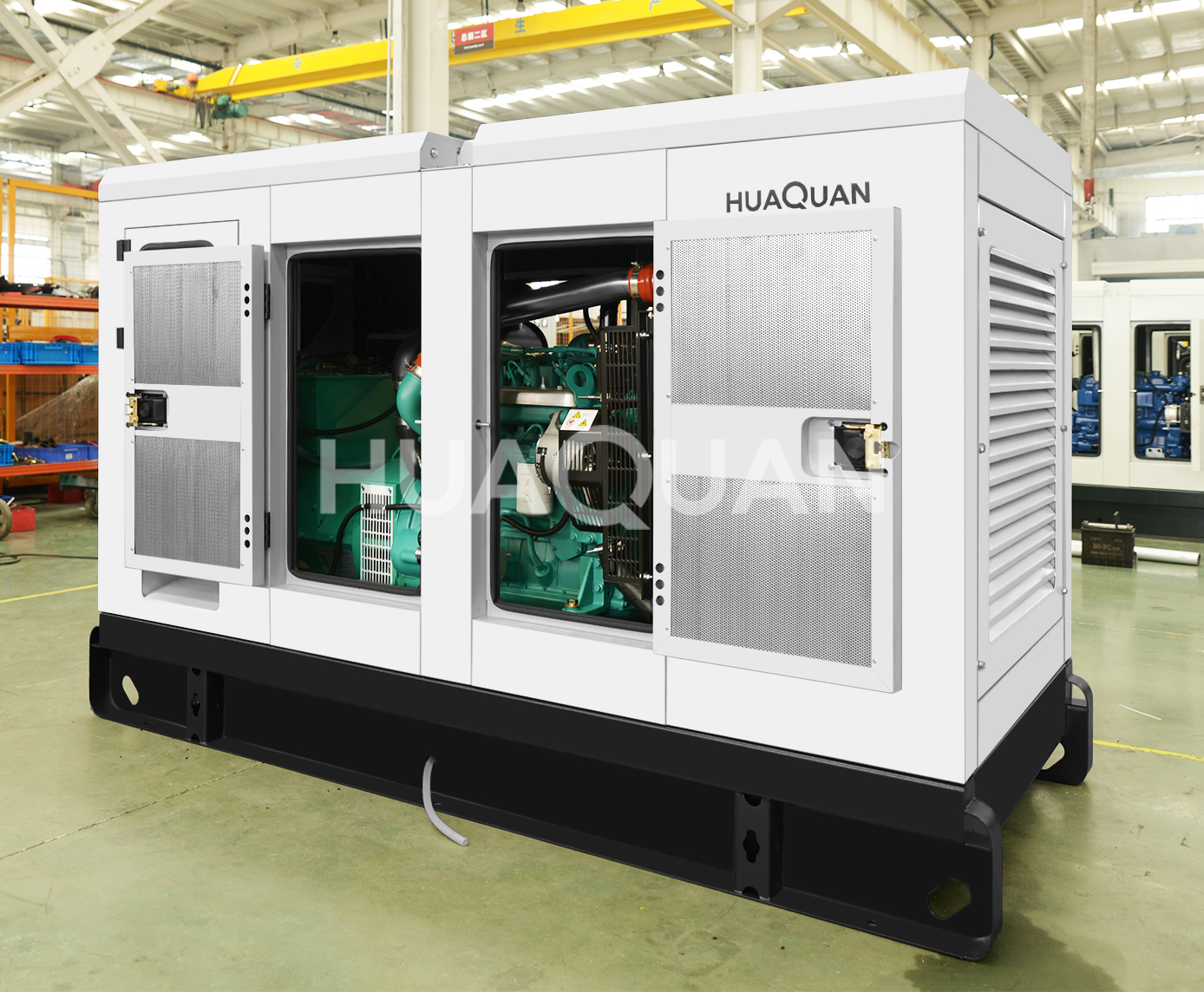
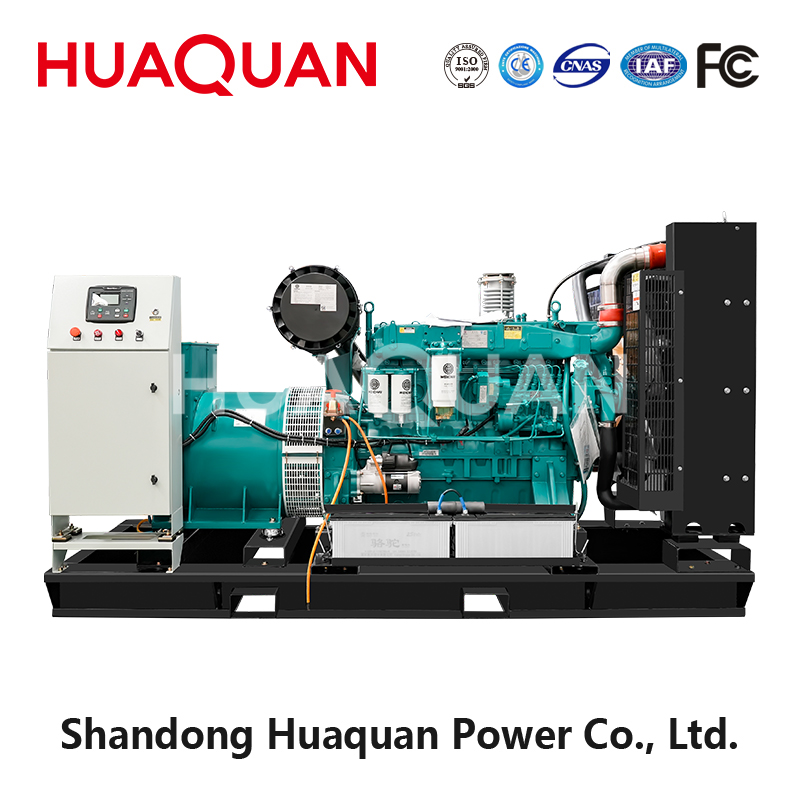
For reliable long-duration backup power without battery capacity anxiety, 华泉动力柴油发电机组 offer industrial-grade solutions from 20kW to 2,000kW with automatic mains failure and integration with battery storage systems.
⚡ 探索相关解决方案
- 🏭 500千瓦柴油发电机
- 🏭 1000千瓦柴油发电机
- 🏭 500千瓦YC柴油发电机组
- 🔧 知识管理系统 (康明斯/斗山) 系列
- 🔧 SC (SDEC) 系列
- 📋 柴油发电机组
- 📋 订购流程——如何购买
- 📋 联系我们
💡 需要定制解决方案? 联系我们的工程团队 针对特定项目的建议.