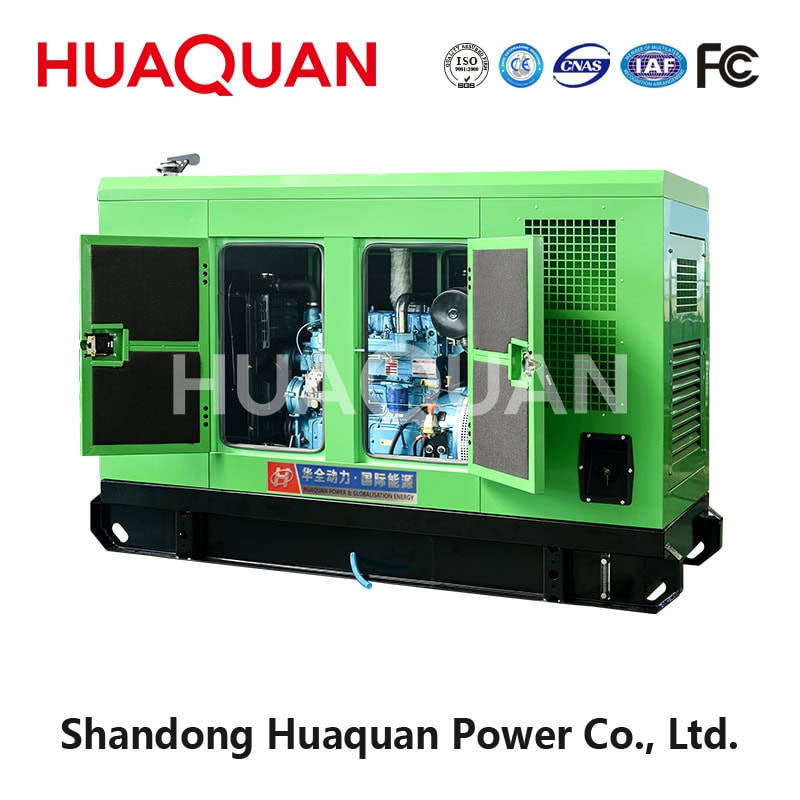
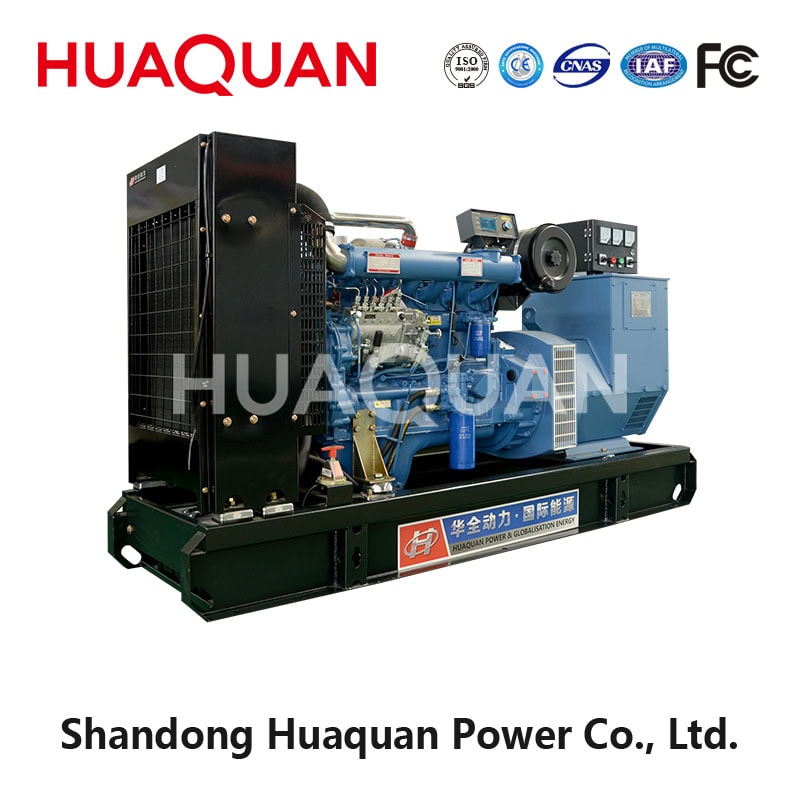
Imagine you are in the midst of making an important decision for your business, and suddenly there is a blackout! A power outage is one of the leading reasons your business struggles with unexpected data loss and safety hazards, ultimately leading to revenue drops.
Thanks to the tech industry advancements, which play a key role in helping businesses smooth their overall operations with commercial standby generators. This guide covers everything you must know to choose the right power generator for your company.

Understand Regulatory Standards
You cannot choose any random generator for your company. In every country, there are some strict national and local codes you must comply with for safety standards. The NFPA 110 standard is the leading regulatory safety standard that categorically classifies commercial safety systems into:
Level 1: Life Safety Systems
Life safety systems, as the name implies, involve human safety standards. If somehow you are unable to maintain these standards, people would get serious injuries or even die. It broadly covers critical infrastructures, including hospitalized support and fire pumps. Businesses dealing with life safety systems must restore power within 10 seconds.
Level 2: Business Critical Systems
This category helps you protect your workplace and other equipment. Although there is no physical injury, businesses might end up with some financial loss. Usually, it covers HVAC systems, general lighting, and data server systems. You must back up the power within 60 seconds for these systems.
Electrical Code Compliance
Electrical code compliance is about emergency systems wiring. Business owners must follow NEC Article 700 for installation. Make sure to separate the usual wiring from your emergency wiring. Inspectors may fail your site inspection if any wires are shared.
Evaluate Fuel Source Options
Next comes the geographic location and your budget to help you decide the right fuel option for your standby generators. Every fuel type is a perfect option for specific logistics; you must know before making the final decision.
Diesel Generators
In different industries, diesel generators are a traditional option. People prefer diesel engines starting large motors with high torque. Simply, you store fuel in different on-site tanks. Make sure to follow a proper independent utility line plan to avoid any mishaps during natural disasters like hurricanes.
All diesels must be operated under strict maintenance. Make sure to filter or replace the fuel annually. Usually, the old fuel degrades, leading to clogged engine injectors. Also, businesses must tackle the fluid systems for safety emission standards.
Natural Gas Generators
Natural gas generators operate with a direct connection to the municipality’s utility lines. Do not spend on expensive fuel delivery contracts, as all the engines run more cleanly in comparison to diesel with natural gas. Also, there are fewer emissions. Inspectors usually permit these generators in urban dense areas.
But there are safety risks with these convenient generators. Any earthquake or construction accident could turn into a broken or underground pipe leakage. Imagine what happens if the gas line breaks. The generator will no longer work. Also, there are usually slow and sudden load spikes with gas generators as compared to diesel ones.
Bi-Fuel Systems
To avoid the hassle of engine injector maintenance and safety risks, people switch to bi-fuel systems for maximum business continuity. The bi-fuel hybrid system combines economical gas prices with diesel reliability. The technology works by starting on pure diesel to handle the overall initial power load. Then it switches to 75% natural gas to help you enjoy standby power in a long crisis.

Master The Transfer Switch
Now, any power generator is worthless without a proper, well-designed ATS. The automatic transfer switch is the key strategy to maintain the power exchange. Simply, you can think of it as the brain of your backup system.
How The ATS Works
The ATS monitors your power voltage 24/7. If there is any power drop, it immediately sends an initial signal to your standby generator. Then, the ATS effectively isolates your building from the grid system to avoid any electricity backfeeding to the utility lines. You can choose between open transition switches or closed ones for the ATS technology.
Open Transition Switches
Open switch technology is known as the break-before-make method. It strategically disconnects the utility lines before making a close connection with the generator. Although the lights blink for a few seconds during this energy switch. Usually, many business owners prefer it to be affordable in range and commonly available.
Closed Transition Switches
Closed transition switches are made-before-break methods. It aligns your generator with the utility grid and makes a short, few-second connection during the power transfer. This way, there are zero power interruptions. But utility companies must go through a strict approval and inspection process to approve this setup.
Calculate Your Power Requirements
Here comes another important factor to identify and decide your commercial standby generator power requirements. Before installing any expensive generator, make sure to do some math to identify your current management along with the initial load type.
Identify Load Types
Make sure to know the clear difference between nonlinear and linear loads to find the right standby power equipment. Heaters and bright lights fall under the linear load category that requires even currents. In comparison, computers and other LED drivers fall under the nonlinear load category.
These loads usually create special harmonics in the current that cause generator windings to overheat and ultimately fail. Make sure to find an alternate option to handle this heat.
Manage Inrush Current
Machinery like electric motors and other power plants requires humongous energy to start spinning. Generally, as usual a water pump needs 600% of its current amps to start. This spike is known as Locked Rotor Amps (LRA).
Now, the problem is, you must install a standby generator that can bear this spike without causing any voltage drops. Any voltage drop over 30% could turn your system into a complete failure. Power controllers usually trip offline if the dip is too deep.
Sizing Formula Basics
Follow this quick sizing formula to estimate your needs.
- Enlist all the devices you need to power.
- Now list all the voltage and amperage for each gadget.
- Now, convert it into kilowatts using the formula: Volts x Amps / 1000 = kW.
- Calculate the total running watts for all your items.
- Now, start the watts of your single largest motor.
Plan For Site Installation
Placing your standby power generators is as important as finalizing the right system for your business. Nobody can hide their commercial units in some tight, compact corners.
Concrete Pad Requirements
Power generators need heavy, reinforced concrete padding to absorb all unnecessary engine vibration. Also, they help you support the overall generator weight and keep the unit operable for years. Make sure to pour at least 6-inch-thick concrete with rebar reinforcement.
Sound Attenuation
Generators are extremely loud machines. In cities with highly strict noise rules and regulations, you must install some sound-absorbent materials.
- Level 1 Enclosure: Helps you protect from basic weather conditions.
- Level 2 Enclosure: People switch to heavy insulation to avoid noise decibels. It smartly redirects all the airflow to conveniently trap sound waves.
Airflow And Exhaust
Engines produce massive heat, and thus they must install giant radiators to cool down the air flow. Never block the overall air intake with any shrubs or walls. Plan your heat exhaustion away from the building windows, as any trapped carbon monoxide could be fatal.
Implement A Maintenance Schedule
A minor maintenance neglect, and 80% of the generators fail! Remember, a static machine usually degrades faster than a running one.
Weekly Inspections
Walk around your power unit once a week. Closely evaluate all the control panels for any emergency alarm codes. Make sure to set up your power machines in auto modes. Check for any oil or fuel puddles under the frame. Also, keep an eye on your battery charger whether it is working fine or not.
The Battery Issue
Dead batteries for power systems are the number one reason generators fail. Generally, standby batteries last for at least two to three years. The engine heat degrades the batteries, so test their internal resistance twice a year and replace them if necessary.
Prevent Wet Stacking
Diesel engines can have maintenance issues and may shut down if they run on too light a load. Unburned fuel can accumulate in the exhaust system and form a thick, black residue called wet stacking, which damages engine cylinders over time.
Annual Load Bank Testing
Companies must follow an annual health check for power generators. Make sure to find some dummy loads on your site. Usually, the load bank forces the power engines to run at 100% capacity. It helps all the carbon deposits burn off. Also, the cooling systems work effectively during the load bank testing.
Conclusion
Commercial standby generator safety standard check helps you secure your future. Make sure to follow the right plan with proper sizing, code compliance, and maintenance to avoid any generator failures. Safety standards are non-negotiable, so plan carefully to ensure your business thrives in the next blackout!
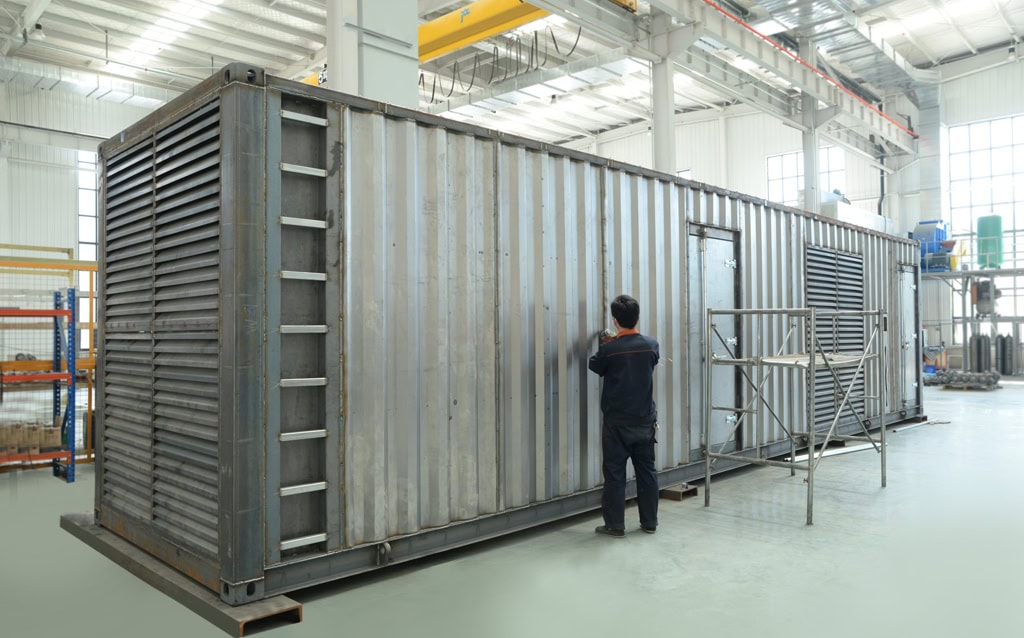
Do you want a high-quality generator? Huaquan has multiple commercial generator systems.