A 500 kVA generator is an integral component of industrial sectors, factories, and data centres. Its long-running hours and high efficiency keep the backup supply on 24/7. However, most people have questions—how many liters does a 500KVA generator consume per hour?
The purpose is to plan a budget and assess the generator’s cost and efficiency. Today, we will discuss the typical amount of fuel a generator consumes.
Understanding the 500kVA Generator Consumption and Load
500kVA is the rating of a Diesel Generator. It shows the 500-kilovolt-ampere, which is a typical unit of power.
However, diesel usage depends on the overall load. For example, if a 500kVA unit operates at its full capacity, the load and consumption are at maximum.
Most Generators operate at 60-80% load of their full capacity. Let’s suppose the diesel generator operates at 80% load. The rating would be 500 x 0.8, which equals 400 kW.
Usually, generators operate at 400 kW rather than 500kVA, which is a hypothetical value.
| Load Percentage | Power Output (kW) | Approx. Fuel Consumption (L/hour) |
| 25% Load | 100 kW | 30–35 L/h |
| 50% Load | 200 kW | 55–65 L/h |
| 75% Load | 300 kW | 80–90 L/h |
| 100% Load | 400 kW | 105–120 L/h |
Factors That Affect Fuel Consumption of a 500 kVA Generator
There is no hard-and-fast rule for fuel consumption. In different environmental conditions and display settings, generators can consume more or less fuel. Let’s take a look at the various factors related to the fuel consumption of a 500kVA Generator.
Generator Load Profile
Generators are designed for optimal efficiency, but at a decent load range. If you go for full capacity, it may burn out quickly and consume more fuel. At lower capacity, the combustion is inefficient, and fuel consumption jumps.
However, the optimal performance of a diesel generator is at 60-80% of the load. When you operate it at this range, fuel consumption per kWH is optimal.
Generators have the following features at their optimal load.
- The chance of a breakdown is lower at the optimal overload.
- Generators help save more energy by optimizing fuel consumption.
- You get stable and balanced performance at these loads.
Engine Quality and Technology
Which diesel engine model do you have? Remember, older models have variable load capacities and fail to optimize the power consumption.
They consume more than the rated liters due to older technology. Compared to it, newer models have much higher efficiency.
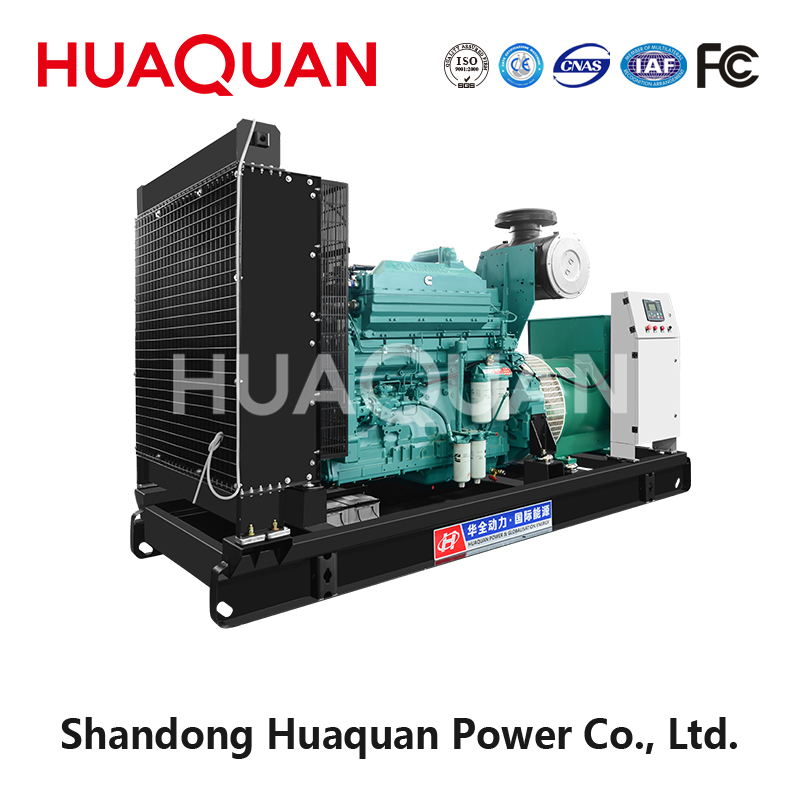
Fuel consumption depends on:
- Combustion chamber design
- Fuel injection system (mechanical vs electronic)
- Turbocharging and aftercooling technology
- Engine displacement and RPM rating
Modern diesel generators have various benefits, such as:
- Optimized air–fuel mixture and high efficiency at variable loads.
- Precise electronic fuel injection increases effectiveness and reduces the risk of failure.
- Better efficiency at partial loads is an excellent feature of modern engines.
Maintenance Conditions
A poorly maintained generator has minimal efficiency. It can consume 10-20 liters more fuel because of the lack of maintenance of the following aspects.
- Clogged or dirty air filters are reducing airflow
- Worn or leaking fuel injectors
- Incorrect fuel injection timing
- Old or degraded engine oil increases friction
- Carbon deposits inside cylinders
Regular maintenance can improve the engine performance and reliability. It offers the following benefits.
- Combustion efficiency
- Engine breathing
- Power output consistency
- Overall fuel economy
Fuel Quality
Fuel compatibility and quality matter. For example, you can’t use gas in a diesel engine. Moreover, low-quality diesel in the generator engines fails to combust properly, resulting in poor performance.
The system fails to work—poor quality fuel results from the following conditions.
- Contaminated diesel (water or dirt)
- Low cetane number fuel
- Old or oxidized diesel stored for long periods
- Microbial growth in storage tanks
Instead of choosing low-quality fuel, consider high-cetane fuel to improve your engine’s overall efficiency. Decrease engine burden and keep it up to date with quality results.
Ambient Temperature
Different environmental conditions have variable temperatures. Diesel engines behave differently at various temperature conditions.
For example, High ambient temperatures impact the engine efficiency and fuel consumption as follows.
- Reduce air density
- Lower combustion efficiency
- Increase fuel burn for the same output
High-altitude locations have a different impact.
- Contain less oxygen
- Require more fuel to maintain power
- Can reduce generator output if not derated
Cold environments have the following impacts on the engine.
- Increase fuel consumption during startup
- Require longer warm-up times
- Increase idling fuel usage
Generator Operating Mode
How do you use the generator? Causal usage has different fuel consumption compared to constant usage.
Let’s take a look at various conditions.
Standby operations can spike fuel consumption at specific times and usage levels. It is because of the following conditions.
- The system runs occasionally.
- Fuel efficiency doesn’t have much significance.
- Higher short-term fuel spikes are acceptable.
Prime power operations offer constant operations for hours. You should consider load management, as high load can reduce efficiency and increase consumption by 15-20 liters per hour.
Continuous-operation generators run 24/7 and require high efficiency. Minor inefficiencies can cost 100-200 liters, or even 1,000 liters, over time.
Operator Practices
Human practices play a crucial role in fuel consumption. It can either increase or decrease consumption depending on different habits.
The bad habits that increase fuel consumption are:
- Running the generator without a load can increase fuel consumption.
- Running the generator at higher loads than its rated capacity can increase fuel consumption to 15-20 liters per hour.
The good practices can make generators more efficient. They include:
- If you operate a generator at 60-80% load of full capacity, fuel efficiency is high.
- Avoid unnecessary runtime and turn off the generator when power is no longer needed.
- Monitor fuel usage regularly and replace oil filters on time.
Conclusion
A 500kVA generator consumes an average of 100 liters, with a range of 30-120 liters during normal operations. If you want to operate it at full capacity, this fuel consumption can touch 120 liters. However, diesel generators operate at 60-80% load of their capacity.
When choosing a diesel generator, you should consider fuel consumption and set an estimated budget. If you are looking for highly efficient diesel generators, look no further. Huaquan Power offers quality diesel generators and provides a flawless approach toward power systems. Choose efficient diesel generators right away!