In generator systems, the phase selection decides on efficiency, quality, and applications. Choosing the wrong type can bring poor performance, frequent tripping, equipment damage, or wasted investment.
Today, we will compare single-phase Generators with three-phase generators and understand how both can work efficiently.
What is a single-phase generator?
Have you ever wondered about the generator systems? They run at the AC voltage depending on the single or multiple phases.
A single-phase alternating current generator produces the single sinusoidal waveform in this process.
Such a generator is the fundamental type that is useful for simple applications and good efficiency. For example, the household electrical supply travels in the single-phase AC form. Therefore, you can find single-phase generators in residential sectors rather than industrial ones.
The working mechanism is straightforward.
- The generator alternator has a single stator winding.
- Voltage rises and falls in one sinusoidal waveform.
- Power output fluctuates, reaching zero twice per cycle.
Since it is a one-phase generator, the power delivery is never continuous. Therefore, such generators are suited only for low to moderate power demands.
What is a three-phase generator?
A three-phase alternating current generator produces three sinusoidal waveforms. Each voltage waveform is separated by 120 degrees and offers high efficiency.
Because of high power and continuous supply, three-phase generators are more suited to the industrial environment. There is a constant need for supply in such sectors that enables flawless support for the machinery.
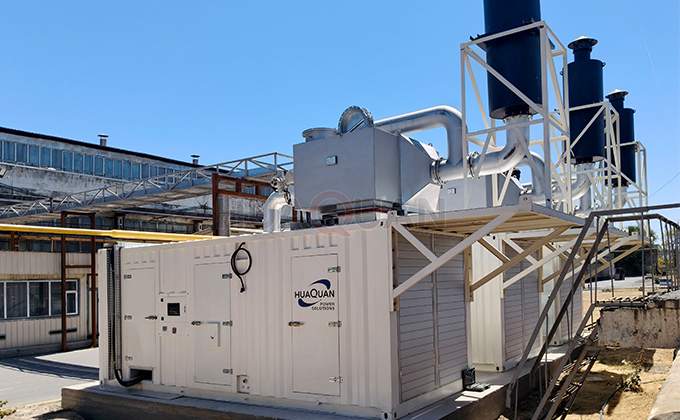 Gas Generator Power Station Waste Heat Recovery Project Backgrounds" width="680" height="420" />
The working mechanism is complex compared to the single-phase generator. For example:
- The alternator has three stator windings instead of one sinusoidal voltage form.
- Each winding produces its own voltage waveform.
- Combined output provides continuous power flow to the complex electrical devices.
Because of three voltage systems, such generators deliver high efficiency and are ideal for the higher loads.
Differences between the single-phase generators and the three-phase generator
A single-phase generator is totally different from a three-phase generator. Use cases, power capacity, and efficiency matter a lot. Let’s take an overview of various differentiating points.
| Difference Point | Single-Phase Generator | Three-Phase Generator |
| Power Output & Capacity | Low to moderate power output | High power output and capacity |
| Power Delivery Consistency | Power fluctuates and drops twice per cycle | Continuous and consistent power |
| Load Handling Capability | Suitable for low current loads | Handles heavy and high in-rush loads |
| Efficiency & Fuel Consumption | Moderate efficiency, higher fuel use | High efficiency, lower fuel use |
| Voltage Stability | Voltage changes aggressively with load | Stable voltage under load changes |
| Wiring & Power Transmission | Requires thick cables, higher losses | Lower current, less transmission loss |
| Generator Size | Smaller and lightweight | Larger and heavier |
| Cost Consideration | Lower initial cost | Higher initial cost |
| Applications | Residential and light commercial use | Industrial and heavy-duty use |
| Maintenance & Lifespan | Simple maintenance, lower durability | Complex maintenance, longer lifespan |
Power output and capacity
Single-phase and three-phase generators produced different output power and capacity. It is because of their electrical routes.
Single-phase generators have limited power output and voltage capacity. It is because of a single route of the electrical passage that restricts the electrical supply. Single-phase handles only low power needs, such as Home lighting systems.
Three-phase generators have three routes of the electrical current. Therefore, you get high power output and increased capacity. Such a system is highly suitable for high loads at industrial equipment.
Power delivery consistency
Power Supply consistency. A sudden increase or drop can affect the equipment. Let’s ponder both cases.
Single-phase generators experience rises and falls in the electrical voltage in each cycle. Waveform touches the base twice in the cycle. Therefore, they are suitable only for the non-sensitive loads.
A three-phase generator doesn’t let the power drop in each cycle. Three waveforms enable more consistent electrical supply. It is because of their three routes of electrical voltage. You should use it for heavy-duty and sensitive equipment.
Load handling capabilities
How heavy a load does your generator handle? It matters when you are running heavy-duty industrial equipment or machinery.
Single-phase is suitable for low current demands. Initial high currents more than the rated capacity can trip the generators. Therefore, you must use it within rated limits.
Three-phase generators handle high load with constant voltage and enable continuous backup power. They can handle high in-rush currents.
Efficiency and fuel consumption
Do you want to save costs on fuel? If yes, choose a more suitable and budget-saving option.
Single-phase generators are ideal for handling low currents and offer moderate efficiency. They consume more fuel per hour.
Three-phase generators are famous for their high efficiency and lower fuel consumption; however, they are suitable for industrial machines rather than home appliances.
Voltage stability
Extremely high voltage can burn out your home appliances. An extremely low voltage fails to run the equipment at the required efficiency.
Single-phase generators offer less voltage stability. As your load changes, the change in voltage is aggressive.
In comparison, three-phase generators work differently. They offer more stable performance and voltage. Equipment feels more protected with the three-phase generators compared to the single-phase.
Wiring and Power Transmission
Power transmission and wiring add to the overall installation. If you are looking for a budget-friendly solution, this is for you.
Single-phase generators require thick and expensive cables to transfer currents. Moreover, power transmission causes energy losses more than three-phase generators.
Three-phase generators transmit power using lower currents. Energy losses are less while efficiency remains relatively high.
Generator Size
The generator’s physical size and weight can influence the installation process and costs.
Single-phase generators are smaller in size and lightweight. Their installation is more straightforward compared to the three-phase generators.
A three-phase generator is heavier and installed as a single unit. You have to maintain the size and hire installation experts.
Cost consideration
Most people want to save money while grabbing the high-end generator solutions. Are you the one expecting the same thing?
Well, a single-phase generator is less expensive but suitable for simple applications.
A three-phase generator is more expensive but suitable for industrial conditions. So, choose a solution that offers perfect compatibility.
Applications
The application mismatch causes all the trouble here. Based on the load type, power capacity, and efficiency, you must divide the generators into relevant categories.
Single-phase generators have a single output and are suitable only for residential applications. Why? It is because of low power needs and better compatibility with light applications. The common applications of single-phase generators include:
- Residential homes for backup power
- Small shops and offices
- Lighting systems
- Fans, televisions, refrigerators, and basic home appliances
- Portable generators for outdoor or emergency use
On the other hand, three-phase generators handle high power in industrial applications. Heavy machinery or continuously running data centres draw on backup power.
Common applications are:
- Factories and manufacturing plants
- Heavy-duty motors and compressors
- Construction machinery
- Data centers
- Hospitals and large commercial buildings
- Water pumping stations and HVAC systems
Maintenance, Reliability, and Lifespan
Every generator requires maintenance based on the environmental conditions and durability. A highly durable system requires lower maintenance.
However, single-phase generators are simple yet efficient for low-power systems. They have fewer electrical components and are easy to maintain. You can maintain DIY at an affordable cost.
Compared to it, three-phase generators are more complex systems. They require regular maintenance and professional help. Because of their use in industrial environments, they are more robust and have a longer shelf life.
Which Generator is Suitable for you?
Purchasing a three-phase generator for light-duty applications is overkill and might waste your investment. Choosing the right option is crucial.
Choose a Single-Phase Generator if:
- Your power demand is low to moderate, and a single-phase system is efficient enough for you.
- You operate household or light commercial equipment and don’t need extensive power in the long run.
- Usage is occasional or backup-only required for a few light applications.
- The budget is limited, and demands are less.
Choose a Three-Phase Generator if:
- You run motors or heavy machinery and need a consistent power supply without losing voltage.
- If your power demand is continuous or high, three-phase generators offer efficiency.
- Voltage stability and efficiency are critical.
- Long-term operating cost matters.
Conclusion
Understanding the single-phase and three-phase generators is straightforward. The problem erupts when you have to choose between them. Single-phase generators are ideal for light-duty energy supply tasks. In comparison, three-phase generators offer long-term deals for heavy-duty applications. But you should consider your requirements, applications, and power needs.
The most important thing is the quality. If you are looking for premium quality generators, contact Huaquan Power. Our premium generators have advanced technology and provide high efficiency. Moreover, our affordable prices and durability make it a long-term choice. Contact us right away!