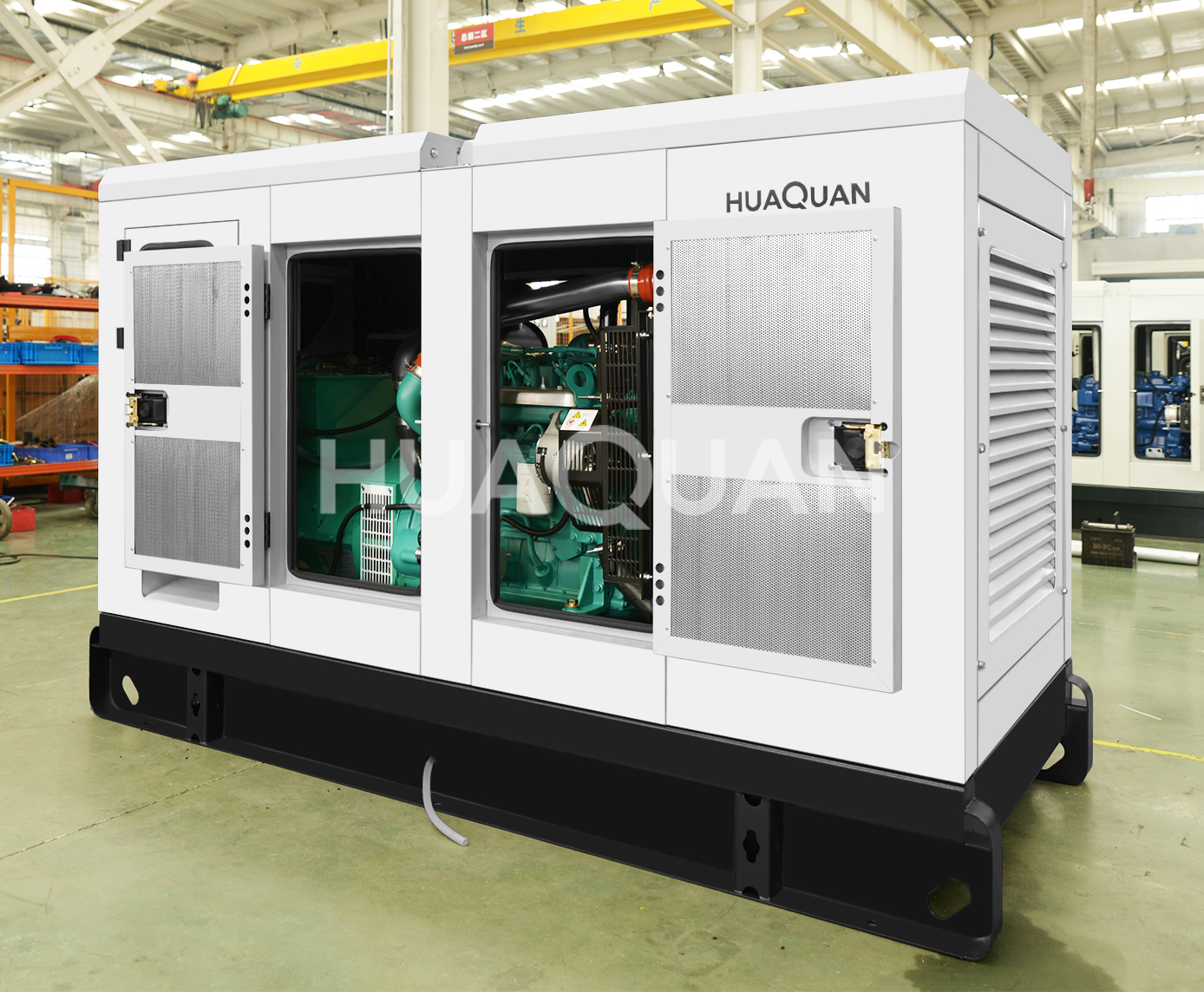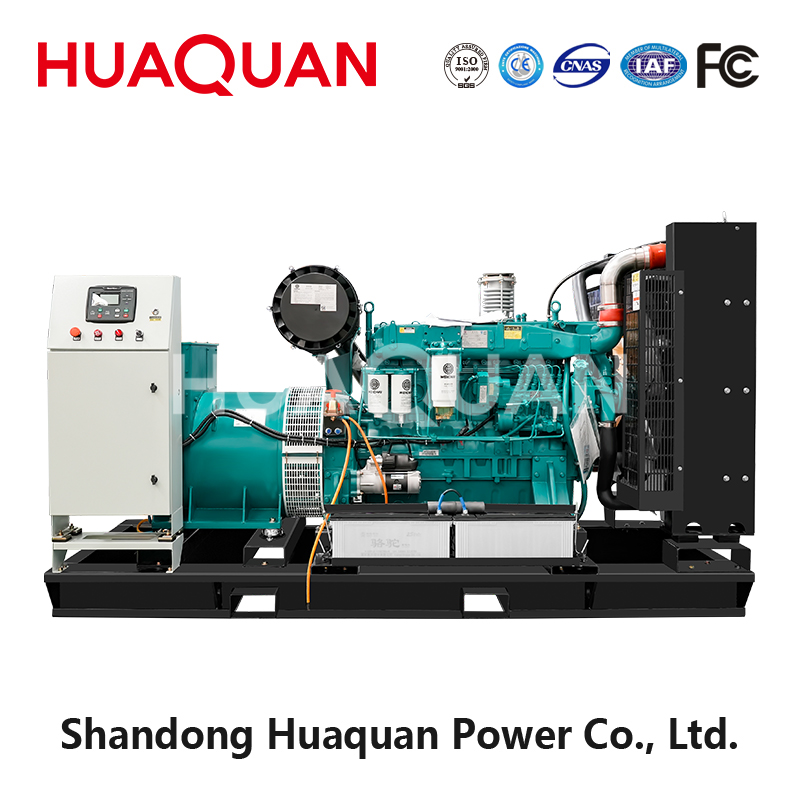
Máy phát điện Diesel load bank testing is a controlled procedure that applies an artificial electrical load to a generator to verify its ability to perform at rated capacity, identify potential weaknesses, and burn off carbon deposits that accumulate during low-load operation. This testing is essential for standby Máy phát điện that rarely operate at full load during normal service, as it confirms the unit will deliver rated power when an actual emergency occurs.
What Is a Load Bank and How Does It Work?
A load bank is a device that converts electrical energy from the máy phát điện diesel into heat through resistive elements, reactive components, or a combination of both. The load bank connects to the generator output terminals and draws a precisely controlled amount of power, allowing technicians to test the generator at any load level from zero to its full rated capacity. The heat generated by the load bank is dissipated through cooling fans and exhaust vents, making the device safe to operate in most installation environments.
Load Bank Types
| Kiểu | Load Characteristic | Ứng dụng | Cost Range |
|---|---|---|---|
| Resistive | Unity power factor (1.0) | Engine testing, wet stacking removal | Low–Medium |
| Reactive (inductive) | 0.8 lagging power factor | Alternator and voltage regulator testing | Medium–High |
| Capacitive | Leading power factor | Power factor correction testing | Cao |
| Combined (resistive-reactive) | 0.8 tụt hậu | Full system validation | Cao |
Why Is Load Bank Testing Necessary?
Chế độ chờ diesel generator load bank testing is necessary because generators that operate only under emergency conditions may never reach the load levels needed to maintain engine health. Weekly no-load exercise runs, while confirming that the engine starts and reaches rated voltage, do not test the generator’s ability to carry full load or burn off carbon deposits from the combustion chambers and exhaust system. Without periodic load bank testing, hidden problems such as weak fuel delivery, cooling system deficiencies, and voltage regulator drift remain undetected until an actual emergency—when failure is most costly.
Problems Detected by Load Bank Testing
| Vấn đề | Phương pháp phát hiện | Severity if Undetected |
|---|---|---|
| Fuel system restriction | Power sag under load | Phê bình |
| Cooling system deficiency | Overheat at rated load | Phê bình |
| AVR malfunction | Voltage drift under load | Cao |
| Wet stacking (carbon buildup) | Smoke at high load | Vừa phải |
| Crankcase blow-by | Pressure rise under load | Vừa phải |
| Bearing wear | Vibration increase at load | Cao |
How to Perform a Resistive Load Bank Test?
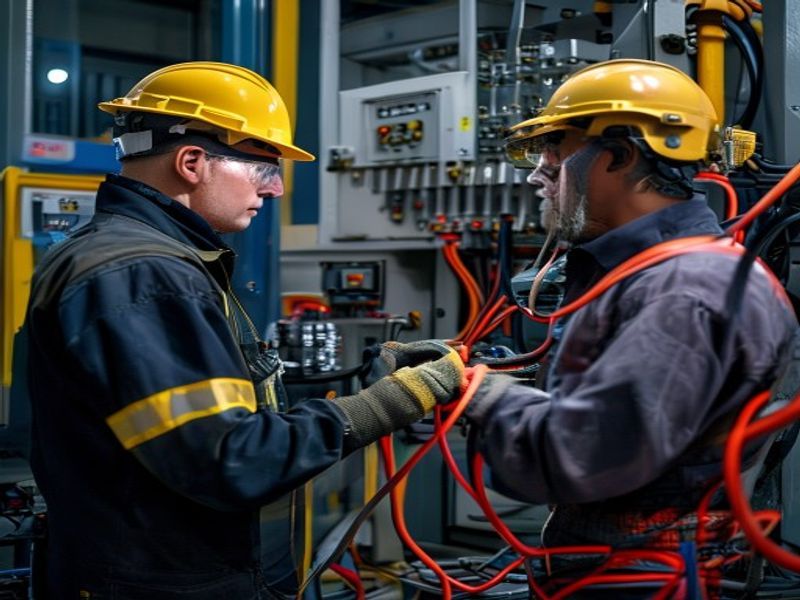
Resistive diesel generator load bank testing is the most common and straightforward procedure. Begin by connecting the load bank to the generator output through appropriately sized cables and circuit breakers. Start the generator and allow it to reach stable operating temperature at no load for 5-10 phút. Then apply load in incremental steps—typically 25%, 50%, 75%, Và 100% of rated capacity—holding each step for the specified duration while monitoring voltage, Tính thường xuyên, nhiệt độ nước làm mát, áp suất dầu, and exhaust characteristics.
Standard Load Bank Test Sequence
| Bước chân | Mức tải | Khoảng thời gian | Parameters to Monitor |
|---|---|---|---|
| 1 | No load (warm-up) | 10 phút | Điện áp, Tính thường xuyên |
| 2 | 25% rated load | 15 phút | All parameters |
| 3 | 50% rated load | 20 phút | All parameters |
| 4 | 75% rated load | 30 phút | All parameters |
| 5 | 100% rated load | 30–60 minutes | All parameters, exhaust temp |
| 6 | 110% rated load (không bắt buộc) | 5–10 minutes | All parameters |
| 7 | Cool-down at no load | 10 phút | Coolant temperature |
What Parameters Should You Monitor During Testing?
Trong lúc diesel generator load bank testing, monitor voltage and frequency at each load step to confirm they remain within acceptable tolerances—typically ±5% for voltage and ±2% for frequency. Coolant temperature should remain below the alarm threshold, and oil pressure should stay within the manufacturer’s specified range at all load levels. Exhaust temperature, measured at each cylinder or the turbocharger outlet, provides critical information about combustion quality and fuel system health. Document all readings for comparison with future tests and baseline specifications.
Acceptable Parameter Ranges
| tham số | Normal Range | Alarm Threshold | Shutdown Threshold |
|---|---|---|---|
| Điện áp | ±5% of nominal | ±8% of nominal | ±10% of nominal |
| Tính thường xuyên | ±2% of nominal | ±5% of nominal | ±7% of nominal |
| Coolant temp | 82–95°C | 100–105°C | >110°C |
| Áp suất dầu | Mfr. specified | Below minimum | Critical low |
| Exhaust temp | Below rated max | Within 10% of max | Exceeds max |
How Often Should Load Bank Testing Be Performed?
NFPA 110 recommends diesel generator load bank testing at least annually for Level 1 emergency systems, and many facilities choose to test semi-annually or quarterly for added reliability. If a generator operates at less than 30% of rated capacity for extended periods, more frequent testing is advisable to prevent wet stacking. Monthly operational tests under available building load are also required, but these do not substitute for a full load bank test because the building load may not reach rated capacity.
Testing Frequency by Standard
| Tiêu chuẩn | Minimum Frequency | Mức tải | Khoảng thời gian |
|---|---|---|---|
| NFPA 110 Mức độ 1 | Hàng năm | 100% rated | 30 min minimum |
| JCAHO | Hàng năm (36 months cumulative) | 30%+ vì 30 min, sau đó 100% vì 30 min | Variable |
| CMS | Hàng năm | 100% rated | Per mfr. recommendation |
| Best practice | Nửa năm một lần | Step loading to 100% | 2+ hours total |
What Are the Safety Requirements for Load Bank Testing?
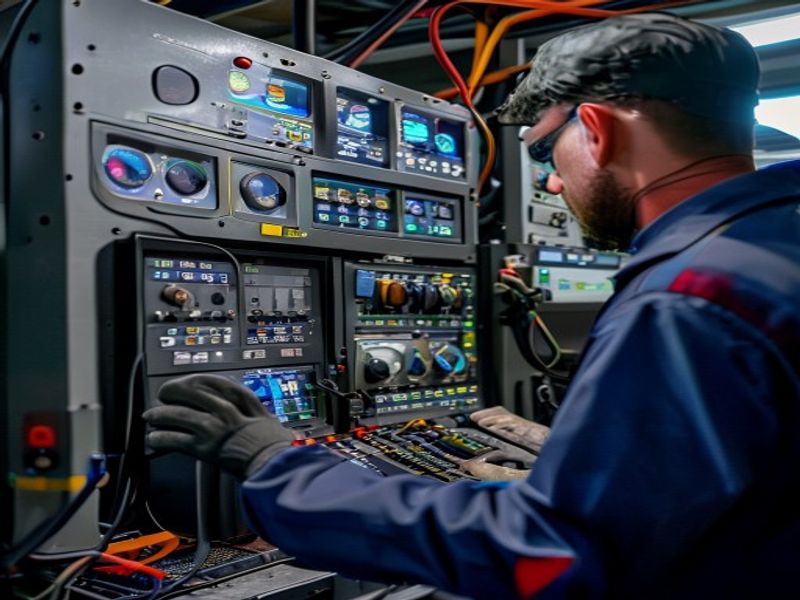
Safety during diesel generator load bank testing requires attention to electrical hazards, thermal hazards, and fire risks. All test personnel must wear arc-rated PPE appropriate for the available fault current at the generator terminals. The load bank placement must allow adequate clearance for hot exhaust air discharge—typically 10 feet from combustible materials. Fire extinguishers rated for electrical and fuel fires must be immediately accessible. The test area should be roped off to prevent unauthorized access, and a clear communication protocol between the load bank operator and generator attendant is essential for safe coordination.
Câu hỏi thường gặp
What is the difference between resistive and reactive load bank testing?
How long does a load bank test take?
Can I rent a load bank instead of buying one?
What happens if a generator fails load bank testing?
Is load bank testing required by law?
For more information on load testing standards, thăm nom Wikipedia’s load bank article, or explore Huaquan Power diesel generators Và our generator testing services.