

Diesel generators are important for providing power in facilities. To keep them running you need to do regular maintenance to prevent breakdowns. Yet, the ultrasonic leakage detection tech can detect even the smallest leakage sources.
1. What is Ultrasonic Leakage Detection?
Ultrasonic leakage detection is a way to find leaks. It uses high frequency sound waves that happen when gases or liquids escape through openings. These sound waves are too high for us to hear. So technicians use detectors to find these signals. The detectors change the signals into sounds or visual readings that you can understand.
When they inspect the diesel generators they use the device to check the fuel lines and air intake of the diesel generators. Even tiny leaks in the diesel generators can be found by the detector. This tech helps users to find leaks early and fix them before they cause any problems or damage to the diesel generators.
2. How Ultrasonic Leakage Detection Works
When air or gas or liquid is under pressure and escapes through a hole it makes friction. This vibration creates waves. Thus, the device picks up these waves with a sensor and turns the sound into signals that you can understand. Technicians listen to these signals with headphones to see how strong they are to find where the leak is in the generators.
Moving the device around the diesel generators allows technicians to follow the sound to where they think there might be a leak. The strongest sound means that is where the leak is in the diesel generators. This way the technicians can fix leaks before they cause further damage to the diesel generators.
2.1 Generation of Ultrasonic Sound
Ultrasonic sound detects high frequency vibrations that travel through the air. The strength of the signal often depends on the size of the leak and the pressure of the fluid that is escaping. Even small leaks in the diesel generators make signals that the detectors can find. So the technicians can find leaks early and prevent damage.
2.2 Signal Conversion
The ultrasonic detector changes signals into sounds that people can hear. Hence, it helps technicians hear the leak as a tone through headphones or see it as a reading. The ultrasonic detector is good at helping technicians find leaks. It does this by turning high-frequency signals into something people can understand.
2.3 Signal Amplification
After the device finds the signals it makes the leak sound louder. This approach makes it easier for technicians to find distant signals. Next, they can identify leaks that might otherwise be missed. Modern ultrasonic detectors have systems that filter out noise.
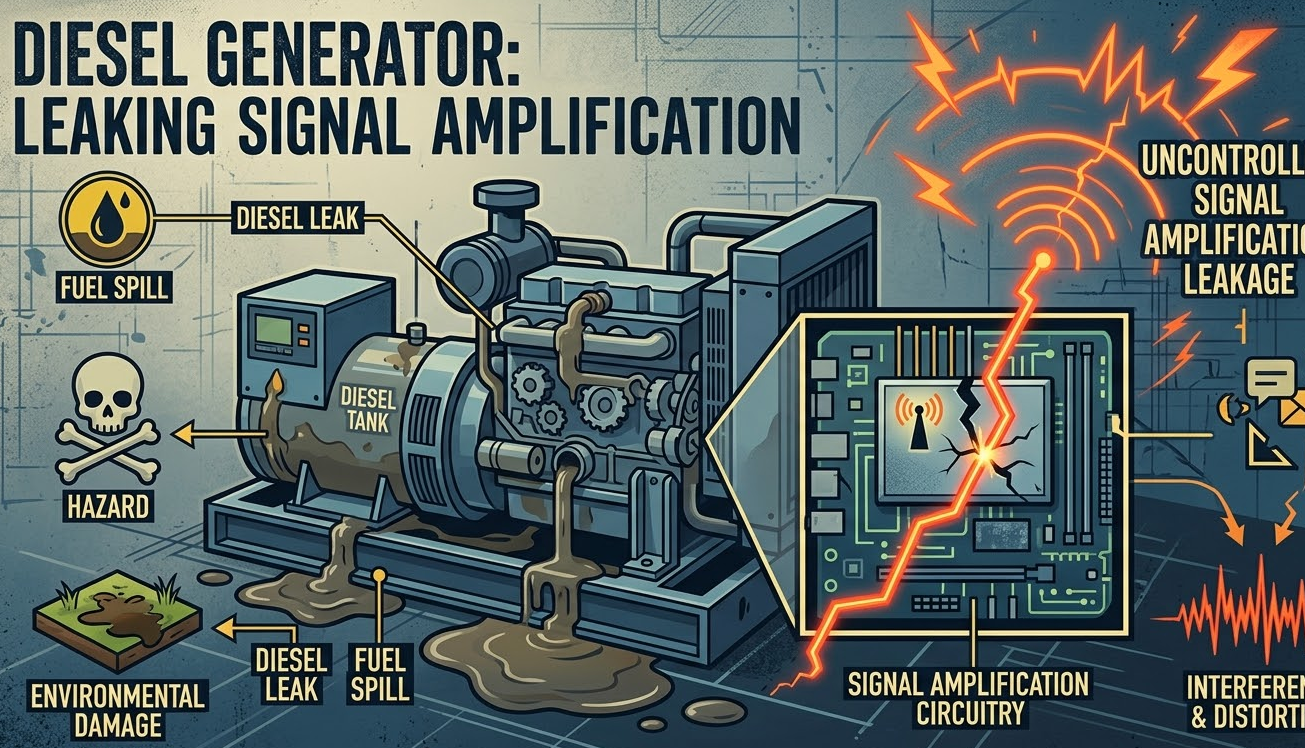
It makes the leak sound clearer and reduces background noise. As a result it is easier to detect leaks. This is important in areas where other equipment might be making noise. When the leak sound is louder, maintenance personnel find leaks precisely. Thus, users can determine how bad they are and initiate effective repairs.
2.4 Leak Source Identification
Leak source identification is about finding the spot where the ultrasonic signal is coming from. Technicians move the detector around areas they think might have leaks. They watch for changes in sound. The signal gets stronger as the detector gets closer to the leak. Once they find the point they know where the leak is. This method works for fuel lines, air intake pipes, cooling systems and other generator parts.
3. Importance of Ultrasonic Leakage Detection
Ultrasonic leakage detection helps you find leaks in the diesel generator’s fuel system. Thus, it stops the diesel generators equipment from getting damaged. Ultrasonic leakage detection is a part of keeping the diesel generators running every day.
3.1 Reducing Operational Costs
Detecting leaks with inspection can reduce operational costs for diesel generators. Over time consistent leak detection and corrective maintenance can lower maintenance expenses and improve the return on investment in generator systems. This makes operations more cost-effective. The ultrasonic detector is very helpful in reducing costs.
3.2 Safety & Reliability
Ultrasonic leakage detection is really important for generator operations since it helps to make sure everything is safe and reliable. When there are leaks in the fuel or coolant systems it can cause severe damage. These leaks can result in fires. The detector helps to prevent accidents by allowing you to take quick action.
3.3 Preventive Maintenance
Ultrasonic leakage detection is a tool for maintenance programs. It is a proactive approach that extends equipment lifespan, preserves system performance and reduces expenses. It helps maintain efficiency. In addition, documenting ultrasonic inspections creates a record of system condition, which supports long-term maintenance planning.
3.4 Reduced System Inefficiency
Leaks in diesel generator systems reduce efficiency by allowing fuel, air or coolant to escape. Even small leaks can increase operating costs, reduce performance and stress components. Ultrasonic detection identifies these inefficiencies before they affect system output. Pinpointing problem areas maintenance teams can correct leaks.
3.5 Detecting Leaks Early
Detecting leaks early is really important for keeping diesel generators running. Little leaks, in the fuel system or the air system or the cooling system can be easy to miss. They can turn into big problems. Using leakage detection helps find these problems before they cause trouble. When you find leaks early technicians can schedule repairs.
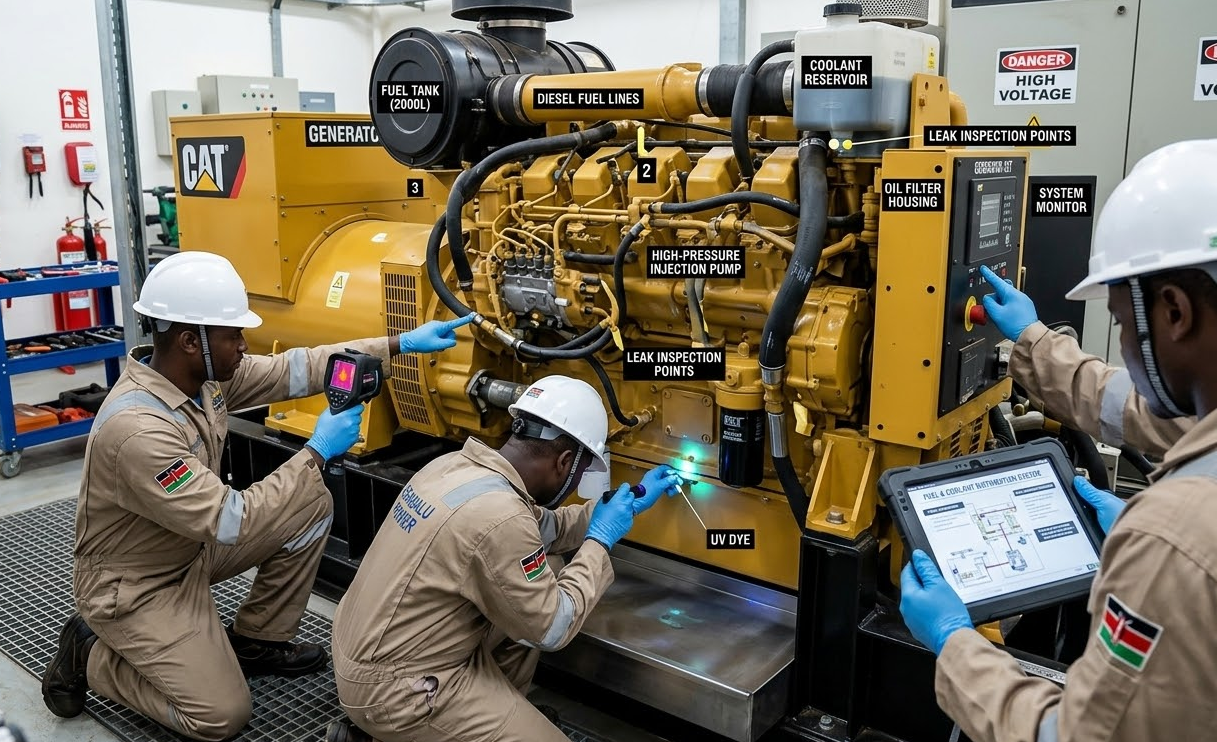
Consistent early monitoring improves system reliability extends equipment lifespan and lowers maintenance costs. In addition, facilities benefit from stable power supply.
4. Parts with Ultrasonic Leakage Detection
Ultrasonic leakage detection is really important for diesel generator components. It helps us find leaks that can affect how well the diesel generator works and how safe the diesel generator is. You need to check the exhaust system, the cooling system, the air intake system and the fuel delivery system of the diesel generator.
4.1 Exhaust System
The exhaust system in a diesel generator is like a breathing system for the diesel generator. It helps get rid of gases and keeps the air clean around the diesel generator. If there are leaks in the exhaust system it can let out gases and make the diesel generator work efficiently.
4.2 Cooling System
It helps keep the diesel generator engine from getting too hot. If there are leaks in the cooling system it can make the diesel generator engine work hard and even break down.
4.3 Air Intake System
The air intake system is like a lung for the diesel generator engine. It helps the diesel generator engine get the air it needs to work. If there are leaks in the air intake system it can make the diesel generator engine work efficiently and use more fuel.
4.4 Fuel Delivery System
The fuel delivery system is like a food supplier for the diesel generator engine. It helps the diesel generator engine get the fuel it needs to work. If there are leaks in the fuel delivery system it can make the diesel generator use fuel and even be dangerous to the people around the diesel generator.
5. Ultrasonic Leakage Detection Conclusion
Ultrasonic leakage detection helps us find these leaks by listening for waves made by the leaking fuel in the fuel delivery system of the diesel generator. This method is very safe because it does not touch the diesel generator while it is running.
Install Ultrasonic Leakage Detection with Huaquan Power
Do you want your diesel generators to run safely and work well? Well, you need to check them with ultrasonic leakage detection. If you find leaks early you can stop generators from breaking down which can be very expensive. You also protect the equipment.
Get quality inspection service to keep your generators running smoothly, make them last longer and save money on maintenance. Contact Huaquan Power today!