Handling industrial generators professionally requires proper training and experience; operators cannot afford to make mistakes, as even a single misstep in operating generators for power, machinery, and equipment can get them into trouble. We created this guide to train generator operators on fuel management, operating basics, and emergency shutdown procedures for safety.

Know Your Generator’s True Power Limits
The first step for safe power generation operators is to understand how diesel industrial generators work. Diesel generators provide backup power when the grid fails or there is no power supply. Every operator should understand the capabilities and limitations of the power generators. It’s critical to protect your expensive equipment during sudden failures.
Match Electrical Load to Rated Capacity
The first thing you need to keep in mind is to understand how EVA (Emergency Voltage Adjustment) ratings work. EVA defines the total power as the sum of real and reactive power. The generator operator’s duty is to monitor the load capacity meter. Heat spreads rapidly within the system, damaging engine components and shortening the overall lifespan. Never apply overload capacity while operating industrial generators for machine safety.
Run at the Most Fuel-Efficient Load Range
You can operate diesel generators at 70-80% of the total load to improve fuel efficiency. This way, you protect the engine’s health and achieve high efficiency without damage. Operating diesel generators below their average load capacity causes wet stacking. Meanwhile, wet stacking occurs when unburned diesel gets trapped in the exhaust system. In the end, it becomes a headache, causing low performance and more maintenance issues.
Protect Performance With Preventive Maintenance
For better performance and long life, you need to keep checking for minor issues and fix them on time. Preventive maintenance saves time and reduces costs for factories and fixes small problems before they become major issues. Here are a few preventive measures you can take for better generator power generation:
- Oil Changes
- Coolant Inspections
- Check Fuel System
- Battery Servicing
Adjust Operation for Climate and Location
The performance of industrial generators depends on the surrounding environments, temperature and cooling methods. Combustion efficiency decreases at high altitudes, requiring power derating. Meanwhile, cooling is affected by extreme heat or cold environments. To improve power generation in harsh climates, implement appropriate measures and protect the generator.
Stay Compliant With Emissions Standards
Emission regulations are updated based on location, ambient temperatures, and environmental impact. For sustainability and legal compliance, follow the protocols and manage heat emissions responsibly. You might need to adjust service schedules or output while controlling emissions. Old generators can still be used with some adjustments and upgrading systems without entirely replacing them.
Protect Generator Performance and Reliability
Use Smart Monitoring for Real-time Control
Today, advanced industrial generators make production easier and faster with intuitive controls. You can view the entire engine’s performance in real time and track minor issues in seconds. Using smart tools, you can detect:
- Fuel Levels
- Performance Metrics
- Instant Fault Track
This way, you can keep your equipment and industrial machinery safe during heavy-duty work. Modern technologies help ensure rapid production with minimal risk of damage. Use automation and real-time data to find issues in time, increase productivity and keep machines running.
Build Reliability Through Generator Redundancy
Most industries now using parallet multiple industrial generators for stable and safe power generation. Bring the high-performing systems online and automatically shut down the isolated ones. This way, you can keep the factory running even if a few machines are shut down during a grid failure. Proper load management reduces stress and improves the generator’s overall efficiency.
How Can You Manage Diesel Fuel Safely to Maximise Generator Performance and Prevent Risks?
When you follow the right methods while operating generators, you save on high costs and avoid any system failures. Here are the benefits of proper fuel management in generator operation:
- Leak prevention systems
- Clean fuel control
- Fire hazard reduction
- Safe storage practices
- Improved generator performance
- Long-term equipment protection
To understand fuel management in depth, we have prepared comprehensive tips for industrial generator operators. Follow the guidelines below to ensure maximum performance of the generator without risks:
Build a Strong Foundation for Fuel Safety
Only a disciplined fuel management system can provide effective diesel generator operation. You can protect all the heavy equipment by tracking every minor fluctuation in power generation. Always carefully control storage while monitoring in real-time. Keep checking whether any maintenance is needed on the industrial generators.
Eliminate Fuel Leaks Before They Become Hazards
The fuel systems must remain tightly sealed to prevent leaks. Never ignore minor leaks anywhere in the fuel tanks; they waste significant fuel. Also, sometimes, if you ignore tiny fuel tank holes, they can become difficult later and cause significant damage.
To stop fuel leaks, use modern trackers and systems that safely detect the issues, and you get:
- Early leak identification
- Fuel purity protection
- Equipment damage prevention
- Environmental safety
- Reduced fuel waste
- Improved system reliability
Keep Fuel Clean and Performance Ready
Regular fuel testing helps increase efficiency and extend the industrial generator’s service life. Water, direct exposure, or microbial growth can cause internal fuel tank damage. As a result, you observe failures in different generator components and reduced efficiency. To address this fuel-cleaning issue, you can perform routine filtration and sampling. Keep your fuel ready for optimal combustion.
Transfer Fuel With Zero Margin for Error
When transporting guel tanks to the generator location, follow strict safety protocols. You can use special pups and noses custom-designed for diesel handling only. This is where proper operators’ training comes into play. You need to keep these few things in your head:
- Trained fuel handling practices
- Automatic shut-off protection
- Spill prevention control
- Overflow risk reduction
- Accident cost minimization
- Safer generator operations
Control Storage Conditions to Preserve Fuel Life
Fuel stability depends directly on the temperature and humidity at the fuel storage location. If the fuel storage is exposed to high heat or moisture, fuel efficiency drops. To extend fuel life, manage fuel storage carefully in harsh weather conditions.
Prepare for Fire Risks Before They Happen
The most important responsibility, which entails risks to both machinery and human life, is managing fires. Around any fuel storage area, you need a proper plan in case of a fire. You need an accessible fire suppression system with clear labelling on it to avoid confusion. Moreover, every staff member should be trained and accustomed to fire risks and to addressing issues. Proper adherence to all these crucial steps can minimise the risk of a major loss in the event of a fire release.
Rotate Fuel Stock for Consistent Freshness
You need to use the older supplies first by managing fuel inventory effectively. Avoid long-term storage issues, which can cause fuel degradation. However, using fresh fuel in generators can improve both performance and increase overall lifespan.
Stay Ahead of Changing Safety Standards
There is an ongoing upgrading of fuel regulations. Always be ready to adopt new policies to stay compliant and avoid penalties. Regular awareness and research help you improve safety practices while generating consistent power.
Use Smart Technology for Smarter Storage
Implement smart tools and trackers in fuel storage areas, and keep all records online for real-time management. You can handle any fuel leaks, ensure quality and improve fuel performance just by using modern devices. To ensure sustainability and mitigate risk when integrating advanced equipment into fuel management.
How Automated Systems Keep Your Generator Ready for Emergencies
Every second counts in the event of a power failure. Diesel generators need zero hesitation and provide instant startup. The right purpose of any automation in the industry, especially in power generation, consists of things like:
- Instant system response
- Zero-delay activation
- Smart load management
- High-pressure reliability
- Automated power control
- Continuous operational stability
Instant Power Activation With Smart Startup Systems
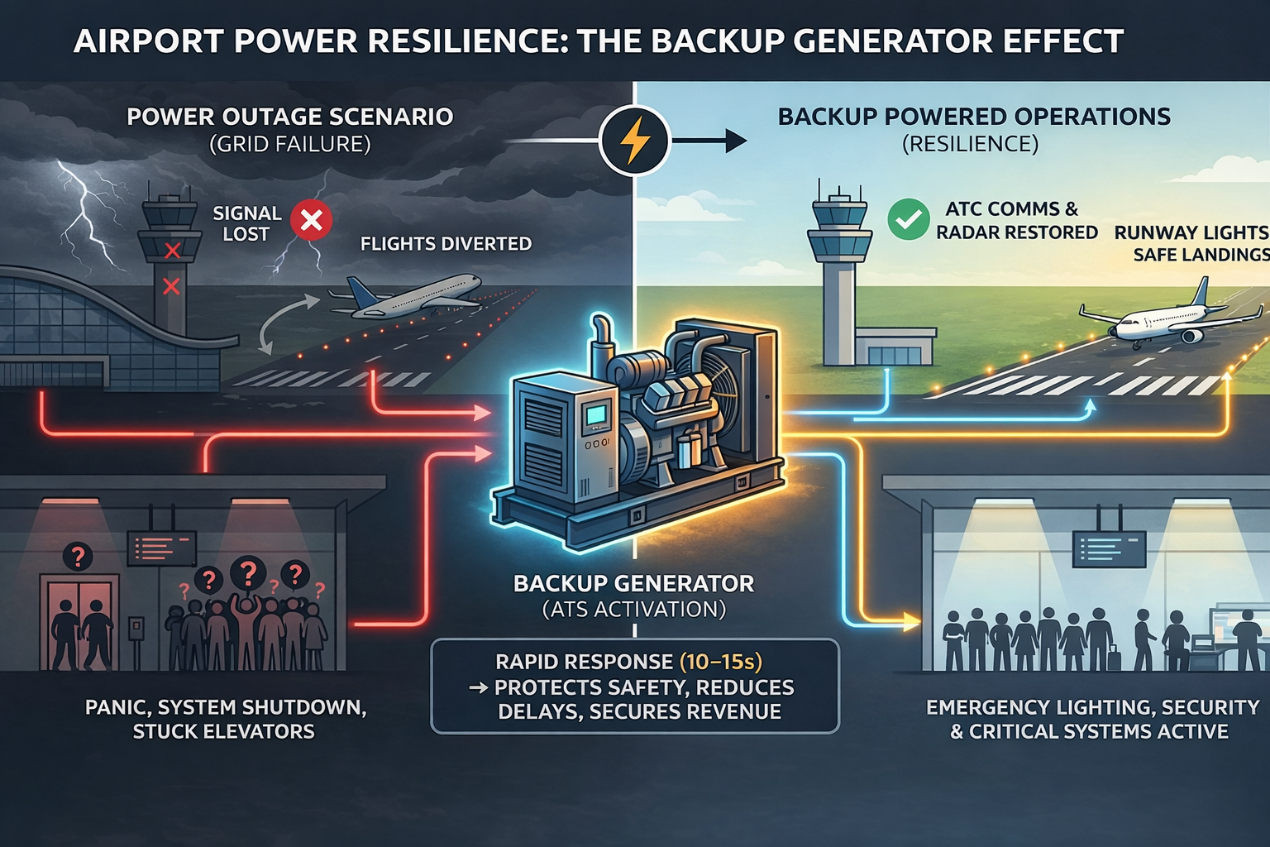
The startup speed of generators is critical during power outages. You need high-quality industrial generators that can transition from idle to full load in a few seconds. The purpose of ATS (Automated Transfer Switch) is to reduce downtime. The ATS connects the generator’s power to all critical machinery and equipment without manual intervention. The whole point is keeping the production running no matter what.
Real-time Monitoring and Remote Control for Maximum Readiness
Large-scale industries should install advanced software and online systems to track fuel levels and associated risks. With a reliable real-time system, you get benefits like:
- Real-time system alerts
- Early problem detection
- Remote start capability
- Quick operational adjustments
- Always-ready power backup
- Improved response efficiency
Intelligent Load Management and Battery Reliability
Many big industries are now focusing on AI-powered tracking systems to ensure 100% work efficiency. Every industrial generator operator needs to learn to operate under various harsh conditions. Likewise, smart load controls provide security during power generation. Using reliable battery systems ensures quick, easy startup and a consistent emergency power supply. The key benefits of using modern technology in industrial generators’ load management include:
- Priority load management
- Overload prevention
- Engine stress reduction
- Smart battery charging
- Reliable emergency starts
- Routine performance testing
Operator-Friendly Design for Smooth Emergency Response
Lastly, when operators use modern control panels, they need to understand all the details and readings. Generator operators need to control the system with a clear display and make quick decisions in emergencies. Meanwhile, industries are also developing easier methods to improve production and achieve full control. A reliable operator should always be ready to control ongoing operations without disruption.
Final Thoughts
In professional operations, you need trained diesel generator operators to ensure safe, stable power generation. During any emergency whats the right thing and how to perform it, all depends on a reliable generator operator. Protect your factory’s costly equipment with reliable diesel and gasoline generators from HUAQUAN.