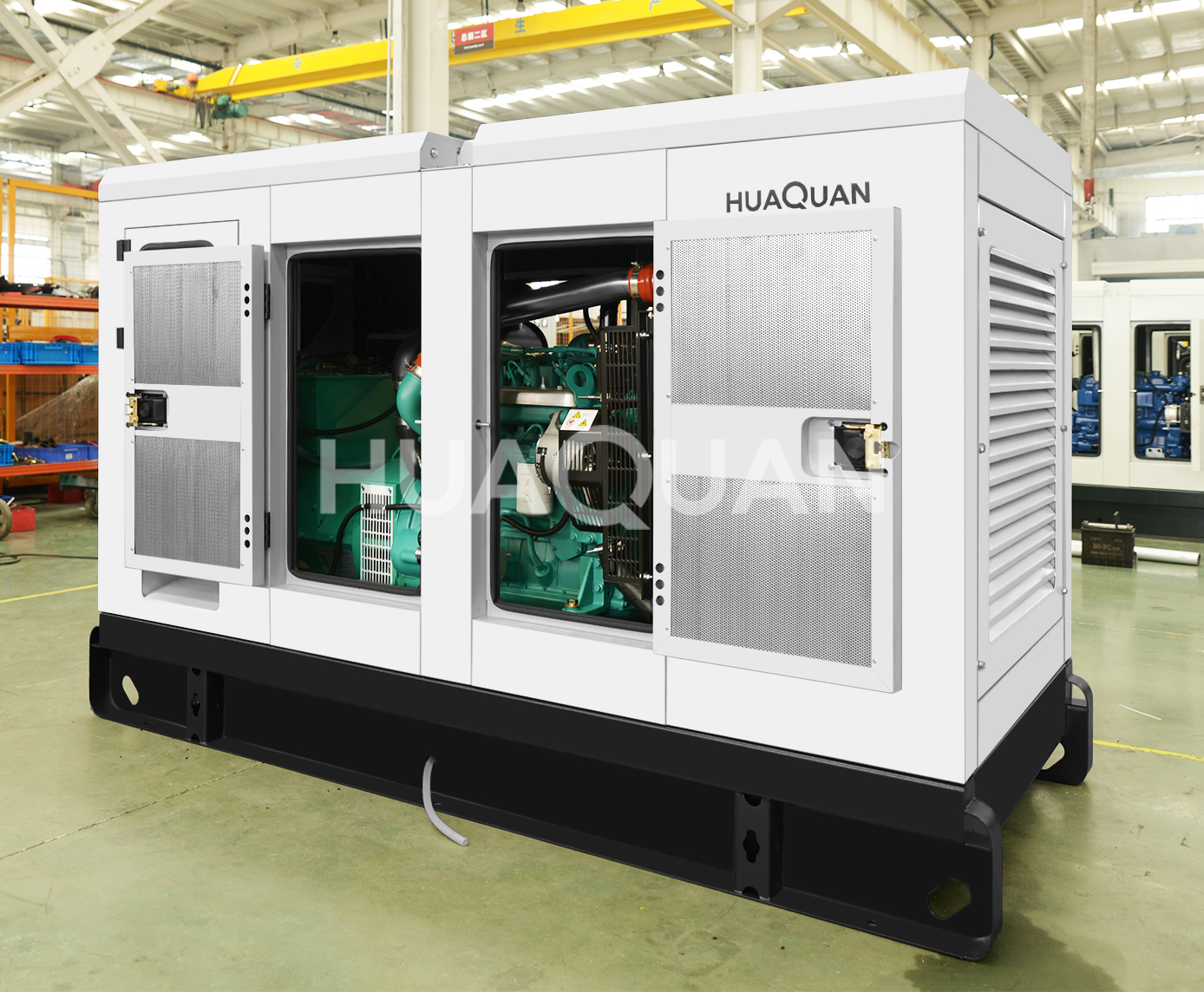
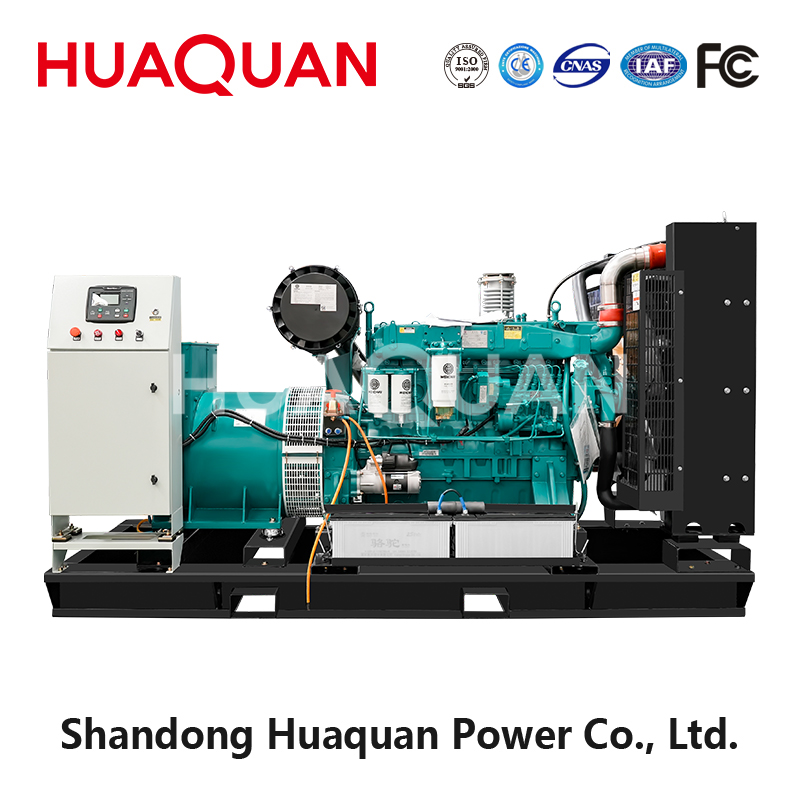
Winterizing a Gerador Diesel for cold weather operation requires a combination of fuel system treatment, battery care, coolant adjustment, engine block heating, and cold-start procedure planning to ensure reliable starting and operation at ambient temperatures below 0°C (32°F). Diesel fuel, unlike gasoline, is prone to waxing at low temperatures as paraffin molecules solidify into gel-like masses that clog fuel filters and prevent fuel flow — making fuel system winterization the single most critical preparation step for any winterize diesel generator effort.
What Are the Main Cold Weather Challenges for Diesel Geradores?
Cold weather creates multiple simultaneous challenges for gerador diesel operação. The most critical is fuel waxing, where diesel fuel containing paraffin waxes becomes cloudy and eventually forms a gel that blocks fuel filters at temperatures as high as 10°C (50°F) for regular #2 diesel and as low as -20°C (-4°F) for premium winter-blend diesel. Adicionalmente, cold batteries lose cranking capacity dramatically — a fully charged battery at 25°C (77°F) loses approximately 40% of its cranking power at -18°C (0°F), making battery condition and heating absolutely essential for reliable winterize diesel generator preparations.
Temperature-Based Diesel Fuel Characteristics
| Temperatura ambiente | Diesel Fuel Risk | Generator Impact |
|---|---|---|
| +10°C to +5°C (50–41°F) | Regular #2 diesel begins clouding | Minor flow restriction, check filters |
| +5°C to 0°C (41–32°F) | CFPP (Cold Filter Plugging Point) reached for standard diesel | Fuel filter clogging begins |
| 0°C to -10°C (32–14°F) | Significant wax gel formation in standard #2 | Bloqueio de filtro, no-start condition common |
| -10°C to -20°C (14 to -4°F) | Heavy wax gel, fuel viscosity greatly increased | Complete fuel system blockage without treatment |
| Below -20°C (-4°F) | Severe gel, possible fuel line icing | Generator cannot run without special fuel |
Other Cold Weather Challenges
Beyond fuel issues, cold weather affects the gerador diesel starting system through reduced battery cranking power, increases oil viscosity making cranking harder and oil pressure slower to build, causes condensation in air intake systems that can freeze and block airflow, reduces battery voltage output below the minimum required for the starter motor, and creates ice buildup on external components such as air intake screens, exhaust outlets, and fuel tank vents.
How to Winterize the Diesel Fuel System?
The fuel system is the most critical area to address when you winterize diesel generator units for cold weather operation. Diesel fuel waxing is responsible for the majority of cold-weather generator failures and can be prevented through a combination of fuel selection, additive treatment, and filter management.
Selecting Winter-Grade Diesel Fuel
The first and most effective step in winterize diesel generator fuel preparation is to ensure the fuel tank is filled with diesel fuel appropriate for the expected minimum temperature. Winter diesel fuel (also called Arctic diesel or cryo diesel) has been dewaxed during refining to lower its Cloud Point — the temperature at which wax crystals first begin to form. In regions where winter temperatures drop below -10°C (14°F), switching to a winter-grade diesel before the cold season arrives eliminates most fuel-related starting problems. Check with your fuel supplier to confirm the cold filter plugging point (CFPP) of the fuel being delivered, and ensure it is at least 5°C below the expected minimum ambient temperature.
Fuel Additives for Winter Operation
Fuel additives are a practical complement to winter-grade diesel for winterize diesel generator preparação. The most important additive category for cold weather is pour-point depressant / anti-wax additives, which modify the wax crystal structure to prevent them from interlocking into a gel network. Additional additives to consider include diesel fuel anti-gel (which directly lowers the pour point), biocide (to prevent microbial growth that is more common in partially filled tanks), and fuel system lubricity enhancers (to compensate for reduced lubricity in low-sulfur winter fuels). Apply additives per the manufacturer’s dosage instructions immediately after fuel delivery and before the cold season begins.
How to Prepare the Diesel Generator Battery for Winter?
Battery failure is the second most common cause of cold-weather gerador diesel starting failures. Cold temperatures dramatically reduce the electrochemical activity in lead-acid batteries, reducing both the available cranking amps and the battery’s ability to accept charge from the charging system. A comprehensive battery winterization plan addresses both capacity and charging.
Battery Capacity vs. Temperatura
| Temperatura | Battery Cranking Power (% of rated CCA) | Required Action |
|---|---|---|
| 25°C / 77°F (reference) | 100% | None — baseline |
| 0°C / 32°F | 65–70% | Verify battery is fully charged before winter |
| -10°C / 14°F | 45–55% | Install battery heater or block heater |
| -20°C / -4°F | 30–40% | Heater mandatory, consider dual batteries |
| -30°C / -22°F | 20–25% | Engine block heater essential, premium battery needed |
Installing Battery Heaters and Trays
Battery heaters are available in several forms: wrap-around heating pads that strap to the battery case, heated battery trays with integrated thermostats, and oil-fired compartment heaters for severe-cold environments. Install a battery heating pad or heated tray in climates where temperatures regularly drop below -10°C (14°F) to maintain the battery at a minimum of 10°C (50°F), which preserves approximately 80% of rated cranking power. Always use a thermostat-controlled heater — an uncontrolled heater can overheat and damage the battery. Connect the heater to a continuously powered circuit so it operates even when the generator is not running, keeping the battery warm during cold shutdown periods.
How to Winterize the Engine Cooling System?
The engine cooling system requires adjustment for winter operation to prevent coolant freezing, ensure adequate cabin or enclosure heating, and maintain engine temperatures high enough for efficient combustion and oil circulation. Proper cooling system winterization is an essential step when you winterize diesel generator units in cold climates.
Coolant Freeze Protection Requirements
Ensure the engine coolant is a proper ethylene glycol and water mixture with sufficient freeze protection for the minimum expected ambient temperature. UM 50% glycol / 50% water mixture provides freeze protection to approximately -37°C (-35°F) and is adequate for most winter applications. In extremely cold climates where temperatures can drop below -40°C (-40°F), um 60% glycol mixture is required. Check the coolant concentration with a refractometer before the cold season begins — do not rely on the coolant color to judge concentration as different brands use different colorants. Also verify that the coolant contains functional corrosion inhibitors, as expired coolant provides no freeze protection regardless of glycol concentration.
Engine Block Heater Installation
An engine block heater is one of the most effective investments when you winterize diesel generator in cold climates. Block heaters — either immersion heaters that replace a core plug or circulating heaters that warm the coolant — preheat the engine block and coolant to temperatures above 20°C (68°F), making cold starting dramatically easier and reducing thermal shock to engine components during cold starts. A block-heated engine starts at near-normal cranking power because the oil is warm and fluid, the metal surfaces are expanded to proper clearances, and combustion chamber temperatures are elevated enough to support reliable ignition. Set the block heater on a timer to activate 2–4 hours before expected start time, optimizing energy use while ensuring the engine is warm when needed.
What Are the Best Practices for Diesel Generator Cold Start Procedures?
Even with thorough preparation, operating a gerador diesel in cold weather requires attention to specific cold-start procedures that account for increased cranking times, slower oil pressure development, and the need to warm the engine before applying load.
Cold Start Procedure
Before cranking, verify that the battery is at a minimum voltage of 12.4V for a 12V system (24.8V for 24V system). If a battery heater is installed, ensure it has been powered for at least 2 hours before starting. On generators equipped with ether injection systems (in very cold climates), verify that the ether canister is adequately filled — but note that ether injection is hard on engine components and should be used only when block heating is not available. Crank the engine for 15 segundos, then rest for 30 seconds to allow the starter to cool — repeating as necessary for up to 3 cranking cycles. Do not crank continuously for more than 15 seconds as the starter motor will overheat and may fail.
Warming Up and Load Application
| Fase | Duração | Ação | Monitor |
|---|---|---|---|
| Initial cranking | Until engine starts | Crank with rest periods | Oil pressure building |
| Unloaded warmup | 5–10 minutes | Run without load | Pressão do óleo, coolant temp |
| Gradual loading | 10–15 minutes | Apply load in stages | Tensão, frequency stable |
| Full load operation | Contínuo | Normal monitoring | All parameters normal |
How to Protect the Diesel Generator Enclosure and External Components?
The physical location and environmental protection of the gerador diesel in cold weather are as important as the engine preparation. Ice, neve, and freezing condensation can affect critical external systems if not properly managed during the winterization process.
Winter Enclosure Management
Ensure the generator enclosure has adequate ventilation for combustion air without admitting excessive cold air directly onto the engine block. Install winter-rated intake air pre-heaters or ductwork that draws combustion air from a conditioned space rather than directly from outside. Clear snow and ice from the generator’s air intake screens at least daily during heavy snow events — blocked air intake causes the engine to run lean, overheat, and trigger protective shutdown. Inspect and clear the exhaust outlet to prevent snow and ice accumulation that could cause exhaust backpressure and dangerous carbon monoxide accumulation inside the enclosure.
Perguntas frequentes
Can I use regular #2 diesel fuel in winter without any treatment?
Using regular #2 diesel fuel without winter treatment in ambient temperatures below 5°C (41°F) is not recommended and will almost certainly cause fuel system problems. Padrão #2 diesel begins forming wax crystals at approximately 10°C (50°F) and can completely gel at temperatures below -10°C (14°F), causing fuel filter blockage and preventing the gerador diesel from starting or running. For winter operation, either switch to winter-grade diesel (which has a lower cloud point) or treat regular #2 diesel with an anti-wax pour-point depressant additive before the cold season begins. The small cost of a diesel anti-gel additive is negligible compared to the cost of fuel system repairs and no-start events during cold weather.
How long should a diesel generator warm up before applying load in cold weather?
UM gerador diesel should run without load for at least 5–10 minutes during cold weather warm-up before any load is applied. This allows the engine oil to reach operating temperature and viscosity, the coolant to warm the engine block and cylinder head, and the turbocharger to reach its operating temperature. Applying load before the engine is warm causes thermal stress to the engine block and cylinder head, accelerates wear on piston rings and bearings, and can cause the turbocharger to oil-starve during warm-up when it is most vulnerable. After the warm-up period, apply load gradually in stages over 10–15 minutes rather than all at once, monitoring oil pressure and coolant temperature throughout.
What is the minimum temperature for operating a diesel generator without a block heater?
The practical minimum operating temperature for a standard gerador diesel without a block heater depends on the battery condition, tipo de combustível, and engine design, but generally falls in the range of 0°C to -10°C (32°F to 14°F) for most well-maintained units. Below -10°C (14°F), reliable cold starting without preheating becomes unreliable even for generators in excellent condition, because battery cranking power drops significantly and oil viscosity increases to the point where adequate oil pressure may not build fast enough to protect bearings during startup. For ambient temperatures below -10°C (14°F), installing an engine block heater is strongly recommended as part of any serious effort to winterize diesel generator unidades.
How often should I exercise my diesel generator in winter?
Exercise a gerador diesel at least monthly per NFPA 110 requisitos, but in winter conditions, increasing the exercise frequency to bi-weekly is advisable to ensure that the starting system and fuel system remain functional during the most demanding season. During each exercise run, verify that the engine starts and reaches operating temperature, apply a minimum 30% load for at least 30 minutes to burn off accumulated moisture and carbon deposits, and monitor oil pressure and coolant temperature throughout the run. In extremely cold weather, schedule the exercise run during the warmest part of the day to maximize the probability of a successful cold start and to reduce the thermal shock to the engine from starting when temperatures are at their daily minimum.
Should I keep my diesel generator running continuously in very cold weather?
For standby gerador diesel unidades, continuous running in cold weather is generally unnecessary and wastes fuel if the utility power is reliable. No entanto, for prime power applications or during extended utility outages in cold climates, running the generator continuously may be preferable to repeatedly attempting cold starts, which are the highest-stress events for the engine and starting system. If the generator runs continuously, ensure the fuel supply is protected against waxing (use winter-grade diesel or anti-gel additives), the battery is being continuously charged, and the coolant system is functioning properly. If the generator will be idle during very cold periods, ensure block heating is active and the battery is maintained on a battery tender to keep it warm and charged.
Properly winterizing a gerador diesel for cold weather operation requires attention to fuel, bateria, sistema de refrigeração, and cold-start procedures. By treating the fuel system with appropriate winter-grade diesel and anti-gel additives, installing battery and engine block heaters for temperatures below -10°C (14°F), verifying coolant freeze protection, and following a careful cold-start procedure, you can ensure reliable generator operation throughout the winter season.
For comprehensive guidance on diesel generator cold weather operation and winterization, explore the technical resources on the Huaquan Power website covering fuel system maintenance, battery care, and winter generator operation best practices.