Geradores are lifesavers when the power goes out. They keep your fridge running, your sump pump going and your medical equipment humming along when everything else goes dark. The thing no one wants to discuss is that these machines are essentially controlled chaos. Combustible fuel, serious mechanical heat and high-voltage electricity are all packed into one box, and if you do not handle this combination carefully, it can turn ugly real quick.
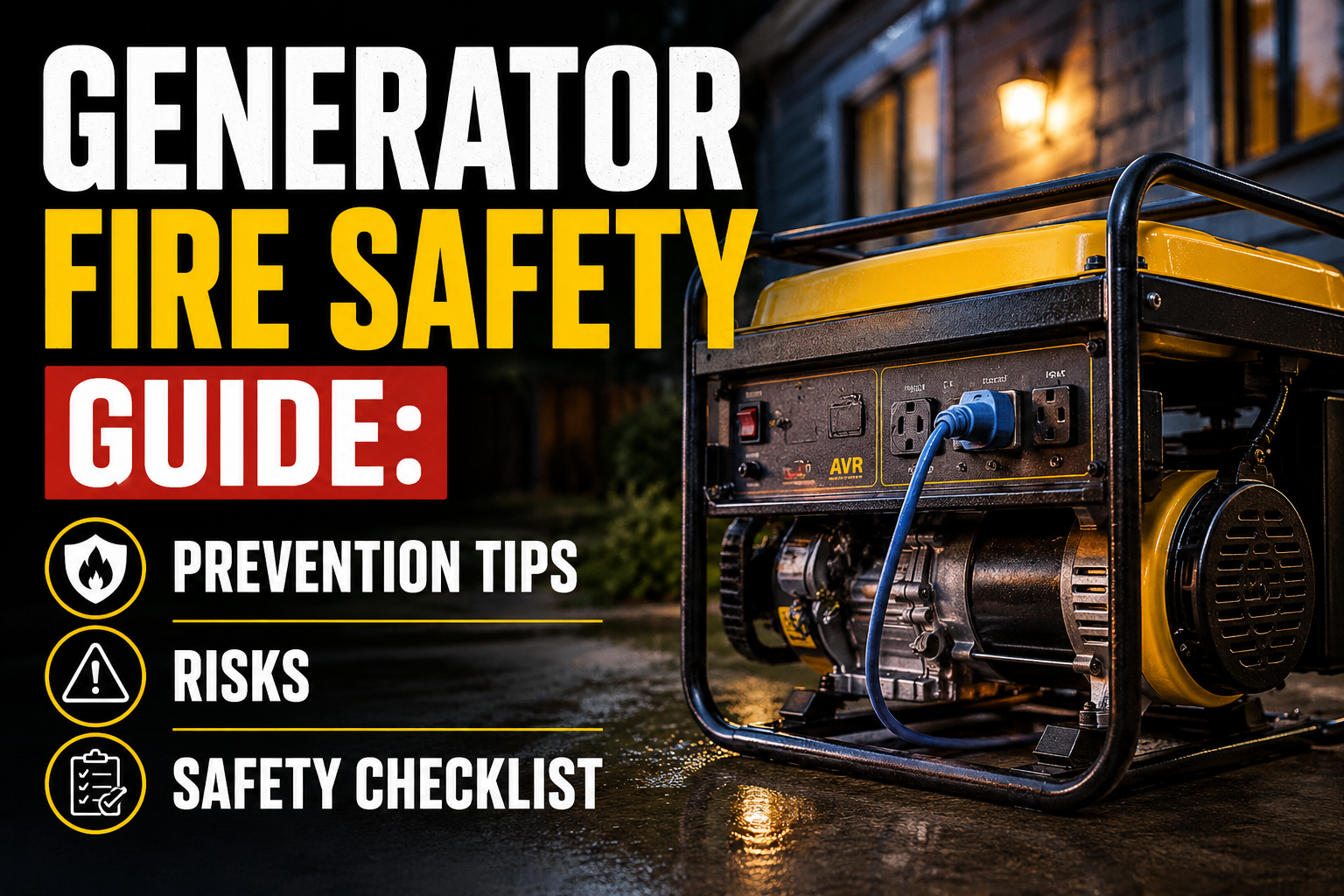
Whether you’re operating a portable unit on a job site, using a Lar standby generator during a storm or managing a complete industrial power system, following a proper Generator Fire Safety Guide is not an option. It’s the difference between a smooth outage and a disaster. Understanding the risks, staying on top of maintenance and following safe installation practices will protect your property, your equipment and the people standing nearby.
Neste guia de Huaquan, learn essential generator fire safety guide tips to prevent fires, reduce risks, improve maintenance, and protect people, propriedade, and equipment safely.
What Causes Generator Fires?
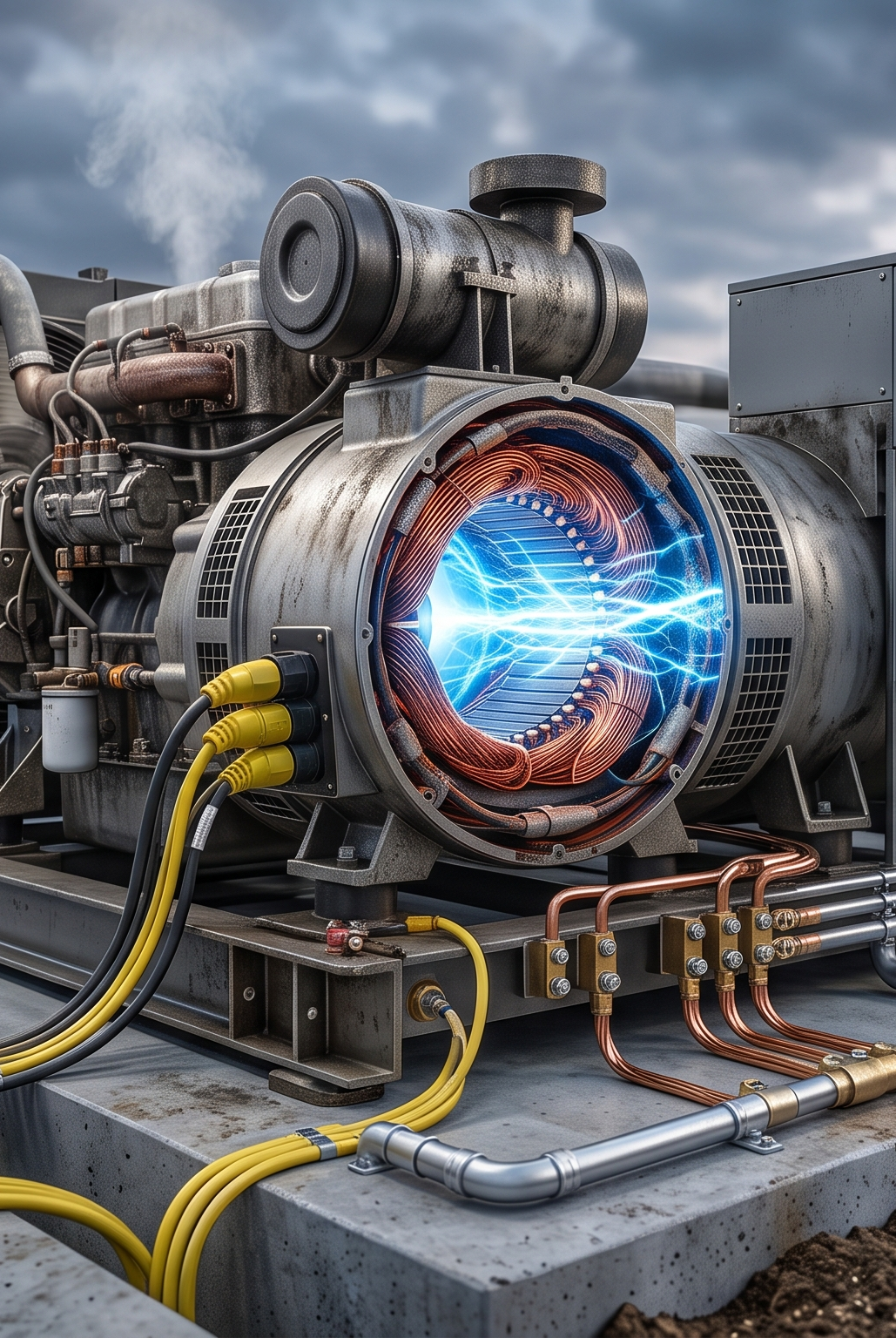
Simplificando, a generator is a powerful engine connected to an alternator. Fire shows up when fuel, oxygen and an ignition source meet in a way they shouldn’t. Here’s where that usually starts.
- Fuel leaks: Damaged fuel hoses or cracked tanks allow gasoline or diesel to collect near a hot engine block.
- Superaquecimento: Overloading a generator can burn up internal components and wiring until something catches fire.
- Poor ventilation: Without enough airflow, the engine cannot cool itself, and that leads to thermal runaway pretty quickly.
- Electrical overload: Too much current pulled through undersized extension cords or faulty breakers creates resistance and sparks.
- Fiação defeituosa: If the generator is improperly wired into the building’s electrical panel, it can lead to short circuits, arcing and electrical fires.
- Falta de manutenção: Putting off oil changes or filter replacements can increase internal friction and heat in no time.
- Using generators near combustible materials: A generator is a good candidate for a stray spark to find fuel if it is placed near dry grass, wooden decks or fuel storage tanks.
Common Fire Risks When Using a Generator
When the generator is actually operating, a different set of risks takes over and these deserve your full attention.
- Fuel spills: Spilling fuel onto a hot muffler while refueling a running unit may cause an instant fireball.
- Hot exhaust surfaces: Generator exhausts can reach temperatures above 600°F (315°C), which can easily ignite leaves, tarps or plastic nearby.
- Damaged cables: Frayed, exposed or pinched cables create direct short circuits that spark violently.
- Battery sparks: Loose or corroded terminals can arc and ignite hydrogen gas or fuel vapors hanging in the air.
- Running generators indoors or in enclosed areas: Besides the carbon monoxide danger, trapped heat in an enclosed space can eventually lead to fire.
- Ignoring warning signs: A burning rubber smell, thick black exhaust smoke or breakers that continue to trip are all signs that a major fire may occur.
Generator Fire Prevention Tips
It’s a matter of common sense and discipline to prevent a generator fire. No shortcuts.
- Locate the generator in an open, safe area: Set portable units on flat, non-combustible ground such as concrete or gravel away from dry brush.
- Properly store fuel: Store gasoline or diesel in clearly labeled, OSHA-approved fuel containers away from the generator and direct sunlight.
- Never overload the generator: Determine the running and starting wattage before plugging anything in to avoid exceeding the generator’s safe operating limit.
- Check cables and connections: Antes de cada uso, inspect all electrical connectors and cables for cracking, melting or exposed copper.
- Let the generator cool before refueling: Never pour fuel into a hot unit. Turn it off and allow the muffler to cool for at least 15 para 20 minutos.
- Have a fire extinguisher nearby: Keep a fully charged ABC-rated fire extinguisher within easy reach of the generator.
- Manutenção regular: Service the engine regularly so it runs efficiently without building excessive heat.
Safe Generator Installation Practices
Building and fire codes are not a suggestion if you are installing a permanent standby generator.
- Proper grounding: Ensure the generator is properly grounded to avoid electrical arcs from stray voltage.
- Install an Chave de transferência automática correctly: A properly installed transfer switch prevents dangerous backfeeding and isolates the generator’s power from the utility line.
- Keep distance from buildings and vents: Maintain at least 5 feet of clearance from combustible walls, windows and doors.
- Use the manufacturer’s safety guidelines: The owner’s manual provides precise clearance and mounting details for safe heat dissipation.
- Have the installation done by a qualified technician: Do not attempt the installation yourself. Use certified electricians and plumbers for gas-line connections.
Generator Maintenance for Fire Safety
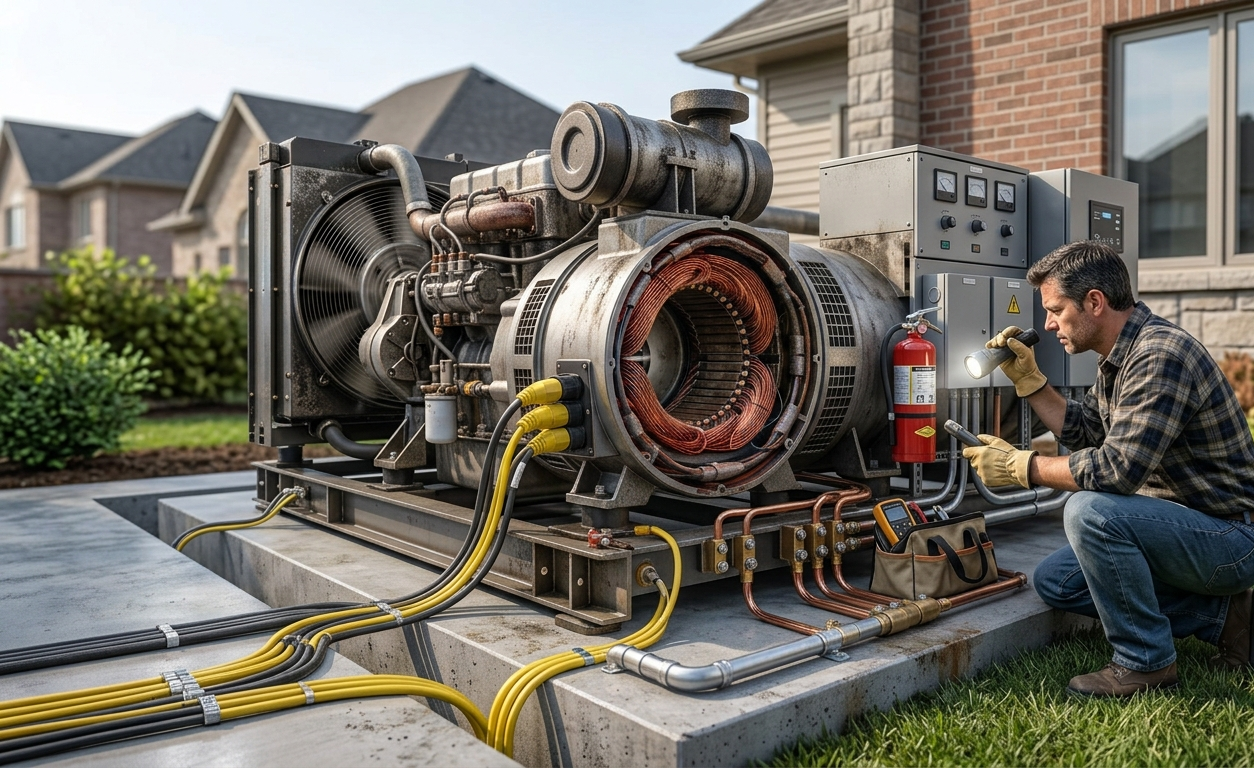
The key to a safe generator is a well-maintained generator. Include these chores in your normal housekeeping routine to substantially reduce your fire hazard.
- Check oil and coolant levels: Adequate oil and cooling help prevent engine block overheating.
- Dirty filters: Clogged air and fuel filters can cause the engine to operate hotter and under greater stress than necessary.
- Examine fuel lines: Examine rubber fuel hoses for dry rot, brittleness and weeping connections.
- Clear dust and debris: Clear leaves, cobwebs and dirt from the alternator vents and engine cooling fins.
- Test batteries for good condition: Remove corrosão and ensure that battery cables are securely fastened to avoid arcing.
- Inspect exhaust system: Make sure the muffler and exhaust manifold are free of rust holes and are properly bolted to the engine.
- Regularly conduct load testing: Regular load testing helps identify thermal problems and failing breakers before a potential emergency.
Generator Fire Safety Checklist
Prevent equipment damage, fire or accidents by following this quick checklist before starting your equipment.
- Generator placed outdoors in a well-ventilated area.
- No visible fuel leakage underneath the unit.
- Fuel stored away from heat sources and the generator.
- Extension cords and wiring are not damaged or frayed.
- Um ABC-rated fire extinguisher is available and fully charged.
- The total appliance load is calculated and the generator is not overloaded.
- Air intake and exhaust ventilation paths are clear.
- The maintenance schedule is up to date.
What to Do If a Generator Catches Fire
Despite taking all precautions, things can still go wrong. In case of a generator fire, here’s how to protect yourself.
- Shut off power if safe: If you can access the main breaker or fuel shut-off valve without risking your safety, turn off the power to stop the flow of electricity and fuel.
- Evacuate at once: If the fire is near the fuel tank, move away to a safe distance because an explosion is possible.
- Use the proper type of fire extinguisher: Use an ABC dry chemical or CO2 extinguisher with a side-to-side sweep at the base of the flames.
- Evacuate and call 911: If the fire is no longer a small flame, evacuate the area and call 911 imediatamente.
- Never use water to extinguish an electrical fire: Putting water on a live electrical generator can result in serious electrical shock and spread fuel fires.
- Don’t restart the generator until it has been inspected: Even if the fire was extinguished quickly, the generator should be thoroughly inspected by a qualified technician before it is turned on again.
FAQs on Generator Fire Safety Guide
Can a generator catch fire?
Sim, absolutely. Generators bring together three things that are extremely dangerous when combined: liquid fuels, high mechanical heat and high-voltage electricity. Skip maintenance, ignore ventilation or be careless during fueling and a fire can start quickly.
A que distância um gerador deve estar de um edifício?
Portable generators should be at least 20 feet from your home to keep carbon monoxide buildup out of your house. Permanent standby units should follow local building codes and the manufacturer’s recommendations, typically requiring at least 5 feet of clearance from combustible walls and openings.
Is it safe to refuel a hot generator?
Não, not even close. One of the leading causes of generator fires is refueling a hot generator. Spilled fuel can burst into flames the moment it comes in contact with a hot muffler or engine block. Allow it to cool for 15 para 20 minutes before refueling.
What type of fire extinguisher is best for generators?
Go with a standard ABC dry chemical fire extinguisher. It is suitable for ordinary combustibles, flammable liquids such as gasoline and diesel and electrical fires, covering almost every fire risk a generator can present.
How often should a generator be inspected?
Portable generators require a visual inspection before every use. Permanent standby generators should receive a comprehensive professional inspection and servicing at least once a year or after every 100 horário de funcionamento, o que ocorrer primeiro.
Conclusão
A generator can be an incredibly dependable power source, but only when you respect it, use it correctly and keep up with maintenance. These machines handle volatile fuel and serious electrical loads, so cutting corners on safety is never worth the risk. Following this Generator Fire Safety Guide helps cut down on severe fire risks, protect your expensive equipment and, most importantly, keep your family and crew safe during outages or everyday operations.
Need help keeping your generator safe and reliable? Contato our generator experts today for comprehensive inspections, routine maintenance and professional safety support, so your backup power is always ready when an emergency hits.
Generators are lifesavers when the power goes out. They keep your fridge running, your sump pump going and your medical equipment humming along when everything else goes dark. The thing no one wants to discuss is that these machines are essentially controlled chaos. Combustible fuel, serious mechanical heat and high-voltage electricity are all packed into one box, and if you do not handle this combination carefully, it can turn ugly real quick.
Whether you’re operating a portable unit on a job site, using a home standby generator during a storm or managing a complete industrial power system, following a proper Generator Fire Safety Guide is not an option. It’s the difference between a smooth outage and a disaster. Understanding the risks, staying on top of maintenance and following safe installation practices will protect your property, your equipment and the people standing nearby.
Neste guia de Huaquan, learn essential generator fire safety guide tips to prevent fires, reduce risks, improve maintenance, and protect people, propriedade, and equipment safely.