<h2>What Is a Generator Excitation System and Why It Matters</h2>
<p>A generator excitation system supplies the direct current (CC) needed to create the magnetic field in the rotor that produces electricity. Em primeiro lugar, without a proper generator excitation system, the alternator cannot generate any voltage at all. Além disso, the quality of the generator excitation system directly affects voltage stability, tempo de resposta, and overall power quality. Portanto, understanding how a generator excitation system works is essential for selecting and maintaining a reliable generator. Neste guia, you will learn about all types of generator excitation systems and how Huaquan Power designs them for maximum performance.</p>
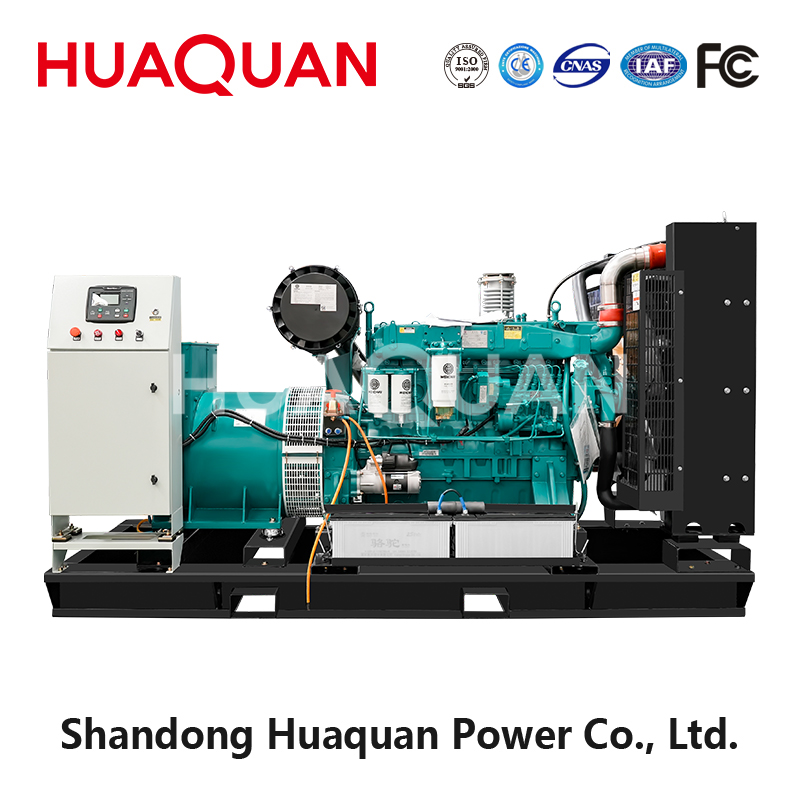
<p><strong>Huaquan Power Tip:</strong> All Huaquan Geradores above 50 kW use brushless excitation systems. Especificamente, brushless excitation eliminates brush wear and maintenance, which means higher reliability and lower operating costs over the life of the generator.</p>
<h2>How a Generator Excitation System Works</h2>
<h3>The Basic Principle of Excitation</h3>
<p>A generator excitation system works on a simple principle. Especificamente, when DC current flows through the rotor windings (field winding), it creates a magnetic field. Então, as the rotor spins, this magnetic field cuts through the stator windings, which induces an alternating current (AC) tensão. Além disso, the amount of DC current controls the strength of the magnetic field. Portanto, by adjusting the excitation current, the automatic voltage regulator (AVR) maintains a steady output voltage regardless of load changes. For more on electromagnetic induction, see the <a href="https://en.wikipedia.org/wiki/Electromagnetic_induction">Wikipedia electromagnetic induction article</um>.</p>
<table>
<tr><o>Componente</o><o>Function</o><o>Localização</o></tr>
<tr><td>Field Winding (Rotor)</td><td>Creates magnetic field when DC flows</td><td>Rotating part</td></tr>
<tr><td>Stator Windings</td><td>Produces AC output voltage</td><td>Stationary part</td></tr>
<tr><td>AVR</td><o>Controls excitation current</o><td>Painel de controle</td></tr>
<tr><td>Exciter</td><td>Provides DC to field winding</td><td>Attached to main alternator</td></tr>
</table>
<h2>Brushed Generator Excitation System</h2>
<h3>How Brushed Excitation Works</h3>
<p>A brushed generator excitation system uses carbon brushes and slip rings to deliver DC current to the rotating field winding. Especificamente, the AVR sends DC current through stationary brushes that press against rotating copper rings (slip rings) on the rotor shaft. Além disso, the current flows from the slip rings into the field winding. Portanto, this is the simplest and oldest type of generator excitation system. No entanto, the brushes wear down over time and need regular replacement. Além disso, brush sparking can cause radio interference and requires a clean, dry environment.</p>
<table>
<tr><o>Recurso</o><o>Brushed Excitation</o><o>Notas</o></tr>
<tr><td>Mecanismo</td><td>Carbon brushes on slip rings</td><td>Simple and proven design</td></tr>
<tr><td>Manutenção</td><td>Brush replacement every 2,000-4,000 horas</td><td>Regular inspection required</td></tr>
<tr><td>Tempo de resposta</td><td>Rápido (direct DC supply)</td><td>Good for sudden load changes</td></tr>
<tr><td>Typical Size Range</td><td>Até 500 kW</td><td>Mostly small to medium generators</td></tr>
<tr><td>Radio Interference</td><td>Possible (brush sparking)</td><td>May need suppressors</td></tr>
</table>
<h3>Pros and Cons of Brushed Excitation</h3>
<p>Brushed generator excitation systems have both advantages and disadvantages. On the plus side, they are simple, low-cost, and provide very fast voltage response. Além disso, repairs are straightforward — you just replace the brushes and clean the slip rings. No entanto, the brushes wear out and create carbon dust. Além disso, in dusty or humid environments, the slip rings can corrode or arc. Portanto, a brushed generator excitation system works best for clean, indoor installations with regular maintenance schedules.</p>
<table>
<tr><o>Advantage</o><o>Disadvantage</o></tr>
<tr><td>Menor custo inicial</td><td>Regular brush replacement needed</td></tr>
<tr><td>Fast voltage response</td><td>Carbon dust buildup</td></tr>
<tr><td>Simple design and repair</td><td>Not suitable for harsh environments</td></tr>
<tr><td>Good for small generators</td><td>Radio frequency interference</td></tr>
</table>
<h2>Brushless Generator Excitation System</h2>
<h3>How Brushless Excitation Works</h3>
<p>A brushless generator excitation system uses a small pilot exciter and a rotating rectifier instead of brushes and slip rings. Especificamente, the AVR sends AC current to the stator of the exciter. Então, the exciter rotor generates AC, which the rotating rectifier converts to DC. Além disso, this DC flows directly into the main field winding without any physical contact. Portanto, there are no brushes to wear out, replace, or maintain. Como resultado, brushless generator excitation systems are the standard choice for modern generators above 50 kW. Visita <a href="https://huaquanpower.net/diesel-generator-sets/">Huaquan diesel generators</um> to see our brushless models.</p>
<table>
<tr><o>Recurso</o><o>Brushless Excitation</o><o>Notas</o></tr>
<tr><td>Mecanismo</td><td>Exciter + rotating rectifier</td><td>No physical contact parts</td></tr>
<tr><td>Manutenção</td><td>Very low (no brushes)</td><td>Inspect rectifier every 10,000 horas</td></tr>
<tr><td>Tempo de resposta</td><td>Slightly slower than brushed</td><td>Still excellent for most loads</td></tr>
<tr><td>Typical Size Range</td><td>50 kW para 10,000 kW+</td><td>Standard for geradores industriais</td></tr>
<tr><td>Radio Interference</td><td>Nenhum (no sparking)</td><td>Clean output signal</td></tr>
</table>
<h3>Pros and Cons of Brushless Excitation</h3>
<p>Brushless generator excitation systems offer significant long-term advantages. Primeiro, they require almost no maintenance because there are no wearing parts in the excitation circuit. Além disso, they produce no carbon dust and no electrical noise. No entanto, they cost slightly more upfront than brushed systems. Além disso, the rotating rectifier diodes can occasionally fail, though this is rare. Portanto, for most industrial and commercial applications, a brushless generator excitation system is the best choice.</p>
<table>
<tr><o>Advantage</o><o>Disadvantage</o></tr>
<tr><td>No brush maintenance</td><td>Custo inicial mais alto</td></tr>
<tr><td>No carbon dust</td><td>Rectifier diode failure is possible</td></tr>
<tr><td>Suitable for harsh environments</td><td>Slightly slower voltage response</td></tr>
<tr><td>No radio interference</td><td>More complex design</td></tr>
</table>
<h2>Permanent Magnet Generator Excitation System</h2>
<h3>How PMG Excitation Works</h3>
<p>A permanent magnet generator (PMG) excitation system uses a small permanent magnet alternator mounted on the main rotor shaft to provide independent excitation power. Especificamente, the PMG generates AC power that is independent of the main generator output. Além disso, this AC power feeds the AVR, which then controls the exciter. Portanto, a PMG generator excitation system provides very stable excitation even during severe load transients or short circuits. Na verdade, PMG excitation is the best choice for generators that must handle large motor starting loads or non-linear loads like UPS systems and VFDs.</p>
<table>
<tr><o>Recurso</o><o>PMG Excitation</o><o>Notas</o></tr>
<tr><td>Power Source</td><td>Permanent magnet sub-alternator</td><td>Independent of main output</td></tr>
<tr><td>Short Circuit Support</td><td>Excelente (sustains 300% for 10s)</td><td>Required for some applications</td></tr>
<tr><td>Motor Starting</td><td>Superior voltage recovery</td><td>Ideal for large motor loads</td></tr>
<tr><td>Custo</td><td>Higher than standard brushless</td><td>Premium application only</td></tr>
</table>
<h2>Generator Excitation System Comparison</h2>
<h3>Side-by-Side Comparison of All Types</h3>
<p>Choosing the right generator excitation system depends on your application, orçamento, and maintenance capabilities. Portanto, the table below compares all three types side by side to help you decide. Além disso, Huaquan Power can customize the generator excitation system for any application — from simple standby to complex industrial power. For more on generator types, see the <a href="https://en.wikipedia.org/wiki/Alternator_(automotive)">Wikipedia alternator article</um>.</p>
<table>
<tr><o>Factor</o><o>Brushed</o><o>Brushless</o><o>PMG + Brushless</o></tr>
<tr><td>Custo Inicial</td><td>Baixo</td><td>Medium</td><td>Alto</td></tr>
<tr><td>Custo de manutenção</td><td>Alto</td><td>Baixo</td><td>Baixo</td></tr>
<tr><td>Voltage Response</td><td>Muito rápido</td><td>Rápido</td><td>Muito rápido</td></tr>
<tr><td>Short Circuit Support</td><td>Pobre</td><td>Bom</td><td>Excelente</td></tr>
<tr><td>Harsh Environment</td><td>Pobre</td><td>Bom</td><td>Bom</td></tr>
<tr><td>Melhor Aplicação</td><td>Small standby</td><td>General industrial</td><td>Motor starting, non-linear loads</td></tr>
</table>
<h2>Perguntas frequentes</h2>
<p><strong>Q1: Which generator excitation system is best for industrial use?</strong></p>
<p>Primeiro, a brushless generator excitation system is the best choice for most industrial applications. Especificamente, it requires minimal maintenance and handles harsh environments well. Além disso, Huaquan Power uses brushless excitation as standard on all industrial generators above 50 kW. Portanto, you get reliable performance with very low upkeep costs.</p>
<p><strong>Q2: How long do brushes last in a brushed generator excitation system?</strong></p>
<p>In a brushed generator excitation system, carbon brushes typically last 2,000 para 4,000 horário de funcionamento. Além disso, brush life depends on load, temperatura ambiente, and humidity. Portanto, you should inspect brushes every 500 hours and replace them before they wear down to the minimum length to avoid slip ring damage.</p>
<p><strong>Q3: What is the difference between AREP and PMG generator excitation systems?</strong></p>
<p>Primeiro, AREP (Auxiliary Winding Regulated Excitation Principle) uses auxiliary windings in the main stator to provide excitation power. Próximo, PMG uses a separate permanent magnet sub-alternator. Além disso, PMG provides better short circuit support and faster voltage recovery. Portanto, choose PMG for heavy motor starting and non-linear loads, and AREP for standard applications.</p>
<p><strong>Q4: Can I convert a brushed generator excitation system to brushless?</strong></p>
<p>Converting a brushed generator excitation system to brushless is possible but expensive. Especificamente, you need to replace the entire rotor assembly and add an exciter and rotating rectifier. Além disso, the cost of conversion is often 60-80% of a new alternator price. Portanto, it is usually more cost-effective to replace the generator with a new brushless model from Huaquan Power.</p>
<p><strong>Q5: How does the AVR work with the generator excitation system?</strong></p>
<p>The AVR (automatic voltage regulator) monitors the generator output voltage and adjusts the excitation current to keep it steady. Especificamente, when the load increases, the AVR sends more current to the generator excitation system to maintain voltage. Além disso, when the load decreases, the AVR reduces the excitation current. Portanto, the AVR and generator excitation system work together as a closed-loop control system for stable power output.</p>
<h2>Conclusão: Choose the Right Generator Excitation System</h2>
<p>In summary, the generator excitation system is the heart of voltage regulation and power quality. Primeiro, brushed systems are simple and cheap but need regular maintenance. Próximo, brushless systems offer low maintenance and high reliability for most applications. Além disso, PMG excitation provides the best performance for demanding loads. Portanto, Huaquan Power offers all three types to match your exact needs. Contato <a href="https://huaquanpower.net">Poder Huaquan</um> today for expert guidance on choosing the right generator excitation system.</p>