O que é um Gerador Diesel Cooling System and Why It Matters
A diesel generator cooling system removes excess heat from the engine to keep it running at the correct temperature. Em primeiro lugar, a diesel engine converts only about 35-40% of fuel energy into mechanical power — the rest becomes heat. Portanto, without an effective cooling system, the engine overheats and suffers severe damage within minutes. Além disso, the cooling system directly affects generator efficiency, vida útil, e confiabilidade. Neste guia, you will learn about all types of diesel generator cooling systems, their pros and cons, and how to choose the right one for your application from Huaquan Power.
Key Fact: A diesel engine operates best at 80-95°C coolant temperature. Huaquan Geradores use smart thermostats and variable-speed fans to maintain this range, which optimizes both fuel efficiency and engine life.
Types of Diesel Generator Cooling Systems
1. Radiator Cooling System (Mais Comum)
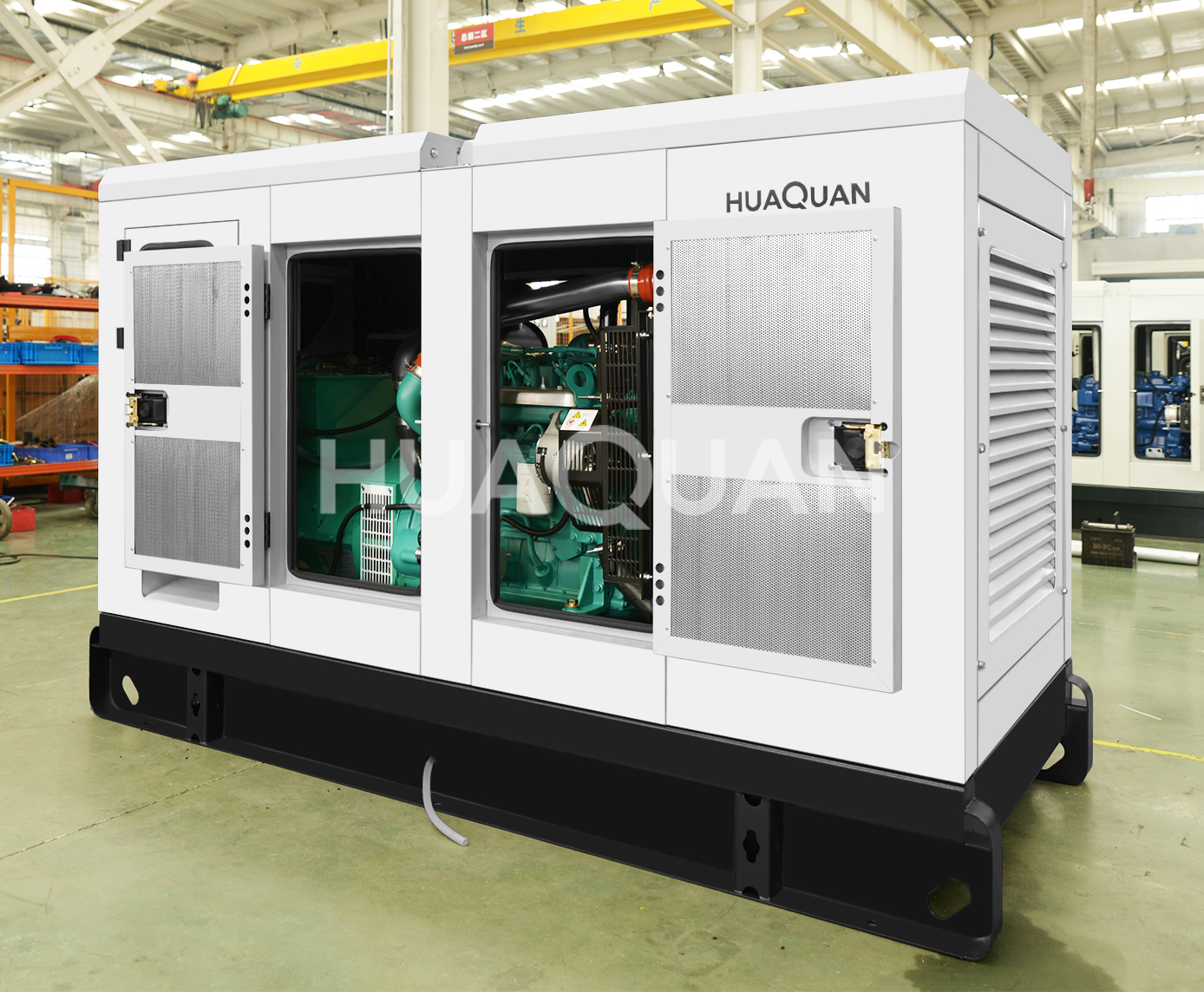
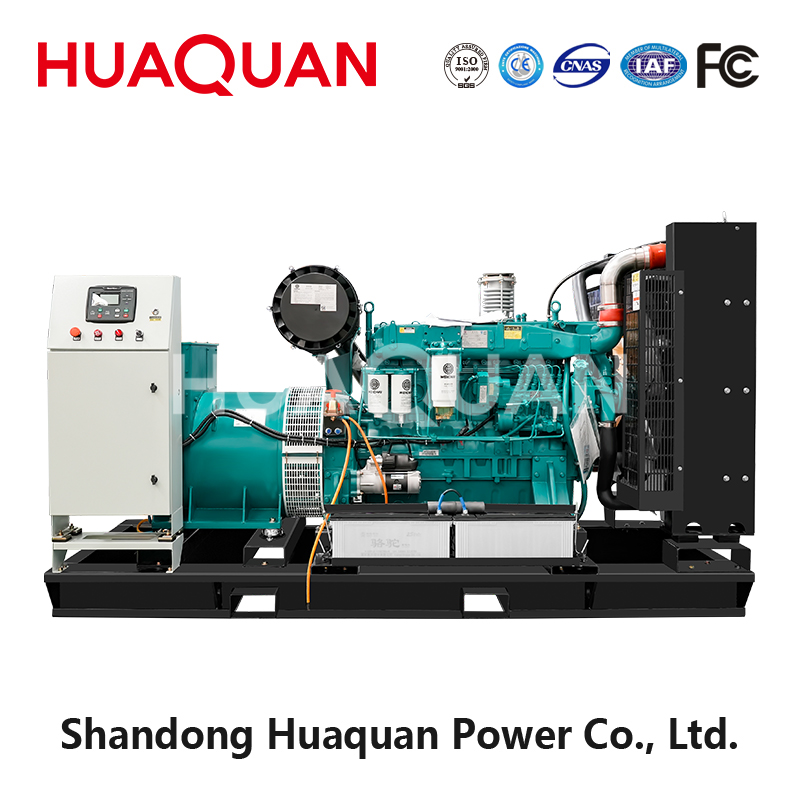
The radiator cooling system is the most widely used type for diesel generators. Especificamente, engine coolant circulates through the engine block, absorbs heat, then flows through a radiator where a fan blows air across cooling fins to dissipate the heat. Além disso, the radiator and fan are typically mounted directly on the generator skid, making it a compact, self-contained unit. Como resultado, radiator-cooled generators are easy to install and require minimal external infrastructure.
| Recurso | Specification |
|---|---|
| Coolant type | 50/50 ethylene glycol and water |
| Operating temperature | 80-95°C |
| Coolant capacity (500unidades kW) | 80-120 liters |
| Fan type | Engine-driven or variable-speed electric |
| Radiator material | Copper/brass or aluminum |
| Installation requirement | Adequate ventilation for airflow |
2. Heat Exchanger Cooling System
A heat exchanger cooling system uses two separate coolant circuits. Primeiro, the primary circuit circulates coolant through the engine. Então, the heat exchanger transfers heat from the primary circuit to the secondary circuit, which uses raw water (from a river, cooling tower, or city supply) to carry the heat away. Além disso, this system is ideal for marine applications and installations where the generator room has limited ventilation. Como resultado, heat exchanger-cooled generators work well in enclosed spaces where a radiator cannot get enough fresh air.
| Recurso | Specification |
|---|---|
| Primary coolant | 50/50 ethylene glycol and water |
| Secondary coolant | Raw water (river, tower, city supply) |
| Raw water flow rate (500kW) | 30-50 liters per minute |
| Operating temperature | 80-90°C |
| Installation requirement | Reliable raw water supply and drain |
| Best application | Marine, porão, enclosed rooms |
3. Remote Radiator Cooling System
A remote radiator cooling system separates the radiator from the generator and installs it outdoors or on the roof. Especificamente, an electric pump circulates coolant through long pipes between the engine and the remote radiator. Além disso, this design removes radiator heat from the generator room entirely. Como resultado, the generator room stays cool even with multiple units running. Portanto, remote radiator systems are popular for large installations like data centers, hospitais, e usinas de energia.
| Recurso | Specification |
|---|---|
| Pipe distance | Até 50 metros (with proper pipe sizing) |
| Pump type | Electric centrifugal pump (redundant) |
| Radiator location | Outdoors, rooftop, or dedicated cooling tower |
| Expansion tank | Required at highest point |
| Best application | Centros de dados, hospitais, multi-generator rooms |
Diesel Generator Cooling System Comparison
Choosing the right cooling system depends on your installation environment, available infrastructure, e orçamento. The table below provides a side-by-side comparison of all three types to help you decide.
| Factor | Radiador | Heat Exchanger | Remote Radiator |
|---|---|---|---|
| Installation complexity | Simple | Moderado | Complex |
| Room ventilation needed | Alto | Baixo | Baixo |
| External water needed | Não | Sim | Não |
| Custo inicial | Baixo | Medium | Alto |
| Maintenance cost | Baixo | Medium | Medium |
| Nível de ruído | Mais alto (fan noise) | Mais baixo | Lowest (radiator outdoors) |
| Marine suitability | Pobre | Excelente | Bom |
| Basement suitability | Pobre | Bom | Excelente |
| Hot climate performance | Bom (with oversized radiator) | Excelente | Excelente |
Cooling System Components and Maintenance
Coolant Selection
Using the correct coolant is essential for diesel generator cooling system reliability. Primeiro, always use a 50/50 mixture of ethylene glycol antifreeze and distilled water. This ratio provides freeze protection to -37°C and boil-over protection to 106°C. Além disso, the coolant contains corrosion inhibitors that protect the radiator, bomba de água, and engine passages. Portanto, never use plain water or unmixed antifreeze. Huaquan Power recommends changing coolant every 2 anos ou 2,000 horas, whichever comes first.
| Coolant Type | Freeze Protection | Boil-Over Protection | Service Life | Custo |
|---|---|---|---|---|
| 50/50 EG + distilled water | -37°C | 106°C | 2 anos / 2,000 hrs | Standard |
| 60/40 EG + distilled water | -52°C | 111°C | 2 anos / 2,000 hrs | Standard |
| Extended-life coolant (OAT) | -37°C | 106°C | 5 anos / 5,000 hrs | +30-50% |
| Propylene glycol (non-toxic) | -32°C | 104°C | 2 anos / 2,000 hrs | +50-80% |
Thermostat Function
The thermostat controls coolant flow to maintain the correct engine temperature. Especificamente, when the engine is cold, the thermostat stays closed and routes coolant through a bypass back to the engine. Então, as the engine warms up, the thermostat gradually opens and allows coolant to flow through the radiator. Além disso, a properly functioning thermostat prevents the engine from running too cold, which causes carbon buildup and increased wear. Huaquan generators use high-quality thermostats with a 82°C opening temperature.
Water Pump Maintenance
The water pump circulates coolant through the entire diesel generator cooling system. Primeiro, a failed water pump causes rapid overheating and engine damage. Portanto, inspect the water pump during every major service interval. Além disso, look for coolant leaks from the weep hole, listen for bearing noise, and check for shaft play. Também, replace the water pump according to the maintenance schedule — typically every 6,000-10,000 hours for Huaquan generators.
Common Diesel Generator Cooling Problems
Understanding common cooling problems helps you prevent costly failures. Below are the five most frequent issues and their solutions.
| Problema | Sintoma | Cause | Solução |
|---|---|---|---|
| Superaquecimento | Temp gauge above 105°C | Low coolant, blocked radiator, failed thermostat | Verifique o nível do líquido refrigerante, clean radiator, replace thermostat |
| Coolant loss | Low coolant warning | Leak in hose, radiador, or gasket | Pressure test system, repair leak |
| Cavitation | Pitting on cylinder liners | Incorrect coolant or low SCA | Use correct coolant with SCA supplement |
| Scale buildup | Eficiência de resfriamento reduzida | Hard water or old coolant | Flush system, use distilled water |
| Fan belt failure | Superaquecimento, barulho | Worn or loose belt | Replace belt, check tension |
Hot Climate Cooling Solutions
In hot climates where ambient temperature exceeds 40°C, standard diesel generator cooling systems may not provide enough cooling. Portanto, Huaquan offers several upgrades for high-temperature environments. Primeiro, oversized radiators with more cooling fins and larger surface area. Second, high-performance fans with greater airflow. Third, upgraded coolant with higher boil-over protection. Também, Huaquan can derate the generator output slightly to reduce heat generation in extreme conditions.
| Ambient Temp | Standard Cooling | Upgraded Cooling | Power Derating |
|---|---|---|---|
| Up to 40°C | Standard radiator | Not needed | Nenhum |
| 40-46°C | May overheat | Oversized radiator | 0-3% |
| 46-50°C | Overheat risk | Oversized radiator + high-temp coolant | 3-5% |
| 50-55°C | Not suitable | Remote radiator or heat exchanger | 5-10% |
Huaquan Power Cooling System Features
Every Huaquan diesel generator comes with a carefully designed cooling system matched to the engine and application. Em primeiro lugar, the radiator is sized with a 10-15% margin above the minimum requirement for reliable operation in hot conditions. Além disso, the smart control panel monitors coolant temperature, nível, and pressure in real time. Também, the automatic shutdown feature protects the engine if coolant temperature exceeds safe limits. Mais importante ainda, Huaquan offers all three cooling system types (radiador, heat exchanger, remote radiator) for every power range from 20kW to 2000kW.
- Oversized radiator with 10-15% cooling margin
- Smart coolant temperature and level monitoring on control panel
- Automatic engine shutdown on high coolant temperature
- Variable-speed fan option for reduced noise and fuel consumption
- Available in radiator, heat exchanger, and remote radiator configurations
Perguntas frequentes
Q1: What type of cooling system does a diesel generator use?
Most diesel generators use a radiator cooling system with engine coolant circulated by a water pump. No entanto, Huaquan also offers heat exchanger and remote radiator systems for marine, porão, and multi-generator installations where standard radiators are not suitable.
Q2: How often should I change diesel generator coolant?
Change diesel generator coolant every 2 anos ou 2,000 horário de funcionamento, whichever comes first. If you use extended-life coolant (OAT type), you can extend this to 5 anos ou 5,000 horas. Always use a 50/50 mix of antifreeze and distilled water.
Q3: Can a diesel generator overheat in hot weather?
Sim, standard generators can overheat when ambient temperature exceeds 40°C. Huaquan offers oversized radiators and high-temperature cooling packages that allow reliable operation up to 55°C. For extreme conditions, a remote radiator or heat exchanger system provides the best performance.
Q4: What is the difference between radiator and heat exchanger cooling?
A radiator cooling system uses a fan to blow air through cooling fins, while a heat exchanger uses raw water (from a river or cooling tower) to absorb heat. Radiators are simpler and cheaper, while heat exchangers are better for enclosed rooms and marine applications with limited ventilation.
Q5: How do I know if my generator cooling system is working properly?
Check that coolant temperature stays between 80-95°C during operation. Também, verify coolant level is at the full mark when cold. Além disso, inspect for leaks, check radiator fins for blockage, and ensure the fan belt is tight. Huaquan generators display all cooling data on the smart control panel.
Conclusão: Choose the Right Diesel Generator Cooling System with Huaquan
In summary, the diesel generator cooling system is critical for reliable operation and long engine life. Primeiro, choose radiator cooling for most standard installations. Próximo, select a heat exchanger for marine or enclosed room applications. Além disso, consider a remote radiator for large multi-generator facilities. Portanto, contact Huaquan Power at huaquanpower.net for expert guidance on selecting the optimal cooling system for your specific installation conditions.