

Introduction
You need a schedule for preventive maintenance of the diesel generators to ensure they are running well. Regular maintenance helps to minimize unexpected failures and increase efficiency. This guide presents useful steps and timetables that you can use in the day to day and long range planning.
Preventive maintenance is essential to ensure diesel generators operate efficiently and avoid unexpected failures.
Appreciate The Importance of Preventive Maintenance
You must know why you need to do preventive maintenance. Diesel generators are run under load and the stress that is impacting the environment. Without maintenance, the performance will go down as time passes.
Preventive maintenance helps you to avoid being downed suddenly. It ensures that all the systems are operating. You can detect problems early on before they turn into serious failures. This has the benefit of helping to improve the life of the equipment and also save money in terms of repairing them.
Design A Daily Maintenance Schedule
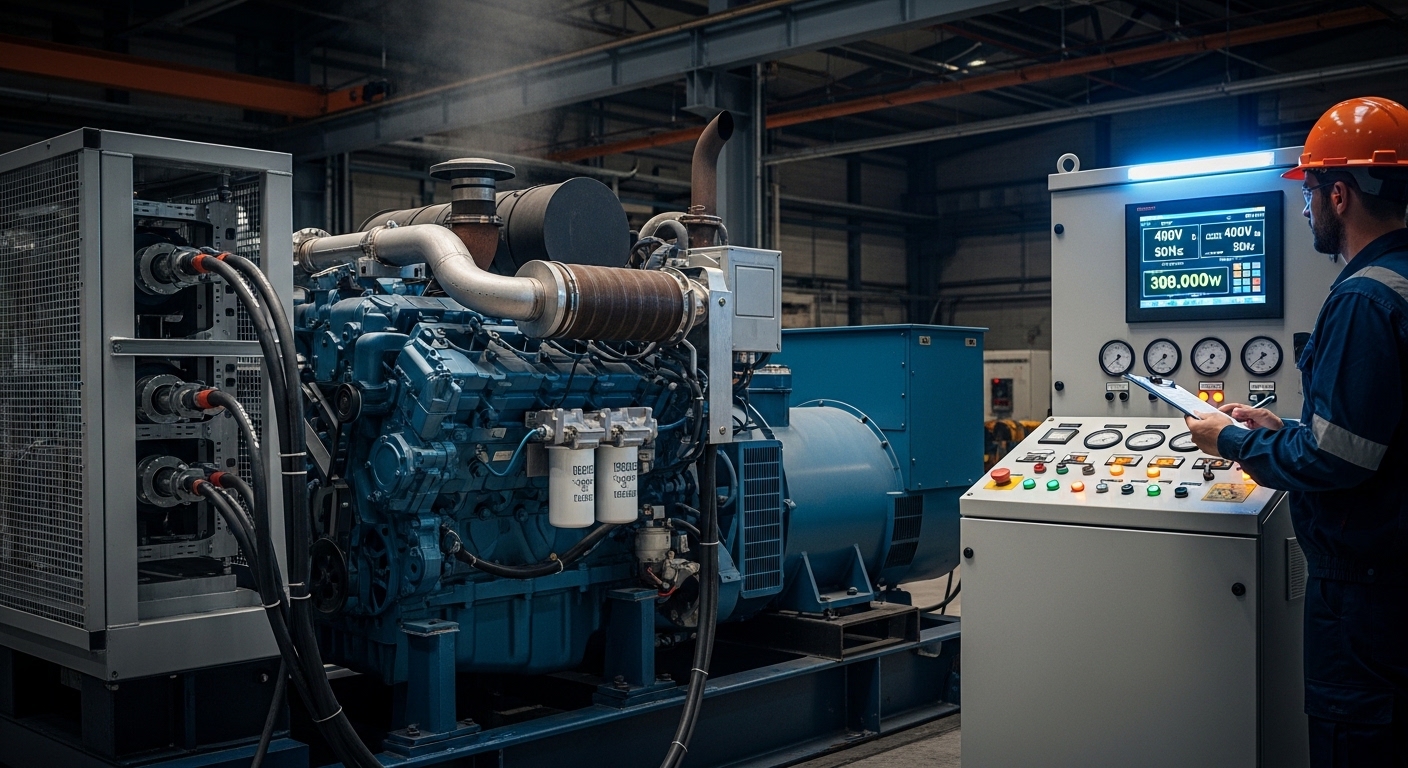
You should perform some basic checks every day before you use the generator. Daily inspection helps you to find out visible issues in a short time. Daily work involves checking fuel level, oil level and coolant level. You must check for leaks, strange sounds or vibration. Make sure that control panel indicators are reading normal. These simple checks are used to ensure operation to be safe.
Perform Weekly Maintenance Inspections
You have to do more thorough inspections on a weekly basis. Weekly checks make systems stable. Inspect the condition of batteries and terminals looking for corrosion. Check the condition of air filters and clean, if necessary. Test start generator and run the generator under light load. Weekly checks ensure that it is ready to operate.
Plan on Monthly maintenance activities
Monthly maintenance allows you to have an idea for judging the performance of a generator in detail. You want to look at all of the major systems carefully. Check fuel system components for leaks or contamination. Inspect cooling system hose and radiator condition. Check out the electrical connections and tighten loose terminals. Monthly checks help to prevent long-term damage.
Schedule Quarterly Maintenance Activities
Quarterly maintenance should consist of deeper inspection and testing. You have to focus on the system performance and system efficiency. Change engine oil if needed according to usage. Replace fuel filters if they need to be changed. Exhaust system and cooling system component inspection and cleaning. Quarterly maintenance improves the overall reliability.
Conduct Semi Annual Maintenance
You are supposed to have semi-annual maintenance every six months. This includes modification and replacement of the systems. Inspect condition of alternator and test output performance. Inspect insulation resistance of electrical components Replace worn out parts and make sure system calibration This helps to keep the consistent performance of the generator.
Conduct Annual Maintenance Inspection
Annual maintenance is very important with regards to long term reliability. You should do a total system check. Drain and change coolant if necessary Check engine components and fuel injection system. Do load testing of the generator for full performance Annual maintenance to ensure that generator operates at optimum condition.
Perform Regular Maintenance of Fuel System
You need to keep the fuel system in hand to have a stable engine system. Poor quality fuel can lead to damage in components. Check fuel tank for contamination, presence of water Change fuel filters according to fuel filter schedule Use clean and good quality fuel. Proper maintenance of fuel helps to improve the efficiency of the engine.
Inspect Lubrication System
The lubrication system helps in decreasing the wear of the engine. It is important to keep an eye on the condition of the oil on a regular basis. Check the oil level and viscosity. Replace oil based on operating hours. Inspect oil filters and change when necessary. Proper lubrication helps to mitigate friction and increases the life of the engine.
Maintain Cooling System Efficiency
The cooling system prevents overheating and gives stable operation. You need to regularly check it. Check coolant level and condition Clean radiator fins, and make sure that there is proper air flow. Inspect hoses for any leaks or cracking. Efficient cooling structure ensures the protection of engine parts.
Check Air Intake System
The air intake system helps in proper combustion. Dirty air filters reduce engine performance. Inspect air filters regularly and clean or replace them when necessary. Make sure air ducts are not blocked. Clean intake system helps in better combustion
Check for Electrical System Components
The electrical system is responsible for proper working of the generator. You should inspect wiring and connections on a periodic basis. Check alternator terminals and control panel wiring. Tighten loose connections and replace damaged wires. Inspect Battery and Charging System. A reliable electrical system is failure free.
Monitor Battery Condition
Battery is very important for generator starting. You need to make sure that you maintain it in good condition. Check Battery Voltage and Clean Terminal Make sure that you properly charge and replace weak batteries. Good battery condition makes for a good start.
Perform Load Testing
Load testing is a way of checking the performance of generators working load. It is a significant step to maintain. Run the generator under load to test the stability of voltage and frequency Monitor the temperature and oil pressures. Load testing proves generator readiness
Monitor Generator Operating Conditions
You should always watch important operating parameters during the maintenance and operation.
Important parameters are:
- Engine temperature
- Oil pressure
- Output voltage
- Frequency stability
- Fuel consumption
Abnormal readings are indicators of possible problems. The early action helps to avoid major failures.
Maintain Clean Generator Environment
A clean environment ensures better performance of the generator and lessens maintenance problems. Dust and debris can affect the cooling and air flow. Clean generator rooms regularly and eliminate obstacles. Proper ventilation around the generator should be provided. A clean environment leads to efficient operation.
Keep Maintenance Records
You must keep detailed records of all the maintenance activities. The proper documentation is useful in planning future maintenance.
Important records include:
- Maintenance dates
- Operating hours
- Inspection results
- Parts replacement history
Accurate records facilitating troubleshooting and maintenance planning.
Maintenance Personnel of a Train
Proper training: maintenance practices are made sure by proper training. It is important that technicians are familiar with generator systems and procedures. Train people to do the inspection and discover problems. Skilled technicians mean better reliability and safety.
Adhering to Safety Procedures while Maintaining
Safety is very important when using generators. You have to follow proper safety guidelines. Power off electricity before working on electricity. Use protective equipment, if necessary. Avoid contact with hot components Following security rules helps to avoid accidents.
Change Maintenance Based on Operating Conditions
The maintenance schedule should be varied according to the use and environment. Generators in harsh conditions must be more often. Increase frequency of inspection in a dusty, humid or high load condition. Flexible maintenance planning for better reliability of generation.
Conclusion
You need to have scheduled preventive maintenance to ensure a good running of your diesel generators. Regular inspection and timely servicing helps in to prevent failure and prolong life of the equipment. Proper maintenance is helpful to ensure efficiency and safe and stable performance.
Frequently Asked Questions
1. Why Preventive Maintenance is Important to Diesel Generators?
Preventive maintenance is beneficial for helping avoid unexpected failures, work to improve efficiency, and to extend the life of the generator.
2. How Often Should Generator Maintenance Be Done?
Maintenance frequency is dependent on the usage but daily, weekly, monthly, yearly and yearly are recommended to be used.
3. What Are The Important Systems To Have In A Generator?
Important systems are fuel, lubrication, cooling, electrical, and air intake systems.
4. Why Is It Important to Conduct Load Testing?
Load testing ensures that the exact condition of the generators and that they are reliable.
5. How are Maintenance Records Helpful?
Maintenance records are useful in keeping track of the performance, planning servicing and increasing efficiency of troubleshooting.
About Huaquan Power
Huaquan Power is giving professional diesel generator solutions to industrial and commercial users. You can choose reliable generator sets, customized power systems and all technical support.
Visit: http://huaquanpower.net/
You can browse through the product information and service options according to your power system need.