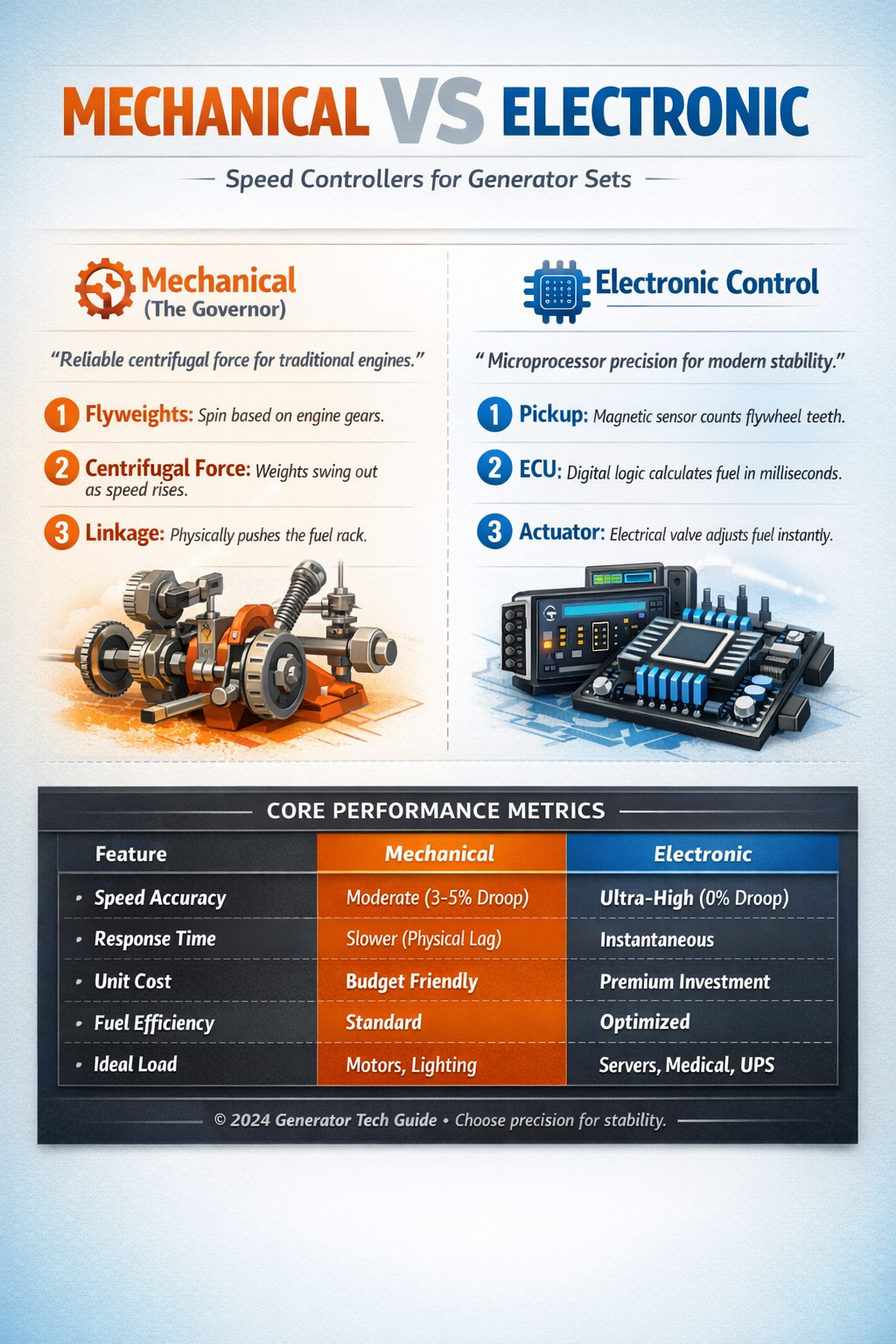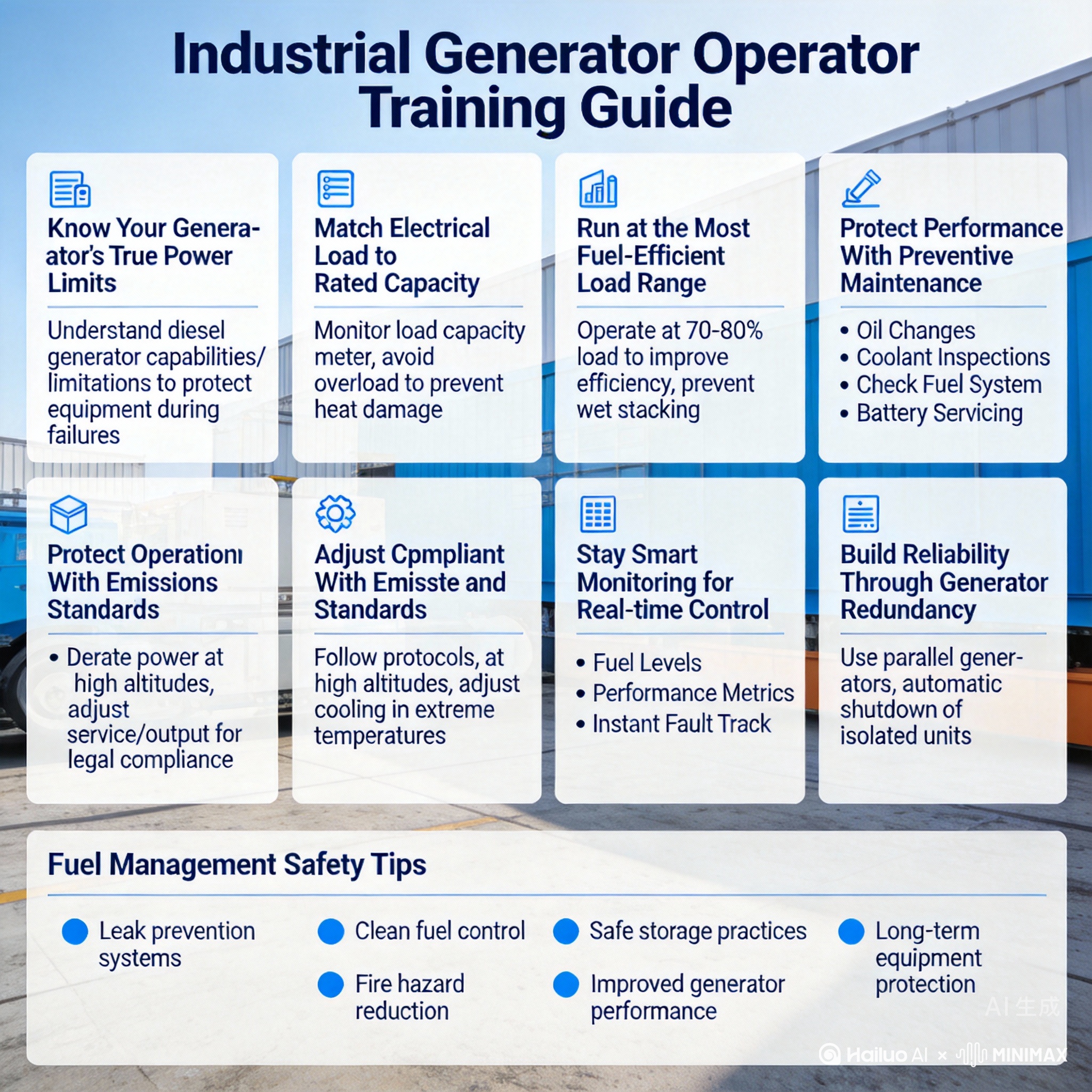
A Diesel Generator is generally required when the main electricity supply fails or is unavailable. To keep it running properly, certain values must be checked regularly. These values are known as diesel generator operating parameters. They show how well the generator is working during operation. The parameters include important readings like temperature, pressure, voltage, and load. Monitoring these parameters closely helps in detecting any issues or errors earlier, before they become major issues.
In this article, we will explain why it is important to monitor the key parameters during the operation of diesel Generators.
Importance of Monitoring Operating Parameters
Monitoring diesel generator operating parameters is something that must be done to prevent overheating and Electrical faults. Checking these values regularly helps the operator quickly notice if something is wrong. For example, if the engine temperature becomes too high or oil pressure drops, it’s a warning sign. Therefore, it’s important to take action early so that it won’t cause major issues. Moreover, monitoring these parameters regularly helps in maintaining fuel efficiency while keeping the operation smooth.
To put it in one single sentence, watching these parameters helps in keeping the generator safe and healthy. With these readings, operators can easily understand whether the generator is running normally or not. Moreover, monitoring these parameters closely not only improves the overall generator performance but also ensures a reliable power supply when the main power supply is not available. Safety is another key reason why checking these parameters is essential. Abnormal temperature and pressure can create dangerous situations. By regularly monitoring these parameters, we can reduce the risk and make sure the operation takes place without any issues.
Key Parameters to Monitor During Diesel Generator Operation
Engine Performance Parameters
Engine performance parameters help us understand how well the diesel generator engine is working and whether it’s producing the required amount of power or not.
Engine Speed (RPM): Revolutions per minute (RPM) shows how fast the engine is rotating. The rotation should be average, not too high or too low.
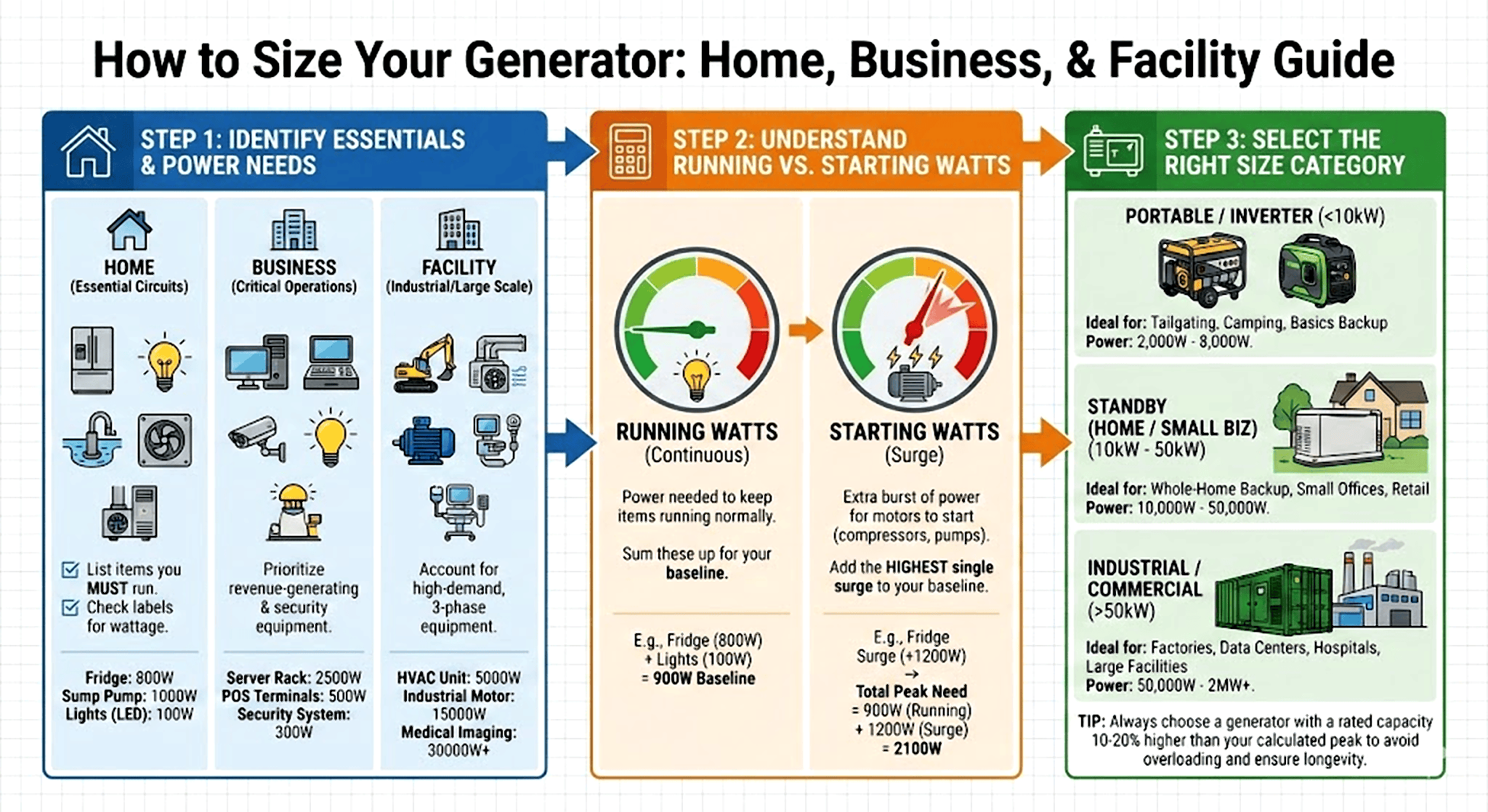
Load Percentage: This shows the amount of the generator’s capacity being used. Running at very low or very high loads for long periods can affect performance and efficiency, too.
Output Power (kW / kVA): This shows the amount of electricity it is producing and usually measures in kW or kVA.
Fuel System Parameters
This parameter helps in ensuring that the generator is getting the right amount of fuel.
Fuel Level: Shows the remaining fuel in the generator’s tank. Ensure there is enough fuel available to keep the generator running without interruption.
Fuel Consumption Rate: Shows the amount of fuel the generator is consuming for a certain time period.
Fuel Pressure: Make sure proper fuel pressure is being delivered to the engine for smooth combustion. If it’s too low or too high, the engine may not run correctly, affecting the performance.
Lubrication System Parameters
For smooth operations, lubrication is one important key parameter. It helps in reducing friction between moving parts to prevent overheating and damage.
Lubricating Oil Pressure: Ensure the oil is flowing properly and lubricating all moving components inside.
Lubricating Oil Temperature: This shows how hot the oil is during operation. The oil should stay within the recommended temperature range to lubricate properly.
Oil Level: Shows the amount of lubricated oil available in the system. Ensure the amount is not too low, as it can cause engine damage.
Cooling System Parameters
Cooling parameters prevent the diesel generator from getting overheated. This helps in removing the excess heat from the engine to keep the temperature stable.
Coolant Temperature: Shows how hot the engine is when the generator runs.
Coolant Level: Indicates the amount of coolant left in the system. There should be a sufficient amount of coolant in the system to keep the engine cool.
Radiator Condition: This helps in releasing the heat from the coolant into the air.
Electrical Parameters
Electrical parameters indicate the quality and system stability generated by the diesel generator. It is important to keep an eye on the parameters to determine whether safe power is being supplied.
Output Voltage: It can be defined as the pressure supply given by the generator, which should remain within the appropriate range in order to prevent any damage.
Output Current: This indicates the magnitude of the flow of electricity being supplied to the load. These readings will prevent the overheating and electrical faults of the equipment.
Frequency: This usually shows the power supply stability and is measured in hertz (Hz).
Exhaust and Emission Parameters
These parameters help in ensuring how well the engine is burning fuel. If any unusual problem exists, they usually give early signs.
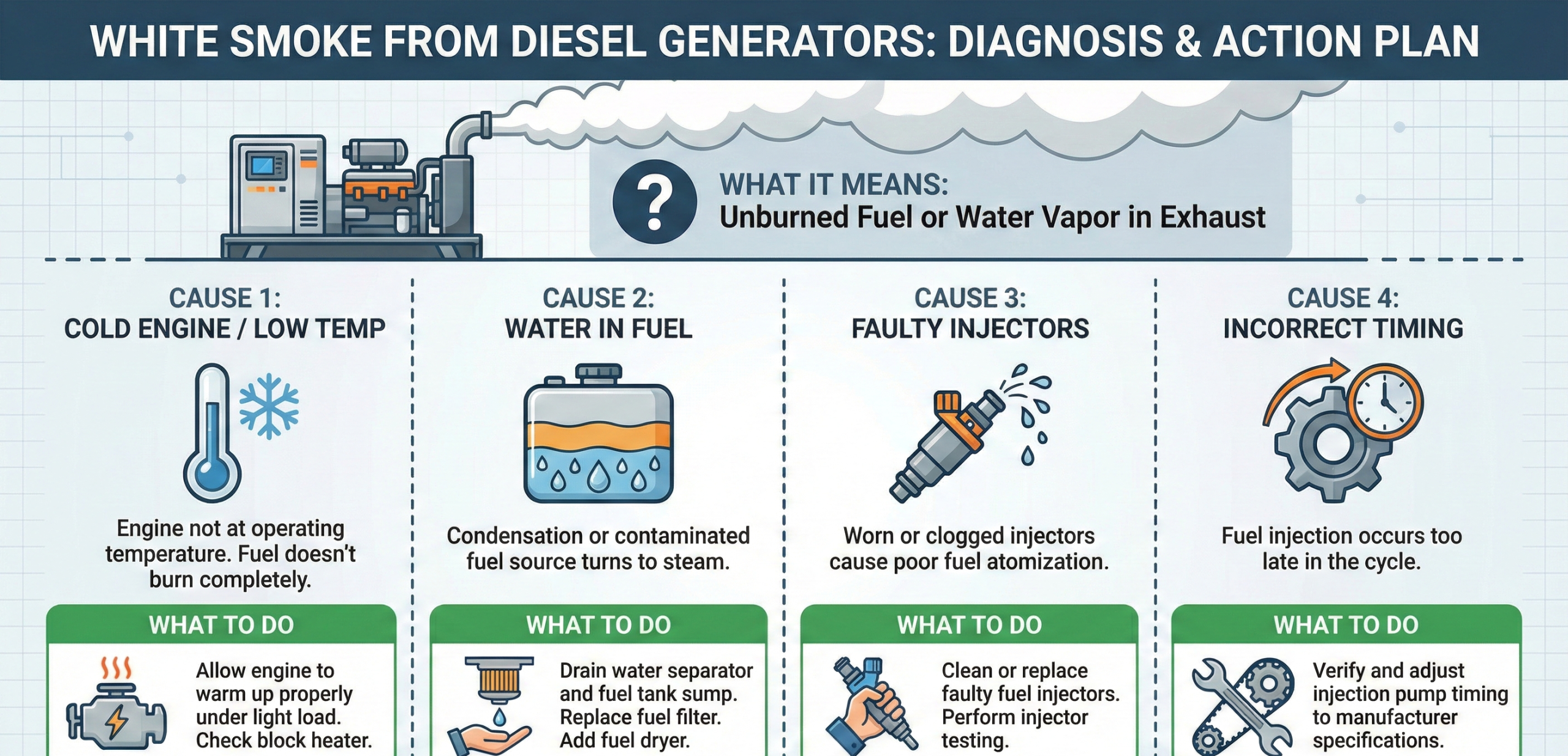
Exhaust Gas Temperature: This parameter helps in specifying how hot the gases are when they leave the engine. If it’s too high, it means it may be overloaded, or there is poor combustion. Whereas low temperature can mean the fuel didn’t burn completely.
Smoke Color / Exhaust Quality: The color of the exhaust smoke tells a lot about the engine condition. Clear or light smoke usually means there are no issues. Whereas if you see black smoke, it may indicate too much fuel, and blue smoke may mean oil burning.
Battery and Starting System Parameters
The battery and starting system are responsible for starting the diesel generator. If these parameters fail to work as required, the generator may not start as needed.
Battery Voltage: This parameter specifies the strength of the battery. If the voltage is too low, it may mean the battery is too weak or needs charging.
Charging Current: This specifies whether the battery is being properly charged or not. If the charging current is too low or too high, it may affect battery life.
Safety and Protection Parameters
These parameters are helpful for preventing any kind of damage to the diesel generator.
Alarm Indications: These types of alarms are issued to indicate a warning alarm whenever they detect something unusual. The alarm issues signals when they detect unusual conditions such as high temperature, low oil pressure, or excessive overload, allowing them to take relevant actions accordingly.
Shutdown Conditions: This refers to the safety features that turn off the machinery whenever there is a critical problem. This ensures that the equipment does not suffer any severe damage.
Conclusion
To run it smoothly and efficiently, it is important that the diesel generator’s operating parameters are monitored. Checking diesel generator operating parameters ensures that the diesel generator is operating both efficiently and safely. If we pay close attention to these values, any minor issues emerging at early stages may be identified, which could turn out to be major issues at a later stage. At Huaquan Power, the team places great emphasis on the significance of the right monitoring for the maintenance of performance, longevity, and safety.