When your business relies on a diesel generator to keep operations running, you often check the fuel, oil, and batteries regularly. But how often do you pay attention to the exhaust system? It’s a part that silently affects performance, compliance, and safety. And if you neglect it, it can shorten the lifespan of your generator.
That’s why giving your diesel generator exhaust system care is just as important as checking the basics. Now the question is: how do you make sure it’s in good condition?
Don’t worry! This blog will help you.
In this blog, we’ll guide you through everything you need to know, from common problems to step-by-step inspection and maintenance tips.
So, read on!
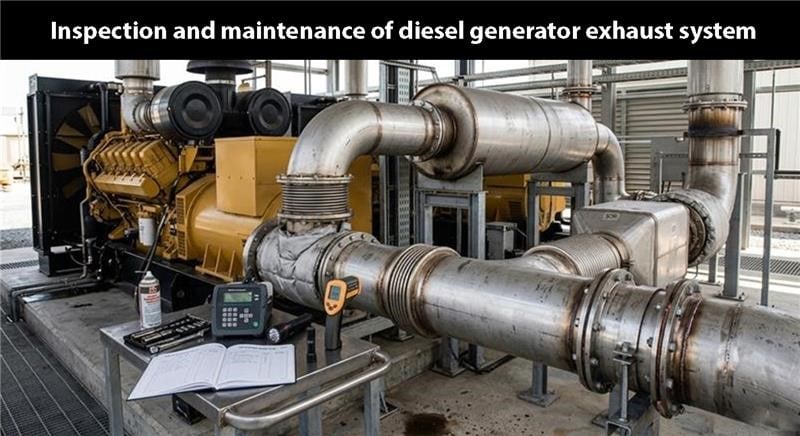
Diesel Generator Exhaust System: Its Function & Main Parts
The diesel generator exhaust system safely channels the hazardous gases produced during fuel combustion away from the engine and people. Each part of the system plays a vital role, so let’s explore them in detail
Exhaust Manifold
This is the first component where exhaust gases make their exit after exiting the engine’s combustion chamber. It is typically made of cast iron or stainless steel to withstand the engine’s high temperature. The manifold reduces back pressure and improves engine performance by collecting and directing gases into the exhaust pipes.
Sound Attenuator or Muffler
The next part is the muffler or sound attenuator, found in both land-based and maritime engines. It uses absorption and reflection technologies to dampen sound effectively and keeps exhaust noise at acceptable levels.
Turbocharger
The turbocharger helps the engine generate more power by using exhaust gases to spin a turbine. This, in turn, compresses and pushes more air into the engine’s cylinders, helping the engine generate even more power with minimal additional fuel consumption. It also helps facilitate more combustion, resulting in fewer emissions and a clean-running generator.
Exhaust Pipes
Exhaust pipes are built to safely channel the gases produced by the engine out of the engine and into the atmosphere. To ensure durability and avoid corrosion, they are usually made from materials like stainless steel or aluminized steel.
Flexible Connector
Another main part of the diesel generator exhaust system is the flexible connectors that absorb engine vibration and accommodate thermal expansion. These connectors maintain the system operating smoothly and avoid stress fractures in the exhaust piping.
Common Diesel Generator Exhaust System Problems
Now that you’re familiar with the exhaust system’s key components, it’s important to know what can go wrong.
Exhaust Leaks
Exhaust leaks can occur where gaskets, joints, or flexible connectors wear out. Leaks let hot gases escape in places where they should not. And as a result, it poses safety risks and reduces overall performance.
Carbon Or Soot Buildup
Carbon deposits can accumulate in the exhaust valve or muffler over time, particularly if the generator has not received routine maintenance or if you have been using poorer fuel. This buildup can trigger the engine to perform badly and make odd exhaust sounds.
Corrosion or Rust
Over time, the components in a diesel generator exhaust system are exposed to moisture and high temperatures, which weaken them and can lead to holes or structural failure.
Blockages and Loose Fittings
Blockages from debris, too much soot, or broken emission devices increase backpressure, which can lower engine power and efficiency. Loose fittings or clamps also cause vibration and abnormal wear in the exhaust system.
How to Identify Common Exhaust System Problems
Now that you know common exhaust system problems, the next step is learning how to spot them in your diesel generator. So, here are the warning signs you should not overlook
Too Much Smoke Production
If you see smoke of different colors, then it might be a sign of several issues:
- Black Smoke: An indication of incomplete combustion.
- Blue Smoke: An indication of an oil leak in the combustion chamber.
- White Smoke: may indicate low engine temperature or coolant leaks.
Odd Exhaust Smell
Unusual or strong exhaust smells may indicate problems with the fuel system, overheating, or failure of the catalytic converter.
Reduced Efficiency
If your generator is not delivering sufficient power, or fuel consumption seems higher than normal, restricted exhaust flow could be the reason.
Unusual Noise Or Vibration
If you hear unusual noises while your generator is running, they can be a sign of diesel generator problems.
Step-By-Step Inspection of Diesel Generator Exhaust System
With these warning signs in mind, here’s a step-by-step guide to inspecting your diesel generator exhaust system.
Pre-Inspection Safety Checks
Before inspection, turn off the generator and let it cool completely. This helps you avoid burns and prevent damage to equipment. Wear appropriate personal protective gear (PPE), including safety glasses, gloves, and ear protection. For more protection, lock out and tag out power sources and fuel lines to prevent accidental start-ups.
Inspection Steps
Step 1: Visual Inspection of the Exhaust System’s Parts
Begin with the inspection of exhaust pipes, joints, mufflers, and clamps in terms of rust or corrosion and other damage.
Step 2: Check Mounting Stability
Test any mounting bracket and make sure there is nothing in place that is loose and can cause a dislodging of the bracket. Look for black soot marks or color change.
Step 3: Leak Detection
Next, check possible leaks through the use of your senses: listen to hissing, look for any unusual odors, and look for signs of soot on the surface.
Step 4: Inspect For Corrosion Or Cracks
Prod at joints and connections to identify gaps and examine cracks or thin points in the exhaust system that may lead to leaks in the long run.
Step 5: Evaluate Exhaust Flow & Noise
Make sure the exhaust flow is not blocked, has no debris or blockages. Damage or wear is covered, and check the insulated areas of the generator, which may adversely affect the performance.
Maintenance of Diesel Generator Exhaust System
Inspection helps you identify diesel generator issues early, but consistent maintenance is what keeps your exhaust system reliable over time. Here are some effective diesel engine maintenance tips to help you avoid costly downtime and repairs.
- Clean soot and carbon coating regularly to avoid airflow obstruction and maintain engine efficiency.
- Connect all the connectors, clamps, and joints tightly to prevent leaks of exhaust and damage from vibrations.
- Ensure proper alignment of the exhaust system to reduce joint stress and support.
- Always leave the outlet of the exhaust clear and away from enclosed or occupied spaces.
- Conduct regular checkups to detect problems in time and keep the overall performance.
- Trace corrosion, damages, and cracks in pipes and change broken parts at once.
- Observe long-term servicing routines as suggested by manufacturers.
Bonus: Advanced Maintenance & Diagnostics of Diesel Generator Exhaust System
Along with the basic diesel engine maintenance, here are some more advanced diagnostics that will help you detect hidden issues and improve performance.
Backpressure Testing
With backpressure testing, you can identify restrictions in the exhaust line before they strain your engine.
Temperature Monitoring
Temperature monitoring allows you to track heat when you need a diesel generator the most to avoid overheating.
Sensor-Based Monitoring Systems
Sensor-based monitoring systems, such as NOₓ sensors or differential pressure sensors, give you real-time data on temperature, emissions, and pressure.
Emission Analysis
Emission analysis helps you stay compliant and detect inefficiencies in advance.
Conclusion
The diesel generator exhaust system is important for maintaining safety, performance, and lasting durability. That’s why routine inspections and maintenance are essential to prevent minor problems. By following the above-discussed practices, your generator will operate efficiently over the long term.
And if you want durable, high-quality equipment, visit Huaquan Power. Here, you will get diesel generator sets that comply with stringent environmental emission requirements. Call us today and secure a reliable diesel generator for years of trouble-free operation!