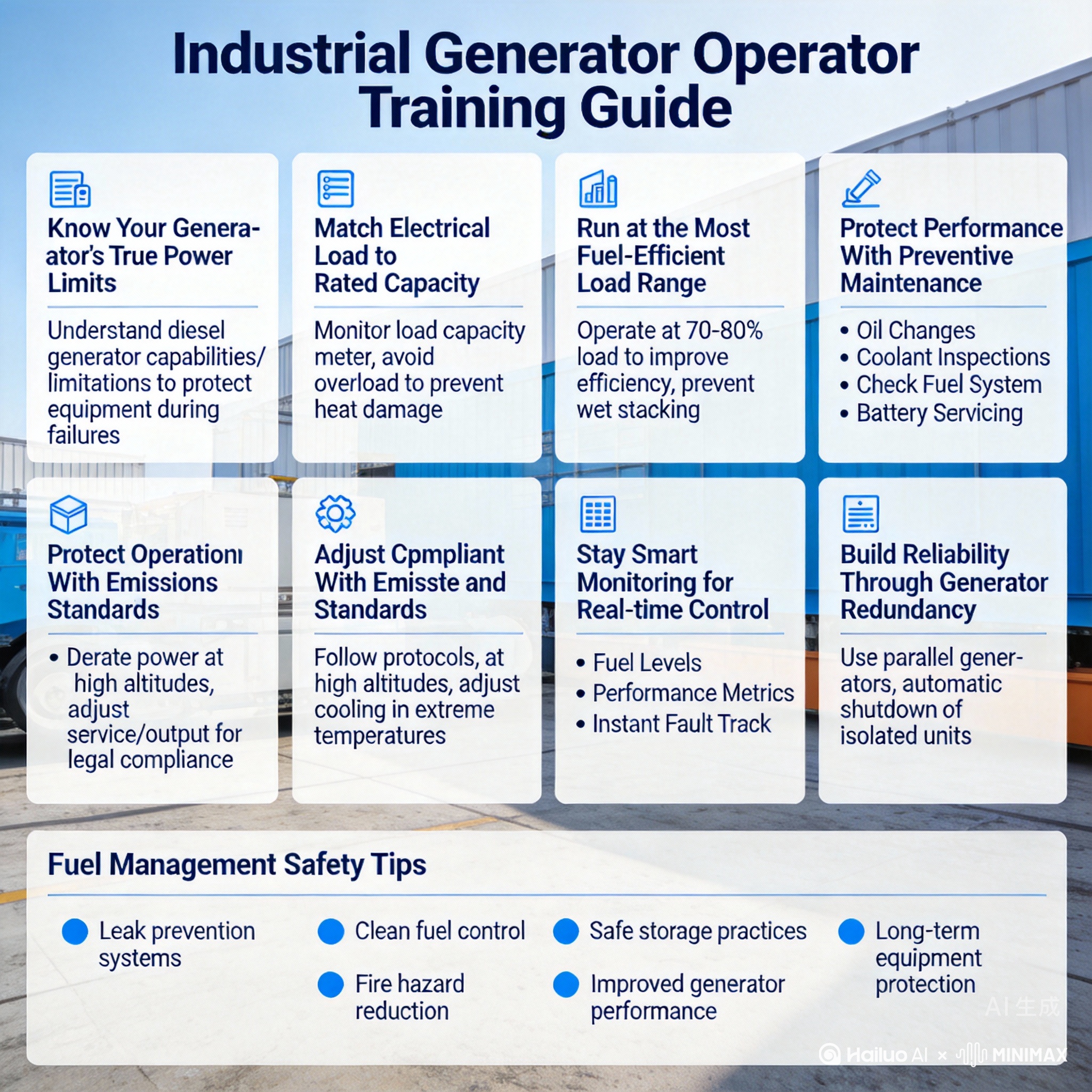
Applying too much load at a time in diesel generators can cause voltage and frequency instability. Therefore, you need to understand the correct method or way to slowly increase the load of diesel generators. This not only helps you reduce stress on engines but also enables you increase the equipment lifetime.
Through this guide, we will learn the steps or methods gradually increase the load of diesel generators.

Preparation Before Increasing Load
- Before you put any load, make sure the engine is working properly and not making any unusual sounds. Also, make sure the oil pressure and temperature are stable.
- Verify voltage, frequency, and current to ensure they are working perfectly without any issues. If they are not working smoothly, do not put an extra load.
- Verify all the meters and alarms are working as needed.
- Last but not least, make sure all breakers, relays, and safety devices are working properly without any disruptions.
Steps to Gradually Increase Generator Load
Step 1: Start With No Load
Do not put any load while starting the generator. Run it for at least 5 to 10 minutes; this helps the engine and alternator stabilize. Simply put, this time the engine warms up slowly and reaches the normal operating condition. Afterwards, the engine oil flows to different parts of the generator, reducing sudden stress to engines.
Step 2: Apply Initial Load Slowly
After running the generator without a load, the next step is to add a small amount of the load. It is important to add this load gradually so it won’t put unnecessary stress on engines. Meanwhile, do not forget to monitor the voltage and the frequency. They have to be stable and within normal values. Furthermore, make sure that the engine is running properly without producing any weird noises. However, if you try to add too much load at once, you will end up stressing the engine unnecessarily.
Step 3: Increase Load in Stages
After the load becomes stable, add more load, but keep in mind that the amount must be small. You can add load usually in steps of about 10 to 20 percent. Before adding more load, wait for a few minutes to adjust it. This will keep the diesel generator stable while increasing the load. However, keeping it stable reduces the stress on engines and other components.
Step 4: Monitor Operating Parameters
The operating parameters must be tracked down carefully when increasing the load. If you see any unusual change in the engine temperature, it must be reviewed carefully. If the voltage drops are more than 5% and the variations in the frequency are more than ±1 Hz, you should immediately stop the generator. However, observing these factors will help you avoid any kind of damage to the generator while ensuring it works smoothly.
Step 5: Reach Rated Load Gradually
To reach the rated load means to apply the full load, but it should not be applied suddenly. A little step at a time, meaning add only a small amount of load at a time and keep on increasing until the desired level is attained. While increasing the load, ensure that all parameters are stable and the load is properly balanced on all phases. After the generator attains the desired level, run it for 5 to 10 minutes to check whether it is handling the load properly or not.
Conclusion
Raising the load on a diesel generator gradually not only ensures that the process is secure but it is also smooth and reliable. Starting from a zero load and then increasing the load gradually in small amounts ensures that the voltage and frequency are steady. In addition, by closely monitoring the parameters and not running the equipment at full load at the same time, the stress on the engines is reduced, thereby increasing the life of the equipment. Following the above detailed steps guarantees efficient and safe operation during load increases.
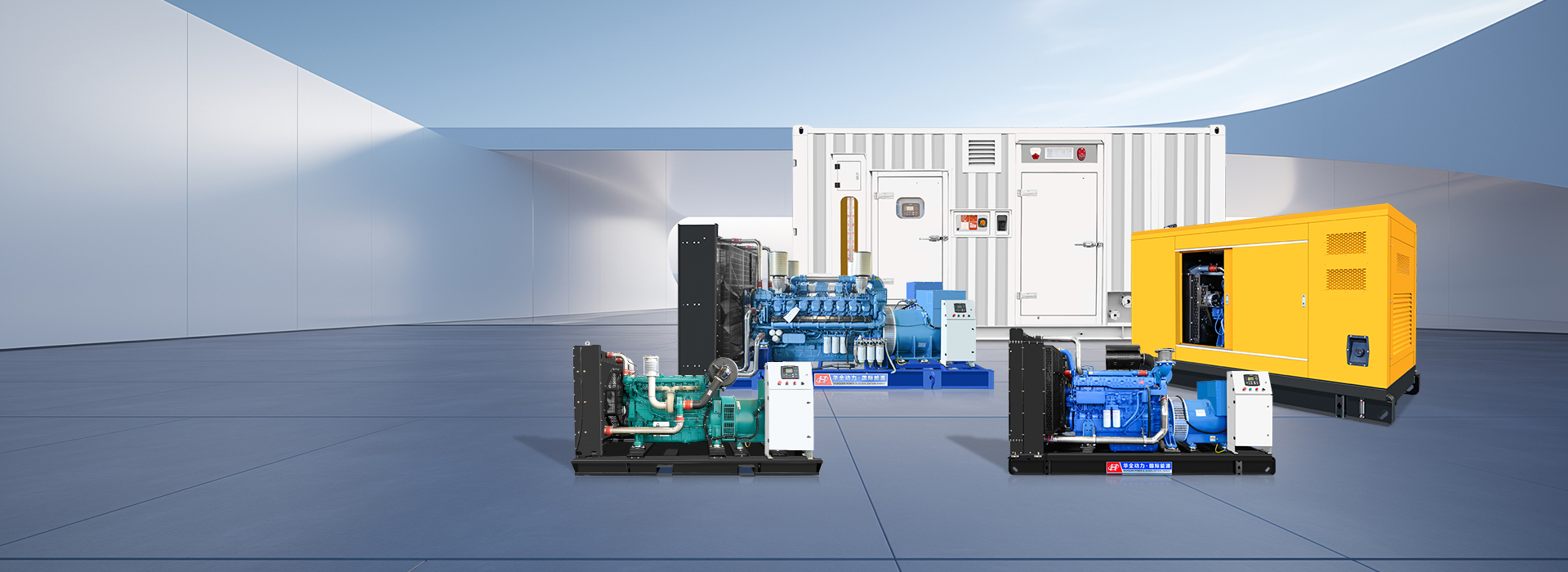
For those looking to get a reliable power solutions, HuaQuan Power offers high-quality generator systems that are especially designed for delivering stable performance and long service life.
FAQ
1. How much load should be added first?
Start with a small amount of load, usually 20 to 23%. This gives the generator time to adjust without stress.
2. When should I stop adding load?
Stop adding load if you see certain changes:
- voltage drops >5%
- Frequency changes beyond ±1 Hz
- The engine or alternator overheats
- Unusual noise or vibration comes
3. Can I apply a full load at once if the generator seems stable?
No. Do not put the load on full at once, as it may result in causing a voltage drop or stress the engine. The load should always be increased in small amounts.
4. How long should the generator run at each load step?
The generator should run for at least 3 to 5 minutes when applied different load. This ensures the temperature, pressure and frequency is stable.
5. Should the load be increased manually or automatically?
Both methods are acceptable but increasing it automatically is more preferable and ensure smooth operation.
6. Can gradual load increase prevent generator tripping?
Yes. Increasing the load gradually minimizes the frequency and voltage fluctuations to reduce tripping, so the power produced can be more stable.
7. Should the load be reduced gradually before shutdown?
Yes. This is because reducing the load slowly will give the generator time to cool down.