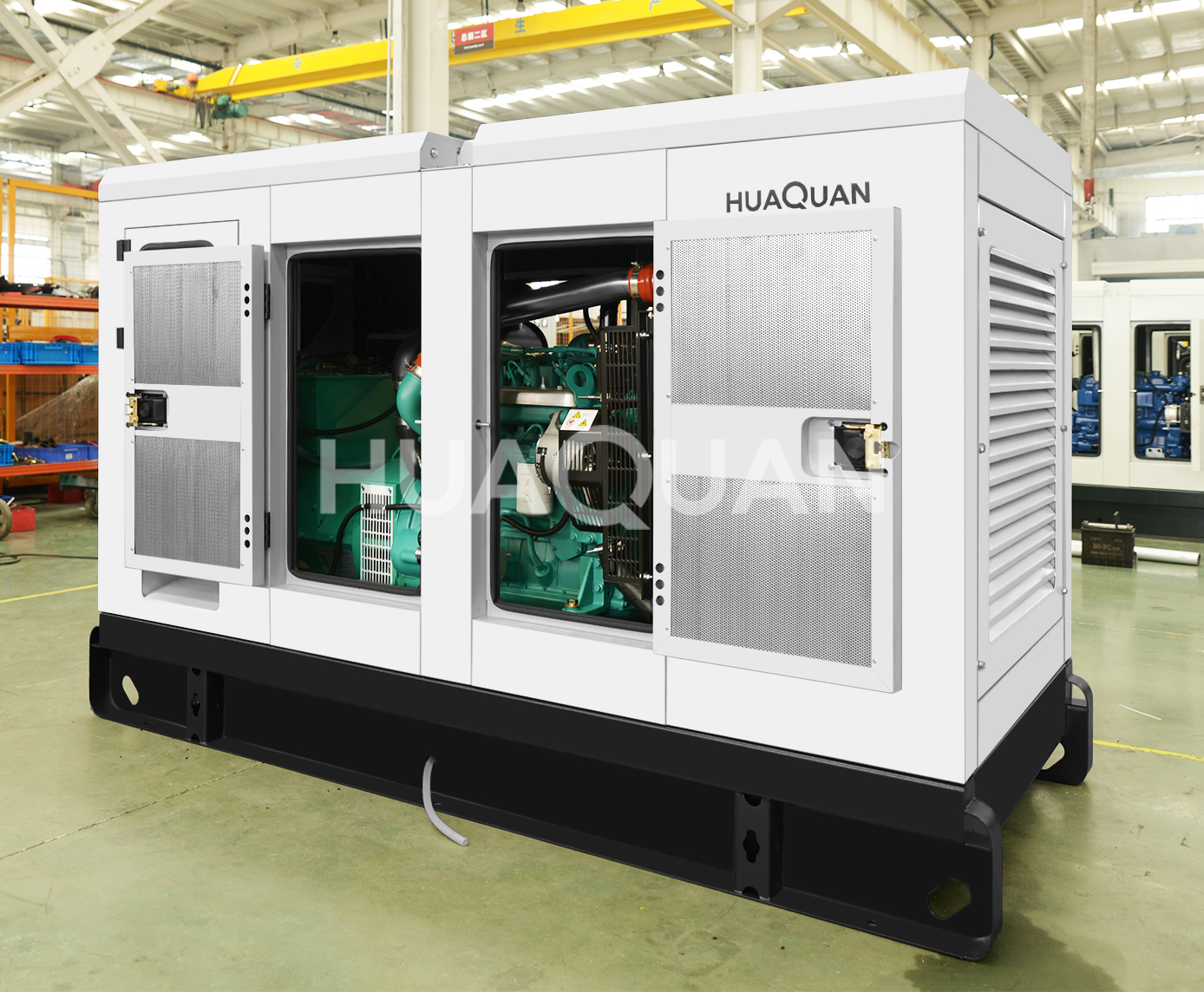
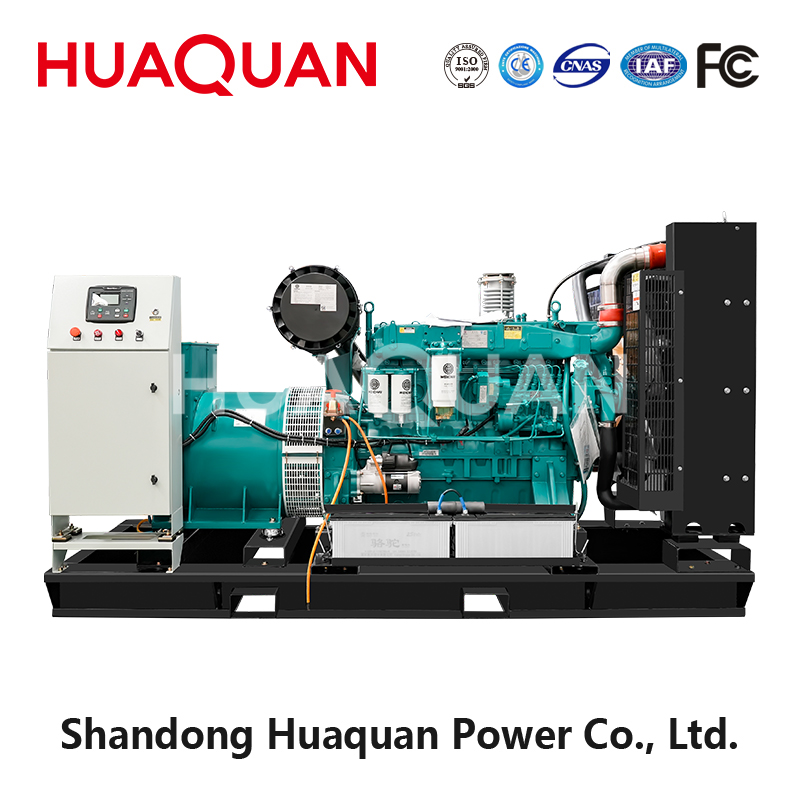
A functioning battery is essential for starting a Pembangkit Diesel, and testing the battery voltage with a digital multimeter is the fastest way to determine whether the battery is fully charged, partially discharged, or failing. A healthy 12V lead-acid battery should read between 12.6V and 12.8V when the engine is off and no load has been applied for at least 30 menit; a reading below 12.4V typically indicates that the diesel generator battery voltage is insufficient for reliable cold cranking.
What Tools Do You Need to Test Diesel Generator Battery Voltage?
Before beginning any diagnostic procedure, ensure you have the right instruments on hand. The primary tool is a digital multimeter set to DC voltage (DCV) range, with a resolution of at least 0.01V. Analog multimeters are less reliable for this task because the needle deflection can be difficult to interpret precisely. Selain itu, you will need safety gloves rated for electrical work, eye protection, and if the battery terminals are corroded, a wire brush and baking soda solution for cleaning.

Selecting the Right Multimeter
Untuk diesel generator battery voltage pengujian, a multimeter with a minimum input impedance of 10 MΩ is recommended. Lower-impedance meters can draw excessive current from the battery during measurement, artificially lowering the reading. Auto-ranging multimeters are preferable because they automatically select the correct range, reducing the risk of operator error.
Safety Precautions Before Testing
Always disconnect the negative terminal first when removing cables, and reconnect it last when reinstalling. This prevents accidental short circuits through your jewelry or tools. Never smoke or use open flames near a battery, as lead-acid batteries release hydrogen gas during charging, which is highly flammable.
How to Measure Open-Circuit Battery Voltage?
Open-circuit voltage (OCV) testing measures the battery voltage with no load applied, providing the most accurate assessment of the diesel generator battery voltage state of charge. To perform this test, first ensure the pembangkit diesel has been shut down for a minimum of 30 menit, allowing the surface charge to dissipate. This waiting period is critical because residual charging voltage can give a falsely high reading.
Step-by-Step Open-Circuit Test Procedure
Set the multimeter to DC voltage and select the 20V range. Touch the red probe to the positive terminal and the black probe to the negative terminal. Record the reading after the display stabilizes, typically within 5 detik. Compare the result against the state-of-charge table below to assess the battery condition.
State of Charge vs. Open-Circuit Voltage
| State of Charge | 12V Lead-Acid (V) | 24V Bank (V) | Condition |
|---|---|---|---|
| 100% | 12.70–12.80 | 25.40–25.60 | Fully charged, ideal for pembangkit diesel starting |
| 75% | 12.40–12.49 | 24.80–24.98 | Adequate, monitor and schedule charging |
| 50% | 12.20–12.29 | 24.40–24.58 | Recharge required before next use |
| 25% | 11.80–11.99 | 23.60–23.98 | Critical — generator may fail to start |
| 0% | <11.80 | <23.60 | Deeply discharged — may require replacement |
When testing a 24V battery bank (two 12V batteries in series), measure across the total bank terminals rather than each individual battery. The combined reading should be between 25.2V and 25.6V for a fully charged bank, which is the appropriate voltage level for most standby pembangkit diesel starting systems.
How to Perform a Load Test on Diesel Generator Battery?
While open-circuit voltage testing gives a good indication of state of charge, a load test reveals the battery’s ability to deliver high current under actual cranking conditions. This is the most relevant test for diesel generator battery voltage performance because starting a diesel engine requires short bursts of 200–500A depending on engine displacement.
Using a Load Tester
Apply a load equivalent to approximately half the battery’s cold cranking amp (CCA) rating for 15 detik. A healthy battery should maintain a voltage above 9.6V for a 12V system throughout the test. If the voltage drops below 9.6V, the battery is either worn out or insufficiently charged for reliable pembangkit diesel starting.
Voltage Drop During Cranking
If you prefer to test under actual starting conditions, crank the engine for 15 seconds and observe the lowest voltage reached. This is the voltage under load, and it should remain above 9.6V for a 12V system. Readings below 9V indicate excessive internal resistance, commonly caused by sulfation of the lead plates or electrolyte depletion.

What Do Different Voltage Readings Indicate?
Interpreting multimeter readings correctly is just as important as taking them. Different voltage ranges correspond to specific battery conditions, and understanding these thresholds helps you make informed maintenance decisions for your diesel generator battery voltage sistem.
Diagnosing Common Battery Problems
| Reading (12V System) | Interpretation | Recommended Action |
|---|---|---|
| 12.70–12.80V | Fully charged, healthy battery | No action needed, maintain regular inspection schedule |
| 12.40–12.69V | 75–99% charged, slight discharge normal | Recharge within 48 hours if generator is standby |
| 12.00–12.39V | 50–74% charged, reduced starting reliability | Connect battery charger immediately, check charging system |
| 11.80–11.99V | 25–49% charged, high failure risk | Do not start generator; recharge fully before next start |
| <11.80V | Deeply discharged or dead cell | Replace battery if voltage does not recover after 8h charge |
| 10.0–10.5V under load | Failed cell(S), battery near end of life | Immediate replacement required |
| 0.0V | Open circuit, broken connection or fuse blown | Inspect cables, terminal, and battery fuse |
How to Maintain Diesel Generator Battery for Reliable Starting?
Consistent maintenance extends battery life and ensures reliable diesel generator battery voltage availability when power is needed. Rata-rata, a well-maintained lead-acid battery in standby generator service lasts 3–5 years, whereas batteries in daily-use prime power applications may require replacement every 1–2 years.
Monthly Inspection Checklist
At least once per month, perform the following checks: inspect terminal corrosion and clean with baking soda solution if present; verify cable connections are tight with no visible fraying; measure open-circuit voltage and record results in a maintenance log; check electrolyte level in flooded batteries (top up with distilled water only, never tap water); and test the battery charger function by verifying charging voltage of 13.8–14.4V for a 12V system.
Preventive Maintenance Schedule
| Interval | Task | Tujuan |
|---|---|---|
| Mingguan | Visual inspection of terminals and cables | Prevent corrosion-induced starting failures |
| Bulanan | Open-circuit voltage test | Track battery health and state of charge |
| Setiap 3 bulan | Equalization charge (flooded batteries) | Prevent sulfation and balance cell capacities |
| Setiap 6 bulan | Load test with battery load tester | Confirm cranking performance under realistic load |
| Setiap tahun | Full battery replacement for standby units | Prevent unexpected failure during power outage |
What Common Mistakes Should You Avoid When Testing?
Even experienced technicians sometimes make errors that compromise the accuracy of diesel generator battery voltage measurements. The most common mistake is measuring voltage immediately after cranking or after the battery charger has been active. Dalam kedua kasus tersebut, the surface charge elevates the reading and masks the true state of charge. Always wait at least 30 minutes after any charging or cranking event before taking a measurement.
Other Measurement Errors to Avoid
Another frequent error is using the wrong multimeter range or polarity. Setting the meter to AC voltage instead of DC will produce meaningless readings. Reversing the probe polarity (red on negative, black on positive) gives a negative reading but does not damage the battery; simply swap the probes and remeasure. A third issue is failing to account for temperature: cold temperatures significantly reduce battery capacity, so a 12.4V reading that appears adequate at 25°C (77°F) may be insufficient at -10°C (14°F) untuk pembangkit diesel cranking in unheated outdoor installations.
Temperature Compensation for Battery Voltage
| Suhu Sekitar | Adjusted Minimum OCV (12V) | Catatan |
|---|---|---|
| 25°C / 77°F (reference) | 12.60V | Standard reference conditions |
| 10°C / 50°F | 12.52V | Minor capacity reduction begins |
| 0°C / 32°F | 12.42V | Significant capacity loss (~20%) |
| -10°C / 14°F | 12.30V | Cold cranking ability severely reduced |
| -20°C / -4°F | 12.18V | May not start large diesel engines |
Pertanyaan yang Sering Diajukan
What voltage should a diesel generator battery read when fully charged?
A fully charged 12V lead-acid battery that supplies a pembangkit diesel should read between 12.70V and 12.80V at open circuit. For a 24V battery bank, the corresponding reading is 25.40V to 25.60V. These readings should be taken after the battery has been at rest for at least 30 minutes to allow any surface charge to dissipate, ensuring the diesel generator battery voltage reading accurately reflects the true state of charge.
Can I test diesel generator battery voltage without shutting down the generator?
For open-circuit voltage testing, itu pembangkit diesel must be shut down and the battery should remain disconnected from the charging system for at least 30 menit. Namun, under-load voltage can be measured during cranking by having a second person monitor the multimeter while starting the engine. This dynamic test reveals how the battery performs under actual cranking demands and can identify weak batteries that pass open-circuit tests but fail under load, which is particularly important for standby diesel generator battery voltage keandalan.
How often should I test the battery voltage on a standby diesel generator?
Professionals recommend testing diesel generator battery voltage at a minimum of once per month for standby units that may sit unused for extended periods. Batteries in daily-use applications should be checked weekly. Selain itu, always perform a voltage test before and after any extended outage or planned exercise run, as these events are the most critical times for reliable generator starting. Maintaining a written log of all voltage measurements makes it easy to spot gradual degradation trends over time.
What causes low diesel generator battery voltage even after charging?
Persistent low diesel generator battery voltage after charging typically indicates one of three problems: sulfation, where lead sulfate crystals build up on the battery plates and reduce capacity; a faulty voltage regulator in the charging system that prevents proper float charge; or a parasitic drain from control circuits that slowly discharges the battery between operational cycles. Load testing the battery and measuring the charging voltage at the battery terminals while the generator is running will help isolate the root cause before investing in a replacement battery.
Should I use a trickle charger or automatic charger for Baterai generator diesel?
An automatic smart charger is strongly preferred over a traditional trickle charger for diesel generator battery voltage pemeliharaan. Smart chargers continuously monitor battery condition and adjust charging current accordingly, preventing both overcharging (which causes electrolyte loss and grid corrosion) and undercharging (which allows sulfation). Many modern pembangkit diesel installations include an integrated battery charger that maintains the battery at optimal float voltage of 13.8V to 14.4V, ensuring the generator is always ready to start when needed.
Regular voltage testing with a quality digital multimeter is the single most cost-effective maintenance action you can perform for a pembangkit diesel starting system. By following the procedures described above and maintaining a consistent inspection schedule, you can ensure reliable engine starting and avoid the consequences of unexpected power failure due to battery-related issues.
For more detailed information on pemeliharaan genset diesel and battery care, explore our comprehensive technical library. If your battery consistently reads below 12.0V after charging, it is advisable to consult a qualified generator technician for further diagnosis and potential replacement.