In today’s world, industries cannot afford unexpected power failures. Whether these electricity shutdowns are due to extreme weather, grid instability, or infrastructure redevelopment, they bring the owners massive financial losses, production mess, and ruined materials. Thus, choosing the right industrial generator helps you align the production unit, improve workers’ safety, and protect your expensive machinery from sudden power dropouts.
This buyer’s guide helps business owners, plant operators, and facility managers looking for commercial backup power. From calculating starting loads to choosing the best available fuel type for your industry, we help you walk through the necessary steps to find the ultimate industrial generator for your business.
What Is an Industrial Generator?
An industrial generator is a gigantic power generation machine that produces high volumes of electricity for factories, huge infrastructure, and commercial facilities. Unlike temporary residential generators designed for light loads, a commercial generator has large components, huge alternators, and highly advanced cooling systems.
These generators can run continuously under maximum stress. A factory owner or business supervisor can directly integrate these generators into their building’s electrical grid, providing three-phase power reliability during extreme voltage dips.

Typical industries using an industrial power generator include:
- Manufacturing plants and factories
- Hospitals and healthcare facilities
- Data centers and telecom hubs
- Agriculture and large-scale farming
- Construction and mining sites
Why Choosing the Right Industrial Generator Matters
Remember, when buying an industrial generator, do not think of it as a random power producing machine. The unit you choose directly impacts your business profits and survival during a crisis.
- Production Downtime Costs: In the manufacturing industry, every minute counts. If there is no electricity, you are losing thousands of dollars every single second. A perfectly sized generator keeps everything moving in time.
- Equipment Damage: Random power outages damage heavy machinery, CNC routers, and server racks, leading to expensive hardware failures.
- Safety Risks: Without electricity, ventilation systems in chemical plants fail. Electronic safety locks do not work properly; emergency lights drop, putting all your labor in danger.
- Regulatory Compliance: Hospitals, industrial sectors, and data centers need to access backup power systems 24/7. The generators easily manage the load within seconds of any sudden grid failure in such facilities.
Step 1 — Calculate Your Power Requirements
This is the most important step. If you randomly guess your power requirements, buying an undersized or oversized generator either fails or wastes 1000 liters of fuel for an unneeded capacity.
Determine Total Load (kW/kVA)
Make sure to calculate the total voltage necessary to run your facility smoothly. Experts have categorized the total load into two different categories.
- Running Load (Continuous): The maximum amount of power necessary to keep all your equipment running at once is known as the continuous running load. It covers lighting, HVAC, and servers.
- Starting Load (Surge): For heavy industrial motors like air compressors or large conveyor belts, the power spikes immediately when the machine starts. It is about 3 to 6 times higher than their overall running voltage. The generator must be large enough to handle this initial spike surge, or your system will overload and crash.
Essential vs Non-Essential Equipment
Whenever we invest in expensive equipment, our #1 priority is maximum efficiency. And next comes how to save money. Ask a professional to audit your facility to calculate how much power you need during a sudden electricity outage.
Servers, life safety, and refrigeration equipment must always have a backup circuit. For decorative lighting, secondary manufacturing lines, or break room appliances, you can drop off the wires during a power outage. It helps you calculate the perfect generator size you must purchase.
Future Expansion Planning
Do not buy a generator that matches your load quantity. What if you want to add a new machine to your factory? Ultimately, the generator will fail. Always add a 20% to 25% buffer factor in your generator to compensate for future expansion projects.
Example Calculation:
- Total Running Load: 150 kW
- Highest Motor Starting Surge: + 50 kW
- Subtotal: 200 kW
- Future Expansion Buffer (20%): + 40 kW
- Recommended Generator Size: 240 kW (or standard 250 kW unit)
Step 2 — Choose the Right Fuel Type
The fuel you are using defines how effectively and efficiently your generator operates during never-ending blackouts. The cost of fuel to run and overall generator maintenance depends solely on this factor.
Diesel Industrial Generators
Diesel is known as the traditional king of industrial power. Credit goes to the high energy density and maximum energy durability, which it provides.
- Pros: It is highly reliable and efficient. Generators that prefer diesel easily work under heavy loads, adding extra years to engine lifespan. You can quickly start these generators as there is no need to rely on municipal utility lines.
- Cons: Industrial generators going for diesel fuel have a high noise level. The owners must stick to strict standards for emissions regulation. You must add polishing or stabilizer components to store fuel for a long time.
Natural Gas Generators
Natural gas generators directly plumb the lines and connect them with the city’s municipal gas lines.
- Pros: Owners access the indefinite runtime without worrying about fuel deliveries. It burns cleaner than diesel. These generators operate quietly and are easier to comply with emission compliance regulation standards.
- Cons: You must rely on your city’s gas infrastructure, which can crash during earthquakes or in massive freezing temperatures. Natural gas industrial generators are slightly less fuel efficient in comparison to diesel ones.
Dual-Fuel Generators
To enjoy efficient engine durability without thinking about fuel delivery, engineers have introduced dual fuel generators. These generators initially start on diesel fuel and transition to a mixture of natural gas or switch between liquid propane and natural gas according to the requirements.
- Pros: They’re incredibly fuel flexible during supply chain fuel shortages.
- Cons: These generators are highly complex mechanical systems and expensive to install.
Fuel Type Comparison
| Feature | Diesel | Natural Gas | Dual-Fuel |
| Efficiency | Highest | Moderate | High |
| Fuel Storage | On-site tanks | Municipal line | Both |
| Emissions | High | Low | Moderate |
| Best For | Heavy industrial / Off-grid | Urban commercial / Hospitals | Mission-critical redundancy |
Step 3 — Decide Between Standby, Prime, or Continuous Power
Manufacturers analyze and rate industrial generators based on how long they can run under load.
- Standby Generator: These generators are designed to run only under emergency grid failures. They produce a massive amount of power for short intervals.
- Prime Generator: As the name implies, they are the primary source of power for different facilities like remote mining sites where there is no grid access. You can run these generators at variable loads 24/7.
- Continuous Generator: Continuous generators offer a smooth, consistent 100% load running 24/7, round the year. These generators are installed in base load power plants or for massive agricultural production.
Step 4 — Choose the Correct Size & Capacity
Sizing the generator is not a cup of tea for any layman. While deciding the right generator size for your facility, make sure to avoid these two major points:
- Undersizing Problems: If you accidentally undersize the generator while starting heavy motors, it will struggle. The engine overheats, and the voltage drops, which can fry your circuit boards. Resultantly, it will shut down over time when you need it the most.
- Oversizing Inefficiency: What if you have bought an oversized generator? Buying one MW generator for a 200kW load is a foolish decision. Also, when you run diesel generators under 30% of their capacity, the generators complain of wet stacking. The unburned fuel settles in the form of soot that destroys the engine.
Common Industrial Generator Sizes:
- 50 kW – 100 kW: Small manufacturing, large retail, server rooms.
- 250 kW – 500 kW: Medium factories, grocery store chains, hospitals.
- 1 MW+ (Megawatt): Heavy industrial plants, huge data centers, municipal water treatment facilities.
Step 5 — Consider Environment & Installation Conditions
When you decide to install your generator, it is as important as how much electricity it produces to light your entire facility.
- Indoor vs Outdoor: For outdoor units, place the generator inside a water resistant enclosure. If you are planning to install an indoor generator, customize the exhaust plumbing and massive air intake louvers to avoid overheating.
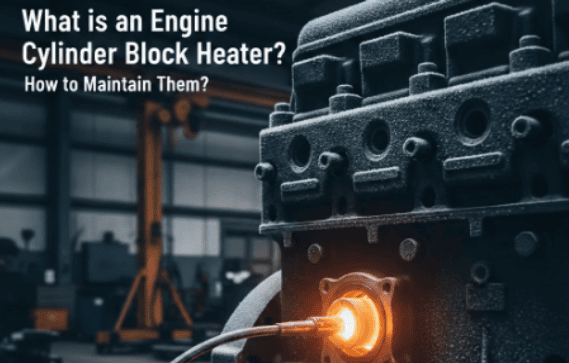
- Weather Protection: In coastal areas, manufacturers recommend installing generators inside marine grade aluminum enclosures. It helps avoid unnecessary salt air rusting on this expensive machinery. In a cold climate, the engine block heaters are mandatory, so you can easily start the backup power plant in freezing temperatures.
- Noise Regulations: Generators are extremely noisy. If your factory is near any residential zone, look for custom acoustic enclosures or hospital grade silencers to meet the local dB noise laws.
- Altitude & Temperature: Any change in temperature or altitude directly impacts the generators’ efficiency. At high altitudes or in extreme heat with thin air, the engine’s efficiency to combust fuel on time degrades. Upsize your generators to compensate for the power loss under these environmental conditions.
Step 6 — Reliability, Maintenance & Lifespan
Keep in mind, the generators are only reliable as long as you focus on their maintenance plan.
- Maintenance Schedule: Routinely run a load bank test to burn off deposits in diesel engines. Regularly change the air filters, add stabilizers in the fuel, and manage the coolant system.
- Spare Parts Availability: Always buy fuel from legit manufacturers that have local distribution networks. This way, you do not need to wait weeks for a proprietary replacement part.
- Service Support: Hire certified technicians who are always at your service 24/7 during any emergency.
Industrial Generator Cost Factors
When you are budgeting your industrial generator, the point is not just about the initial costs. Make sure to look beyond the sticker price.
- Generator Price: The initial costs include the engine price, alternator, and enclosure.
- Installation: For installation, installing Automatic Transfer Switches (ATS), local government permits, heavy gauge copper wires, and concrete paddings are as expensive as the cost of the generator itself.
- Fuel: The overall budget of filling a 1000-gallon diesel tank or paying for municipal gas prices.
- Maintenance: For annual maintenance, the service contracts, fluid replacements, and load bank testing fees.
Best Industrial Generator Brands
Always prefer reputable manufacturers for better warranties, easy availability of generator parts, and superior quality machine engineering.
- Caterpillar (CAT): CAT is the global standard for heavy duty rugged diesel generators.
- Cummins: Another renowned brand for efficient engines and advanced quality digital control systems is Cummins.
- Kohler: Kohler manufactures strong diesel units and gigantic natural gas commercial generators.
- MTU (Rolls-Royce Power Systems): MTU is among the best systems people choose for data centers and healthcare sectors.
Common Mistakes to Avoid
- Choosing the Wrong Size: Do not randomly guess the power wattage. Always hire an electrical engineer who effectively performs a professional load bank test.
- Ignoring Starting Load: Never calculate the running watts only. Ignoring the sudden power surge crushes the factory motors over time.
- Not Planning Maintenance: When people treat their generators like a set-and-forget machine, the generators end up with dead batteries or stale fuel during emergency power outages.
- Buying Cheap: Purchasing low quality, off brand imported generators without any local service network to save money is a big blunder that brings you unfixable system breakdowns later.

FAQs
What industrial generator size is the perfect option for me?
Always go for a generator that can handle the total running voltage of your necessary equipment. Also, calculate the highest starting power surge wattage for your heavy motors period now, and add a 20% buffer for future trade expansions. A professional can always help you determine the exact kW rating.
Which generator is best: diesel vs gas generator?
Diesel is a great option for heavy industrial, continuous loads, and off grid reliability. It is highly efficient and durable. In comparison, natural gas is a good choice for urban commercial settings where you can easily access the municipal lines for continuous fuel supply and comply with strict noise regulation standards.
How long can I run the industrial generator continuously?
A continuous industrial diesel generator can run for weeks or even months. It simply shuts down for scheduled oil and filter changes.
Final Verdict: Choosing the Right Industrial Generator
Be smart while choosing the right industrial generator to protect your facility from costly repairs and equipment damage in the long run. Calculate your power load efficiently. Choose the right fuel type for profitable, continuous production during sudden grid failures. Do not leave your commercial backup power to random guesses. Partner with the right market experts.
Need Help Sizing Your System? Contact Huaquan
When you can never afford to lose power, trust HuaQuan. Being the global manufacturer of premium diesel and natural gas generators, we offer professional, custom solutions ranging from 50kW to multi MW power systems. Our engineering teams perform precise load bank tests to build the perfect, professional generator for your next factory. Contact the HuaQuan team today for a free quote.