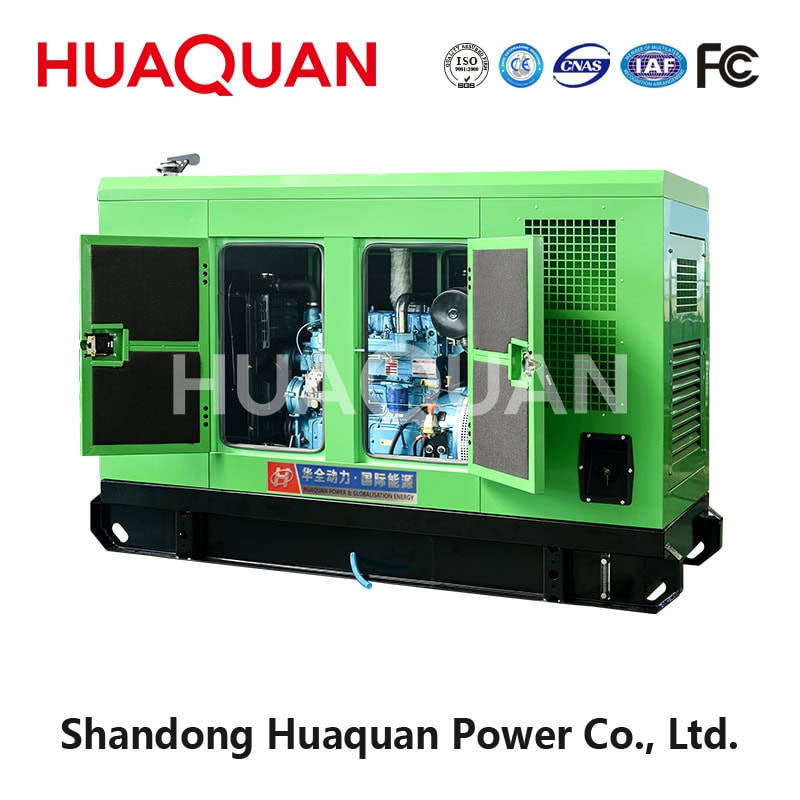
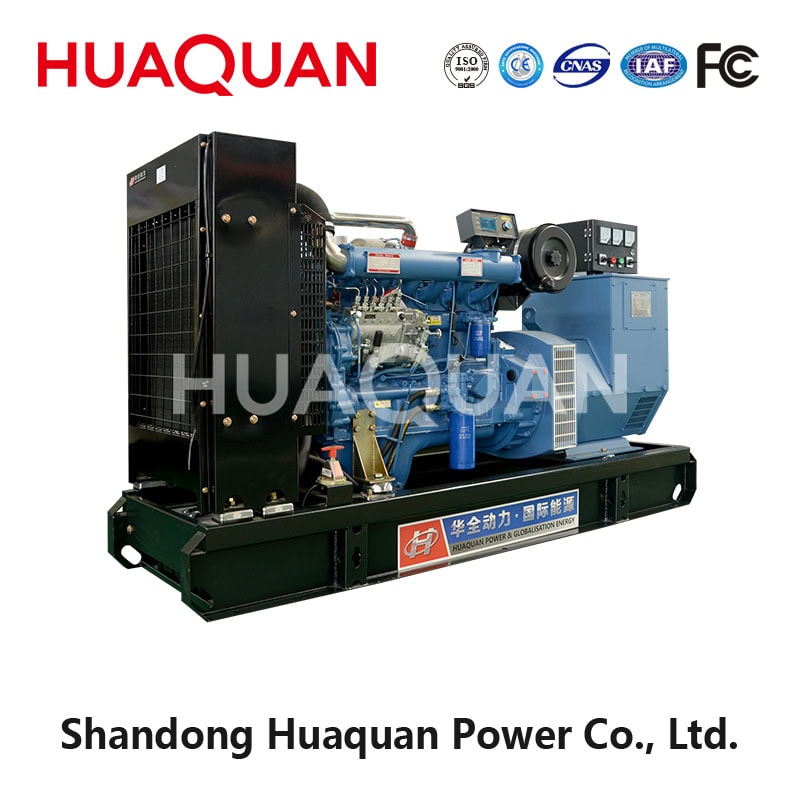
A stable generator voltage is required to protect equipment while ensuring the smooth workflow throughout the entire process. Adjusting the voltage through the AVR helps you maintain the correct output. This helps in avoiding any type of damage in between. In this article, you will learn how to adjust generator voltage through the AVR safely and correctly.
What is AVR in Generator?
You must be wondering what AVR actually does in a generator. Let me break this down in the simplest words possible. An AVR is capable of controlling the generator’s voltage on its own. It changes the current as needed to keep the voltage the same as before when the load changes. You will find an AVR in most modern generators because it helps protect sensitive electrical devices from voltage changes.

When You Should Adjust Generator Voltage
You should adjust the voltage when the generator produces output that is too low or too high. However, after AVR replacement and generator servicing, you may need to adjust it again. Some common signs may include flickering lights or unstable readings. Wrong voltage can damage appliances and generator parts.
Safety Precautions Before Voltage Adjustment
Generators produce dangerous electrical energy. Therefore, you must follow safety rules before touching the AVR. Always take the following precautions before touching them:
- Wear insulated gloves and safety shoes to protect yourself
- Keep your tools dry and insulated at all times
- Avoid loose clothing and any type of jewelry
- Make sure the generator is properly grounded
You can easily reduce any type of injury risk just by following these simple steps.

How To Adjust Generator Voltage Through AVR: Complete Steps
You need to follow the steps we have mentioned below to accurately adjust the voltage. If you rush the process, you can end up with incorrect voltage output.
Step 1: Start The Generator
The step you undertake when adjusting the voltage of the generators using the AVR includes starting the generator and allowing it to warm up before measuring the readings of the generated voltage. This ensures the readings of the generated voltage are accurate, as the generator operates at a constant temperature. Additionally, when you start the generator, it must not operate with a load in order to reduce the chances of the generated voltage.
Step 2: Measure Output Voltage
Afterwards, you should connect your multimeter and check the voltage between the phases and the neutral point. Then, you can compare these readings with the rated voltage for your generator (which is usually 230 V, 220 V, or 120 V).
Step 3: Identify The Voltage Adjustment Screw
The 3rd step is where you find the voltage adjustment potentiometer. They are often labeled as ‘VOLT’ or ‘ADJ.’ Here, try to avoid any contact with other components of the AVR, as not adjusting it properly may cause damage to the device.
Step 4: Adjust Voltage Gradually
Then, carefully turn the screw using an insulated screwdriver. Turning it to the right will raise the voltage, and turning it to the left will reduce it. However, remember that you do not turn it by much at one time, but rather each time.
Step 5: Recheck Voltage Output
After you have implemented some adjustments, it becomes important to note the readings of the voltage measurements. You have to pay attention to the stability of the voltage instead of focusing on speed. When the voltage meets 100% of the rated value, you can stop making adjustments.
Common AVR Voltage Adjustment Mistakes
When adjusting the AVR, many individuals make these common mistakes. Making these mistakes can lead to causing the generator voltage to become unstable and can bring performance issues as well. The most common mistakes include:
- Turning the adjustment screw too fast
- Skipping the generator warm-up time
- Ignoring voltage testing under load
- Using inaccurate or faulty meters
Make slow adjustments one at a time to avoid repeated problems.
Tools You Need For AVR Voltage Adjustment
Preparing everything before starting the generator helps you avoid any errors during the process. Below, we have mentioned some tools that you may require when adjusting the voltage accurately:
- You will require a digital multimeter to test voltage readings
- Use an insulated screwdriver to safely adjust the voltage
- Keep the generator manual for the correct settings
- Use protective safety gear to avoid any injury while adjusting
Maintenance Tips For Long-Term Voltage Stability
To get the best performance, regular care of your generator is crucial. However, to get the best results while keeping your generator healthy, follow the given steps:
- Regularly clean control panels.
- Frequently check all the connections to keep them secure.
- Do not run the generator at full load all the time.
- After a while, test the voltage to make sure the voltage stays constant.

Conclusion
By controlling the voltage with the AVR, you not only ensure that your generator is functioning properly but also safely. Making use of the proper tools and following all the above steps will enable you to achieve a constant voltage. With over 15 years of experience, Huaquan Power provides reliable generator sets with global power solutions supporting safe and efficient generator operation.
Maintenance Tips For Long-Term Voltage Stability
You maintain the generator regularly for best results.
AVR performance depends on overall Diesel generator sethealth.
Follow these maintenance practices:
- Clean control panels regularly
- Inspect wiring connections
- Avoid continuous overloading
- Schedule periodic voltage checks
Preventive care extends Diesel generator set lifespan.