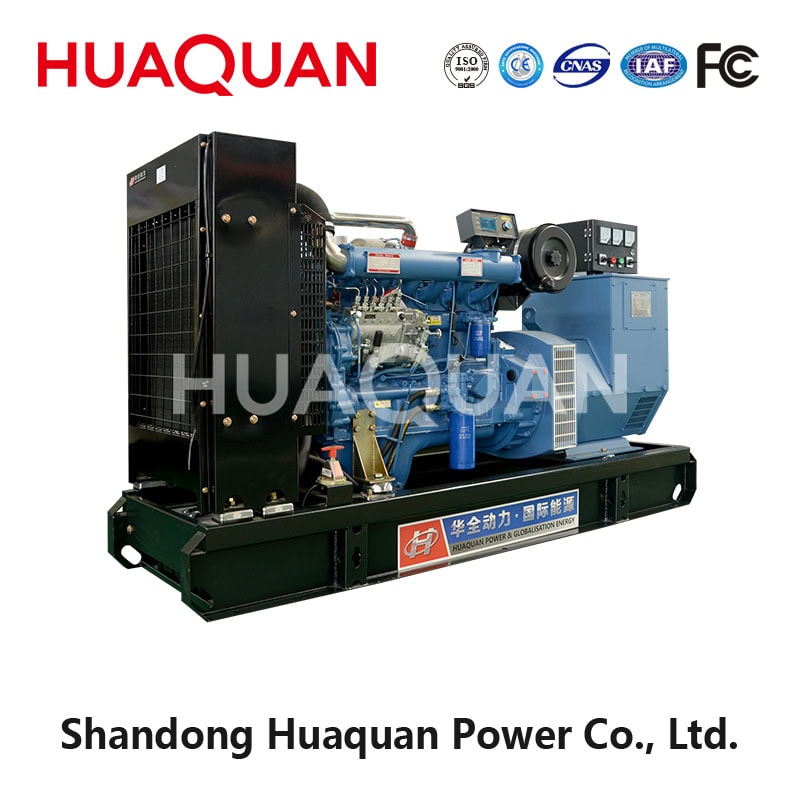
Have you ever wondered how a diesel engine operates? It is fundamentally different from a petrol engine because it doesn’t produce sparks. However, the purpose is to generate mechanical power.
Diesel engines start differently from various engine types. Today, we will elaborate on diesel engines and discuss the multiple steps involved in their operation.
Understanding the Basic Principle of Diesel Engine Operations
Before you sketch out the diesel engine start, it is better to understand exactly how it works. Unlike petrol engines, diesel engines don’t use a spark to ignite the fuel.
Instead, air is compressed to such high temperatures and pressures that the ignition is automatically initiated when you inject fuel into the engine.
For air compression, operators have to mechanically rotate the diesel engine for the following purposes.
- Draw air into the cylinders
- Compress that air
- Allow fuel injection at the correct timing
Step-by-Step Guide to Start a Diesel Engine
If you want to start a diesel engine, you should follow the necessary steps and understand how exactly it ignites the fuel.
Step 1: Power Supply Activation
Turning on the engine is the very first step. There are often switches that must be pressed to turn them on.
What happens in this process includes:
- Batteries release the power to the engine.
- It also starts advanced systems and monitoring sensors such as coolant temperature, oil pressure, and crank position.
Supply power activation helps streamline the whole ignition process with the batteries and power system.
Step 2: Glow Plug Intake
If you live in cold areas with frequent snowfall, the engine can get chilly. Air compression at the right temperature and pressure is impossible. Therefore, you can’t ignite the fuel directly. Instead, you must have the following two tools.
- Glow plugs are small heating elements inside each cylinder.
- Intake air heaters are grid heaters in the intake manifold for the engine start.
Do you want to know what exactly both of these tools do? Here are the magical tasks of both tools.
- Heat the air inside the combustion chamber to the desired temperature.
- They can improve fuel ignition during cold starts and provide an excellent engine start.
- Another reason to use it is to reduce white smoke and misfires.
The glow plug has an indicator that signals successful temperature and air compression. Once it turns off, it means your engine is ready to crank.
Step 3: Starter motor engages flywheel
Once the start command is confirmed and the engine is ready to start, there is another crucial step. It is the start of motor engagement with the flywheel.
The starter motor does the following:
- It draws a high current from the battery.
- Rotates the flywheel.
- Turn the crankshaft.
Most engines use a four-stroke system for operation. It includes Intake, Compression, Power, and Exhaust.
Step 4: Air intake and compression
Air intake occurs during crankshaft rotation. Intake valves open, and air enters the cylinder.
The upward movement of the piston causes the piston to reach very high temperatures of 500 to 700 degrees Celsius.
Step 5: Fuel Injection
Fuel injection should always be on time to ensure the engine starts properly. When the piston is at the top of the stroke, the following steps occur.
- The fuel injector sprays finely atomized diesel fuel into the hot compressed air.
- Injection timing is precisely controlled. You can either control it mechanically or electronically.
Remember, the fuel injection is a necessary step and should be done carefully.
Step 6: Engine begins self-sustained operations
The engine has to maintain self-sustaining operations throughout the process. Once combustion occurs, here are a few things that will happen.
- The explosion pushes the piston downward.
- Mechanical energy is transferred to the crankshaft.
- The engine starts producing its own power.
The engine speed should exceed the starter motor speed. Once it happens, it automatically disengages and runs on its own. That is precisely how a diesel engine starts.
Independent Factors that Influence the Start of the Engine
Various factors slow down the engine start. You must optimize them to ensure successful system ignition.
Here is the list of those factors.
Ambient Temperature
The diesel engine needs a sufficiently high temperature to operate successfully. If the temperature is low, it may fail to start. It is because of the following reasons.
- Cold air lowers cylinder temperature during compression. Therefore, engine ignition fails to achieve a fair temperature of 500-700°C.
- Diesel fuel thickens at low temperatures, making it impossible to flow through pipes and ignite.
- White smoke and hard starting are common in winter due to low temperature conditions.
Battery Conditions
The battery’s purpose is to power the engine and start it. In other words, you can’t run an engine system without quality batteries.
What if you have a low-quality battery setup? Here is what happens.
- Weak batteries fail to deliver power, resulting in slow or failed cranking.
- Corroded battery terminals reduce current flow and ultimately prevent the engine from starting.
- Low voltage reduces starter motor efficiency and performance.
Fuel Quality
High fuel quality causes a positive impact on your engine and boosts its performance. What if the fuel supply and quality are not up to mark?
Here is what happens in all such cases.
- Water contamination causes misfiring most of the time.
- Air locks block fuel delivery. The engine fails due to insufficient fuel.
- Clogged fuel filters restrict fuel flow. In such cases, fuel can’t ignite, and the engine can’t start.
Engine Compression and Mechanical Wear
The engine fails to start because its components are worn out. Therefore, high-quality engines with high-performance parts actively operate in the system.
Here is how mechanical wear impacts the engine.
- Worn piston rings reduce cylinder pressure
- Leaking valves affect air compression
- Cylinder wear lowers ignition temperature
Conclusion
A diesel engine starts through a careful process of mechanical rotation, compressed air, and controlled ignition systems. High-temperature, high-pressure compression is a necessary condition for diesel engines. However, from small agricultural engines to massive industrial generators, all engines work on the same principle.
Do you want high-end diesel engines to generate high performance and improve system efficiency? Huaquan Power has more than a decade of experience and builds some of the high-efficiency engines. You’ll get high-quality diesel engine systems. Choose them right away!