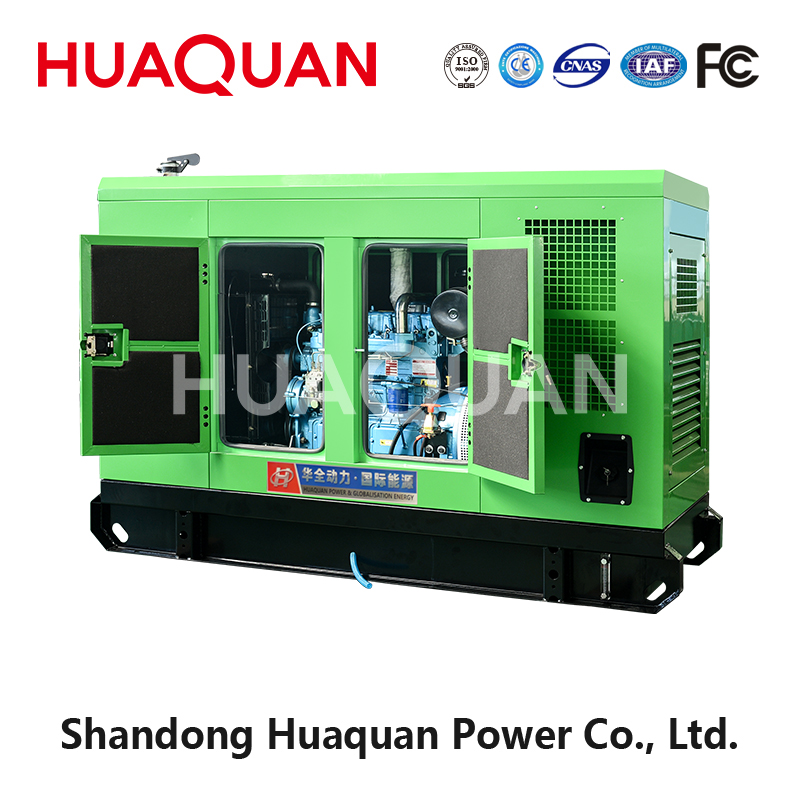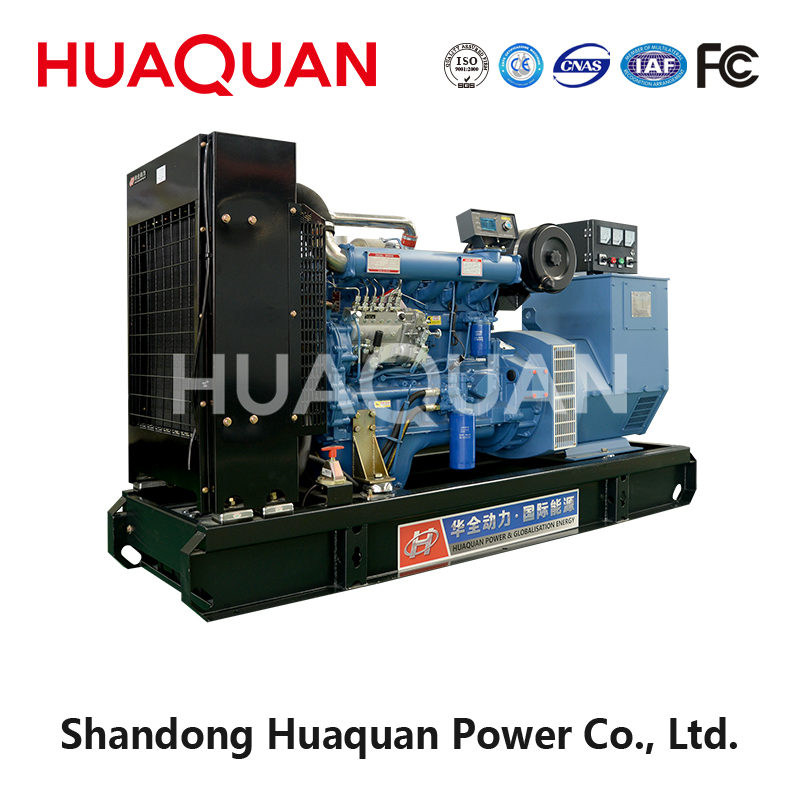
If you want to use a diesel generator or a gasoline generator for your next project, you should consider a few things, such as the cost, maintenance, efficiency, and durability. By knowing the differences, you can select a generator that suits your operational requirements and future expectations.
Why Generator Fuel Type Matters
The fuel type used by a generator will directly affect the performance, longevity, and cost of the generator. Diesel and gasoline generators are built according to their usage.
To determine which one is better, you have to first review parameters like runtime, load requirement, maintenance effort, and expectations of reliability. This is because there isn’t a best option that suits every situation.
Basic Difference Between Gasoline and Diesel Generators
Gasoline generators utilize spark ignition for combustion. Diesel generators typically rely on compression ignition alone and don’t need spark plugs.
This fundamental difference affects efficiency, durability, and operating behaviour. The diesel engine is generally built heavier, whereas the gasoline engine is lighter and simpler.
Fuel Efficiency Comparison
Diesel generators are mostly preferred for heavy-duty use because of their fuel efficiency. Diesel fuel is superior to gasoline in terms of energy. Thus, diesel generators generally offer greater energy output for each liter of fuel.
Gasoline generators, on the other hand, generally use fuel at a faster rate, particularly with continuous use or under heavy load. Diesel generators are generally cheaper to run. So, if the run time and cost of the fuel matter a lot to you, go for diesel generators.
Operating Cost Considerations
The cost of operation combines service intervals, fuel consumption, and maintenance. Gasoline generators have a lower purchase price and are therefore suitable for occasional or small use.
Diesel generators are generally more expensive on the front end; however, they frequently provide a lower fuel cost per hour and longer service life. If you use diesel generators often, they may become cheaper over time.
Durability and Longevity
Diesel generators are designed for durability. The engines are made for high compression and operability for long hours. These are, for example, suitable for industrial and commercial applications.
Conversely, gasoline generators are typically built for lighter work. They do best with short-term use or occasional use, but they tend to wear out more quickly with continuous use. Thus, you can go for diesel generators if durability is an important factor.
Maintenance Requirements
Gasoline and diesel generators have different maintenance needs. Oftentimes, you will need to change the spark plug and also provide some maintenance for gasoline generators.
However, the absence of spark plugs in diesel generators reduces maintenance slightly. Keep in mind that you still have to maintain the fuel system and change oil regularly for diesel engines. So, as you can see, while maintenance systems are different, diesel generators usually require major servicing less frequently.
Startup and Cold Weather Performance
Normally, gasoline generators will start when it is cold. This makes them appropriate for areas where temperatures are low or for occasional use during emergencies.
Diesel generators need extra help with cold starts at extremely low temperatures. You can use glow plugs or fuel heating systems to resolve this issue. But once it starts operating, diesel generators supply stable energy.
Noise and Vibration Levels
Gasoline generators are typically quieter, especially the smaller types. Compared to engines of similar displacement, theirs operate in a higher speed range, resulting in reduced mechanical vibration.
Diesel generators are usually louder and heavier due to engine designs and combustion. Modern enclosures and soundproofing measures can greatly lower noise levels in diesel systems.
Power Output and Load Handling
Diesel generators perform better with continuous operation and high loads and continuous operation. They will be able to handle heavy machinery, industrial equipment, and motors more efficiently.
Gasoline generators are usually used for small loads like home devices, tools, and for temporary applications. Most users typically prefer diesel generators as they prove better at managing heavy-load equipment.
Safety and Fuel Storage
It’s important to ensure proper fuel safety and storage since gasoline can lead to a fire.
However, diesel fuel is less likely to catch fire when you store or fill it, as it’s not so volatile. If you’re very worried , go for diesel generators as they are relatively safer.
Environmental Considerations
Gasoline and diesel generators both produce emissions. While diesel generators emit more nitrogen oxides and particulates, gasoline generators emit more carbon monoxide.
Depending on environmental regulations, the type of generator you can use and how often you can run it may be affected. Local emission regulations matter when you’re choosing a generator.
Comparison Based On Applications
Gasoline generators are often utilized for:
- Home power backup.
- Temporary construction tools.
- Outdoor activity.
- Low-capacity use.
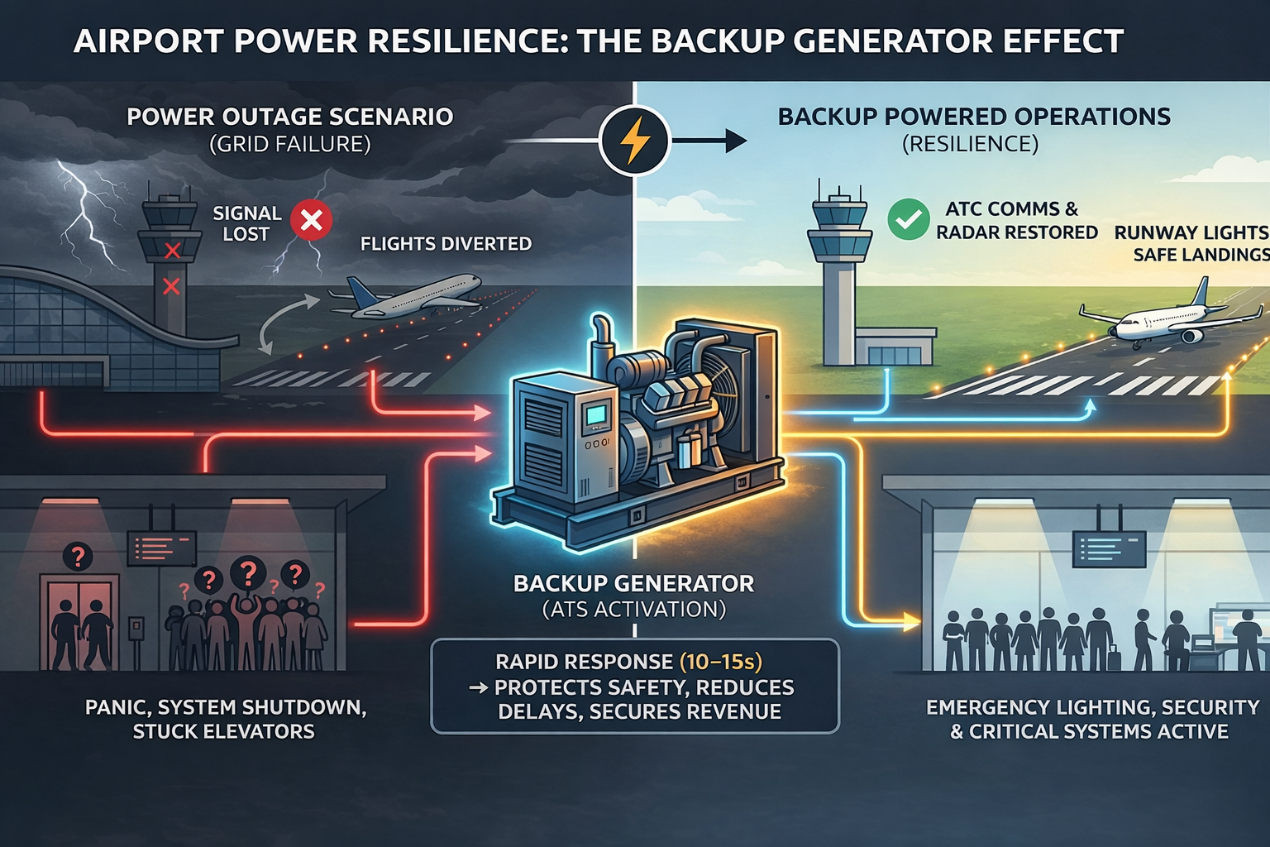
Diesel generators are often used for:
- Factory buildings.
- Business structures.
- Facilities for medical and data services.
- Backup power systems or a standby.
Depending upon your application, each of these options has its advantages.
Setup and Portability
Usually, gas generators are lighter and easier to move. They are appropriate for mobile and temporary installation.
On the other hand, diesel generators tend to be heavier and are fixed systems. While not very portable, it has better stability and durability. If mobility is essential, though, you can go for gas power generators.
Dependable Performance Over Time
Diesel generators operate for long hours with great efficiency. You can use them in operational situations where the reliability of power is critical.
However, the same is not true for gasoline generators. Continuous usage of gasoline gensets could be an issue. With time, the performance may be affected due to heat buildup and wear. Thus, if reliability is a priority, go for diesel generators as they are better.
Cost Versus Value Comparison
This is because gasoline generators have lower initial sticker costs. Nonetheless, high fuel use and reduced lifespan can raise long-term costs.
Diesel generators might come with a higher initial investment, but they can provide better value over time. Instead of just the upfront price, you should compare the total ownership cost.
Which Generator Will Suit You Better?
It all comes down to what you will use the generator for. If you require power occasionally for light loads, a gasoline generator will likely suffice.
But, for frequent and continuous usage, a diesel generator is usually the better choice. By evaluating the load size, operating cost, and runtime, you can make the right choice.
Common Mistakes When Choosing Generator Type
Numerous users solely select generators based on price or availability. But you can face performance issues later. So, don’t ignore load requirements, maintenance capability, and run-time expectations. Also, choose the right type of generator for more reliability and reduced costs.
Conclusion
Gasoline and diesel generators perform different functions. While gasoline generators are suited for light and occasional use, diesel generators are suitable for heavy-duty and long-duration use. You can determine which generator will be the most effective and economical by assessing how you will use it, the load it will need to supply, and how much you can spend.
Huaquan Power offers diesel and gasoline generators for industrial and commercial applications. Their systems are designed for different power capacities and operating requirements, so you can choose reliable and efficient power solutions for every type of environment.