When a generator surcharges, a chain reaction begins within milliseconds — and understanding what happens at each stage helps you prevent permanent damage and dangerous situations.
The Overload Sequence: Millisecond by Millisecond
Stage 1: Current Rise (0-10 millisecondes)
The instant load exceeds the generator’s rated output, current through the alternateur windings increases beyond design limits. The voltage regulator attempts to compensate by increasing système d'excitation current to maintain output voltage, but the Alternateur‘s impedance causes voltage to begin dropping.
Stage 2: Voltage Depression (10-100 millisecondes)
Output voltage drops below the nominal 120V. At 108V, motors begin drawing more current to maintain the same mechanical output (Ohm’s law + motor characteristics), worsening the overload. This creates a positive feedback loop: more current → more voltage drop → even more current demand from motors.
Stage 3: Breaker Trip or Engine Lug (100MS – 10 secondes)
| What Happens | Trigger Point | Résultat | Recovery |
|---|---|---|---|
| Thermal breaker trips | 100-110% de charge nominale, sustained 10-30 secondes | All power cuts off instantly | Attendez 2-5 min for breaker to cool; reduce load before restarting |
| Engine lugs / stalls | 150%+ de charge nominale, or large motor starting surge | Engine slows, chutes de fréquence, may stall completely | Réduire la charge; restart engine |
| Inverter overload protection | 110-120% of rated inverter output | Inverter shuts down, displays error code | Réduire la charge; reset inverter |
| AVR overcurrent protection | Sustained overcurrent in excitation circuit | AVR shuts off excitation; output drops to residual voltage | Replace AVR if damaged; reduce load |
What Breakers DON’T Protect Against
Generator circuit breakers protect wiring from overheating — they are not precision overload protection devices. They typically trip at 100-110% of rated current after 10-60 secondes. But they do NOT trip for:
- Momentary surges under 1 deuxième — a motor starting surge of 3× rated load for 0.5 seconds won’t trip the breaker, but repeated surges stress the alternator
- Chronic slight overload (5-10% over rating) — the breaker may hold for minutes while the alternator slowly overheats
- Individual circuit overloads — if you have a 30A generator feeding a 20A outlet, the outlet’s breaker trips first, but the generator’s main breaker may not
Long-Term Damage from Repeated Overloading
| Composant | Damage Mechanism | Symptômes | Coût de réparation |
|---|---|---|---|
| Enroulements d'alternateur | Insulation breakdown from overheating → shorted turns | Production réduite, burning smell, défaut à la terre | $500-3,000 (replace alternator) |
| AVR (automatic voltage regulator) | Overcurrent in excitation circuit burns MOSFETs/triacs | Fluctuations de tension, no output | $100-400 (replace AVR board) |
| Engine bearings | Lugging under overload causes metal-to-metal contact | Knocking sound, increased oil consumption | $1,000-5,000 (engine rebuild) |
| Receptacles/cords | Overheated contacts oxidize and loosen | Fusion, discoloration, intermittent connection | $20-100 (replace receptacle) |
How to Prevent Overload
- Know your generator’s starting and running watt ratings — and the difference matters
- Add up ALL running loads before starting another appliance
- Start the largest motor first, while other loads are off
- Use a load meter ($20-40) to monitor real-time power draw — don’t guess
- Ne dépassez jamais 80% de capacité nominale for continuous operation — the 20% margin prevents overheating and handles unexpected load spikes
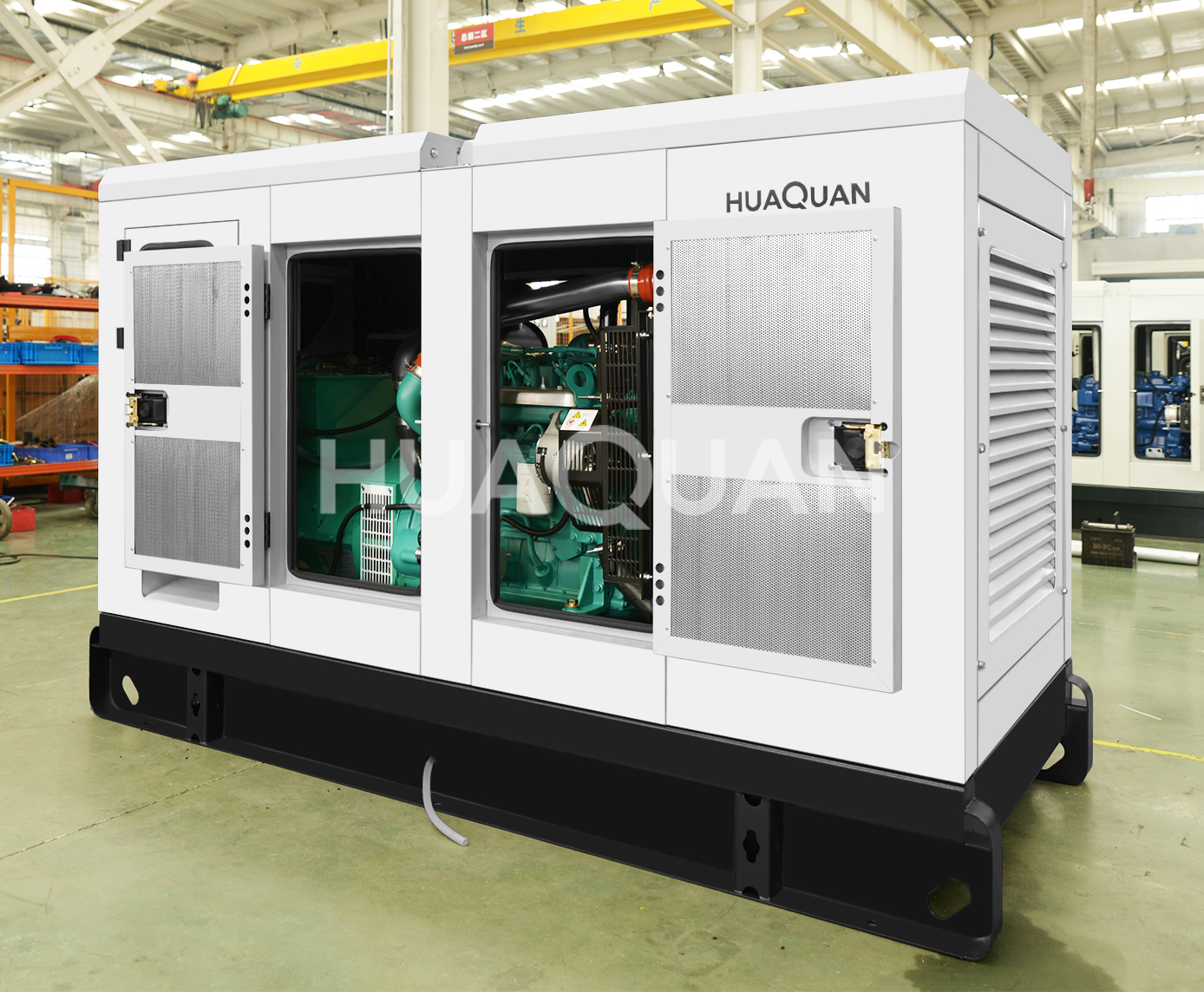
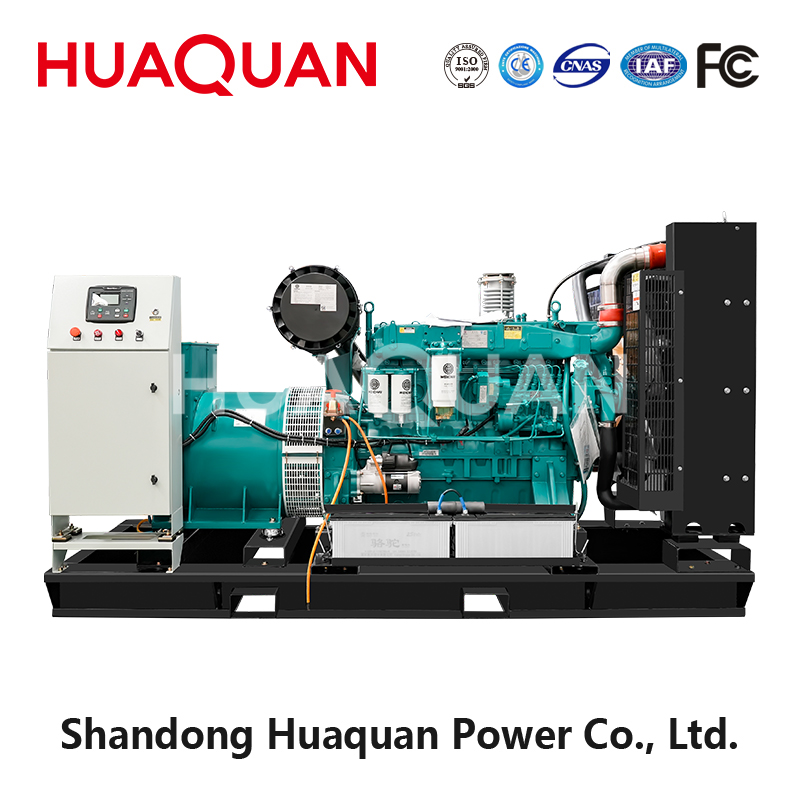
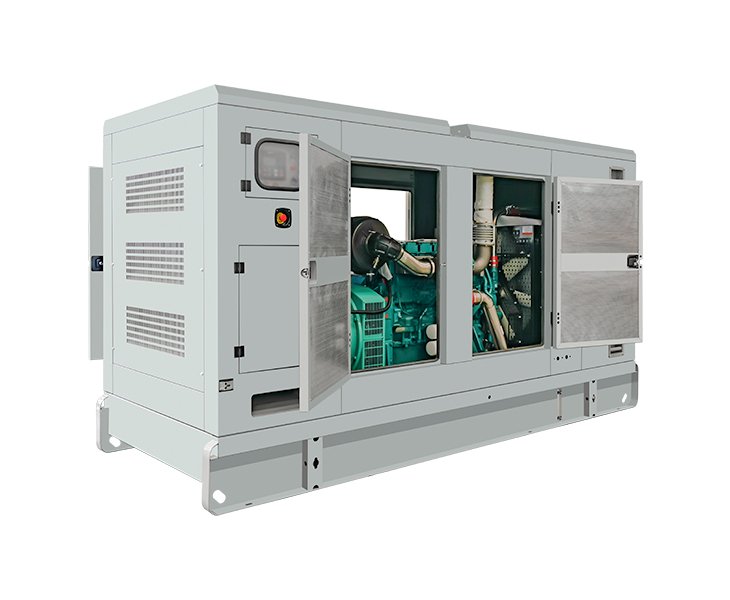
Astuce Huaquan: All Générateurs diesel Huaquan include integrated overload protection with automatic shutdown and alarm. Our control panels display real-time load percentage so operators can manage loads proactively.
⚡ Explorez les solutions associées
- 🏭 500Générateur diesel kW
- 🏭 1000Générateur diesel kW
- 🏭 500Générateur diesel YC kW
- 🔧 KMS (Cummins/Doosan) Série
- 📋 Groupes électrogènes diesel
- 📋 Processus de commande – Comment acheter
- 📋 Contactez-nous
💡 Besoin d'une solution personnalisée? Contactez notre équipe d'ingénierie pour des recommandations spécifiques à un projet.