The intercooler (also called aftercooler or charge air cooler) is a critical component in turbocharged diesel Générateurs that directly impacts engine reliability, efficacité énergétique, and power output. Understanding its function and failure modes helps you maintain your generator and prevent costly unplanned shutdowns.
What the Intercooler Does
A turbocharger compresses intake air to force more oxygen into each cylinder. Compression heats the air dramatically — a turbocharger operating at 2:1 pressure ratio heats intake air from 80°F ambient to approximately 280-350°F. Hot air is less dense (fewer oxygen molecules per cubic foot) and more prone to cause detonation (uncontrolled combustion). The intercooler cools this compressed air back down before it enters the cylinders.
Temperature Reduction Is Critical
| Stage | Température | Pression | Densité de l'air |
|---|---|---|---|
| Ambient intake | 80°F | 14.7 psi | 0.075 lb/ft³ |
| After turbocharger | 300-350°F | 29.4 psi (2:1 ratio) | 0.062 lb/ft³ |
| After intercooler (conception) | 100-130°F | 28 psi (minor pressure drop) | 0.100 lb/ft³ |
| After intercooler (failed) | 280-320°F | 29 psi | 0.065 lb/ft³ |
Notice: without the intercooler, the compressed air at 300°F is actually less dense than ambient air despite being at double the pressure. The intercooler’s cooling effect increases air density by 60% compared to turbocharged-but-uncooled air, which is why it’s essential for achieving rated power output.
How the Intercooler Affects Reliability
1. Combustion Temperature Control
Cooler intake air reduces peak combustion temperature by 100-200°F. Lower combustion temperature means:
- Reduced thermal stress on cylinder heads, piston, and exhaust valves
- Lower NOx emissions (NOx formation is exponential with temperature)
- Reduced exhaust gas temperature, protecting the turbocharger and exhaust manifold
- Less heat rejection to the cooling system, reducing thermal cycling stress
2. Piston and Cylinder Head Life
When the intercooler is degraded (leaking, bouché, or ineffective), combustion temperatures rise. Au fil du temps, this causes:
| Composant | Mode de défaillance | Timeframe with Failed Intercooler |
|---|---|---|
| Couronne de piston | Thermal cracking from overheating | 500-2,000 heures |
| Cylinder head | Valve seat recession, crack formation | 2,000-5,000 heures |
| Soupapes d'échappement | Burning and tuliping from hot gases | 1,000-3,000 heures |
| Joint de culasse | Blown gasket between cylinders | 1,500-4,000 heures |
| Turbocompresseur | Bearing failure from excessive exhaust temperature | 2,000-5,000 heures |
3. Oil Degradation
Higher combustion temperatures increase blow-by gas temperature, which heats the engine oil faster. Oil operating 20°F above design temperature oxidizes 2-3× faster, leading to sludge formation, viscosity loss, and bearing wear. Turbo bearing failures are often the first symptom of chronic intercooler problems.
Common Intercooler Failure Modes
Air-to-Air Intercoolers (Most Common in Generators)
| Mode de défaillance | Cause | Symptômes | Méthode de détection |
|---|---|---|---|
| Fin corrosion/blockage | Salt air, poussière, débris | Perte de puissance progressive, rising intake temp | Inspection visuelle + temperature differential test |
| Internal leak (air side) | Vibration fatigue, cyclage thermique | Boost pressure loss, black smoke | Pressure test at rated boost + 10% |
| Mounting failure | Vibration, pinces desserrées | Air leak at connection, boost loss | Soapy water test at connections |
| Frost/ice formation | Humidité élevée + cold ambient | Airflow restriction, power fluctuation | Visual in cold climates |
Air-to-Water Intercoolers (Grand générateurs industriels)
| Mode de défaillance | Cause | Symptômes | Méthode de détection |
|---|---|---|---|
| Coolant leak into intake | Core corrosion, vibration crack | Fumée blanche, perte de liquide de refroidissement, hydro-lock risk | Coolant pressure test; oil analysis for glycol |
| Tube fouling | Coolant contamination, scale | Rising intake air temperature | Temperature differential vs. design spec |
| Core rupture | Freeze damage, overpressure | Catastrophic coolant loss into intake | Preventive: ensure proper coolant mixture |
Intercooler Maintenance and Testing
Temperature Differential Test
The simplest reliability test: measure the temperature drop across the intercooler under load. Compare to the manufacturer’s specification.
| Mesures | Plage normale | Avertissement | Critique |
|---|---|---|---|
| Temperature drop (turbo out to intake manifold) | 150-220°F | 100-150°F | <100°F |
| Pressure drop (boost to manifold) | 1-3 psi | 3-5 psi | >5 psi |
Calendrier d'entretien
- Chaque 250 heures: Inspect air-side fins for debris and corrosion; clean if necessary
- Chaque 500 heures: Check all clamps, tuyaux, and connections for tightness and condition
- Chaque 1,000 heures: Perform pressure test at rated boost + 10% pour 5 minutes — no pressure loss acceptable
- Annuellement: Temperature differential test under 75-100% charger; compare to baseline
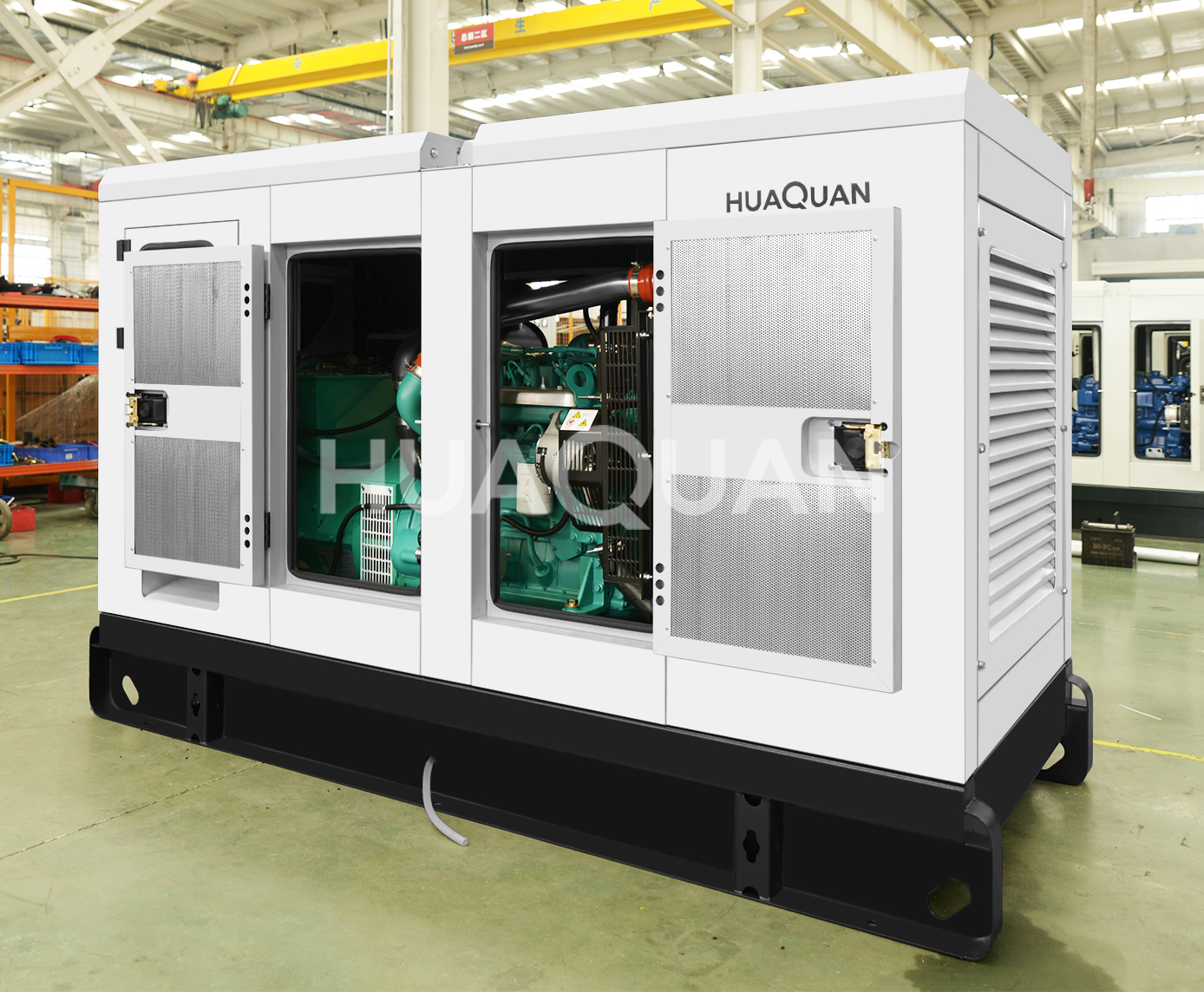
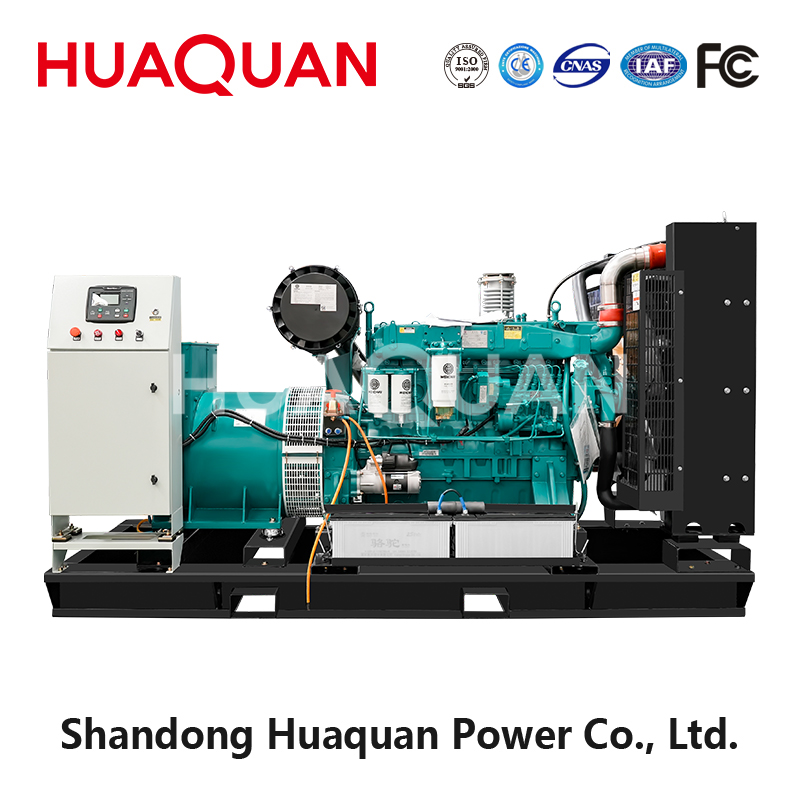
Astuce Huaquan: All Huaquan turbocharged diesel generators include intercooler health monitoring as part of the standard control panel. Schedule annual intercooler performance testing to catch degradation before it affects reliability.