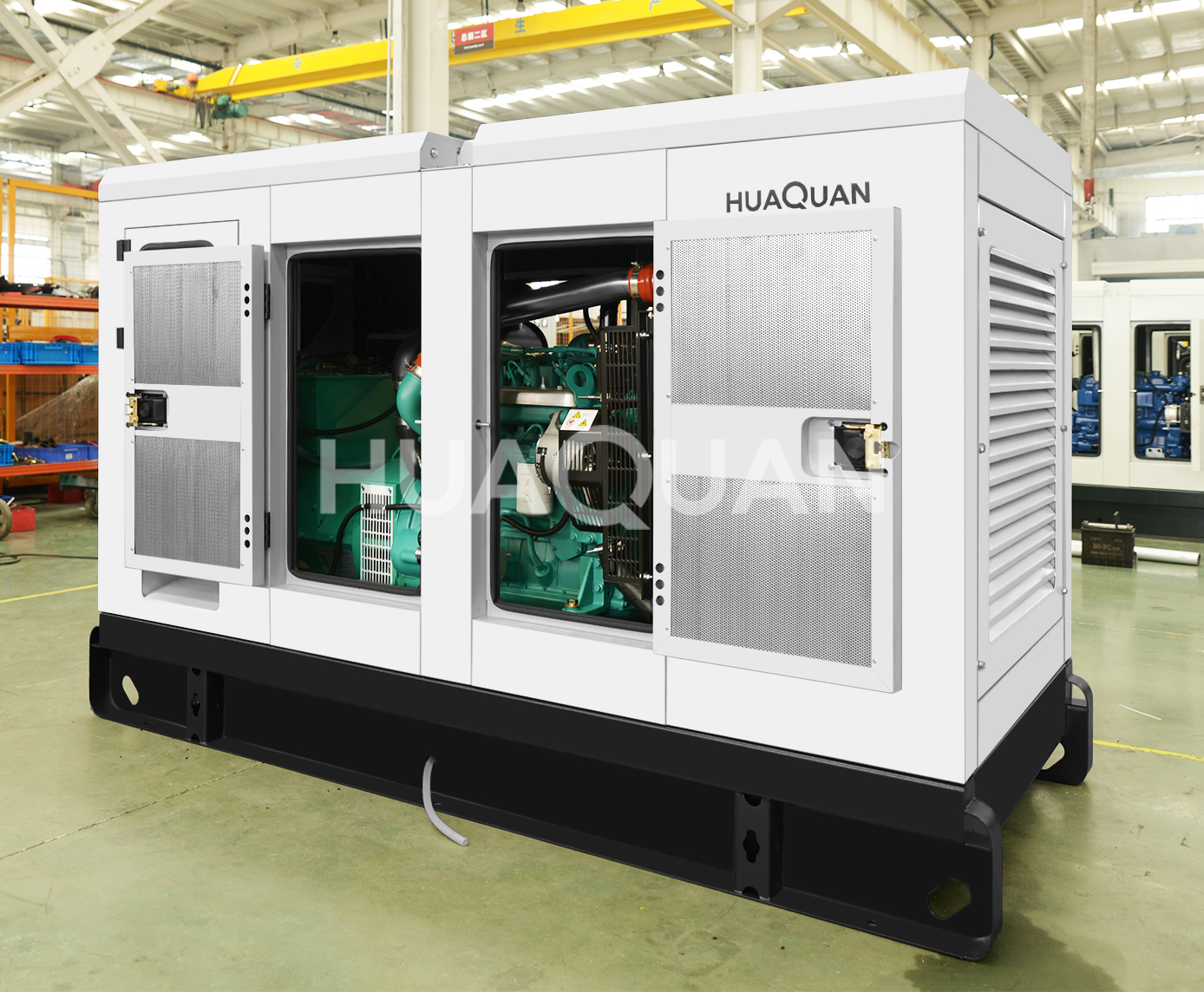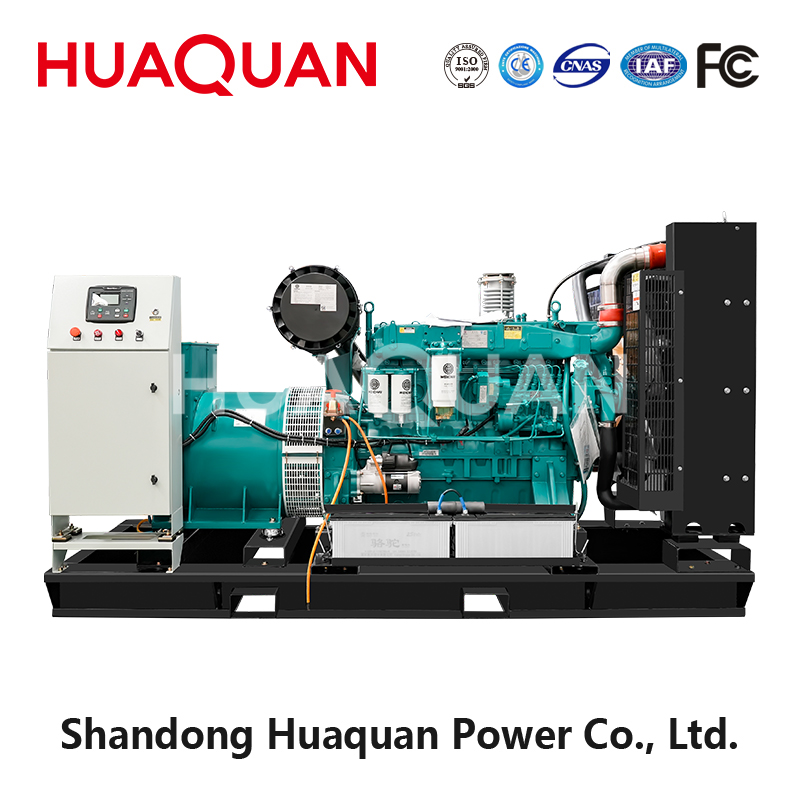
A whole-house generator (also called a Maison générateur de secours) is permanently installed outside your home and automatically restores power during an outage. It connects to your electrical panel through an commutateur de transfert automatique and runs on natural gas or propane — no extension cords, no fueling, no manual setup. Here’s how to determine the right size and features for your home.
Sizing a Whole-House Generator
Most homes need between 12kW and 25kW for true whole-house coverage. The exact size depends on your electrical panel size, HVAC system, and which appliances you want to run simultaneously. A professional load calculation is strongly recommended — most generator dealers offer free on-site assessments.
Quick Sizing Guide by Home Size
| Taille de la maison | AC Size | Générateur recommandé | What It Powers |
|---|---|---|---|
| 1,000-1,500 pieds carrés | Window units or no AC | 10-12kW | All essentials including window AC |
| 1,500-2,500 pieds carrés | 2.5-3 ton central AC | 14-17kW | Whole house including central AC |
| 2,500-3,500 pieds carrés | 3-4 ton central AC | 18-22kW | Whole house with electric dryer |
| 3,500+ pieds carrés | 4-5 ton central AC | 22-25kW+ | Everything including dual HVAC zones |
Gaz naturel vs. Propane for Whole-House Générateurs
Natural gas is the most popular fuel for whole-house generators because it’s supplied through underground pipelines — you never need to refill a tank or worry about running out. If natural gas isn’t available in your area, propane is the alternative. A 500-gallon propane tank (filled to 80% = 400 gallons usable) will run a 20kW generator at half load for approximately 8-10 jours.
Exigences d'installation
- Electrical permit — Required by most jurisdictions; your installer handles this
- Automatique commutateur de transfert — Usually included with the generator; must be installed by a licensed electrician
- Gas line — Licensed plumber runs gas from your meter to the generator; meter upgrade may be needed
- Concrete pad — Generator sits on a level concrete or composite pad; some brands include a mounting pad
- Clearance — 3-5 feet from walls, 5 feet from windows and combustible materials (varies by model and local code)
- HOA approval — Check homeowners association rules before installation
For industrial and commercial whole-building backup power, Générateurs diesel Huaquan Power range from 20kW to 2,000kW with automatic Commutateur de transfert intégration.