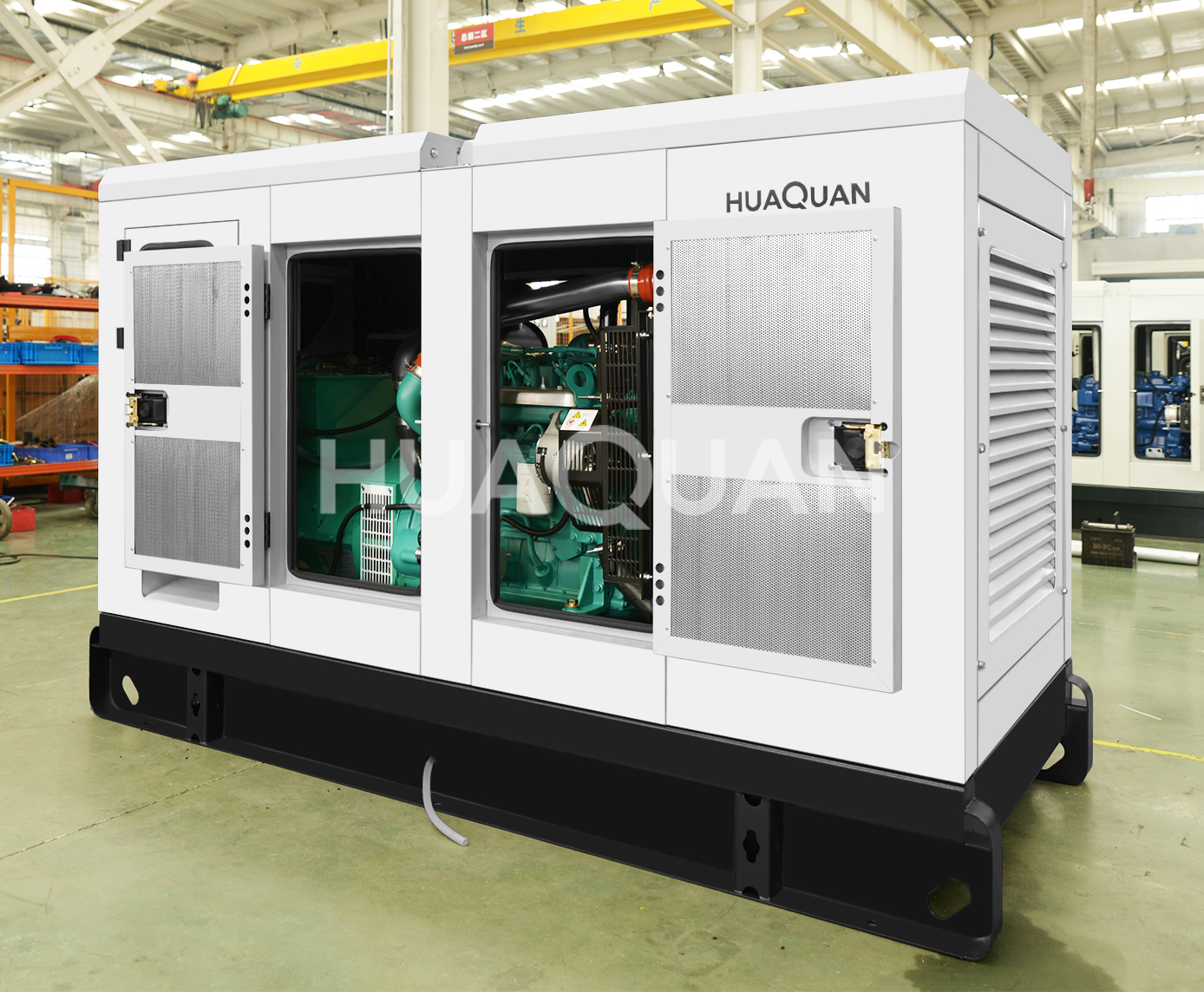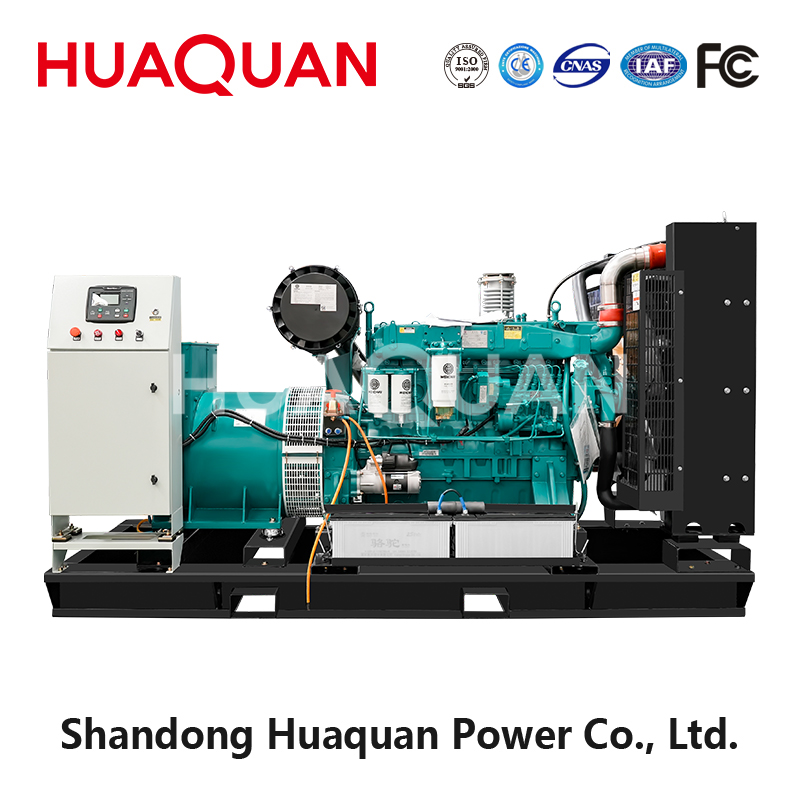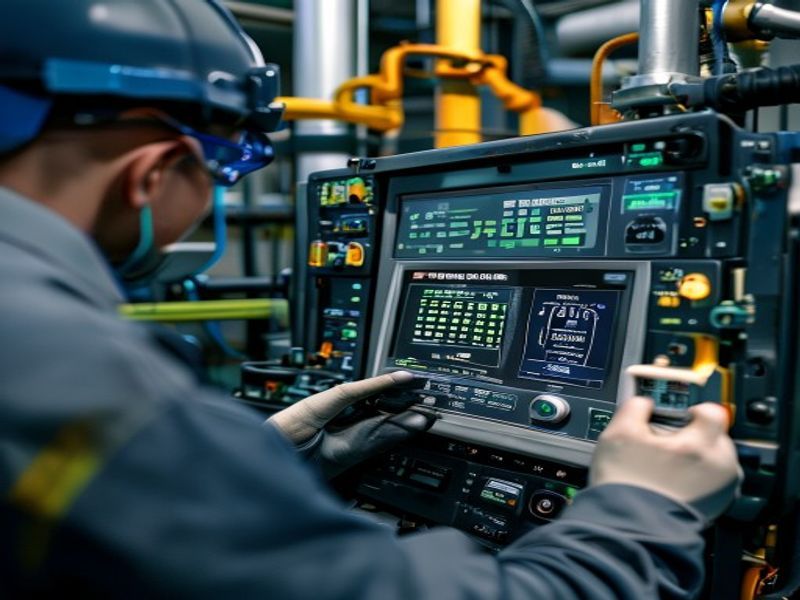
Calculating Générateur diesel consommation de carburant accurately helps you estimate operating costs and plan fuel storage for uninterrupted power supply. En moyenne, a diesel generator consumes approximately 0.24 à 0.30 liters per kWh of electricity generated, though the exact rate depends on engine efficiency, load percentage, et la qualité du carburant. Understanding this calculation enables facility managers to budget fuel expenses and schedule timely refueling during extended outages.
What Is the Basic Formula for Diesel Generator Fuel Consumption?
The fundamental formula for estimating diesel generator fuel consumption uses the generator’s rated power output and its specific fuel consumption (SFC) rate. The SFC is typically expressed in liters per kWh or gallons per kWh and is provided by the manufacturer in the technical specification sheet. Multiply the SFC by the actual power output in kilowatts and the number of operating hours to determine total fuel usage.
Understanding Specific Fuel Consumption
Specific fuel consumption varies significantly with load. À 100% charger, modern diesel engines achieve their best SFC because the combustion process operates at peak thermal efficiency. À 50% charger, SFC increases by roughly 10-15%, meaning the generator burns proportionally more fuel per unit of electricity produced. À 25% charger, SFC can increase by 30-40% compared to full load, a phenomenon known as “empilement humide” that also causes carbon buildup in the engine.
Fuel Consumption vs. Pourcentage de charge
| Pourcentage de charge | Estimated Consumption (L/kWh) | Efficiency Rating |
|---|---|---|
| 100% | 0.24–0.28 | Excellent |
| 75% | 0.26–0.30 | Bien |
| 50% | 0.29–0.35 | Fair |
| 25% | 0.38–0.48 | Pauvre |
How Does Engine Size Affect Fuel Burn Rate?
Larger engines naturally consume more fuel in absolute terms, but they may actually achieve better diesel generator fuel consumption per kWh when operating at their optimal load point. UN 1000 kW generator running at 75% load often has a lower SFC than a 500 kW generator running at 100% load because larger engines benefit from better thermal efficiency and more complete combustion. This principle is important when selecting generator capacity for your application.
Comparing Fuel Consumption by Generator Size
| Taille du générateur (kW) | Pleine charge (L/h) | 75% Charger (L/h) | 50% Charger (L/h) |
|---|---|---|---|
| 50 | 12–15 | 10–12 | 8–10 |
| 100 | 24–28 | 19–23 | 15–18 |
| 250 | 60–70 | 48–58 | 38–45 |
| 500 | 120–140 | 100–115 | 80–95 |
| 1000 | 240–280 | 200–230 | 160–190 |
What Factors Influence Diesel Generator Fuel Consumption?
Beyond load percentage, several factors directly affect diesel generator fuel consumption. Ambient temperature plays a role because cold air is denser, allowing the engine to burn fuel more efficiently, while hot conditions reduce air density and combustion efficiency. Altitude has a similar effect: at elevations above 500 mètres, the thinner air reduces engine power output and increases SFC by approximately 3-5% per 500 mètres. Fuel quality, including cetane number and sulfur content, also impacts combustion efficiency and overall consumption rates.
Environmental Impact on Fuel Efficiency
| Factor | Impact on Consumption | Magnitude |
|---|---|---|
| High altitude (>500m) | Increases SFC | +3–5% per 500m |
| Haute température (>40°C) | Increases SFC | +2–5% |
| Low fuel cetane (<45) | Increases SFC | +5–8% |
| Humidity (>80%) | Slight increase | +1–2% |
| Contamination du carburant | Major increase | +10–20% |
How to Calculate Monthly Fuel Costs?
To estimate monthly fuel costs for diesel generator fuel consumption, multiply the daily fuel consumption by the number of operating days and the current diesel price per liter. Par exemple, un 250 kW generator operating at 75% load for 8 hours per day consumes approximately 53 litres par heure, totaling 424 liters daily. At a diesel price of $1.20 per liter, the daily cost is $508.80, and the monthly cost for 30 operating days reaches $15,264.
Cost Calculation Formula
Monthly Cost = (Generator kW × Load % × SFC × Operating Hours/Day × Days/Month) × Fuel Price per Liter. This formula provides a straightforward way to budget for generator operation. Always include a 10% safety margin to account for fluctuations in diesel generator fuel consumption caused by varying environmental conditions and fuel quality differences.
Why Is Fuel Consumption Higher at Low Load?
Operating a générateur diesel at low load wastes fuel because the engine must maintain its mechanical friction losses and accessory drives regardless of power output. The fuel injection system delivers a minimum quantity of fuel just to keep the engine running, which represents a disproportionately large share of total fuel when electrical output is low. En outre, low-load operation causes incomplete combustion, leading to carbon deposits on injectors and cylinder walls that progressively worsen diesel generator fuel consumption au fil du temps.
Wet Stacking and Its Effects
| Operating Load | Wet Stacking Risk | Recommended Action |
|---|---|---|
| Ci-dessous 30% | Severe | Apply load bank or reduce generator size |
| 30–50% | Modéré | Periodic load bank testing recommended |
| 50–75% | Faible | Normal operation acceptable |
| Au-dessus de 75% | Minimal | Optimal fuel efficiency |
How to Monitor Fuel Consumption in Real Time?
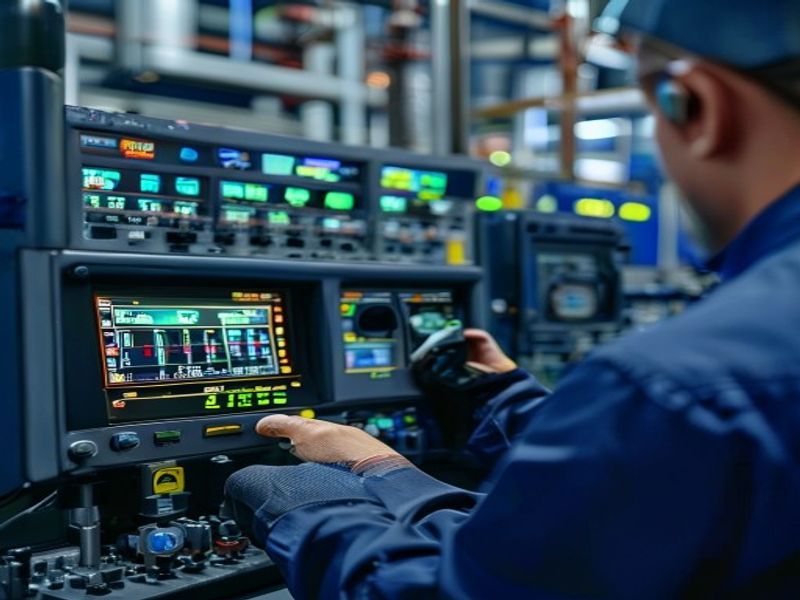
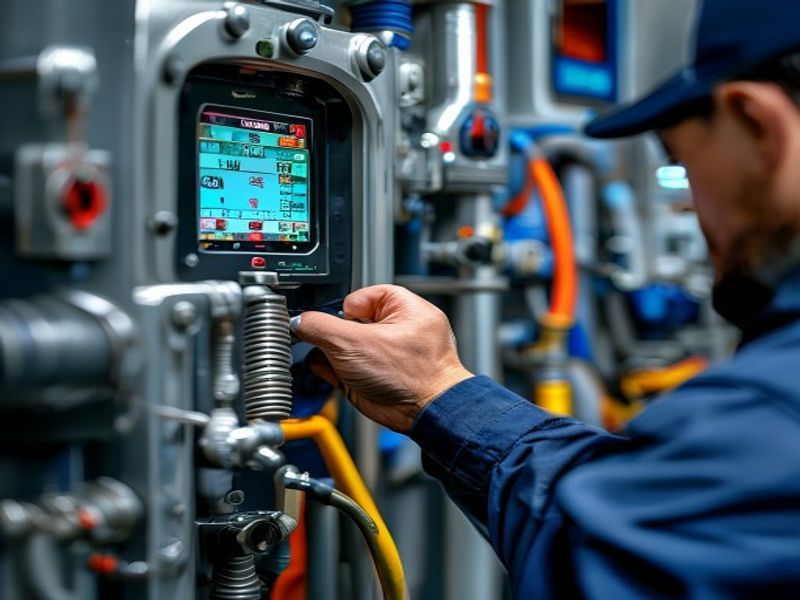
Moderne générateur diesel controllers often include built-in fuel monitoring that displays real-time consumption in liters per hour. Pour Générateurs without this feature, aftermarket fuel flow meters can be installed on the supply and return fuel lines to calculate net consumption. The difference between supply flow and return flow equals actual fuel burned. Connecting these sensors to a remote monitoring system allows operators to track diesel generator fuel consumption trends over time and detect anomalies that may indicate fuel system problems or leaks.
What Are the Best Practices for Fuel Efficiency?
Optimizing diesel generator fuel consumption requires a combination of proper sizing, entretien régulier, and intelligent load management. Select a generator that operates at 70-80% of its rated capacity during normal loads, which is the sweet spot for fuel efficiency. Schedule regular fuel system maintenance including filter replacement, injector cleaning, and fuel polishing to maintain optimal combustion quality. Consider paralleling multiple smaller generators instead of running one large unit at low load, as this approach allows you to match generation capacity to actual demand more precisely.
Maintenance Checklist for Optimal Fuel Economy
| Maintenance Task | Fréquence | Fuel Savings Potential |
|---|---|---|
| Air filter replacement | Chaque 500 heures | 3–5% |
| Fuel filter replacement | Chaque 500 heures | 2–4% |
| Injector inspection/cleaning | Chaque 2000 heures | 5–8% |
| Valve adjustment | Chaque 3000 heures | 2–3% |
| Cooling system service | Chaque 1000 heures | 1–2% |
| Turbocharger inspection | Chaque 3000 heures | 3–5% |
FAQ
How much fuel does a diesel generator use per hour?
Does a diesel generator use less fuel at lower load?
How do I calculate diesel generator fuel cost per kWh?
What is wet stacking in diesel generators?
How often should I check diesel generator fuel consumption?
For more information on generator efficiency, visite Wikipedia’s diesel engine article or explore Huaquan Power’s diesel generator sets. You can also learn about generator fuel system maintenance on our website.