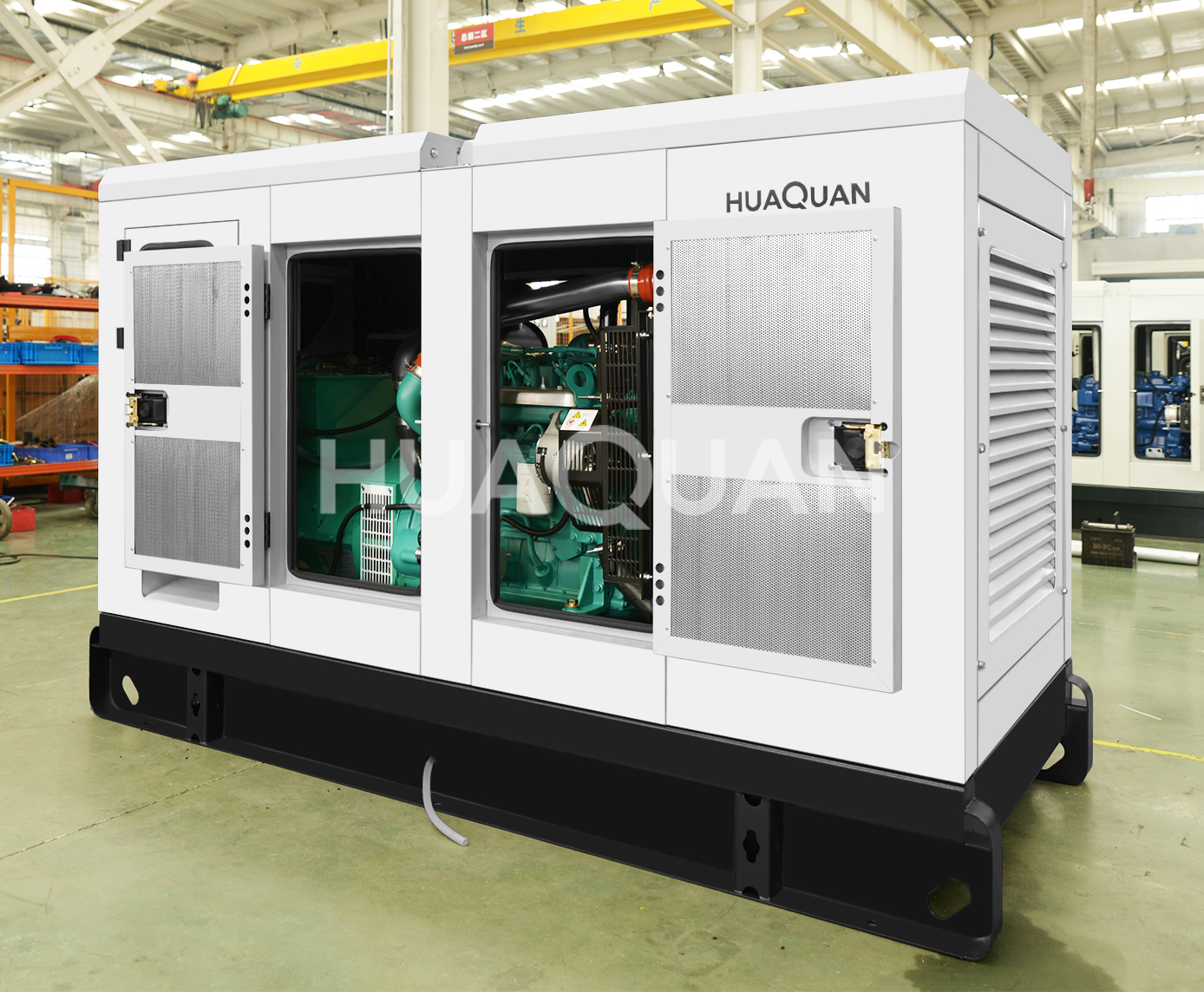
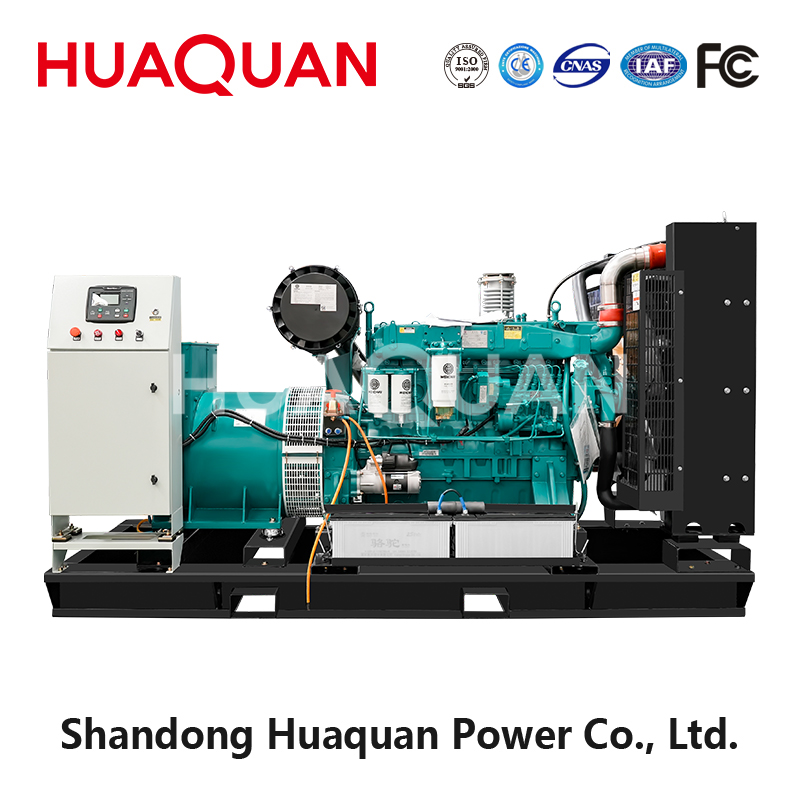
A diesel generator load bank test verifies that your generator can produce its rated power output. En primer lugar, this test applies a controlled electrical load to the generator and measures its performance. Por lo tanto, regular diesel generator load bank test procedures ensure your energía de respaldo system will work when needed. This guide explains how to perform the test correctly.
Why Is Diesel Generator Load Bank Testing Important?
Verify Rated Capacity
Primero, a diesel generator load bank test confirms the generator can produce its nameplate rating. Específicamente, the test applies the full rated load and measures voltage, frecuencia, and temperature stability. Además, this proves the generator is ready for emergency use. Por lo tanto, annual load testing is essential for critical sistemas de energía de respaldo.
| Test Purpose | What It Verifies | Por qué es importante |
|---|---|---|
| Capacity verification | Full load output | Confirms generator can handle emergencies |
| Performance check | Stability under load | Identifies developing problems |
| Wet stacking prevention | Burns off carbon buildup | Extends engine life |
| Code compliance | Meets NFPA 110 requisitos | Required for many facilities |
Evite el apilamiento húmedo
También, diesel generator load bank test procedures help prevent wet stacking. Específicamente, wet stacking occurs when Generadores run at low load for extended periods. Además, unburned fuel accumulates in the exhaust system, causing damage. Por lo tanto, load bank testing burns off these deposits and keeps the engine healthy. El Wikipedia diesel engine article explains combustion efficiency.
| Nivel de carga | Combustion Efficiency | Wet Stacking Risk |
|---|---|---|
| Abajo 30% | Pobre | High risk |
| 30-50% | Fair | Moderate risk |
| 50-75% | Bien | Low risk |
| 75-100% | Excelente | No risk, cleans engine |
What Equipment Do You Need for Load Bank Testing?
Load Bank Types
Several types of load banks are used for diesel generator load bank test procedures. Primero, resistive load banks apply heating elements to create load. Además, reactive load banks use inductors or capacitors for power factor testing. Además, combination load banks provide both resistive and reactive loading. Por lo tanto, choose the appropriate type for your testing needs.
| Load Bank Type | Load Characteristic | Mejor para |
|---|---|---|
| Resistive | Unity power factor (1.0) | General testing, wet stacking prevention |
| Reactive | Lagging power factor | Testing generator response to inductive loads |
| Combination | Adjustable power factor | Comprehensive testing |
| Portátil | Various capacities | Field testing multiple locations |
Safety Equipment Required
Before starting any diesel generator load bank test, gather safety equipment. Específicamente, you need personal protective equipment including safety glasses, hearing protection, and insulated gloves. Además, have fire extinguishers rated for electrical fires nearby. Además, ensure proper ventilation for exhaust gases. Por lo tanto, safety preparation is essential before testing.
| Safety Item | Objetivo | Requisito |
|---|---|---|
| Safety glasses | Eye protection from sparks | Required for all personnel |
| Hearing protection | Noise protection (85+ dB) | Required during operation |
| Insulated gloves | Electrical shock protection | Required for electrical work |
| Fire extinguisher | Emergency fire response | CO2 or dry chemical, rated for electrical |
| Ventilación | Exhaust gas removal | Adequate airflow required |
How to Prepare for Diesel Generator Load Bank Testing?
Pre-Test Inspection
Before conducting a diesel generator load bank test, perform a thorough inspection. Primero, check all fluid levels including oil, refrigerante, y combustible. Próximo, inspect belts and hoses for wear. Además, verify all safety systems work correctly. Además, check that the generator room has proper ventilation. Visita Poder Huaquan for maintenance guides.
| Inspection Item | What to Check | Pass Criteria |
|---|---|---|
| Oil level | Dipstick reading | Between MIN and MAX |
| Nivel de refrigerante | Expansion tank | Between MIN and MAX |
| Nivel de combustible | Fuel tank gauge | Enough for test duration + reserve |
| Belts | Tension and condition | No cracks, proper tension |
| Mangueras | Condition and clamps | No leaks or soft spots |
| Safety systems | Test shutdown functions | All systems operational |
Load Bank Connection
Próximo, connect the load bank for the diesel generator load bank test. Primero, de-energize the generator output breaker. Entonces, connect load bank cables to the generator output terminals. Además, ensure all connections are tight and properly sized for the current. Además, verify cable insulation is in good condition. Por lo tanto, proper connection prevents dangerous arc faults.
| Connection Step | Procedimiento | Precaución |
|---|---|---|
| De-energize | Open generator breaker | Verify zero voltage before proceeding |
| Connect cables | Attach to output terminals | Use correct cable size |
| Check polarity | Verify phase connections | Refer to generator wiring diagram |
| Ground load bank | Connect ground wire | Essential for safety |
| Verify connections | Inspect all terminations | Look for loose connections |
What Is the Diesel Generator Load Bank Test Procedure?
Step-by-Step Testing Process
Follow this procedure for a complete diesel generator load bank test. Primero, start the generator and allow it to warm up. Próximo, gradually apply load in 25% increments. Además, record voltage, frecuencia, and temperature at each step. Además, hold full load for at least 30 minutes to an hour. Finalmente, reduce load gradually and allow cool-down.
| Test Step | Nivel de carga | Duración | What to Monitor |
|---|---|---|---|
| Start and warm-up | 0% (no load) | 10-15 minutos | Presión de aceite, temperatura |
| First load step | 25% | 10 minutos | Voltaje, frecuencia, estabilidad |
| Second load step | 50% | 10 minutos | Voltage drop, temperature rise |
| Third load step | 75% | 10 minutos | All parameters stable |
| Full load test | 100% | 30-60 minutos | Temperatura, escape, estabilidad |
| Cool-down | Gradual reduction | 15 minutos | Temperature decreasing |
Recording Test Data
During the diesel generator load bank test, record all measurements accurately. Específicamente, document voltage and frequency at each load step. Además, record engine coolant temperature and oil pressure. Además, note any unusual sounds, vibrations, or exhaust smoke. Por lo tanto, complete records allow trend analysis over time.
| Data Point | Target Value | Acceptable Range |
|---|---|---|
| Voltage at full load | Nameplate rating | ±2% of rated voltage |
| Frequency at full load | 50 o 60 Hz | ±0.5 Hz |
| Coolant temperature | 80-90°C | Below 100°C |
| Presión de aceite | Per manufacturer spec | Típicamente 30-60 PSI |
| Exhaust temperature | Per manufacturer spec | Below max rated |
How Often Should You Perform Load Bank Testing?
Testing Frequency Guidelines
The frequency of diesel generator load bank test procedures depends on the application. Específicamente, NFPA 110 recommends monthly testing for critical facilities. Además, facilities with regular load testing at 30% or more may need less frequent load bank testing. Además, generators that rarely run under load need annual load bank testing to prevent wet stacking.
| Application | Recommended Frequency | Nivel de carga |
|---|---|---|
| Critical facilities (hospitales, centros de datos) | Monthly or per code | 75-100% of rated |
| Industrial backup | Quarterly | 75-100% of rated |
| Edificios comerciales | Semestralmente | 75-100% of rated |
| Low-use generators | Annually minimum | 100% for wet stack prevention |
Code Requirements
También, many codes and standards require diesel generator load bank test documentation. Específicamente, NFPA 110, Joint Commission, and local authorities may have specific requirements. Además, insurance companies often require proof of testing. Por lo tanto, maintain complete records of all tests for compliance purposes.
What Problems Can Load Bank Testing Reveal?
Common Issues Found
A diesel generator load bank test often reveals problems before they cause failures. Específicamente, the test may show voltage regulation issues, cooling system problems, or fuel delivery limits. Además, the test can identify worn injectors, clogged filters, or weak batteries. Por lo tanto, load testing is an important diagnostic tool.
| Symptom During Test | Possible Problem | Investigation |
|---|---|---|
| Voltage drops under load | Regulador de voltaje, alternador | Check excitation system |
| Frequency unstable | Governor, sistema de combustible | Check governor adjustment |
| Temperature rises rapidly | Problema con el sistema de refrigeración | Check coolant, fan, radiador |
| Black smoke under load | Fuel or air system | Check air filter, inyectores |
| Cannot reach full load | Fuel restriction, engine wear | Check filters, compression |
Preguntas frecuentes
How long should a diesel generator load bank test last?
En primer lugar, a complete diesel generator load bank test should last 1-2 hours including warm-up and cool-down. Específicamente, the generator should run at full rated load for at least 30-60 minutos. Además, this duration allows the engine to reach stable operating temperature. Por lo tanto, shorter tests may not reveal problems that appear after extended running.
Can I use building load instead of a load bank?
Sí, you can use building electrical load for a diesel generator load bank test if the load is adequate and controllable. Específicamente, the building must have enough load to test the generator at 75-100% capacidad. Además, the load must be safe to interrupt if problems occur. Por lo tanto, load bank testing is often preferred for controlled testing conditions.
What is wet stacking in diesel generators?
Primero, wet stacking is a condition caused by running diesel generators at low load for extended periods. Específicamente, unburned fuel accumulates in the exhaust system as a wet, black deposit. Además, this can damage the turbocharger, exhaust manifold, and engine internals. Por lo tanto, regular diesel generator load bank test procedures burn off these deposits and prevent damage.
How much does load bank testing cost?
En primer lugar, diesel generator load bank test costs vary by generator size and location. Específicamente, hiring a testing service typically costs $500-2000 per test for generators up to 500kW. Además, purchasing a load bank for regular in-house testing costs $5,000-50,000 depending on capacity. Por lo tanto, consider testing frequency when deciding between rental and purchase.
What safety precautions are needed for load bank testing?
Primero, ensure all personnel wear appropriate PPE during diesel generator load bank test procedures. Específicamente, gafas de seguridad, hearing protection, and insulated gloves are required. Además, have fire extinguishers nearby and ensure proper ventilation. Además, never exceed the generator’s rated capacity. Por lo tanto, follow all safety procedures to prevent accidents and equipment damage.
Conclusión: Perform Regular Diesel Generator Load Bank Testing
En resumen, a diesel generator load bank test is essential for reliable backup power. Primero, it verifies the generator can produce its rated output. Próximo, it prevents wet stacking from low-load operation. También, it identifies developing problems before they cause failures. Además, it meets code and insurance requirements. Por lo tanto, schedule regular load bank testing for all critical generators. Contacto Poder Huaquan for quality generators and expert support.