Introduction
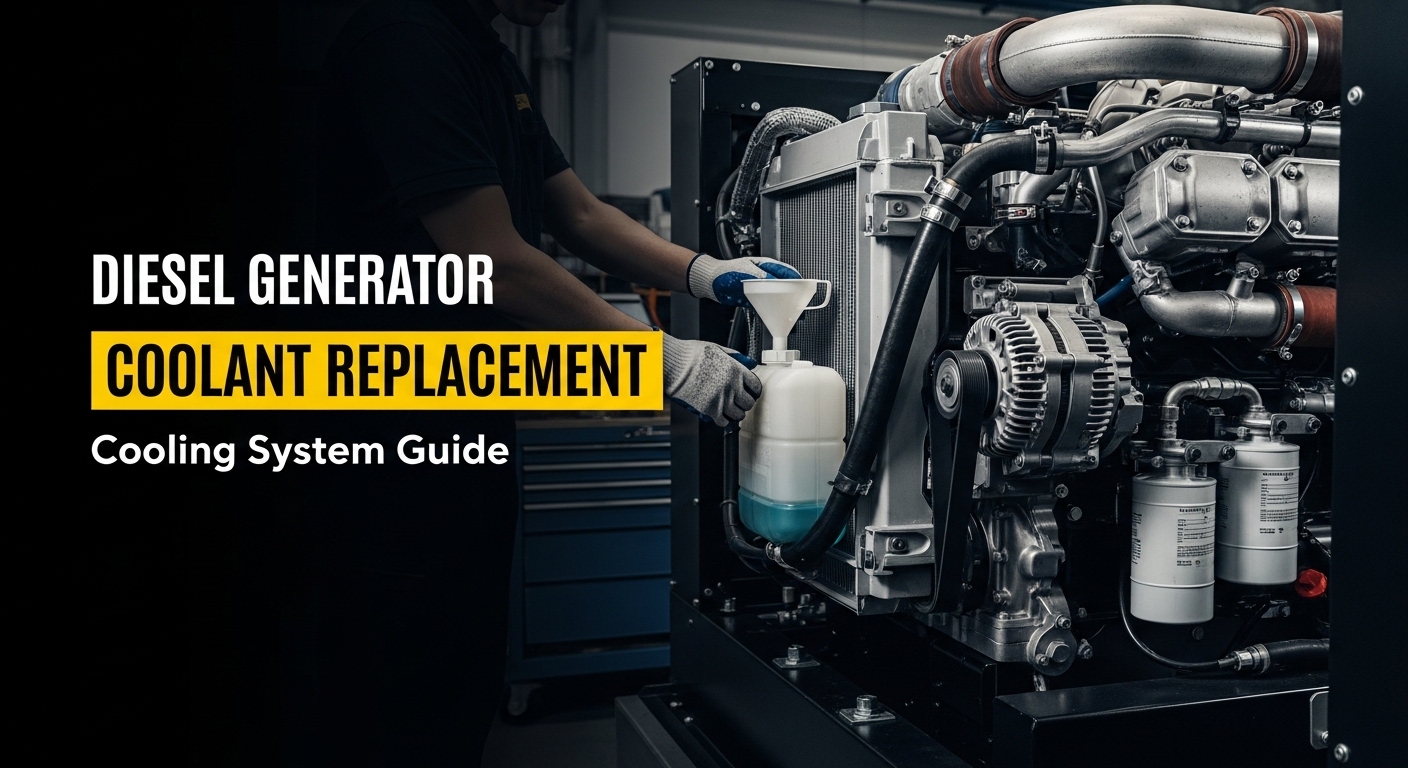
Diesel generator coolant replacement is necessary to maintain proper engine cooling and prevent overheating during generator operation. Old coolant loses its cooling and anti corrosion ability. This guide will show you how you can accomplish coolant replacement in the right way and in a safe manner.
Understand The Coolant Role Of Diesel Generator
Before you can perform coolant maintenance, you need to have an understanding of the function of coolant. Engine coolant removes the heat produced due to combustion and removes it from engine parts. It flows through the engine block and radiator.
Coolant also helps prevent corrosion from happening within the cooling system. It avoids rusting and scaling of metal elements. In the cold environment, coolant avoids the freezing. Stable condition of coolant to ensure efficient heat control and reliable engine operation.
Identify Signs For Coolant Replacement
You need to know about the warning signs of coolant replacement. Ignoring these signs could result in overheating of your engines and serious damage.
Some of the common warning signs are:
- Coolant discolouration
- Engine overheating
- Low coolant level
- Rust particles in coolant
- Unusual coolant smell
Discoloured coolant may be a sign of contamination or chemical breakdown. Rust particles indicate that corrosion has occurred on the interior of the cooling system. Persistent overheating may be a symptom of poor coolant performance. Early detection helps in averting engine failure.
Follow Suggested Coolant Replacement Cycle
You must follow the coolant replacement schedule as recommended by the manufacturer of the generator. Coolant service interval is a function of engine design, engine operating environment and coolant type.
Common coolant replacement cycles include:
- First replacement after first operating 500 hours
- Routine replacement at 1000 to 2000 hours
- Standby Generator Replacement on a Yearly Basis
- Increased Frequency of Replacement in Severe Environments
Dusty or high temperature environments cause coolant degradation to occur at an accelerated rate. Following the replacement cycle assures good cooling performance.
Prepare Tools And Materials To Replace The Coolant
You have to prepare the necessary tools before starting coolant replacement. Proper preparation will create better efficiency and safety maintenance.
Basic tools and materials include:
- Approved engine coolant
- Contains: – Drain container to hold used coolant
- Wrench for drain plug
- Funnel for coolant filling
- Cleaning cloth, or absorbent pad
Proper chemical protection is guaranteed by the correct type of coolant. Drain containers prevent pollution of the environment. Good preparation helps to avoid coolant spillage during maintenance.
Allow Engine To Cool Before Maintenance
You need to allow the engine to cool down before opening the cooling system. Hot coolant can cause horrible burns. Once finished stopping the generator and wait till the engine temperature is safe. Never open the radiator cap when the engine is hot. Cooling system pressure must be safely reduced before maintenance can begin.
Drain Old Coolant From The System
You need to completely drain the old coolant to get the contaminants out of the cooling system. Put a drain container under the radiator drain valve or engine block drain plug. Slowly open the drain valve and allow coolant to escape completely. Wait until all the coolants are drained from the radiator and engine passages. Complete drainage helps to remove the rust particles and chemical residue in the system.
Check Cooling System Components
You should check the cooling system components with coolant drained from the system. Check radiator hoses for cracks or leakage. Check hose clamps and radiator connections. Look for anything similar to corrosion or deposits inside the radiator opening. Examine the water pump area for indications of leaking. Identifying the damaged components at an early stage helps to avoid the failure of the cooling system.
Flush Out Cooling System If Necessary
You may need to flush the cooling system in case of severe contamination. Flushing is a process to remove the sediment and rust from the internal passages. Fill it with clean water and run the engine for a short period of time. Shut down the generator and remove the flushing water. Repeat flushing until you get drained water that is clean. The flushing used helps to improve the circulation of coolant and its cooling factor.
Close Drain Valve And Prepare For Refilling
When all the drainage or flushing is done, firmly close the drain valve. Make sure the drain plug is tightly put on. Check sealing washers for leakage prevention. Proper sealing will prevent coolant from being lost when the generator is in operation. Be sure to check for drain points before adding coolant.
Coolant – Refill Cooling System With New Coolant
You must top up the cooling system with the manufacturer’s recommended coolant. It may be useful to use a funnel to pour coolant slowly into the radiator or coolant reservoir. Do not fill too quickly so that you do not get air pockets. Fill the coolant until the system is at the recommended level. Corrected coolant level is a prerequisite for good heat transfer and circulation.
Remove Air From Cooling System
Air that is trapped in the cooling system can cause a decrease in cooling efficiency. You will need to get rid of air pockets after coolant replacement. Start the generator and let the engine idle. Observe the coolant level while air escapes from the system. Make coolant additions if the coolant drops. Continue to run the engine to normal operating temperature. Air removal helps to achieve stable coolant circulation.
Check For Coolant Leaks
You need to check any cooling system for leaks after it has been replaced. Check radiator connections, hose joints and drain plugs. Look for coolant drops or wet places. Leak detection is to be done with the engine and after engine shutdown. Immediate repair helps to avoid coolant loss and overheating problems.
Monitor Engine Temperature During Operation
You need to monitor the engine temperature after a coolant change. A stable temperature is good for cooling system performance. Watch the temperature gauge while the generator is running. A sudden temperature rise may be a trapped air or a coolant circulation problem. Continuous monitoring is used to ensure that the reliability of cooling systems is maintained and to prevent damage to engines.
Maintain Suitable Level Of Cooling Fluid
You must check the coolant level on a regular basis when generating. Low coolant level reduces the cooling efficiency. Inspect the coolant reservoir periodically and make up if necessary. Never permit the cooling system to run with too little coolant in it. A proper coolant level maintains engine temperature to a safe level.
Avoid Contamination In Cooling System
You have to ensure that the environment of the cooling system is clean. Contamination reduces the performance of the coolant and causes corrosion. Prevent dust, oil or debris from getting inside the radiator. Use clean containers for the handling of coolant. Clean maintenance practices help to prolong the life of cooling systems.
Avoid Coolant Replacement Mistakes
You need to avoid typical errors throughout coolant maintenance. Wrong procedures could cause engine parts to be damaged.
Some common mistakes in the maintenance are:
- Wrong coolant type – applying the wrong coolant type
- Mixing incompatible types of coolant
- Opening radiator cap when it’s hot
- Ignoring coolant leak signs
The application of the correct coolant compound will give corrosion protection and good heat transfer. Proper maintenance procedures are used for the protection of the engine and cooling system.
Adjust Maintenance Cycle According To Environment
You should adjust the coolant replacement interval based on operating conditions. High temperature and a dusty environment will promote the decomposition of the coolant. Generators that are under heavy load also need to be checked for coolant more often. Adjusting the maintenance cycle is useful to maintain the reliability of the cooling system.
Keep Records Of The Maintenance Of A Cooling System
You will need to keep records of when coolant is replaced, as well as the hours run. Maintenance records are used to monitor the cooling system. Historical data is useful in defining abnormally high coolant consumption or in repeating cooling problems. Accurate documentation helps to plan for maintenance and helps to make the generators more reliable.
Train Maintenance Personnel For Cooling System Maintenance
You have to make sure that technicians know how to perform coolant replacement. Incorrect maintenance can result in overheating or safety hazards. Maintenance personnel should know about the proper coolant type, mixture ratio and safety precautions. Skilled technicians present reliable cooling system operations.
Store Coolant Properly
Coolant has to be stored in sealed containers in a clean environment. Contaminated coolant should never be used for generators. Stay away from direct sunlight and high or low temperatures. Proper storage ensures the chemical stability and chemical performance of the coolant.
Conclusion
You need to follow proper diesel generator coolant replacement procedures to keep your engine cool. Correct maintenance ensures that no damage caused by overheating and corrosion occurs. Regular inspection and prompt replacement of coolant help ensure the safe and reliable running of the generator.
Frequently Asked Questions
1. How Often Should Diesel Generator Coolant Be Changed?
Coolant replacement interval is engine dependent and depends upon the operating environment. Many generators require changing in 1000 to 2000 operating hours.
2. Coolant And Generator Engines: Why Is Coolant Important For Generator Engines?
Coolant takes away excessive heat from engine components. It also prevents the cooling system from corroding and freezing.
3. What Happens When Coolant Is Not Replaced On Time?
For example, old coolant has less chemical protection and less cooling. This could result in overheating and engine damage.
4. Can You Use Water Instead Of Coolant In Generator?
Water alone will not give corrosion protection and resistance against freezing. Use approved engine coolant at all times.
5. Why Is It Necessary To Evacuate The Air After Coolant Replacement?
Air pockets reduce the circulation and cooling efficiency of the coolant. Removing air ensures stable cooling system performance.
About Huaquan Power
Huaquan Power is providing professional Diesel Generator solutions for industrial and commercial users. You can have dependable generator sets, tailored power systems and entire technical support.
Visit: http://huaquanpower.net/
You can do research on product information and service options based on your power system requirements.