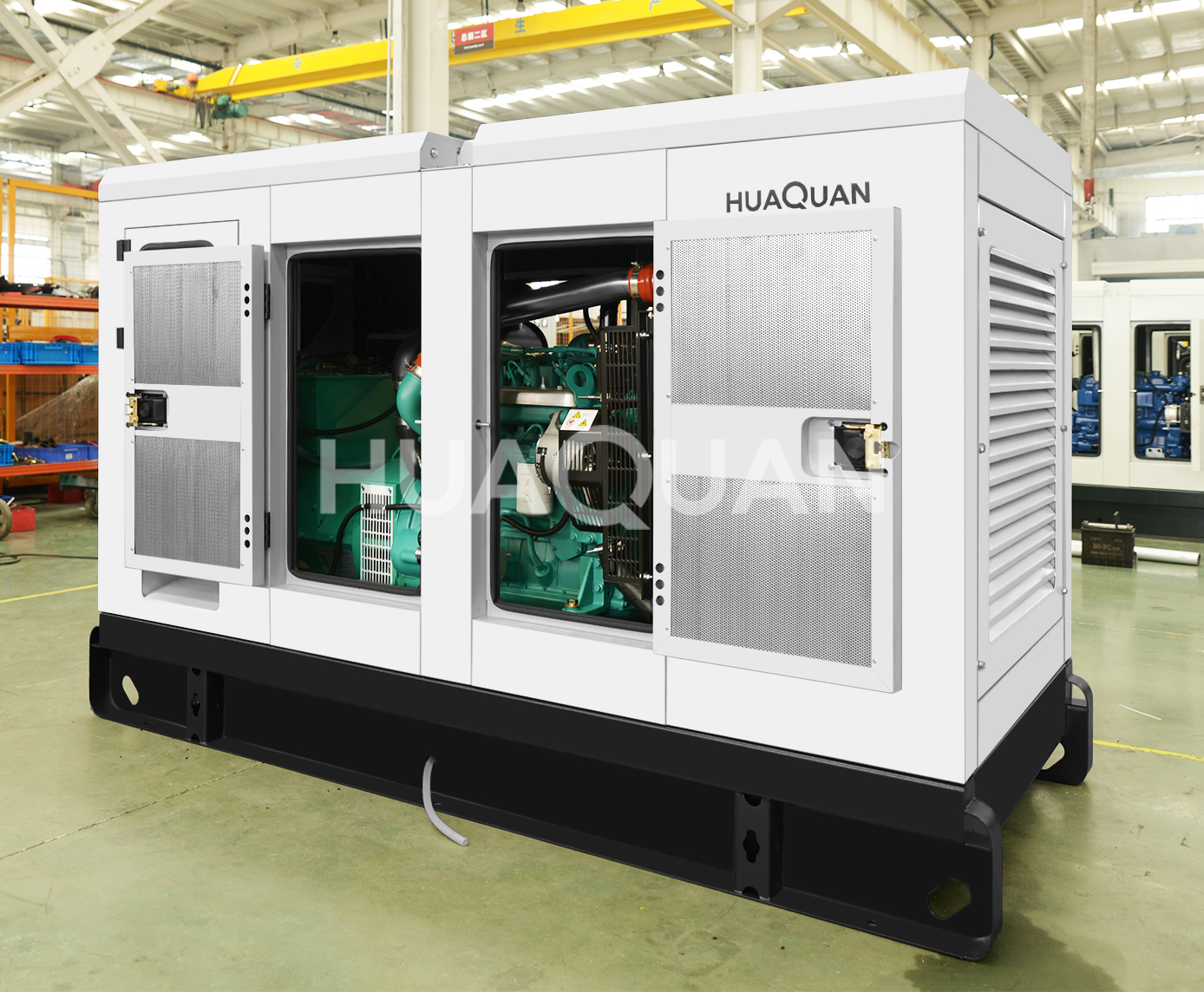
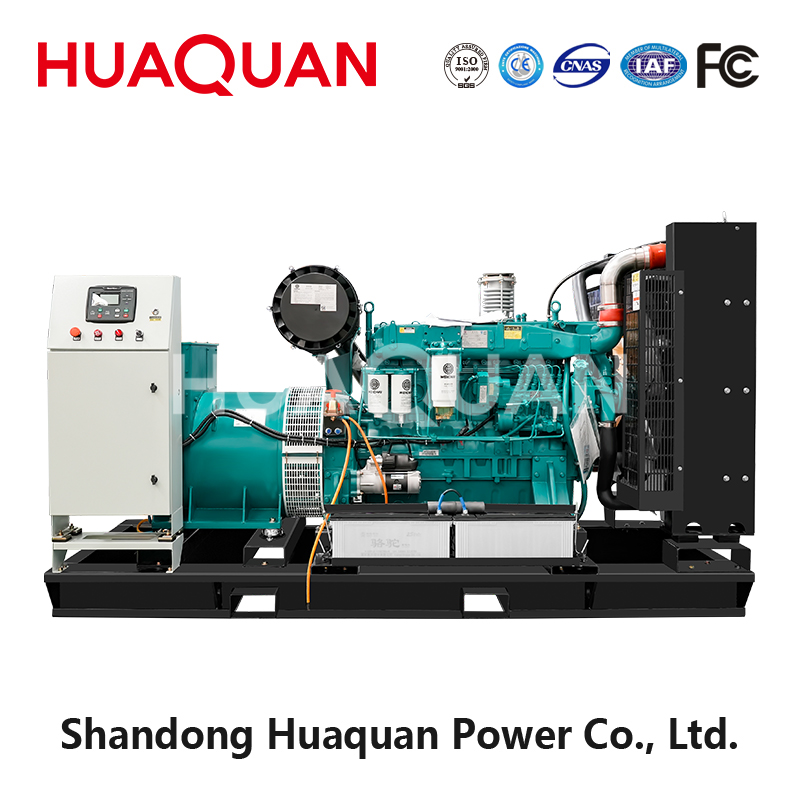
A Dieselgenerator that produces black smoke during starting is typically experiencing incomplete fuel combustion caused by either excessive fuel delivery relative to available air, restricted air intake from a dirty air filter, or incomplete atomization of fuel from worn or malfunctioning injectors. This black smoke — composed primarily of carbon (soot) particles — indicates that unburned fuel is passing through the combustion chamber and out the exhaust, and while brief black smoke during cold start can be normal, persistent black smoke at any temperature is a sign that the engine is operating rich and should be investigated promptly.
What Causes Black Smoke from a Diesel Generator Exhaust?
Black smoke from the exhaust of a Dieselgenerator is the visible result of incomplete combustion, where carbon atoms in the fuel combine with insufficient oxygen to form carbon dioxide and instead are emitted as solid carbon particles coated with partially burned hydrocarbons. Understanding the specific mechanism that causes this condition in your generator is the key to selecting the correct remediation approach.

The Chemistry of Black Smoke Formation
Diesel fuel combustion requires a precise ratio of fuel to air — approximately 1 part fuel to 15 parts air by mass for complete combustion. When this ratio shifts toward more fuel (A “rich” mixture), there is insufficient oxygen to fully oxidize all the carbon in the fuel. The result is carbon particles that form the visible black smoke. In einem Dieselgenerator Motor, this rich condition occurs when the fuel injection system delivers more fuel than the air intake system can supply at the current RPM and load condition. This is measured by the air-fuel ratio (AFR), with the stoichiometric ratio for diesel fuel being approximately 14.5:1 by mass.
Black Smoke vs. Other Smoke Colors — Quick Diagnosis
| Rauchfarbe | Primary Cause | System Involved | Severity |
|---|---|---|---|
| Black smoke | Excess fuel / insufficient air | Fuel injection, air intake | Moderate to High |
| White smoke | Unburned fuel (atomization failure) or coolant in combustion | Einspritzdüsen, head gasket | Moderate to Critical |
| Blue smoke | Engine oil entering combustion chamber | Kolbenringe, valve seals | Moderate to High |
| Grey smoke | Small amount of oil or partially combusted fuel | Minor leaks or worn components | Niedrig bis mittel |
What Are the Most Common Causes of Diesel Generator Black Smoke?
Several distinct mechanisms can cause black smoke in a Dieselgenerator, and identifying which one is active requires systematic inspection of the fuel system, air intake, and engine mechanical condition. The most frequently encountered causes, in approximate order of prevalence, are discussed below.
Clogged or Restricted Air Filter
A dirty air filter is the single most common and easily overlooked cause of black smoke in Dieselgenerator Motoren. As the air filter element accumulates dust and debris over time, it progressively restricts the airflow to the engine. The engine’s electronic control unit (ECU) or mechanical injection pump continues to meter fuel based on the expected air mass flow, but the restricted air supply means less oxygen is available for combustion. The result is consistent black smoke across all load conditions, not just during cold start. Replacing a restricted air filter can resolve black smoke within minutes and restore normal fuel efficiency.
Malfunctioning Fuel Injectors
Fuel injectors that are worn, clogged, or miscalibrated deliver fuel in an incorrect pattern — either too much fuel per injection event (“dribbling” Injektoren) or a poorly atomized spray pattern that does not mix properly with the incoming air. When injectors leak internally or spray a solid stream rather than a fine mist, large fuel droplets reach the combustion chamber and are too large to fully burn in the available time, creating black smoke. Injector fault codes on modern electronically controlled Dieselgenerator engines can pinpoint which cylinder is contributing to the smoke, while mechanical injectors require physical flow testing on a bench.

Turbocharger Failure or Boost Loss
Turbocharged Dieselgenerator engines rely on the turbocharger to force additional air into the combustion chamber under load. If the turbocharger’s compressor wheel is damaged, the turbine bearing is seized, or the wastegate is stuck open, the engine cannot receive the air volume needed for the fuel being injected. This creates a chronic rich condition that manifests as persistent black smoke particularly during acceleration and under load. A simple boost pressure test — connecting a pressure gauge to the intake manifold — can confirm whether the turbocharger is producing its rated boost; any reading more than 15% below specification indicates turbocharger performance degradation.
EGR Valve Carbon Buildup
Exhaust Gas Recirculation (EGR) Systeme, which are fitted to many modern Dieselgenerator engines to reduce NOx emissions, can develop carbon deposits that partially obstruct the EGR cooler or intake manifold passages. When the EGR valve sticks open or fails to close fully during cold start, it introduces exhaust gas (which contains no oxygen) into the intake charge, effectively reducing the oxygen available for combustion and creating black smoke. Regular use of high-quality diesel fuel with adequate detergent additives and periodic EGR cleaning can prevent this condition in Generatoren that operate on low-load cycles.
How to Diagnose Black Smoke Issues in Diesel Generator Engines?
A systematic diagnostic approach to black smoke in your Dieselgenerator begins with the simplest and most common causes first, then progressively examines more complex systems if the problem persists after initial corrections. This methodology saves time and prevents unnecessary parts replacement.
Diagnostic Sequence
Begin by inspecting the air filter element. Remove the filter and hold it up to a light source — if you can see light through most of the element, it is probably still serviceable; if the element is clogged with debris, replace it immediately. Nächste, perform a cylinder balance test on electronically controlled engines to identify if a specific injector is contributing disproportionately to the smoke. Dann, check the turbocharger boost pressure with a mechanical gauge. Endlich, if black smoke persists after these checks, perform an injector pop-test or send the injectors out for professional flow testing and cleaning.
Smoke Opacity Measurement
| Opacity Reading | Engine Condition | Wahrscheinliche Ursache | Required Action |
|---|---|---|---|
| 0–10% | Normal combustion | Keiner | Es sind keine Maßnahmen erforderlich |
| 10–20% | Acceptable with minor rich condition | Possible air restriction or cold enrichment | Check air filter, Monitor |
| 20–40% | Moderate black smoke problem | Injector issues, moderate boost loss | Inspect injectors, check turbo |
| 40–60% | Significant combustion problem | Multiple injectors, major air restriction | Full fuel system and air system inspection |
| >60% | Severe problem, emergency level | Major injector failure, blocked air intake | Do not operate — immediate repair required |
How to Fix and Prevent Diesel Generator Black Smoke?
Once the root cause of black smoke has been identified, specific remediation steps can correct the problem and restore efficient combustion in the Dieselgenerator. Preventive maintenance then prevents recurrence.
Air Filter Replacement Schedule
Replace the engine air filter according to the manufacturer’s recommendation, or more frequently in dusty environments. As a general guideline for Dieselgenerator Anwendungen, inspect the air filter at every oil change interval (typischerweise 250 Std.) and replace it if it appears discolored, saturated with oil, or if the restriction indicator on the air filter housing shows high restriction. A fresh air filter alone can reduce black smoke by 50% or more in generators that have been operating with a restricted filter.
Injector Service and Replacement Criteria
Fuel injectors in Dieselgenerator engines should be tested and serviced at intervals specified by the engine manufacturer — typically every 2,000–3,000 hours for mechanically injected engines. Injectors that show one or more of the following conditions should be rebuilt or replaced: spray pattern deviation of more than 10% from specification, flow rate variation of more than 5% between cylinders, internal leakage detectable by pop-test, or physical carbon buildup that cannot be removed by ultrasonic cleaning. High-quality replacement injectors from the OEM are always preferable to rebuilt units of uncertain quality for generator applications where reliability is critical.
Häufig gestellte Fragen
Is black smoke normal when starting a cold diesel generator?
Mild black smoke during the first 30–60 seconds of a cold start from a Dieselgenerator is generally considered normal and results from cold enrichment strategies in the engine’s fuel mapping. When the engine is cold, the ECU (oder mechanical governor) injects extra fuel to compensate for poor atomization and higher cylinder wall temperatures that cause fuel condensation. This rich cold-start mixture produces brief black smoke that typically clears as the engine warms to operating temperature. Jedoch, if black smoke persists for more than 2–3 minutes after start, or if it reappears during normal operation at any temperature, Die diesel generator black smoke condition is abnormal and should be investigated.
Can using low-quality diesel fuel cause black smoke?
Ja, low-quality diesel fuel is a direct cause of black smoke in Dieselgenerator Motoren. Fuels with high sulfur content, excessive wax precipitation at low temperatures, or inadequate cetane ratings ignite too slowly, leading to a long premixed combustion phase that produces excessive flame temperatures and soot. Zusätzlich, fuels with poor lubricity cause wear in the injection pump and injectors, which gradually degrades the fuel system’s ability to produce the fine atomization needed for complete combustion. Always use diesel fuel that meets the engine manufacturer’s fuel specification, and in areas where high-quality fuel is not available, add a fuel cetane booster and lubricity improver additive to mitigate diesel generator black smoke issues caused by poor fuel quality.
Does black smoke from a diesel generator damage the engine?
Persistent black smoke from a Dieselgenerator indicates wasted fuel and incomplete combustion, both of which cause operational and financial damage over time. Carbon deposits from black smoke accumulate on piston crowns, intake valves, and the turbocharger compressor wheel, reducing thermal efficiency and eventually causing mechanical interference. The unburned fuel also washes past the piston rings and dilutes the engine oil, reducing its lubricating ability and accelerating wear on bearings and cam lobes. While occasional brief black smoke during cold start is unlikely to cause immediate damage, chronic black smoke operation significantly accelerates internal engine wear and increases fuel consumption by 10–25%, making it an economically significant problem that should be addressed promptly.
What is the relationship between black smoke and fuel consumption?
Black smoke and fuel consumption are directly linked — every particle of carbon that exits the exhaust as black smoke represents unburned fuel that was purchased and consumed without producing useful work. A Dieselgenerator experiencing persistent black smoke from a misadjusted injector or restricted air filter typically consumes 15–30% more fuel than the same engine operating at peak efficiency with correct combustion. This translates directly to higher operating costs and increased exhaust emissions. In a generator running 8 Stunden pro Tag, A 20% fuel consumption increase from black smoke can represent hundreds of dollars per month in wasted fuel — more than enough to fund a complete fuel system service and injector replacement.
How do I reduce black smoke during diesel generator load application?
Black smoke during load application on a Dieselgenerator is most commonly caused by a load step that exceeds the engine’s ability to respond with adequate air (from the turbocharger) before the fuel system increases injection volume. To reduce this, apply large loads in staged steps rather than all at once — allow 30 seconds to 1 minute between increments to let the turbocharger spool up and build boost pressure before the next load step. On generators with programmable control systems, configure the load ramp rate to limit the rate of increase in fuel delivery. This staged loading technique allows the combustion process to keep pace with the increasing fuel quantity, preventing the transient rich condition that produces black smoke while preserving equipment lifespan.
Black smoke from a Dieselgenerator is a symptom of incomplete combustion that should never be ignored as merely cosmetic. By systematically diagnosing the air intake, fuel injection, and turbocharging systems, and by maintaining a regular service schedule for air filters and injectors, you can eliminate black smoke, reduce fuel consumption, and extend the service life of the engine.
For additional guidance on diesel generator fuel system maintenance and troubleshooting, explore the technical resource library on the Huaquan Power website covering fuel injection, Luftansaugsysteme, and engine performance optimization.