Title
Backup Natural Gas Generator and Backup Propane Generator
Meta Description
Compare backup natural gas vs propane generators for home and business use. Learn costs, runtime, safety, and benefits. Read now and choose wisely!

Introduction -H2
When the electrical outages occur, you need a stable and reliable power backup. You can use natural gas or Propane generators, as they both can keep your lights on. But which one is more fuel-efficient and works best? You will find a detailed comparison of backup natural gas generators and backup propane generators in this guide. So, you can choose the right option according to your needs.
What Is A Backup Natural Gas Generator? -H2
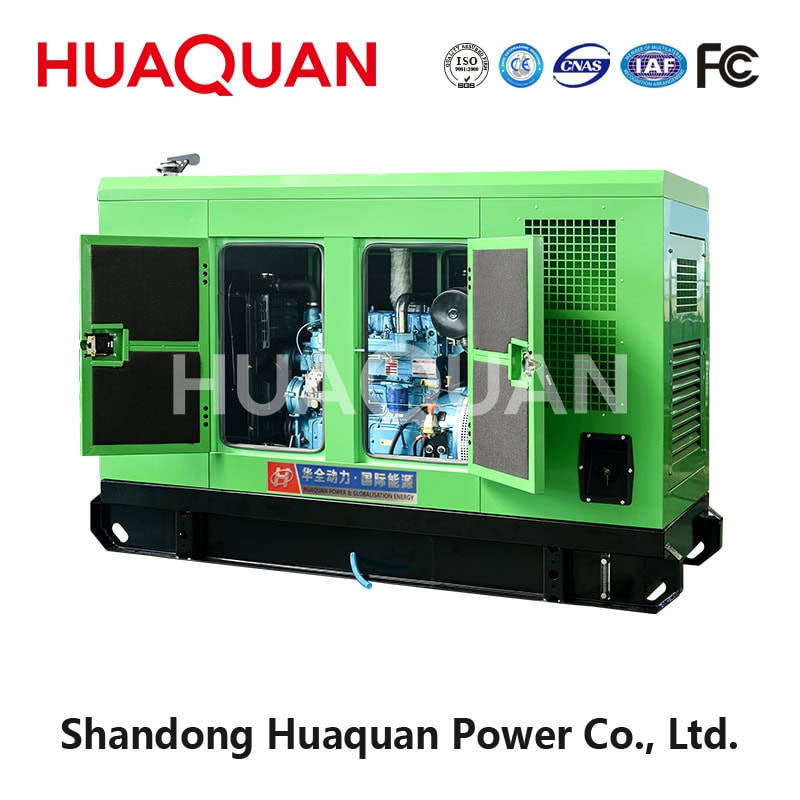
A backup natural gas generator is a standby power system that uses natural gas for working as a fuel. It connects directly to your home’s existing natural gas utility line.
Whenever the power shuts down, it will turn on automatically within seconds. So it will restore electricity. However, residential units of natural gas generators range from 7kW to 22kW while commercial models reach up to 150kW or higher.
What Is A Backup Propane Generator? -H2
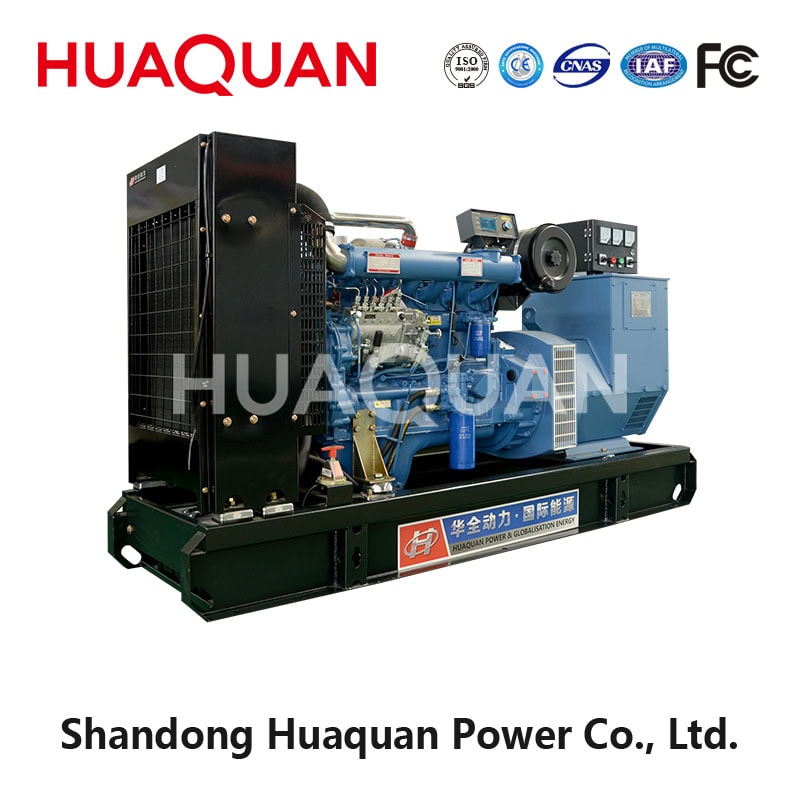
A backup propane generator uses liquified petroleum gas for fuel to provide electricity. This generator requires an on-site propane tank, which normally ranges between 100 and 1,000 gallons for home use.
Moreover, there are also different models with automatic transfer switches and manual startup controls. You can choose anyone of your choice. However, for commercial installation, you may need larger tanks that exceed 1,000 gallons to run for an extended time.
Fuel Availability and Accessibility of Gas and Propane Generator -H2
Here is a detailed fuel availability comparison of both generators. Natural gas flows continuously through underground utility lines in urban and suburban areas. You don’t need to worry about running out of fuel during a longtime electrical outage. Because you get a continuous fuel supply without refilling. Moreover, the natural gas availability also depends on the local gas structure.
On the other hand, propane gas generators are stored in propane tanks. You have to manually control fuel storage and refills. These types of generators are useful in rural and off-grid areas.

Installation Requirements for Gas and Propane Generator -H2
To install a natural gas generator, you need a professional to connect your generator to the gas pipeline. Moreover, before installation, you need permits and inspections. The normal installation cost ranges from $3,000 to $7,000, and the process usually takes 3–4 days.
After installation, the generator cannot be removed or relocated easily because it is fixed to the gas line. Gas line upgrades may also be required to meet the generator’s fuel demand.
To install a propane generator, you must first install a propane tank. The tank should be placed 10–25 feet away from the main building for safety. The total installation cost ranges from $4,000 to $8,000, including the tank and setup.
Propane delivery trucks also need clear access for refilling. However, you can easily move both the generator and the tank if needed in the future.
Runtime and Fuel Storage of Gas and Propane Generator -H2
The backup natural gas generator runs continuously as long as the gas supply remains available. You do not need to store fuel, which makes the operation easier and stress-free.
These generators perform reliably during extended power outages without requiring any refueling. This makes natural gas generators suitable for long-term backup power. You also do not need to monitor fuel levels during operation.
On the other hand, the runtime of a propane generator depends on the size of the tank. A 500-gallon propane tank can run the generator for about 60–80 hours at full load.
Larger tanks can extend the runtime further. However, you must monitor fuel usage and arrange refills when the tank level drops. Running out of propane can interrupt power until fuel is delivered.
Maintenance and Longevity of Both Generator -H2
In comparison of maintenance and longevity, both generators work almost the same. You need to service a natural gas generator after every 200-400 hours of work or annually.
The oil, filters, and spark plugs need to be checked regularly for proper working. The maintenance cost of a gas generator is around $200-$400 per year. If you take care of it properly, then it will last for around 15-20 years with proper care.
The service schedule of propane generators also matches with the natural gas. You need to service it after every 200-400 hours. However, its maintenance cost is more than that of natural gas generators, which is $250- $450 per year.
Some essential parts of a propane generator, like fuel filters and regulators, must be replaced every 2-3 years. These generators can also last for 15-20 years with proper care.
Environmental Impact of Natural Gas and Propane Generator -H2
Natural gas generator burns cleaner than gasoline or diesel. Moreover, it only emits about 117 pounds of CO2 per million BTUs. However, it produces lower emissions, but methane leaks during extraction.
This methane leak causes real concerns. Moreover, if we store natural gas, it will not cause any risk of soil contamination.
Propane generators burn propane very cleanly with minimal particles. It emits around 139 pounds of CO2 per million BTUs. All this makes the propane generator non-toxic and safe for soil and water.
Safety Considerations of Both Generators -H2
Natural gas is lighter than air, which is why leaks rise and disperse quickly. However, the Odorants in the gas will help you detect leaks immediately. These generators have Automatic shut-off valves, which stop gas flow during emergency situations.
On the other hand, propane is heavier than air and can accumulate in low areas, which makes it essential to use leak detectors. The tanks of generators also have overfill protection and pressure relief valves, which prevent accidents.
Moreover, you should keep tanks at a safe distance from the buildings and inspect them every 5-10years to ensure full safety.
Conclusion -H2
Both backup natural gas generators and backup propane generators provide a reliable emergency power system. Natural gas provides unlimited fuel through gas pipelines, while propane generators provide full independence.
You can use them in rural and remote areas. You can choose a generator based on your needs, like location, field access and runtime needs. Huaquan offers quality generators in both fuel types for your backup operation solution.