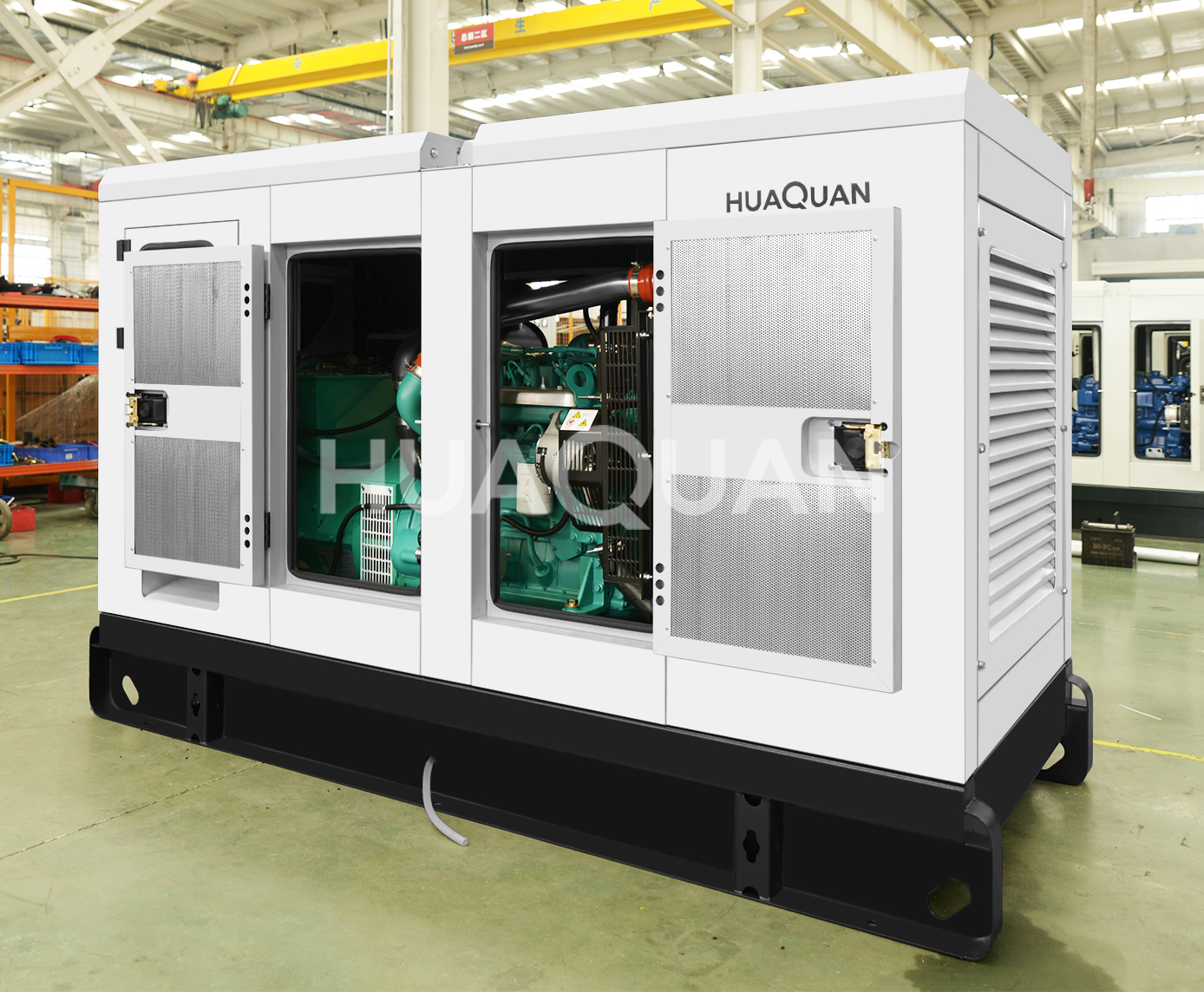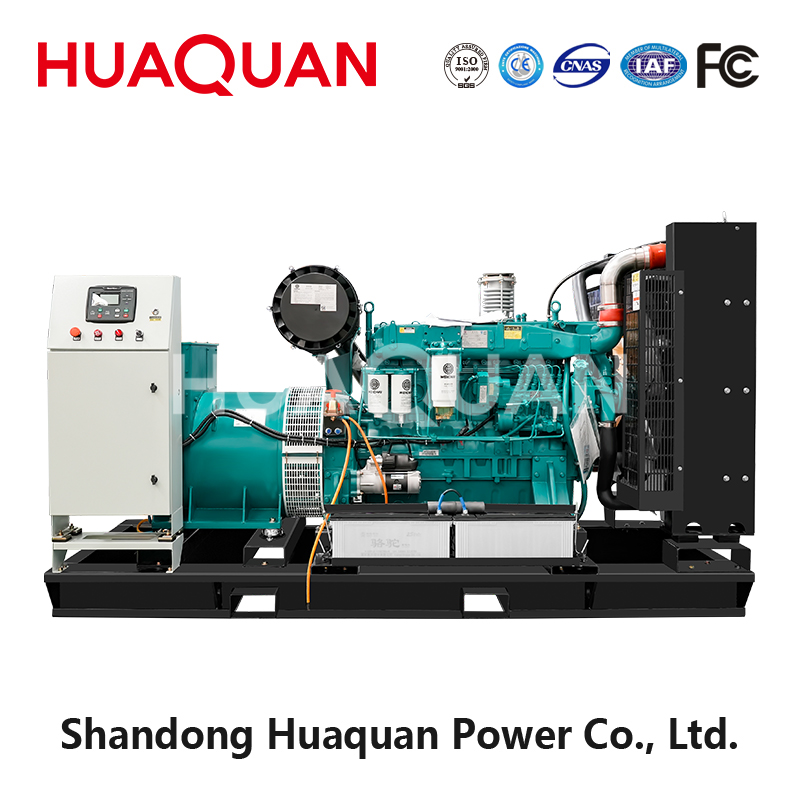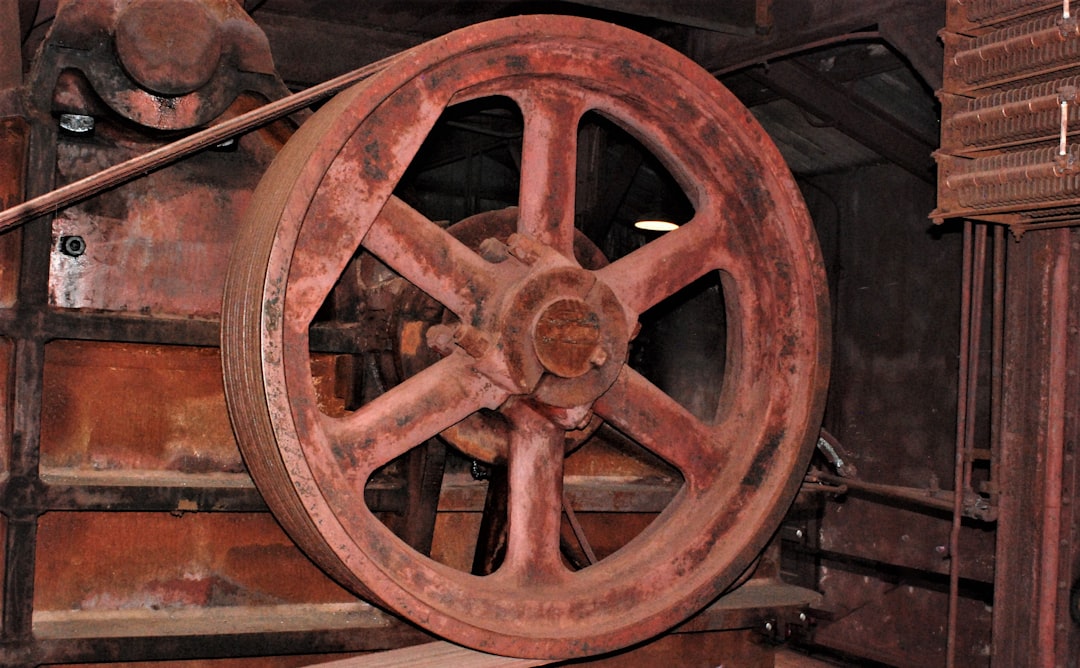
The belt tension specification for مولد الديزل alternator drive systems ensures proper power transmission between the engine crankshaft and the alternator without excessive bearing loads or belt slippage. Huaquan Power has compiled this guide covering belt tension specifications, adjustment methods, and maintenance practices for reliable generator operation.
What Is the Correct Belt Tension for Diesel Generator Alternators?
Correct belt tension must balance two opposing requirements: sufficient tension to prevent slippage under load and low enough tension to avoid excessive bearing loads. بالإضافة إلى, both under-tensioned and over-tensioned belts cause specific failure modes that reduce موثوقية المولد. خاصة, Huaquan Power specifies belt tension values for each generator model based on belt type, section, and drive configuration. بالإضافة إلى ذلك, properly tensioned belts typically deliver 10,000-15,000 hours of service life.
Tension Specifications by Belt Type
Different belt cross-sections require different tension levels to function correctly. بالإضافة إلى, modern مولدات increasingly use poly-V belts instead of traditional V-belts for improved efficiency and longer service life. لذلك, Huaquan Power selects belt types based on the power transmission requirements and service conditions of each generator model. علاوة على ذلك, mixing belt types or using non-standard replacements causes premature failure.
| Belt Type | Section | Deflection Force (ن) | Deflection per 100mm Span |
|---|---|---|---|
| Classical V-belt | أ | 20-30 | 1.5-2.0 مم |
| Classical V-belt | ب | 30-45 | 1.5-2.0 مم |
| Narrow V-belt | 3V | 25-40 | 1.2-1.8 مم |
| Narrow V-belt | 5V | 45-70 | 1.2-1.8 مم |
| Poly-V belt | PK | Varies by ribs | 1.0-1.5 مم |
How Do You Measure Belt Tension Correctly?
Accurate belt tension measurement requires the proper tools and technique to obtain reliable readings. بالإضافة إلى, two primary methods exist: deflection measurement and frequency measurement, each suited to different precision requirements. لذلك, Huaquan Power recommends frequency-based measurement for critical installations where precise tension control matters. بالإضافة إلى ذلك, always measure belt tension with the engine stopped and at ambient temperature for consistent results.
Deflection Method for Belt Tension
The deflection method applies a specified force at the midpoint of the belt span and measures how far the belt deflects. بالإضافة إلى, this method requires only a ruler and a spring scale, making it accessible for field use. بالتالي, Huaquan Power includes deflection specifications in every generator operation manual for convenient field adjustment. على سبيل المثال, a new B-section V-belt with a 500mm span should deflect approximately 7.5-10mm under 35N force.
| خطوة | فعل | Tool Required | معايير القبول |
|---|---|---|---|
| 1. Measure span | Distance between pulley tangency points | Steel ruler | Record span length |
| 2. Calculate target deflection | Span/100 × deflection per 100mm | آلة حاسبة | Match belt spec |
| 3. Apply force | Press spring scale at midpoint | Spring scale | Specified force value |
| 4. Read deflection | Measure belt displacement | Ruler | Within ±10% of target |
| 5. Adjust if needed | Move alternator on mounting | Wrench | Recheck after adjustment |
Frequency Method for Precision Tension
The frequency method measures the natural vibration frequency of the belt span, which correlates directly to tension. بالإضافة إلى, this method provides more precise and repeatable measurements than the deflection method. لذلك, Huaquan Power uses frequency measurement during factory assembly and recommends it for critical installations. بالإضافة إلى ذلك, many modern belt tension gauges combine both methods for comprehensive measurement capability.
| Belt Span Length (مم) | Target Frequency (هرتز) – New Belt | Target Frequency (هرتز) – Used Belt | Belt Mass per Meter |
|---|---|---|---|
| 300 | 85-95 | 70-80 | 0.12 kg/m (A-section) |
| 500 | 60-70 | 50-60 | 0.12 kg/m (A-section) |
| 500 | 55-65 | 45-55 | 0.18 kg/m (B-section) |
| 700 | 45-55 | 38-48 | 0.18 kg/m (B-section) |
| 800 | 40-50 | 33-43 | 0.20 kg/m (5V-section) |
What Problems Result From Incorrect Belt Tension?
Both under-tensioning and over-tensioning create specific problems that reduce belt life, تحمل الحياة, and generator reliability. بالإضافة إلى, these problems often develop gradually, making them difficult to detect until significant damage occurs. لذلك, Huaquan Power includes belt tension checks in every scheduled maintenance interval. بالإضافة إلى ذلك, understanding the symptoms of incorrect tension helps operators identify problems early.
Under-Tensioned Belt Problems
Insufficient belt tension allows the belt to slip on the pulleys under load. بالإضافة إلى, even momentary slippage generates heat that hardens the belt surface, creating a vicious cycle of increasing slippage. بالتالي, the alternator may not charge the battery properly or may fail to provide excitation current at low engine speeds. علاوة على ذلك, Huaquan Power warns that belt slippage at full load can cause voltage fluctuations that damage connected equipment.
Over-Tensioned Belt Problems
Excessive belt tension overloads the alternator front bearing and the engine crankshaft main bearing. بالإضافة إلى, the resulting bearing wear creates shaft misalignment that accelerates belt wear in a progressive failure pattern. بالإضافة إلى ذلك, over-tensioned belts generate more heat from internal friction, shortening belt life by 30-50%. لذلك, Huaquan Power emphasizes using calibrated tension measurement rather than subjective feel when adjusting belt tension.
| حالة | Immediate Symptom | Long-term Consequence | الإجراء التصحيحي |
|---|---|---|---|
| Under-tensioned | Squealing on startup | Groove wear, belt glazing | Increase tension to spec |
| Under-tensioned | تقلب الجهد | Battery undercharge | Check and adjust tension |
| Over-tensioned | Bearing noise | Premature bearing failure | Reduce tension to spec |
| Over-tensioned | Excessive belt heat | Cracking and breakage | Reduce tension, inspect belt |
How Often Should Belt Tension Be Checked and Adjusted?
New belts stretch during their first 24-48 ساعات العمل, requiring retensioning after the initial break-in period. بالإضافة إلى, belts continue to stretch gradually throughout their service life, albeit at a decreasing rate. لذلك, Huaquan Power recommends checking belt tension at regular intervals and adjusting as needed. بالإضافة إلى ذلك, environmental factors such as temperature extremes and oil contamination accelerate belt degradation and necessitate more frequent inspection.
| الفاصل الزمني للصيانة | فعل | ملحوظات |
|---|---|---|
| After first 24-48 ساعات | Retension new belt | Critical for new belt life |
| كل 250 ساعات | التفتيش البصري | Check for cracks, glazing, زيت |
| كل 500 ساعات | Measure and adjust tension | Use calibrated gauge |
| كل 2000 ساعات | Replace belt | Or at first sign of cracking |
| After any engine work | Verify tension | Recheck after disturbance |
الأسئلة المتداولة
س1: How do I know if my generator belt tension is correct?
A1: Measure belt tension using a calibrated gauge or the deflection method described in the Huaquan Power operation manual. بالإضافة إلى, the belt should deflect the specified amount under the specified force at the midpoint of the span. بالإضافة إلى ذلك, a properly tensioned belt runs quietly without squealing and maintains stable voltage output under load changes.
Q2: Can I use a generic replacement belt for my generator?
A2: Huaquan Power strongly recommends using OEM-specified belts to ensure correct dimensions, material composition, and load rating. بالإضافة إلى, generic belts may have different construction or materials that alter tension requirements and service life. لذلك, always verify replacement belt specifications match the original exactly before installation.
س3: Why does my new belt keep coming loose?
A3: New belts undergo initial stretching during the first 24-48 ساعات العمل. بالإضافة إلى, failure to retension after this break-in period results in a loose belt that appears defective. لذلك, Huaquan Power recommends checking and adjusting new belt tension after 24 ساعات, 100 ساعات, و 250 ساعات العمل.
س 4: What causes belt squealing on my diesel generator?
A4: Belt squealing most commonly results from insufficient tension, glazed belt surfaces, or contaminated pulleys. بالإضافة إلى, moisture on the belt during rainy or humid conditions can cause temporary squealing. بالإضافة إلى ذلك, worn pulley grooves reduce belt grip and cause slippage regardless of tension. لذلك, Huaquan Power recommends inspecting both the belt and pulleys when squealing occurs.
س5: Should I apply belt dressing to stop squealing?
A5: لا, belt dressing is a temporary fix that actually accelerates belt deterioration and masks the underlying problem. بالإضافة إلى, the correct solution is to identify and resolve the root cause, whether that involves adjusting tension, replacing a worn belt, or cleaning contaminated pulleys. لذلك, Huaquan Power advises against using belt dressing on generator drive systems.
Huaquan Power Recommendations: Always use calibrated tools to measure belt tension rather than relying on subjective feel. بالإضافة إلى ذلك, retension new belts after the initial break-in period of 24-48 ساعات. بالإضافة إلى, replace belts proactively at recommended intervals rather than waiting for failure. Contact Huaquan Power at +86-159-0536-0210 or visit huaquanpower.net for belt maintenance services and OEM replacement parts.