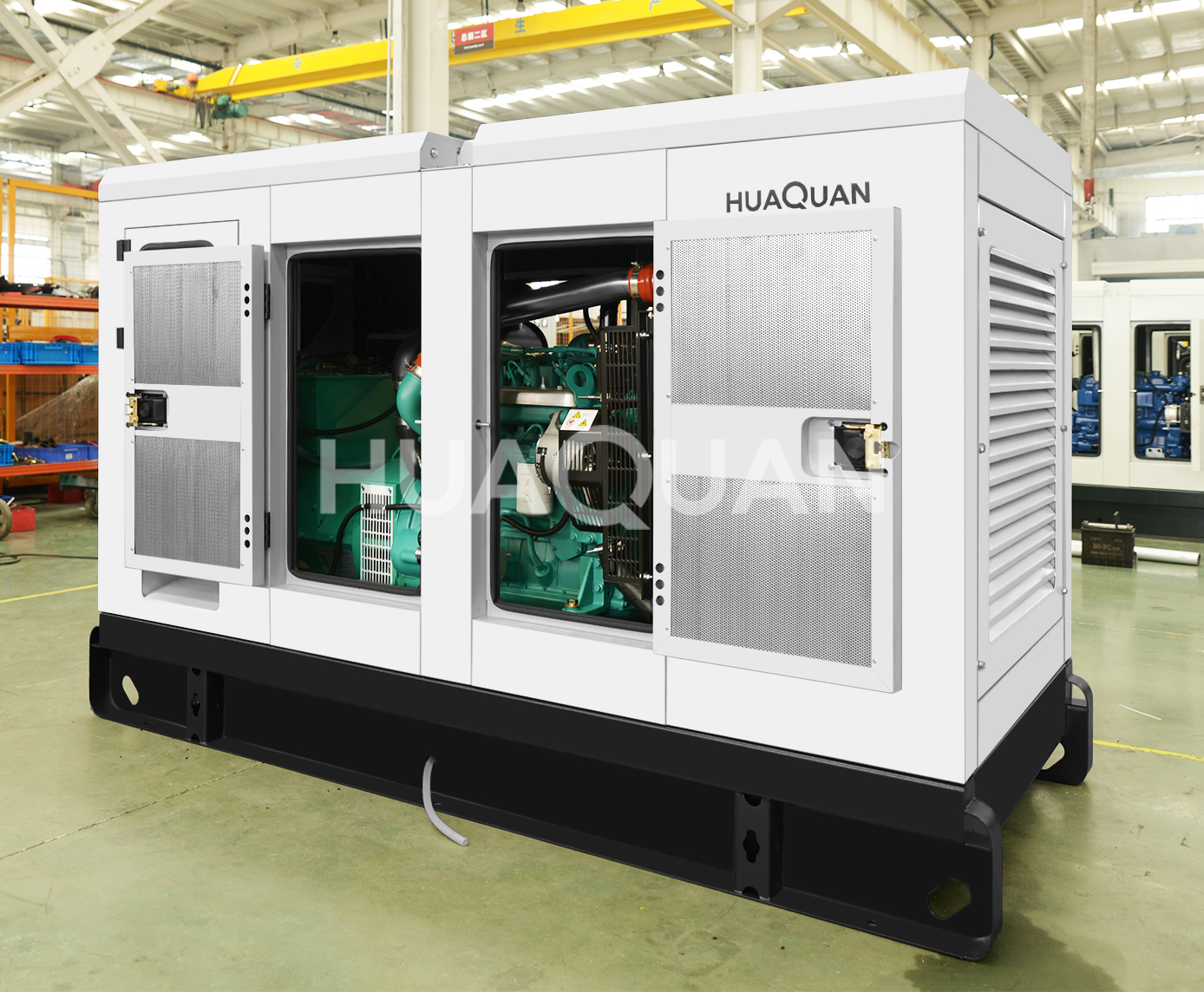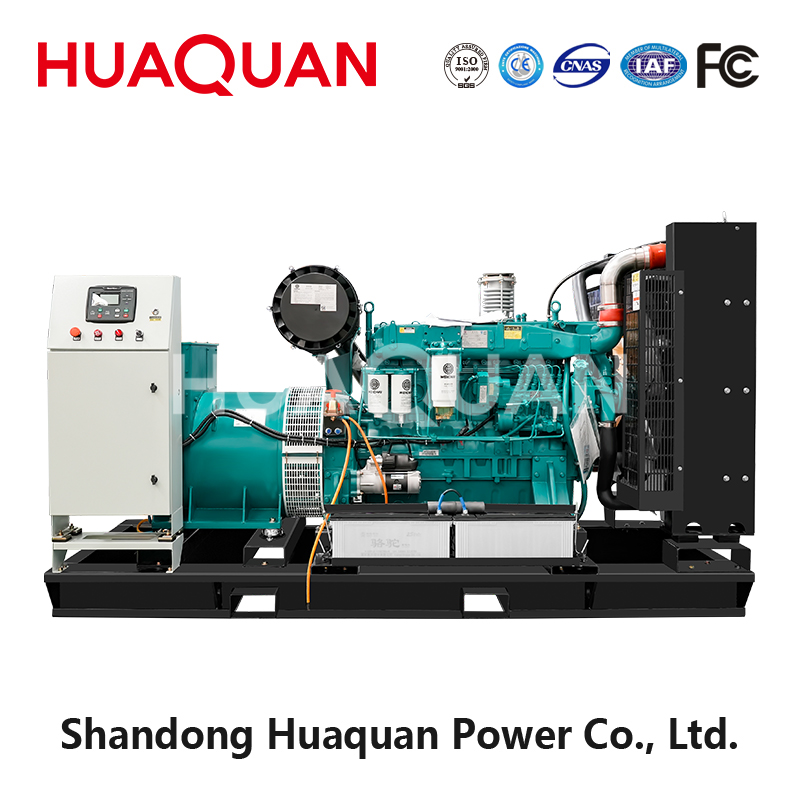
أ مولد الديزل overheat condition occurs when the engine coolant temperature exceeds the normal operating range of 82-95°C (180-203درجة فهرنهايت), potentially causing cylinder head warping, gasket failure, and catastrophic engine damage if not addressed promptly. The most common causes include coolant loss, منع تدفق الهواء, overloaded operation, and thermostat failure, each requiring specific diagnostic and repair procedures to resolve.
What Temperature Is Considered Overheating?
كل مولد الديزل has a normal operating temperature range specified by the manufacturer, typically between 82°C and 95°C for the coolant. When coolant temperature exceeds 105°C (221درجة فهرنهايت), the engine enters an overheat condition that risks damaging cylinder head gaskets, warping aluminum components, and causing piston scuffing. Most generator controllers are programmed to trigger a high-temperature alarm at 100-105°C and initiate an automatic shutdown at 110-115°C to prevent catastrophic failure.
Temperature Thresholds
| Temperature Range | حالة | Required Action |
|---|---|---|
| 82–95°C (180–203°F) | طبيعي | No action needed |
| 95–100°C (203–212°F) | Elevated | Monitor closely |
| 100–105°C (212–221°F) | تحذير | Reduce load, investigate |
| 105–110°C (221–230°F) | Overheat alarm | Shut down if possible |
| Above 110°C (230درجة فهرنهايت) | شديد الأهمية | Emergency shutdown |
Why Does Coolant Loss Cause Overheating?
Coolant is the primary heat transfer medium in a مولد الديزل نظام التبريد, and insufficient coolant level directly reduces the system’s ability to absorb and dissipate engine heat. Coolant loss can result from external leaks at hose connections, radiator seams, or water pump seals, as well as internal leaks through a failed head gasket into the combustion chamber or oil gallery. Even a 10% reduction in coolant volume significantly impairs heat transfer, causing rapid temperature escalation under load.
Common Coolant Leak Points
| Leak Location | أعراض | Repair Difficulty |
|---|---|---|
| Radiator seams | Coolant puddle under front | معتدل |
| Hose connections | Wet clamps, dripping | Easy |
| Water pump weep hole | Staining below pump | معتدل |
| Head gasket | White exhaust, oil milky | Difficult |
| Expansion tank cap | Pressure loss, boiling | Easy |
| Core plugs (freeze plugs) | Rust streaks on block | معتدل |
How Does Blocked Airflow Cause Diesel Generator Overheat?
The radiator relies on a steady flow of ambient air across its fins to transfer heat from the coolant to the atmosphere. When airflow is restricted by debris, damaged fan blades, or improper installation clearances, the radiator cannot dissipate sufficient heat, causing a diesel generator overheat condition. In generator rooms, inadequate ventilation is a frequent culprit: the room must supply enough fresh air for both combustion and cooling, while also providing an exit path for heated air.
Airflow Requirements for Generator Rooms
| حجم المولد | Combustion Air (m³/min) | Cooling Air (m³/min) | Ventilation Opening (m²) |
|---|---|---|---|
| 50 كيلوواط | 5 | 50 | 0.5 |
| 100 كيلوواط | 10 | 100 | 1.0 |
| 250 كيلوواط | 25 | 250 | 2.5 |
| 500 كيلوواط | 50 | 500 | 5.0 |
Can Overloading Cause Generator Overheating?
Operating a مولد الديزل beyond its rated capacity forces the engine to produce more power than its cooling system was designed to dissipate. The additional fuel burned under overload conditions generates excess heat that overwhelms the radiator’s capacity. Even brief overloads—such as starting large motors without proper load sequencing—can cause rapid temperature spikes. Continuous overload above 110% of rated capacity will inevitably trigger a diesel generator overheat alarm and should be avoided by implementing proper load management strategies.
What Role Does the Thermostat Play in Overheating?
The thermostat regulates coolant flow to maintain optimal engine temperature. When the engine is cold, the thermostat remains closed, directing coolant through a bypass circuit for rapid warm-up. Once operating temperature is reached, the thermostat opens to allow coolant flow through the radiator. A stuck-closed thermostat prevents coolant from reaching the radiator, causing rapid diesel generator overheat even with adequate coolant levels and airflow. على العكس من ذلك, a stuck-open thermostat prevents the engine from reaching operating temperature, reducing combustion efficiency and increasing wear.
Thermostat Failure Diagnosis
| Thermostat State | أعراض | Verification Method |
|---|---|---|
| Stuck closed | Rapid overheat, cold radiator | Touch upper vs lower hose |
| Stuck open | Slow warm-up, low temp | Infrared thermometer |
| Opening too late | Intermittent overheat | Hot water bath test |
| Partial restriction | High temp under load only | Flow test with removed stat |
How to Fix a Diesel Generator Overheat Problem?
Resolving a diesel generator overheat requires systematic diagnosis starting with the simplest and most common causes. أولاً, check the coolant level in the expansion tank and radiator when the engine is cold. Second, inspect the radiator fins for debris and clean them with compressed air or low-pressure water from the engine side outward. Third, verify the fan belt tension and condition. Fourth, test the thermostat by removing it and placing it in hot water to observe the opening temperature. Fifth, check the water pump for leaks and verify impeller rotation. أخيراً, if all external components are functioning, consider internal issues such as a clogged radiator core or eroded cylinder liner seals.
Troubleshooting Priority Order
| خطوة | يفحص | Time Required | Common Fix |
|---|---|---|---|
| 1 | مستوى سائل التبريد | 2 دقائق | Top up and find leak |
| 2 | Radiator airflow | 5 دقائق | Clean debris |
| 3 | Fan belt tension | 3 دقائق | Adjust or replace |
| 4 | Thermostat operation | 30 دقائق | Replace thermostat |
| 5 | Water pump function | 1 ساعة | Replace pump |
| 6 | Radiator core flow | 2 ساعات | Rod out or replace |
| 7 | Internal engine check | 4+ ساعات | Head gasket, liner seals |
التعليمات
What should I do if my diesel generator is overheating?
Can I use water instead of coolant in an emergency?
Why does my generator overheat only under heavy load?
How do I know if my thermostat is stuck closed?
How often should I flush my generator cooling system?
For more information on engine cooling systems, يزور Wikipedia’s engine cooling article, or explore Huaquan Power diesel generators و our generator maintenance guide.