Many gasoline مولدات can be converted to run on propane through a carburetor conversion kit. The conversion involves replacing or modifying the carburetor to accept gaseous fuel instead of liquid fuel, and adding a propane regulator to reduce tank pressure from 100–200 psi down to 11 inches of water column (0.4 رطل لكل بوصة مربعة) for the carburetor. The conversion costs $50–$200 for the kit and takes 30–60 minutes for a competent DIYer — but it may void the manufacturer’s warranty.
How the Conversion Works
The standard carburetor on a gasoline generator mixes air with liquid fuel drawn from the fuel tank. For propane, you need a gas-phase mixer that replaces or sits between the air filter and carburetor. The mixer introduces propane vapor into the intake airstream — the generator’s engine runs on propane vapor just as it runs on gasoline vapor (which is what it already does internally — the carburetor vaporizes liquid gasoline before combustion).
The conversion kit typically includes:
- Propane mixer/venturi — replaces or mounts above the carburetor (specific to engine displacement: 80cc, 196cc, 212cc, 420cc are common sizes)
- Demand regulator — senses intake vacuum and meters propane flow accordingly
- High-pressure hose — rated for propane service, with ¼” POL fitting (standard BBQ tank connector)
- Adapter fittings — for connecting to carburetor and engine
تغيير انتاج الطاقة: Gasoline vs. البروبان
| المعلمة | الغازولين | البروبان (after conversion) | % يتغير |
|---|---|---|---|
| Rated power output | 7,500W rated | ~6,300W (الغاز الطبيعي) / ~6,750W (البروبان) | −10% to −16% |
| Peak power (طفرة) | 9,375دبليو | ~7,800W | −17% |
| استهلاك الوقود عند 50% حمولة | 0.55 gal/hr gasoline | 1.0 gal/hr propane | +82% (volume) |
| درجة حرارة المحرك | خط الأساس | ~15% cooler running | Cooler |
| Valve life | خط الأساس | ~30% longer (less carbon deposit) | Better |
| الفاصل الزمني للصيانة | 50 ساعات (تغيير الزيت) | 100 ساعات (cleaner oil stays cleaner) | 2× أطول |
Power reduction occurs because propane has lower BTU content per volume of air-fuel mixture than gasoline. The engine’s displacement is fixed, so the maximum energy released per combustion cycle decreases.
Conversion Cost-Benefit Analysis
| عامل | Remain Gasoline | Convert to Propane |
|---|---|---|
| Conversion kit + منظم | $0 | $80–$200 |
| Fuel cost per year (20 hrs at 50% حمولة) | $26 (gasoline at $3.25/gal, 0.55 gal/hr) | $50 (propane at $2.50/gal, 1.0 gal/hr) |
| تخزين الوقود | Gas cans (degrades in 3–6 months) | 20–100 lb propane tanks (indefinite shelf life) |
| سنة 1 total cost | $26 | $130–$250 |
| سنة 5 total cost (100 ساعة) | $130 | $250–$450 (conversion amortized) |
| Break-even point | — | Never (propane costs more to run) |
Propane conversion does not save money on fuel. It costs more per hour to run. The value proposition is convenience: propane doesn’t degrade, doesn’t spill, can be stored for years, and eliminates carburetor cleaning from ethanol-gum buildup. Users who run their generator fewer than 50 hours per year and store it for months between uses are the primary beneficiaries.
Warranty and Compliance Concerns
Most manufacturers (هوندا, جينيراك, ياماها) explicitly state that aftermarket conversion voids the warranty. Some brands (Champion, Westinghouse, DuroMax) sell dual-fuel models from the factory — buy those instead if you want factory warranty coverage for both fuels. Aftermarket conversion also affects EPA and CARB emissions certification — converting a legally certified generator to a fuel it wasn’t certified for is technically a violation, though enforcement for personal use is rare.
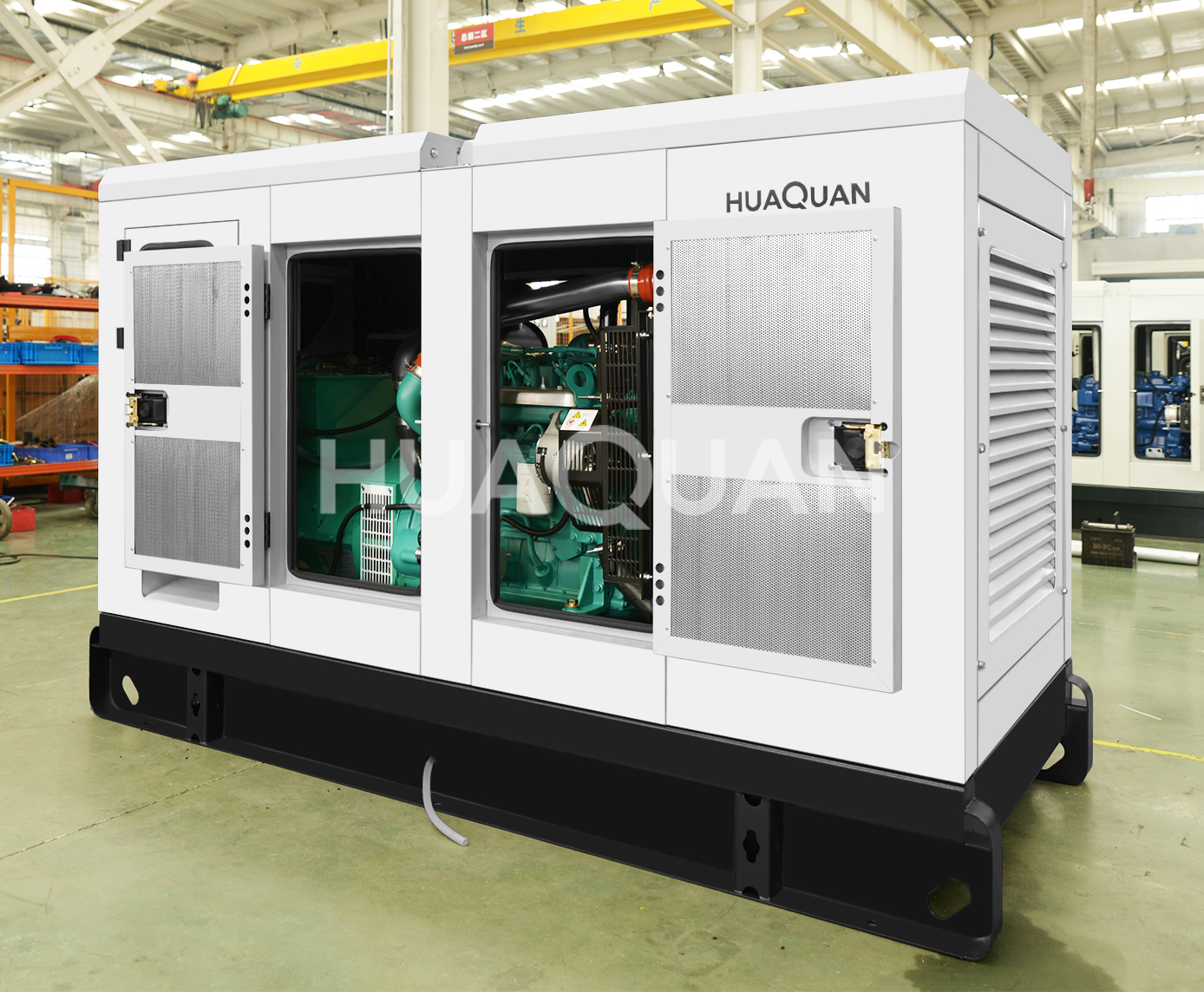
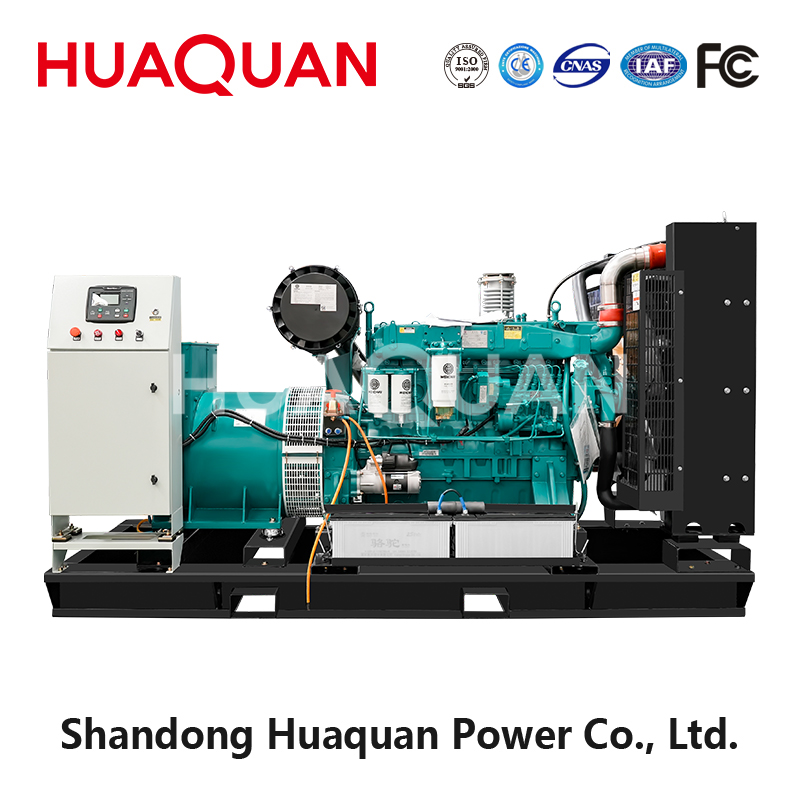
For a factory-engineered dual-fuel experience with full warranty coverage, Huaquan Power’s industrial diesel generators do not require conversions — each unit is factory-specified for diesel, with optional bi-fuel natural gas injection kits available for 100 kW+ models.