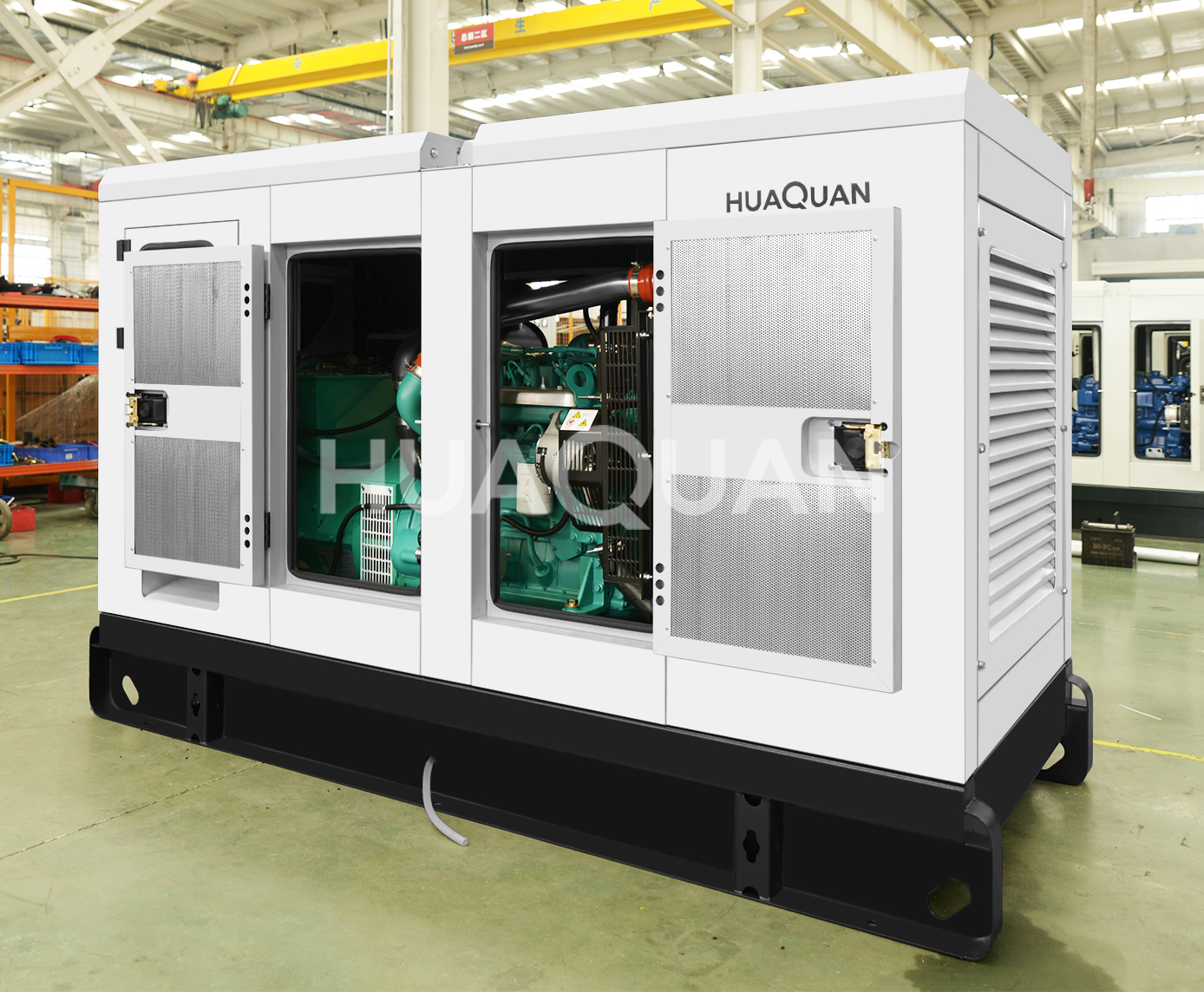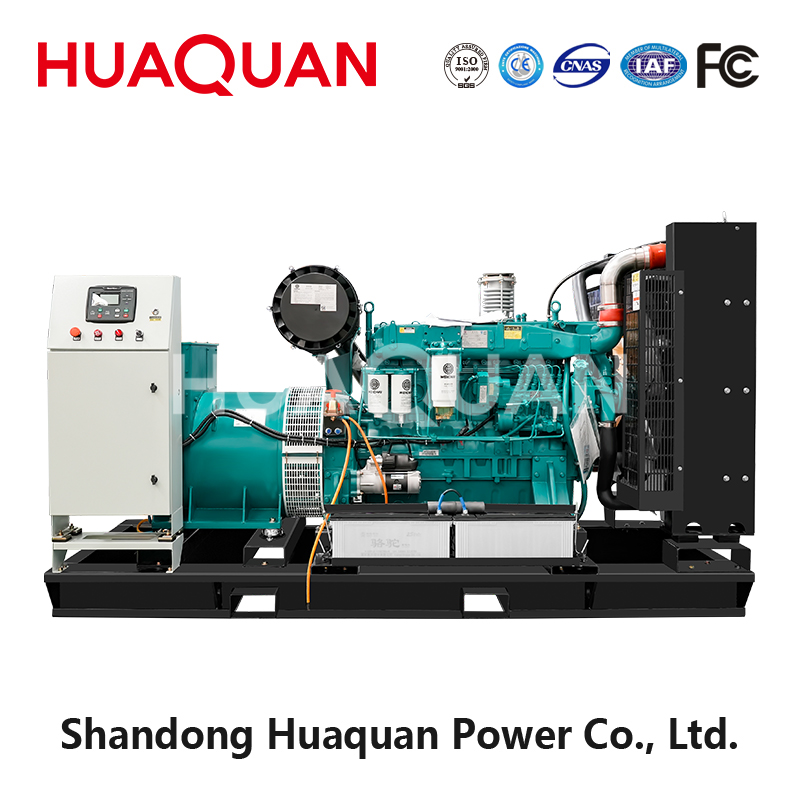
Choosing between a solar generator and a Gas kragopwekker isn’t about which is “beter” — it’s about which matches your specific power needs, runtime requirements, en bedryfstoestande. This comprehensive comparison breaks down the real costs, performance data, and use-case scenarios to help you make the right decision.
Quick Answer: Which Generator Type Is Right for You?
Choose a solar generator (battery power station) if: You need quiet, emission-free power for devices under 1,500W — phone charging, skootrekenaars, CPAP machines, LED ligte, or small appliances during short outages (2-12 ure).
Choose a gas generator if: You need to run refrigerators, well pumps, power tools, RV air conditioners, or any load above 1,500W for extended periods (8+ ure), or during multi-day outages.
Key difference: Sonkrag Kragopwekkers store energy in batteries (limited capacity), while gas generators produce energy on-demand (unlimited with fuel supply).
Kop-aan-kop vergelyking: Complete Technical Data
| Faktor | Solar Generator (Battery Station) | Gas kragopwekker |
|---|---|---|
| Vooraf koste | $500-$5,000 | $300-$2,000 |
| Runtime per Charge/Tank | 2-12 ure (battery-dependent) | 8-12 hours per tank; unlimited with fuel |
| Recharge/Refuel Time | 6-14h via solar; 2-4h via AC outlet | 5 minutes to refuel |
| Geraasvlak | Stil (0 dB) | 55-80 dB depending on type |
| Emissies | Zero — safe for indoor use | Carbon monoxide — outdoor use ONLY |
| Continuous Power Output | 300-3,000W | 1,000-10,000W+ |
| Starting Surge Capacity | Limited by inverter (1.5-2×) | Motor surge capability (2-5×) |
| Gewig | 10-50 lbs (4.5-23 kg) | 50-250 lbs (23-113 kg) |
| Expected Lifespan | 500-3,000 siklusse (3-10 jare) | 1,000-5,000+ ure (10-30 jare) |
| Fuel Cost (per kWh) | $0 (sunlight is free) | $0.15-$0.30 per kWh |
| Onderhoud | Geen (sealed battery) | Oil changes, filter vervangings, spark plugs |
Operating Cost Analysis: 5-Year Total Cost of Ownership
The upfront cost tells only part of the story. Here’s the complete cost breakdown over 5 years of typical backup use (200 ure/jaar):
| Cost Factor | Solar Generator (1,000Wh) | Gas kragopwekker (3,000W) |
|---|---|---|
| Initial Purchase | $800-$1,500 | $400-$800 |
| Fuel Cost (5 years @ 200h/year) | $0 | $600-$1,200 |
| Onderhoud (olie, filters, spark plugs) | $0 | $150-$300 |
| Battery Replacement (1x @ year 5) | $200-$400 | $0 |
| 5-Year Total Cost | $1,000-$1,900 | $1,150-$2,300 |
| Koste per kWh (5 jare) | $0.50-$1.00 | $0.20-$0.40 |
Key insight: Solar generators have higher upfront costs but lower operating costs. Gas generators cost less to buy but more to run. For occasional backup use (onder 200 ure/jaar), the total cost is similar. For frequent use (500+ ure/jaar), gas generators become significantly cheaper per kWh.
Kraguitset: What Can Each Generator Actually Run?
Solar Generator Capacity Limits
A 1,000Wh (1kWh) solar generator can power typical devices for these approximate durations:
| Device | Power Draw | Runtime on 1,000Wh Battery |
|---|---|---|
| Smartphone charging | 5-10W | 100-200 full charges |
| Laptop | 30-60W | 17-33 ure |
| LED light (10W) | 10W | 100 ure |
| CPAP machine | 30-60W | 17-33 ure |
| Mini fridge (120W avg) | 120W | 8-10 ure |
| Full-size refrigerator | 150-200W avg | 5-7 ure |
| Microwave (1,000W) | 1,000W | 1 uur (if inverter supports it) |
| Window AC unit | 500-1,500W | Nie aanbeveel nie (surge exceeds inverter) |
Gas Generator Capacity
A 3,000W gas generator can run multiple devices simultaneously:
| Device Combination | Total Load | Runtime on 4-Gallon Tank |
|---|---|---|
| Yskas + Ligte + Phone Chargers | ~300W | 15-20 ure |
| Yskas + Vrieskas + TV + Ligte | ~600W | 12-15 ure |
| Yskas + Wel Pomp (1HP) + Ligte | ~1,500W (surge to 4,000W) | 8-10 ure |
| RV Air Conditioner (13,500 BTU) + Yskas | ~1,800W (surge to 3,500W) | 6-8 ure |
| Whole house (essential loads only) | ~2,500W | 5-7 ure |
Critical difference: Gas generators can handle motor starting surges (well pumps, lugversorgers, yskaste) that would trip a solar generator’s inverter. Solar generators are best for resistive loads (ligte, electronics, verwarmers) without large surge currents.
When Solar Generators Make Sense: 5 Ideal Use Cases
1. Indoor Power During Outages
Solar generators produce zero emissions and can safely run indoors — in apartments, bedrooms, kantore, or tents. No carbon monoxide risk, no ventilation requirements. This makes them ideal for urban dwellers who cannot safely operate a gas generator outdoors.
Beste vir: Apartment dwellers, CPAP users, home office backup during 2-6 hour outages.
2. Camping and Van Life
The silent operation of solar generators is a game-changer for camping. No engine noise means peaceful nights and no disturbance to fellow campers. Combined with portable solar panels, you have a self-contained power system that recharges during the day.
Beste vir: Car camping, van life, remote work from campsites, national park camping where generator noise is prohibited.
3. Sensitiewe elektronika
Solar generators produce pure sine wave output, which is clean and stable — ideal for sensitive electronics like laptops, kameras, mediese toestelle, and audio equipment. Some gas generators produce “vuil” power with harmonic distortion that can damage electronics over time.
Beste vir: Photographers, videographers, remote workers, medical device users.
4. Short-Term Backup (Onder 6 Ure)
For brief power outages lasting a few hours, a solar generator provides instant backup without the hassle of fueling, starting, and positioning a gas generator. Just turn it on and plug in your devices.
Beste vir: Urban and suburban homes with reliable grid power and rare, short outages.
5. Fuel-Restricted Areas
Some locations — apartments, condos, dormitories — prohibit fuel storage. Solar generators require no fuel, making them the only viable backup power option in these settings.
Beste vir: Apartment dwellers, college students, kantoorgeboue, fuel-restricted communities.
When Gas Generators Win: 5 Essential Use Cases
1. Running Refrigerators and Freezers
A full-size refrigerator requires 150-200W continuously, but the compressor motor draws 600-1,000W during startup. This surge can trip most solar generators’ inverters. A 2,000W+ gas generator handles the surge easily and can run the refrigerator for 12-24 hours on a single tank.
Why gas wins: Motor starting surge capability + extended runtime for food preservation during multi-day outages.
2. Well Pumps and Water Systems
A 1HP well pump draws 800-1,000W running but requires 2,500-4,000W during startup. Most solar generators cannot handle this surge. A 3,000-4,000W gas generator with proper surge capacity can run a well pump reliably.
Why gas wins: High surge current capability required for induction motors.
3. Extended Outages (24+ Ure)
During multi-day outages (hurricanes, ice storms, grid failures), a solar generator will deplete its battery and require 6-14 hours to recharge via solar panels — if you have enough sunlight. A gas generator runs continuously as long as you have fuel, which you can stockpile or purchase during the outage.
Why gas wins: Unlimited runtime with fuel supply. Explore our gas kragopwekker solutions for extended backup power.
4. RV Air Conditioning
A 13,500 BTU RV air conditioner draws 1,200-1,500W running and 3,000-3,500W during compressor startup. This exceeds the capacity of most portable solar generators. A 3,000W+ gas generator can run RV AC reliably, which is essential for summer camping in hot climates.
Why gas wins: High continuous power output + surge capacity for compressor motors.
5. Construction Sites and Job Sites
Power tools — circular saws, air compressors, concrete mixers — have high startup surges and require sustained high power output. Solar generators are not designed for this duty cycle. A 5,000-7,000W gas generator is standard equipment for construction sites.
Why gas wins: Hoë kraguitset, duursaamheid, and unlimited runtime with fuel supply.
Hybrid Solution: Using Both Together
Many homeowners choose a hybrid approach:
- Small solar generator (500-1,000Wh) for indoor devices during short outages: fone, skootrekenaars, ligte, CPAP
- Gas kragopwekker (3,000-5,000W) for extended outages: yskas, put pomp, verwarmingstelsel, whole-house backup
This combination provides the convenience of instant indoor power for minor outages, plus the capacity for extended backup when needed. Total investment: $600-$1,500 for the solar generator + $500-$1,500 for the gas generator = $1,100-$3,000 gekombineer.
Case Study: Home Backup Power Decision
Scenario: A family in Texas experiences 2-3 power outages per year, lasting 4-48 hours each, due to storms and grid instability. They need backup power for:
- Refrigerator and freezer (food preservation)
- Well pump (water supply)
- Phone and laptop charging
- Lights and fans
- Window AC unit (summer outages)
Load analysis:
| Device | Hardloop Watts | Begin oplewing |
|---|---|---|
| Yskas | 200W | 1,000W |
| Vrieskas | 150W | 800W |
| Well pump (1HP) | 1,000W | 4,000W |
| Venster AC (8,000 BTU) | 800W | 2,500W |
| Ligte + Aanhangers + Electronics | 300W | 300W |
| Totaal | 2,450W | 8,600W surge |
Aanbeveling: A 5,000-7,500W gas kragopwekker with electric start. This handles the well pump and AC surge currents while providing 8-12 hours runtime per tank. A solar generator cannot handle the motor loads or extended runtime required.
Koste: $700-$1,200 for a 6,000W portable gas generator + $200-$400 for a transfer switch. Total investment: $900-$1,600.
Omgewingsimpak: Real Considerations
Solar Generator Environmental Benefits
- Zero direct emissions during operation
- Silent operation (no noise pollution)
- No fuel spills or storage risks
- Battery recycling programs available (Li-ion)
Gas Generator Environmental Impact
- Produces carbon monoxide — requires outdoor operation with 20ft clearance from buildings
- Noise pollution: 55-80 dB (comparable to a lawn mower)
- Fuel storage risks (gasoline vapor, spill potential)
- Engine emissions: CO2, NOx, particulates
Best practice for gas generators: Always operate outdoors, ten minste 20 feet from windows and doors. Install carbon monoxide detectors in your home. Never run in garages, basements, or enclosed spaces. See our guide on generator safety for complete guidelines.
Comparison: Solar vs Gas Generator for Specific Applications
| Toepassing | Best Choice | Hoekom |
|---|---|---|
| Apartment backup power | Solar generator | Indoor-safe, no fuel storage, stil |
| Home refrigerator backup | Gas kragopwekker (2,000W+) | Motor surge capacity, 12+ uur looptyd |
| Camping (car camping) | Solar generator | Stil, rechargeable via solar panels |
| RV air conditioning | Gas kragopwekker (3,000W+) | High surge current, sustained output |
| Konstruksie terrein | Gas kragopwekker (5,000W+) | Power tools require high surge + voortdurende krag |
| CPAP machine backup | Solar generator | Quiet, clean power, indoor-safe |
| Well pump backup | Gas kragopwekker (3,000W+) | Starting surge 3-5× running watts |
| Whole-house backup | Gas kragopwekker (7,500W+) or standby generator | Multiple high-draw appliances, extended runtime |
| Remote work / home office | Solar generator (500-1,000Wh) | Quiet, clean power for laptop/monitor/phone |
| Multi-day outage (24-72 ure) | Gas kragopwekker | Unlimited runtime with fuel supply |
Gereelde Vrae
1. Can a solar generator run a refrigerator?
A large solar generator (1,500-3,000Wh capacity with 1,500W+ inverter) can run a refrigerator for 4-8 ure. Egter, the compressor startup surge (600-1,000W) may trip smaller inverters. For reliable refrigerator backup during extended outages, a gas generator is recommended.
2. How long does it take to recharge a solar generator?
Recharge time depends on the method: AC wall outlet (2-4 ure), car adapter (6-10 ure), or solar panels (6-14 hours depending on panel wattage and sunlight). Tydens onderbrekings, solar recharge is the only option, making gas generators faster to “recharge” via refueling (5 minute).
3. Can I use a solar generator while it’s charging?
Ja, most solar generators support pass-through charging — you can power devices while the battery recharges. Egter, this reduces recharge speed and may generate additional heat. Check your specific model’s specifications.
4. How long do gas generators last?
A quality gas generator with proper maintenance lasts 1,000-5,000+ bedryfsure. By 200 ure/jaar (typical backup use), that’s 5-25 jare. Key maintenance: oil changes every 50-100 ure, lugfilter skoonmaak, spark plug replacement. See our generator maintenance schedule for details.
5. Are solar generators truly “sonkrag”?
Die term “solar generator” is marketing shorthand. These devices are battery power stations that can be recharged via solar panels, AC outlets, or car adapters. Die “sonkrag” aspect requires purchasing compatible solar panels separately. Without solar panels, they’re just portable batteries.
6. Can I connect a solar generator to my home’s electrical panel?
Not directly. Solar generators have AC outlets for plug-in devices, not hardwired connections. To power hardwired loads (ligte, outlets, toestelle), you’d need a manual transfer switch and a generator interlock kit — which is more practical with a portable gas generator or a permanent standby generator installation.
7. What size gas generator do I need for my house?
For essential loads (yskas, ligte, waaier oonde, sump pump), a 5,000-7,500W Draagbare kragopwekker is typical. For whole-house backup including AC, a 10,000-20,000W standby generator is required. Use our generator grootte gids to calculate your specific needs.
8. Can I run a gas generator in the rain?
Portable gas generators should not be run in rain or wet conditions — electrocution risk. Use a generator tent or enclosure designed for outdoor operation. Alternatiewelik, consider a containerized generator with weatherproof housing.
9. Which is quieter: solar or gas generator?
Solar generators are silent (0 dB). Gas generators produce 55-80 dB depending on type and load. For comparison: 60 dB = normal conversation, 70 dB = vacuum cleaner, 80 dB = garbage disposal. Inverter generators are quieter (50-60 dB) than conventional generators. See our stille kragopwekker options for noise-sensitive applications.
10. What happens if a solar generator runs out of power during an outage?
You must wait for recharge (6-14 hours via solar, 2-4 hours via AC if grid power returns). This is the primary limitation for extended outages. A gas generator can be refueled in 5 minutes and continue running indefinitely.
Final Recommendation: Which Should You Buy?
Buy a solar generator if:
- You need indoor-safe, silent backup power for devices under 1,500W
- Your outages are short (onder 6 ure) and infrequent
- You cannot store fuel (apartment, condo, dorm)
- You primarily need to charge phones, skootrekenaars, ligte, and small electronics
Buy a gas generator if:
- You need to run refrigerators, vrieskaste, well pumps, or air conditioners
- You experience extended outages (8+ ure)
- You need reliable whole-house backup power
- You have outdoor space for safe generator operation
Buy both (hybrid approach) if:
- You want instant indoor backup for short outages + capacity for extended emergencies
- Budget allows for two systems ($1,100-$3,000 totaal)
Need help choosing the right generator for your specific needs? Kontak ons span for a free generator sizing consultation. Tell us your power requirements and application, and we’ll recommend the optimal solution with pricing.
Verwante artikels: