Properly grounding a portable diesel kragopwekker is a critical safety requirement that protects operators from electrical shock, prevents equipment damage, and ensures compliance with the National Electrical Code (NUK). Grounding connects the generator frame and electrical system to earth through a driven rod, providing a low-resistance path for fault currents that could otherwise energize the generator enclosure and create a lethal hazard.
Why Is Grounding a Portable Diesel Generator Necessary?
Without proper ground portable diesel generator procedures, a fault inside the generator—such as an insulation failure between a live conductor and the metal frame—can make the entire enclosure live at line voltage. Anyone touching the generator under these conditions becomes part of the fault circuit, potentially receiving a fatal electric shock. Grounding provides an alternative low-impedance path back to the source, allowing overcurrent protection devices to trip quickly and clear the fault. The NEC requires grounding for all portable Kragopwekkers unless the generator supplies only cord-and-plug-connected equipment through receptacles mounted on the generator itself.
NEC Grounding Requirements
| NEC Section | Vereiste | Applies To |
|---|---|---|
| 250.34 | Portable generators must be grounded if supplying fixed premises wiring | All portable units |
| 250.52 | Grounding electrode must be at least 8 ft driven rod | Electrode selection |
| 250.53 | Electrode resistance should be 25Ω or less | Installation standard |
| 250.54 | Supplementary electrodes may be added | High-resistance soil |
What Equipment Do You Need to Ground a Draagbare kragopwekker?
Om ground portable diesel generator units correctly, you need a copper-clad or galvanized steel grounding rod at least 8 feet (2.4 meter) long and 5/8 inch (16mm) in diameter, a heavy-duty grounding clamp rated for direct burial, and a grounding conductor (tipies #6 AWG copper wire or #4 AWG aluminum). You will also need a sledgehammer or grounding rod driver to install the rod, and a ground resistance tester to verify the installation meets code requirements.
Grounding Equipment Specifications
| Komponent | Specification | Notas |
|---|---|---|
| Grounding rod | 8 ft × 5/8 in copper-clad | Must be driven full depth |
| Grounding clamp | Bronze or brass, direct burial rated | ACorn or U-bolt type |
| Grounding conductor | #6 AWG copper minimum | Larger for high-fault current |
| Driving tool | Sledgehammer or rod driver | Use driving head to protect rod |
| Resistance tester | 3-point fall-of-potential | Verify ≤25Ω |
How to Install a Grounding Rod for a Portable Generator?
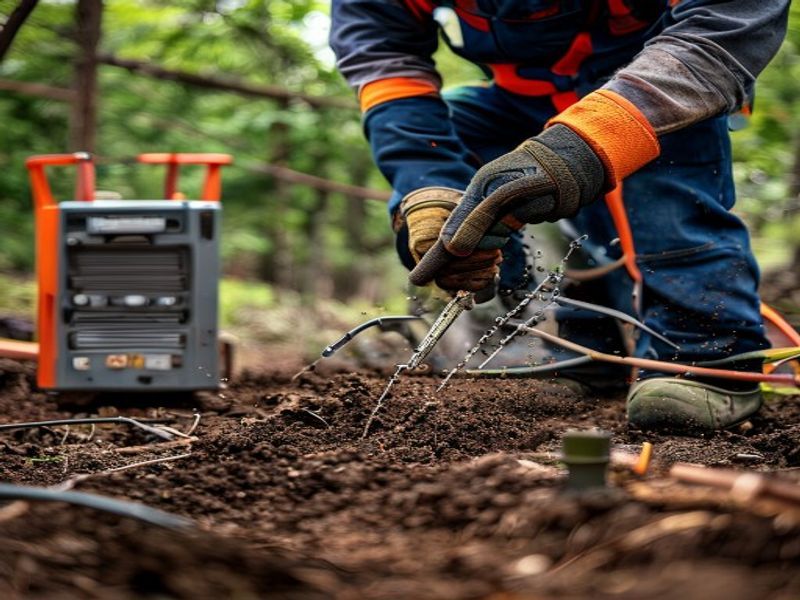
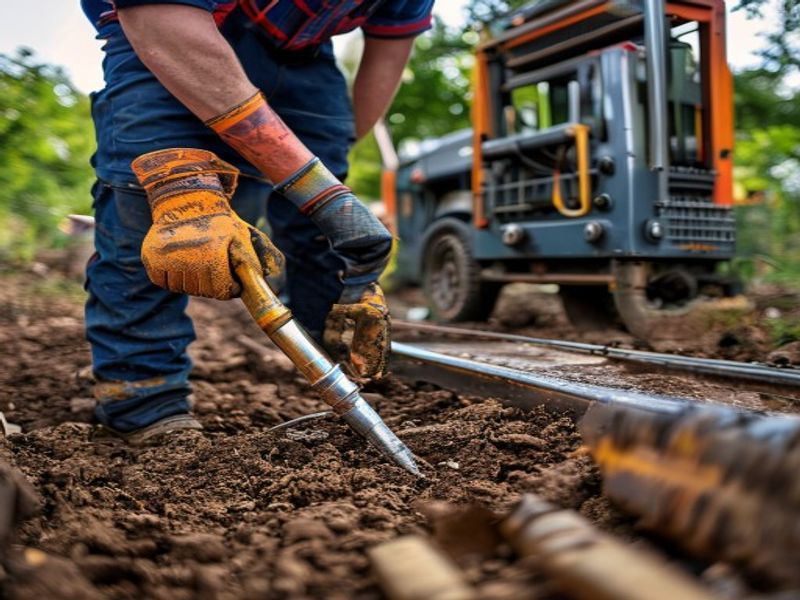
Begin the ground portable diesel generator process by selecting a location as close to the generator as practical, preferably within 3 meter. Drive the grounding rod vertically into the soil using a sledgehammer or specialized rod driver until only 2-3 inches remain above grade. If bedrock prevents full depth installation, the rod may be driven at a 45-degree angle or buried in a trench at least 30 inches deep. Attach the grounding clamp securely to the rod, then connect the grounding conductor between the clamp and the generator’s grounding terminal, ensuring all connections are clean and tight.
Step-by-Step Installation
Eerstens, locate underground utilities before driving the rod to avoid hitting buried cables or pipes. Second, drive the rod at a location where soil remains moist, as moisture reduces ground resistance. Third, clean the rod surface at the clamp attachment point to ensure good electrical contact. Vierde, tighten the grounding clamp to the specified torque. Uiteindelik, connect the other end of the grounding conductor to the generator’s ground lug using a crimped or compression terminal.
How to Test Ground Resistance?
After completing the ground portable diesel generator installasie, measure the resistance between the grounding rod and earth using a three-point fall-of-potential tester. The NEC recommends a maximum resistance of 25 ohms for a single rod electrode, though many specifications require 5 ohms or less for industrial applications. If the measured resistance exceeds the target, drive additional rods spaced at least 6 feet apart and connect them in parallel, or treat the soil with grounding enhancement material to reduce resistance.
Resistance Targets by Application
| Application | Target Resistance | Rods Required |
|---|---|---|
| Residential backup | ≤25Ω | 1 rod typical |
| Commercial/industrial | ≤5Ω | 2–4 rods |
| Hazardous location | ≤1Ω | 4+ rods or chemical ground |
| Data center backup | ≤1Ω | Grounding grid |
What Are Common Grounding Mistakes to Avoid?
Several errors frequently compromise the effectiveness of ground portable diesel generator installations. The most dangerous mistake is using a water pipe or building steel as the sole grounding electrode, as these paths can be interrupted by renovations or corrosion. Another common error is failing to drive the rod to its full depth, leaving too much rod above grade where it can be damaged or where soil contact is insufficient. Loose connections at the clamp or terminal also increase resistance and reduce the effectiveness of the ground fault path.
Mistake vs. Correct Practice
| Common Mistake | Correct Practice | Consequence of Error |
|---|---|---|
| Using water pipe as electrode | Use dedicated grounding rod | Unreliable ground path |
| Partial rod depth | Drive rod full 8 ft depth | High resistance |
| Loose clamp connection | Torque to specification | Intermittent ground |
| No resistance testing | Test with fall-of-potential | Unknown ground quality |
| Painted rod surface | Clean rod at clamp point | Poor electrical contact |
When Can a Portable Generator Operate Without Grounding?
NUK 250.34 provides an exception: a portable diesel kragopwekker does not require grounding if it supplies only cord-and-plug-connected loads through receptacles mounted on the generator, and the equipment grounding conductors of the receptacles are bonded to the generator frame. In this configuration, the frame serves as the reference ground, and all fault currents return through the equipment grounding conductor in the cord. Egter, if the generator is connected to a building’s wiring through a transfer switch, you must ground portable diesel generator equipment to the building’s grounding electrode system.
Gereelde vrae
Can I use a metal fence post as a grounding rod?
How deep should a grounding rod be for a generator?
What happens if I don’t ground my generator?
Does a portable generator need grounding if only powering tools?
How often should I check generator ground resistance?
For authoritative grounding information, see Wikipedia’s electrical grounding article, or visit Huaquan Power diesel generators en our generator installation guide.