<h2>What Is Generator Insulation Class and Why It Matters</h2>
<bl>Generator insulation class defines the maximum temperature that the winding insulation can withstand without breaking down. Eerstens, the insulation class directly decides how long your generator will last and how reliably it will perform. Verder, choosing the correct generator insulation class prevents overheating, short circuits, and costly rewinding. Daarom, understanding generator insulation class is essential for anyone who buys, bedryf, or maintains a generator. In hierdie gids, you will learn about all insulation classes, temperature limits, and how Huaquan Power selects the best generator insulation class for every unit.</bl>
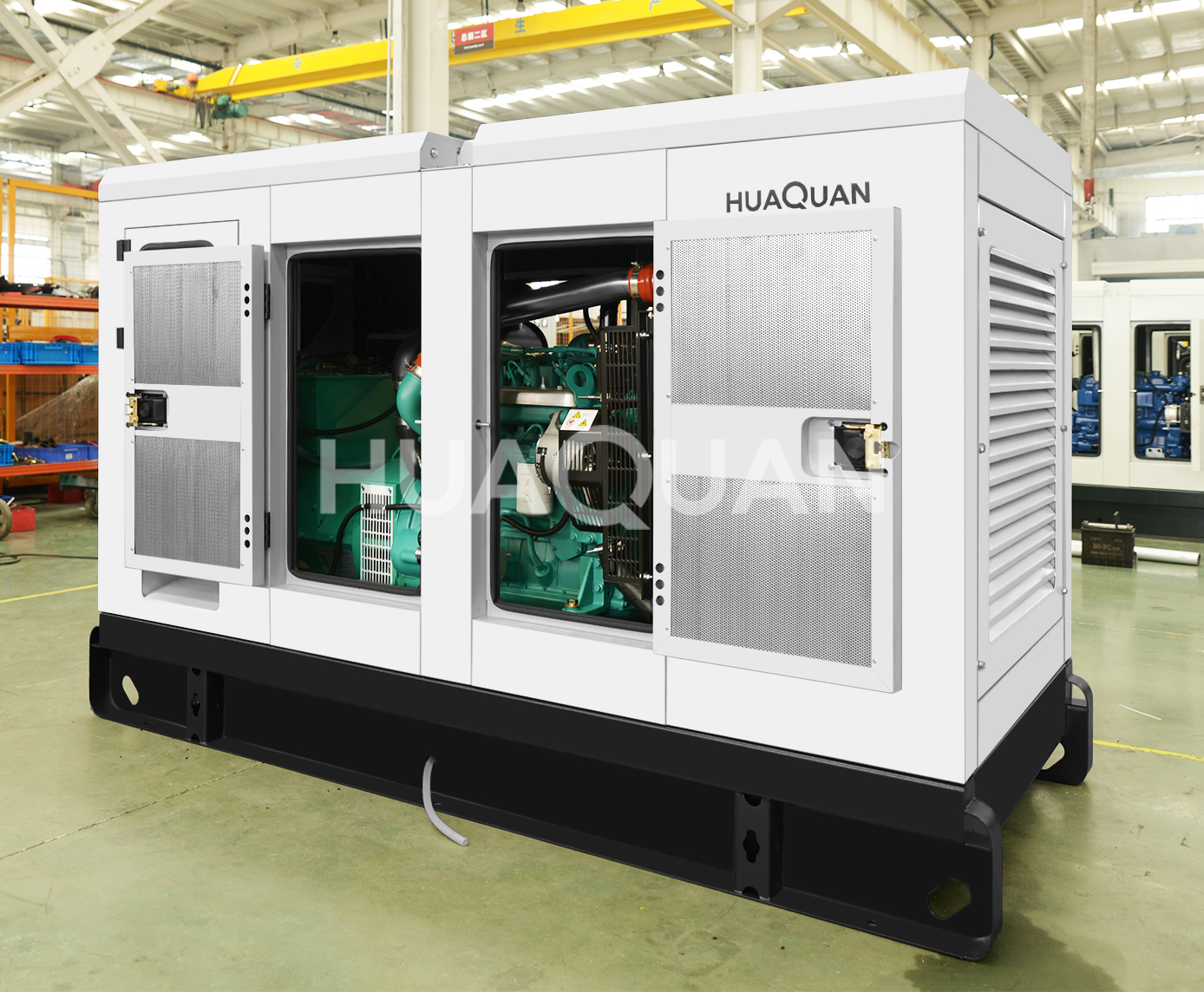
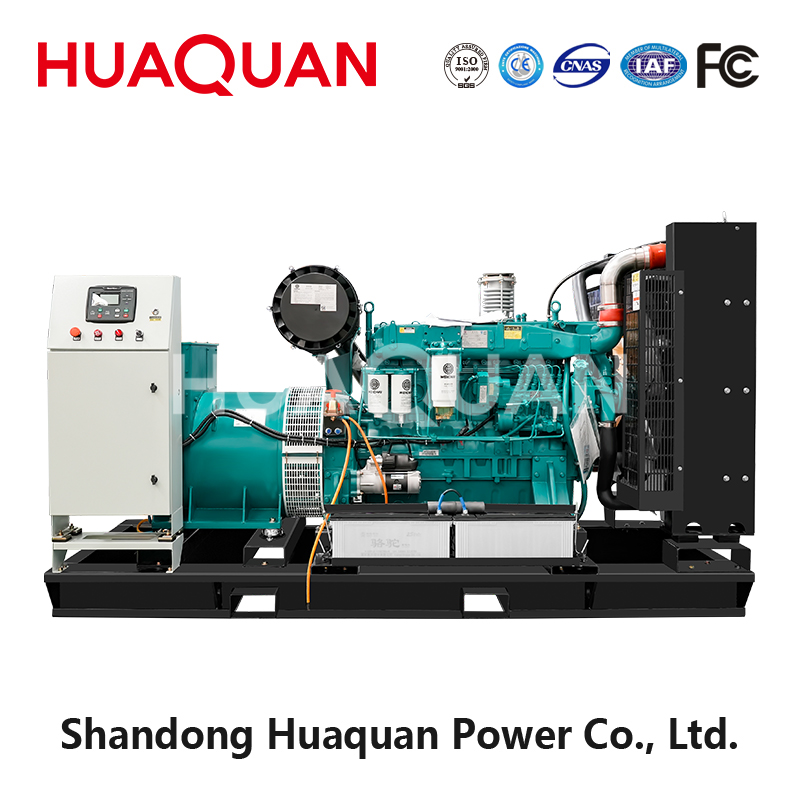
<bl><strong>Huaquan Power Tip:</strong> Most Huaquan Kragopwekkers use Class H insulation, which allows operating temperatures up to 180°C. As gevolg hiervan, our generators deliver longer service life and higher reliability even under heavy loads.</bl>
<h2>Generator Insulation Class Ratings Explained</h2>
<h3>Class A Insulation (105°C Maximum)</h3>
<bl>Class A is the most basic generator insulation class. Spesifiek, it uses materials like cotton, silk, and paper that can withstand temperatures up to 105°C. Egter, this generator insulation class is rarely used in modern generators because it offers very limited thermal headroom. Verder, Class A insulation ages quickly at high temperatures. Daarom, you will mostly find this rating in small or very old generators.</bl>
<table>
<tr><ste>Property</ste><ste>Class A</ste><ste>Typical Use</ste></tr>
<tr><td>Max Temperature</td><td>105°C</td><td>Small residential generators</td></tr>
<tr><td>Hotspot Allowance</td><td>5°C</td><td>Low-load applications</td></tr>
<tr><td>Common Materials</td><td>Cotton, silk, paper</td><td>Older generator models</td></tr>
<tr><td>Expected Life at Rated Temp</td><td>20,000 ure</td><td>Light duty only</td></tr>
</table>
<h3>Class B Insulation (130°C Maximum)</h3>
<bl>Class B is a step up from Class A. Trouens, this generator insulation class uses mica, glass fiber, and other inorganic materials with a binder. As gevolg hiervan, it can handle temperatures up to 130°C. Bowendien, Class B insulation is common in medium-duty generators. Egter, for industrial applications, most engineers prefer Class F or Class H for better safety margins.</bl>
<table>
<tr><ste>Property</ste><ste>Class B</ste><ste>Typical Use</ste></tr>
<tr><td>Max Temperature</td><td>130°C</td><td>Medium-duty generators</td></tr>
<tr><td>Hotspot Allowance</td><td>10°C</td><td>Commercial applications</td></tr>
<tr><td>Common Materials</td><td>Mica, glass fiber with binder</td><td>Standby power units</td></tr>
<tr><td>Expected Life at Rated Temp</td><td>20,000 ure</td><td>Moderate load cycles</td></tr>
</table>
<h3>Class F Insulation (155°C Maximum)</h3>
<bl>Class F is one of the most popular generator insulation classes for industrial generators. Spesifiek, it uses mica, glass fiber, and synthetic materials that can handle up to 155°C. Verder, Class F insulation provides a good balance between cost and thermal performance. Daarom, many generator manufacturers choose this generator insulation class for standard industrial units. Daarby, Class F insulation allows a 25°C thermal margin when operated at Class B temperature rise, which greatly extends winding life.</bl>
<table>
<tr><ste>Property</ste><ste>Class F</ste><ste>Typical Use</ste></tr>
<tr><td>Max Temperature</td><td>155°C</td><td>Industrial generators</td></tr>
<tr><td>Hotspot Allowance</td><td>15°C</td><td>Continuous duty applications</td></tr>
<tr><td>Common Materials</td><td>Mica, glass fiber, synthetic resin</td><td>Factory and mining generators</td></tr>
<tr><td>Expected Life at Rated Temp</td><td>20,000 ure</td><td>Heavy duty with thermal margin</td></tr>
</table>
<h3>Class H Insulation (180°C Maximum)</h3>
<bl>Class H is the premium generator insulation class for heavy-duty and critical applications. Spesifiek, it uses silicone resin, mica, and glass fiber that withstand up to 180°C. Bowendien, Huaquan Power uses Class H insulation in most of its generator sets. As gevolg hiervan, our generators run cooler at rated load, which means longer insulation life and fewer failures. Trouens, operating a Class H generator at Class F temperature rise gives you up to 10 times longer winding life. For more on insulation materials, see the <a href="https://en.wikipedia.org/wiki/Electrical_insulation_paper">Wikipedia article on electrical insulation</a>.</bl>
<table>
<tr><ste>Property</ste><ste>Class H</ste><ste>Typical Use</ste></tr>
<tr><td>Max Temperature</td><td>180°C</td><td>Heavy-duty industrial generators</td></tr>
<tr><td>Hotspot Allowance</td><td>15°C</td><td>Critical and continuous duty</td></tr>
<tr><td>Common Materials</td><td>Silicone resin, mica, glass fiber</td><td>Huaquan Power standard generators</td></tr>
<tr><td>Expected Life at Rated Temp</td><td>20,000 ure</td><td>Maksimum betroubaarheid</td></tr>
</table>
<h3>Class C Insulation (220°C Maximum)</h3>
<bl>Class C is the highest generator insulation class available. Verder, it uses pure mica, porcelain, and quartz that can survive temperatures above 220°C. Egter, this generator insulation class is very expensive and is only used in special applications like aerospace or extreme industrial environments. Daarom, you will rarely see Class C in standard generator sets. Nietemin, knowing about it helps you understand the full range of generator insulation class options.</bl>
<table>
<tr><ste>Property</ste><ste>Class C</ste><ste>Typical Use</ste></tr>
<tr><td>Max Temperature</td><td>220°C+</td><td>Aerospace and extreme environments</td></tr>
<tr><td>Hotspot Allowance</td><td>Wissel</td><td>Specialized applications</td></tr>
<tr><td>Common Materials</td><td>Pure mica, porcelain, quartz</td><td>Military and aerospace</td></tr>
<tr><td>Expected Life</td><td>Varies greatly</td><td>Custom engineered units</td></tr>
</table>
<h2>How Generator Insulation Class Affects Performance</h2>
<h3>Temperature Rise and Thermal Margin</h3>
<bl>Temperature rise is the increase in winding temperature above ambient during operation. Spesifiek, a generator with a higher generator insulation class can tolerate more temperature rise. Daarom, it can handle heavier loads or higher ambient temperatures without damage. Verder, the thermal margin — the difference between the insulation class limit and the actual operating temperature — directly affects winding life. Trouens, every 10°C reduction in operating temperature roughly doubles the insulation life. Gevolglik, choosing a higher generator insulation class gives you a larger safety margin and longer generator life. Besoek <a href="https://huaquanpower.net/diesel-generator-sets/">Huaquan diesel generator products</a> to see our Class H insulated generators.</bl>
<table>
<tr><ste>Insulation Class</ste><ste>Max Temp</ste><ste>Typical Temp Rise</ste><ste>Thermal Margin</ste></tr>
<tr><td>Class A</td><td>105°C</td><td>60-75°C</td><td>30-45°C</td></tr>
<tr><td>Class B</td><td>130°C</td><td>75-90°C</td><td>40-55°C</td></tr>
<tr><td>Class F</td><td>155°C</td><td>90-115°C</td><td>40-65°C</td></tr>
<tr><td>Class H</td><td>180°C</td><td>100-125°C</td><td>55-80°C</td></tr>
</table>
<h3>Insulation Life and Aging</h3>
<bl>Insulation aging follows the Arrhenius equation — a chemical reaction rate law. Spesifiek, every 8-12°C above the rated temperature halves the insulation life. Daarom, running a generator with Class F insulation at 170°C instead of 155°C cuts the winding life by about 50%. Verder, vog, vibrasie, and electrical stress also accelerate insulation aging. As gevolg hiervan, proper maintenance and correct generator insulation class selection are both critical for long generator life. Die <a href="https://en.wikipedia.org/wiki/Arrhenius_equation">Wikipedia Arrhenius equation article</a> explains the science behind this.</bl>
<h2>How to Choose the Right Generator Insulation Class</h2>
<h3>Match Insulation Class to Your Operating Environment</h3>
<bl>Choosing the correct generator insulation class depends on several factors. Eerstens, consider the ambient temperature where the generator will operate. Volgende, think about the load profile — continuous or standby. Verder, evaluate the altitude and ventilation conditions. Uiteindelik, factor in your budget and desired service life. In die algemeen, Huaquan Power recommends Class H insulation for most industrial applications because it provides the best combination of cost and reliability.</bl>
<table>
<tr><ste>Application</ste><ste>Recommended Class</ste><ste>Reason</ste></tr>
<tr><td>Standby residential</td><td>Class F</td><td>Low run hours, cost-effective</td></tr>
<tr><td>Commercial standby</td><td>Class F or H</td><td>Depends on load and run time</td></tr>
<tr><td>Industrial continuous</td><td>Class H</td><td>High temperature margin needed</td></tr>
<tr><td>Mining and oilfield</td><td>Class H</td><td>Harsh environment, high ambient</td></tr>
<tr><td>Marine</td><td>Class H</td><td>Humid, corrosive atmosphere</td></tr>
<tr><td>Tropical climate</td><td>Class H</td><td>Ambient often exceeds 40°C</td></tr>
</table>
<h2>Generator Insulation Class Testing and Standards</h2>
<h3>IEC and IEEE Standards for Generator Insulation Class</h3>
<bl>Generator insulation class ratings follow strict international standards. Spesifiek, OVK 60085 and IEEE 1 define the temperature limits for each class. Verder, NEMA MG 1 provides additional requirements for motor and generator insulation. Daarom, when you buy a generator, always check that it meets these standards. Daarby, Huaquan Power generators are tested according to IEC 60034 and carry Class H insulation certification. For more details, visit the <a href="https://en.wikipedia.org/wiki/IEC_60034">OVK 60034 standard page</a>.</bl>
<table>
<tr><ste>Standard</ste><ste>Covers</ste><ste>Key Requirement</ste></tr>
<tr><td>IEC 60085</td><td>Thermal evaluation of insulation</td><td>Temperature class definitions</td></tr>
<tr><td>IEEE 1</td><td>Insulation temperature ratings</td><td>Standard temperature limits</td></tr>
<tr><td>NEMA MG 1</td><td>Motors and generators</td><td>Insulation class and testing</td></tr>
<tr><td>IEC 60034</td><td>Rotating electrical machines</td><td>Performance and testing</td></tr>
</table>
<h2>Gereelde Vrae</h2>
<bl><strong>V1: What is the best generator insulation class for industrial use?</strong></bl>
<bl>Eerstens, Class H is the best generator insulation class for most industrial applications. Spesifiek, it allows temperatures up to 180°C, which gives a large safety margin. Verder, Class H insulation lasts longer under heavy loads. Daarom, Huaquan Power uses Class H as standard on all Industriële kragopwekker sets for maximum reliability.</bl>
<bl><strong>V2: Can I upgrade the generator insulation class of an existing generator?</strong></bl>
<bl>Nee, you cannot easily upgrade the generator insulation class of an existing generator. Spesifiek, the insulation is built into the windings during manufacturing. Daarom, upgrading would require a complete rewind, which is very expensive. Egter, you can reduce the operating temperature by improving ventilation or reducing the load to extend insulation life.</bl>
<bl><strong>V3: How does generator insulation class affect warranty?</strong></bl>
<bl>Eerstens, generator manufacturers base warranty terms partly on the generator insulation class. Spesifiek, a higher class means the generator can handle more thermal stress. Verder, if you operate a generator beyond its insulation class temperature limit, the warranty may be voided. Daarom, always match your operating conditions to the correct generator insulation class to keep your warranty valid.</bl>
<bl><strong>Q4: What happens if generator insulation class is too low for the application?</strong></bl>
<bl>If the generator insulation class is too low, the insulation will overheat and break down. Gevolglik, this causes short circuits between windings, ground faults, and complete generator failure. Bowendien, insulation breakdown often leads to expensive rewinding or even total replacement. Daarom, always choose a generator insulation class with enough thermal margin for your application.</bl>
<bl><strong>Q5: Does generator insulation class affect efficiency?</strong></bl>
<bl>Not directly. Egter, a higher generator insulation class allows the generator to run at higher temperatures without damage. Verder, this means the generator can handle higher loads safely. Daarom, while the generator insulation class does not change efficiency by itself, it does affect the maximum safe operating point and long-term reliability of the generator set.</bl>
<h2>Gevolgtrekking: Choose the Right Generator Insulation Class for Long Life</h2>
<bl>Opsommend, generator insulation class is one of the most important specifications for any generator. Eerstens, it defines the maximum temperature the windings can safely handle. Volgende, a higher generator insulation class gives you a larger thermal margin, which means longer winding life and better reliability. Verder, always match the insulation class to your operating environment and load profile. Daarom, choose Huaquan Power generators with Class H insulation for the best performance and longest service life. Kontak <a href="https://huaquanpower.net">Huaquan Power</a> today for expert advice on generator insulation class selection.</bl>