Prime power and standby power ratings are the most commonly misunderstood specifications on generator datasheets. Selecting the wrong rating type can void your warranty, reduce engine life by 50% of meer, and leave you without power when you need it most. Understanding the difference is essential for every generator buyer.
Definitions and Standards
Generator ratings are defined by ISO 8528, the international standard for reciprocating internal combustion engine driven alternating current generating sets. The standard defines several rating types, each with specific operating parameters and limitations.
| Characteristic | Standby Krag (LTP) | Eerste krag (PRP) | Deurlopende krag (COP) |
|---|---|---|---|
| ISO 8528 Gradering | Limited-Time Power | Eerste krag | Deurlopende krag |
| Average Load Factor | Tot 100% | Tot 70-85% | 100% konstant |
| Maximum Hours/Year | 200-500 ure | Onbeperk | Onbeperk (24/7) |
| Typical Output | 100% of standby rating | 80-90% of standby rating | 70-80% of standby rating |
| Overload Capability | Geen | 10% vir 1h/12h | Geen |
| Purchase Price | Basislyn | +20-30% | +30-40% |
| Engine Life Expectancy | 10,000-15,000 ure | 20,000-30,000 ure | 30,000-40,000+ ure |
When to Use Standby Power
Use Standby Power when: The generator activates only during grid failures and runs fewer than 200-500 ure per jaar. Typical applications include hospitals with reliable grid, commercial office buildings, retail stores, and residential backup. The generator sits idle most of the time and must start reliably when called upon.
Key considerations for standby applications: The engine is rated for maximum power output but cannot sustain it continuously. Na 500 hours of operation in a year, you are exceeding the rating and should consider upgrading to a prime-rated unit. Standby-rated Kragopwekkers often use lighter-duty engine components to reduce cost.
When to Use Prime Power
Use Prime Power when: The generator runs daily for extended periods, serves as the primary or sole power source, or operates more than 500 ure per jaar. Common applications include construction sites, mynbedrywighede, agricultural irrigation, off-grid facilities, and locations with unreliable grid power (many African and Southeast Asian countries).
Prime-rated generators feature heavier-duty engine components, better cooling systems, and more robust alternators. They are designed for variable load operation with an average load factor of 70-85% of the prime rating. Die 10% overload capability (available once per 12 hours for 1 uur) provides headroom for starting large motors.
When to Use Continuous Power
Use Continuous Power when: The generator runs 24/7 at a constant load, such as base-load power generation, cogeneration, or continuous industrial processes. COP-rated generators operate at a constant 100% load with no overload capability. They are the most robust and expensive, with the longest expected service life.
The Same Generator, Different Ratings
A single generator model typically has all three ratings. Byvoorbeeld, a Cummins QSK60 engine might be rated at 2000kW standby, 1800kW prime, and 1600kW continuous. The physical engine and alternator are identical—the difference is in the rated output, which affects duty cycle, maintenance intervals, and warranty coverage.
This means you cannot simply re-rate a standby generator as a prime unit. The engine governor settings, brandstofstelsel kalibrasie, and warranty terms are all tied to the intended rating class. Operating a standby-rated generator at prime power levels will void the warranty and significantly shorten engine life.
Cost Comparison Over 10 Jare
| Faktor | Standby (500kVA) | Prime (500kVA) | Verskil |
|---|---|---|---|
| Purchase Price | $45,000 | $58,000 | +29% |
| Annual Maintenance | $2,000 | $4,000 | +100% |
| Annual Fuel (500h @ 75%) | $16,200 | $16,200 | Dieselfde |
| Annual Fuel (4000h @ 75%) | NVT (exceeds rating) | $129,600 | — |
| Engine Overhaul (at 15,000h) | $12,000 at year 5 | $12,000 at year 7-8 | Later for prime |
| 10-Year TCO (500h/yr) | $82,000 | $98,000 | +20% |
| 10-Year TCO (4000h/yr) | Exceeds rating | $522,000 | Only option |
Gereelde vrae
Can I use a standby generator as prime power?
Nee. Operating a standby-rated generator beyond 200-500 hours per year or at average load factors above the prime rating will void the manufacturer warranty and significantly reduce engine life. If your application requires more than 500 ure per jaar, you must purchase a prime-rated generator.
Why does the same engine have different standby and prime ratings?
The ratings reflect different duty cycles and expected service life. A standby rating allows maximum power output for limited hours, accepting shorter engine life. A prime rating derates the output by 10-20% to extend engine life and allow unlimited operating hours. The physical engine is the same; the difference is in how hard you push it.
What happens if I exceed the standby hours limit?
Exceeding the annual hour limit means you are operating the generator outside its rated conditions. This voids the warranty, increases the risk of unexpected failures, and accelerates wear on pistons, ringe, laers, and cylinder liners. You should immediately transition to a prime-rated unit.
Is a prime-rated generator more reliable than standby?
Not necessarily—both are reliable within their rated duty cycles. A standby generator may actually be more reliable for occasional use because it spends less time accumulating wear. The key is matching the rating to your actual operating profile, not assuming a higher rating automatically means better reliability.
How does the 10% overload work on prime-rated generators?
Vir ISO 8528, prime-rated generators can deliver 110% of their prime rating for up to 1 uur in enige 12-uur periode. This is designed for occasional starting surges, not sustained overload. Continuous use of the overload capability will damage the alternator winding insulation and reduce engine life.
Do I need a prime-rated generator for load shedding applications?
Ja. In regions with scheduled load shedding (South Africa, Nigeria, Pakistan), generators may run 4-12 hours daily, totaal 1,500-4,000 ure per jaar. This far exceeds the standby rating limit of 200-500 ure per jaar. A prime-rated generator is essential for these applications.
Can I convert a standby generator to prime rating?
Oor die algemeen nie. While the engine and alternator may be physically identical, the governor settings, fuel mapping, and warranty are tied to the rating class. Some manufacturers offer field conversion kits that include recalibration and warranty extension, but this is model-specific and typically costs 15-25% of the generator price.
What rating should I choose for a rental generator?
For rental applications, always specify prime-rated generators. Rental units operate in unpredictable conditions with variable loads and extended runtime. Prime-rated units handle this duty cycle reliably, while standby units may fail prematurely under rental service conditions.
How do I verify a generator’s true rating?
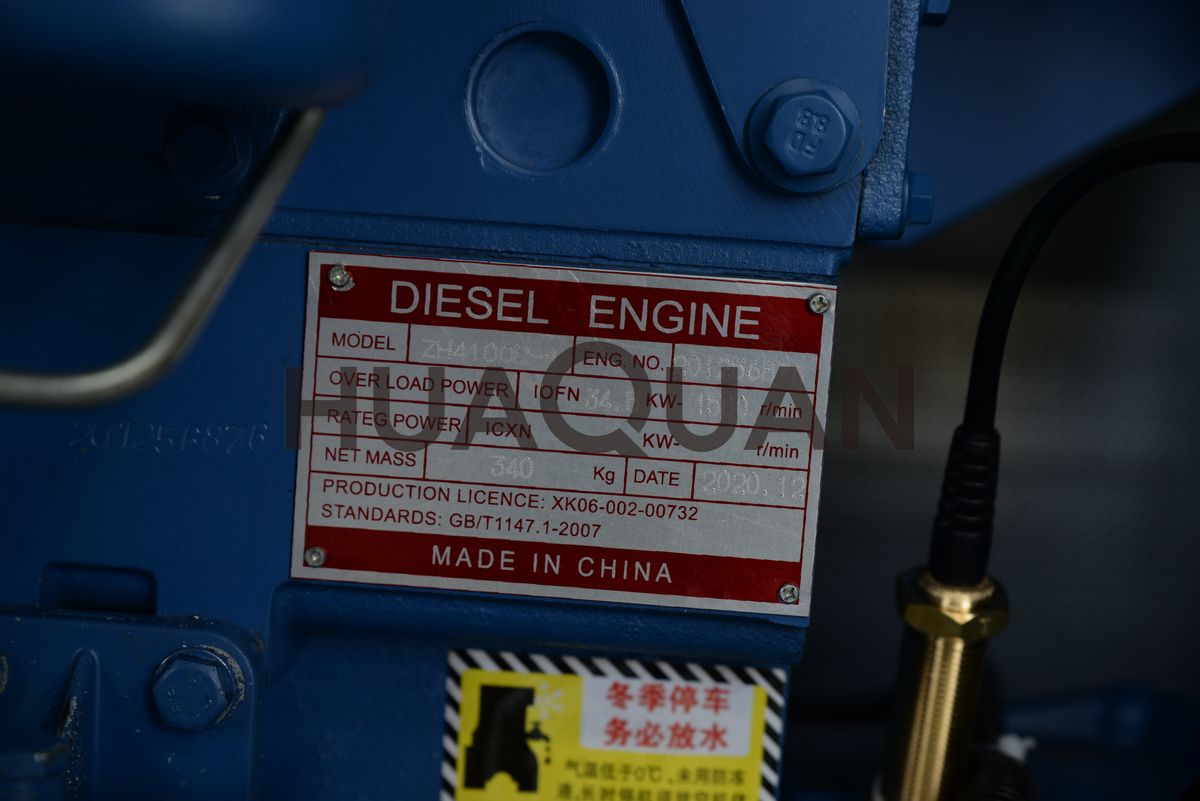
Check the ISO 8528 rating on the manufacturer’s datasheet and nameplate. Look for the specific rating class (ESP/LTP, PRP, or COP), the associated power output, en die bedryfstoestande. If a supplier quotes only one power figure without specifying the rating class, ask for clarification—it may be the standby rating presented as if it were prime.
Does the rating affect maintenance intervals?
Ja. Prime and continuous-rated generators typically have more frequent maintenance intervals because they accumulate operating hours faster. Egter, standby generators require additional attention: battery maintenance, periodic no-load starts, and annual load bank testing to prevent wet stacking from light-load operation.
Technical Deep Dive: Governor and AVR Settings
The difference between standby and prime ratings is not just in the engine hardware—it extends to the governor (which controls engine speed and frequency) and the automatic voltage regulator (AVR, which controls output voltage). These control systems are calibrated differently for each rating class, and the calibration cannot be changed in the field without manufacturer authorization.
Governor Calibration
For standby-rated generators, the governor is typically set for isochronous operation (constant speed regardless of load) with a frequency droop of less than 3% from no-load to full-load. This provides tight frequency regulation for sensitive loads. For prime-rated generators, the governor may allow slightly more frequency droop (3-5%) during transient load steps, with recovery to isochronous within 5-10 sekondes. This more relaxed transient response reduces mechanical stress on the engine during load acceptance.
AVR Calibration and Excitation Limits
The AVR for prime-rated generators is typically set with higher excitation ceiling (maximum rotor current) to handle the 10% overload condition. The excitation system also includes over-current protection that limits the time at overload to prevent rotor overheating. Standby-rated generators may have a lower excitation ceiling because they are not expected to deliver sustained overload. This means a standby generator may experience a larger voltage dip during motor starting than a prime-rated generator of the same kVA.
Warranty Implications by Rating Class
| Warranty Aspect | Standby (ESP/LTP) | Prime (PRP) | Deurlopend (COP) |
|---|---|---|---|
| Typical Warranty Period | 12-24 maande | 12-24 maande | 24-36 maande |
| Operating Hours Limit | 200-500 h/yr | Onbeperk | Onbeperk |
| Load Factor Restriction | None specified | 70% gemiddeld | 100% konstant |
| Overload Coverage | Not covered | 10% for 1h/12h covered | Not covered |
| Warranty Void Conditions | Jaarlikse ure oorskry | Exceeding 70% avg load factor | Operating below rated load |
| Extended Warranty Available | Tot 5 jare (limited hours) | Tot 5 jare | Tot 7 jare |
The most common warranty claim denial is operating a standby-rated generator beyond its annual hour limit. If your generator logs 800 hours in a year but is rated for 200 ure, the manufacturer can deny any warranty claim—even for unrelated issues—because the generator was operated outside its rated conditions. Always purchase a generator with the correct rating for your expected operating profile.
Maintenance Cost Comparison Over 10 Jare
| Onderhoud Item | Standby (200h/yr) | Prime (4000h/yr) | Cost Ratio |
|---|---|---|---|
| Olie & filter changes | 2x/yr ($400/jr) | 8-10x/yr ($2,000/jr) | 5x |
| Air filter replacement | 1x/yr ($150) | 4x/yr ($600) | 4x |
| Brandstof filter vervanging | 1x/yr ($100) | 4x/yr ($400) | 4x |
| Koelmiddel vervanging | Elke 2 jare ($300) | Elke 2 jare ($300) | 1x |
| Klep verstelling | Elke 3 jare ($500) | Elke 2 jare ($500) | 1.5x |
| Injectors | At overhaul | Every 10,000h ($3,000) | — |
| Turboaanjaer | At overhaul | Every 15,000-20,000h ($5,000) | — |
| Total annual maintenance | $1,200 | $6,000 | 5x |
While prime-rated generators cost 5x more in annual maintenance, they also run 20x more hours. On a per-hour basis, prime power maintenance costs approximately $1.50/hour vs. $6.00/hour for standby—a clear efficiency advantage for the prime-rated unit when operating beyond 500 ure per jaar.
Additional FAQ
What is the difference between ISO 8528-1 ESP and LTP ratings?
ESP (Emergency Standby Power, Kategorie 1) limits operation to 200 hours per year and does not allow any overload. LTP (Limited-Time Power, Kategorie 2) allows up to 500 hours per year and also does not allow overload. The key difference is the annual hour limit. Both ratings are for variable load applications where the generator is not the primary power source. LTP is appropriate for areas with more frequent or longer outages.
Can I upgrade from standby to prime rating by changing the fuel system?
Nee. The rating is determined by the complete engine-generator system design, including engine components, cooling system capacity, alternator rating, governor calibration, and AVR settings. Simply recalibrating the governor or fuel system does not change the rating class and will void the warranty. Any legitimate rating upgrade must be performed and certified by the manufacturer.
How does the 10% overload work in practice?
When a PRP-rated generator experiences a load exceeding its prime rating (but not exceeding 110% of prime), the engine governor allows the additional fuel delivery needed to maintain frequency. The AVR increases excitation to maintain voltage. The overload can be sustained for up to 1 uur in enige 12-uur periode. Na 1 uur, the load must be reduced below the prime rating. This overload capability is typically used for motor starting surges and brief load spikes, not for sustained operation above the prime rating.
What rating should I specify for a rental generator?
Always specify PRP-rated generators for rental applications. Rental units operate in unpredictable conditions with variable loads, extended runtime, and frequent relocation. PRP-rated units handle this duty cycle reliably. ESP/LTP-rated units may fail prematurely under rental service conditions, creating liability for the rental company and downtime for the customer.
Does the generator rating affect noise levels?
Not directly. Egter, prime-rated generators typically run longer hours, so the cumulative noise impact is greater. Some jurisdictions have different noise limits for standby vs. prime-rated installations based on expected operating hours. A standby generator that runs 50 hours per year may meet noise regulations without a special enclosure, while the same generator in prime service (4000 ure per jaar) may require a sound-attenuated enclosure to meet the same regulations.
Huaquan Real-World Projects
At Huaquan Power, we’ve deployed generator systems across diverse applications worldwide. Here are some representative projects:
| Country | Kraggradering | Toepassing | Project Highlights |
|---|---|---|---|
| Philippines | 450kW | Power Station | Huaquan delivered a 450kW Diesel kragopwekker system for power station applications in Philippines, featuring customized configuration for local conditions with reliable after-sales support. |
| Overseas | 550kW | Power Station | Huaquan delivered a 550kW diesel generator system for power station applications in Overseas, featuring customized configuration for local conditions with reliable after-sales support. |
| Peru | 700kW | Power Station | Huaquan delivered a 700kW diesel generator system for power station applications in Peru, featuring customized configuration for local conditions with reliable after-sales support. |
These real-world deployments demonstrate our engineering team’s capability to deliver reliable power solutions tailored to specific application requirements and environmental conditions. View all overseas case studies →
Recommended Generator for Your Application

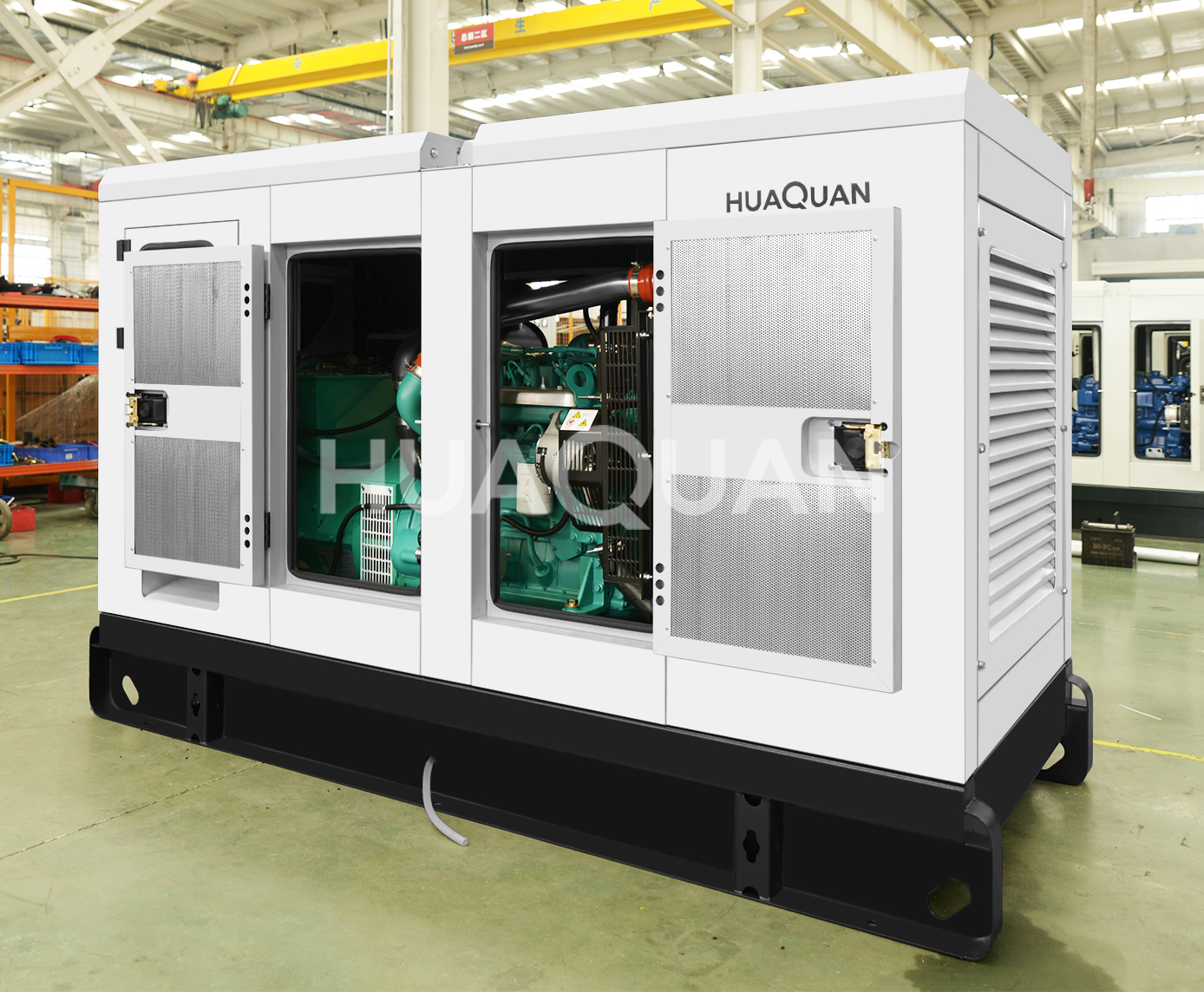
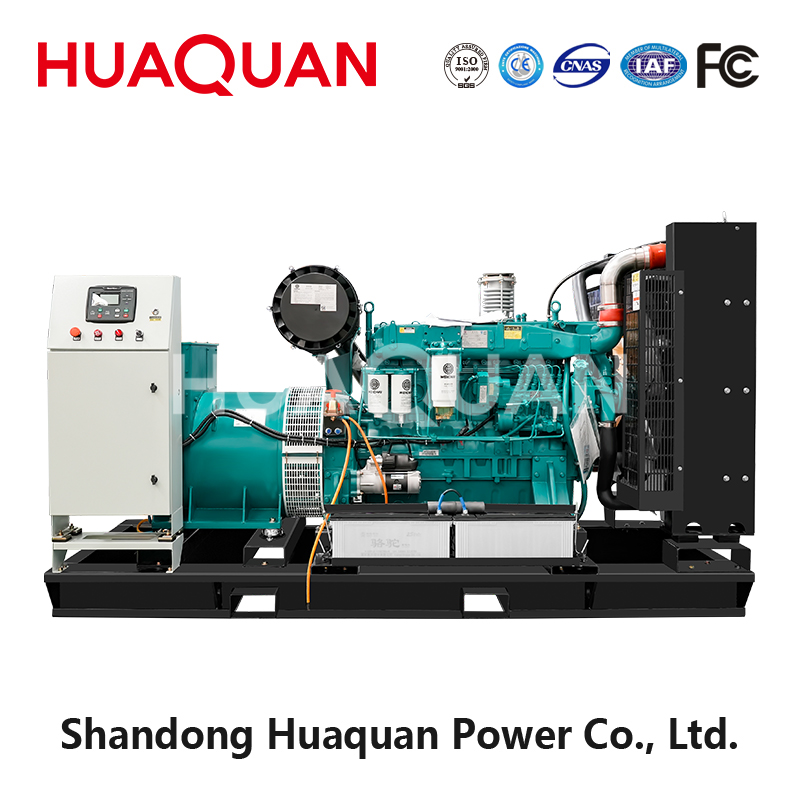
100-500kW diesel kragopwekker
Medium-duty diesel generator for industrial and commercial applications.
Sleutel kenmerke:
- ISO 8528 voldoen
- Customized voltage & frekwensie
- Remote monitoring available
- Global shipping & on-site installation